
Unleashing the Potential: 8 Essential Traits of Elite Youth Soccer Players
May 1, 2022
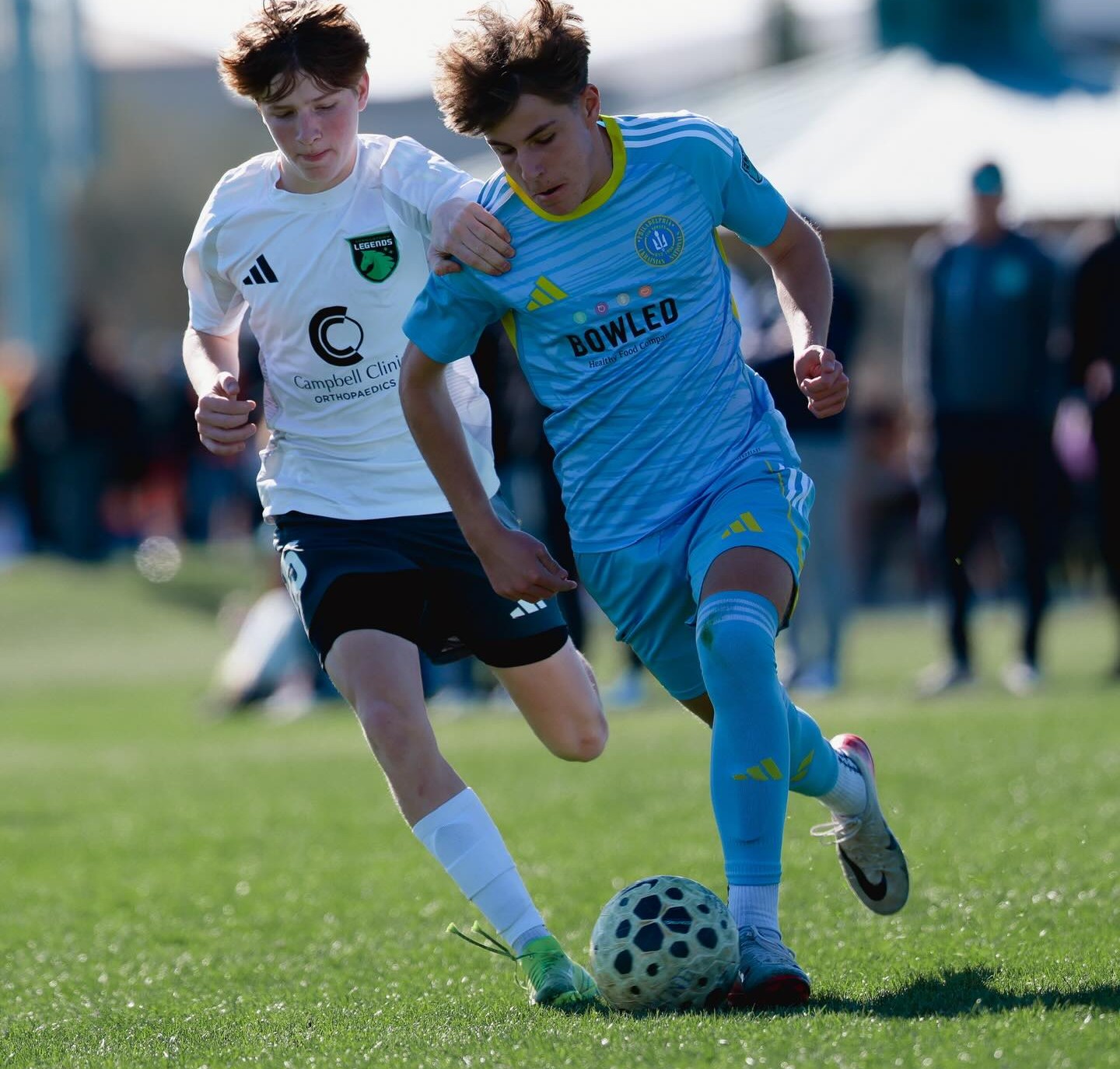
As a youth soccer player, it can be overwhelming to think about all the qualities you need to possess in order to reach the next level.
But one thing is for sure, there are a few key characteristics that successful players all have in common.
#1 Own Your Development
First and foremost, personal responsibility is crucial.
Are you motivated to train and improve on your own, or do you need someone to constantly push you?
Of course, we all need some external motivation, but ultimately it's up to you to take control of your own development. And when things don't go as planned, do you blame others or focus on what you can do to improve?
However, the process is long and filled with many ups and downs. Having a growth mindset, focusing on the things you control, and taking personal responsibility for your actions are the key qualities that you will need to excel on and off the soccer pitch.
Finally, when things are going bad, do you blame others or focus on what you need to do to improve individually and help the team?
#2 Master Your Technique
Technique is repetition, and repetition needs a ball coming back. A Franklin Sports soccer rebounder turns solo practice into hundreds of touches — the single most useful thing most families own. A set of training cones covers everything else: dribbling gates, turns, first-touch grids.
Another important quality is optimal technical skill. The game of soccer is constantly evolving and the modern game demands a high level of technical proficiency.
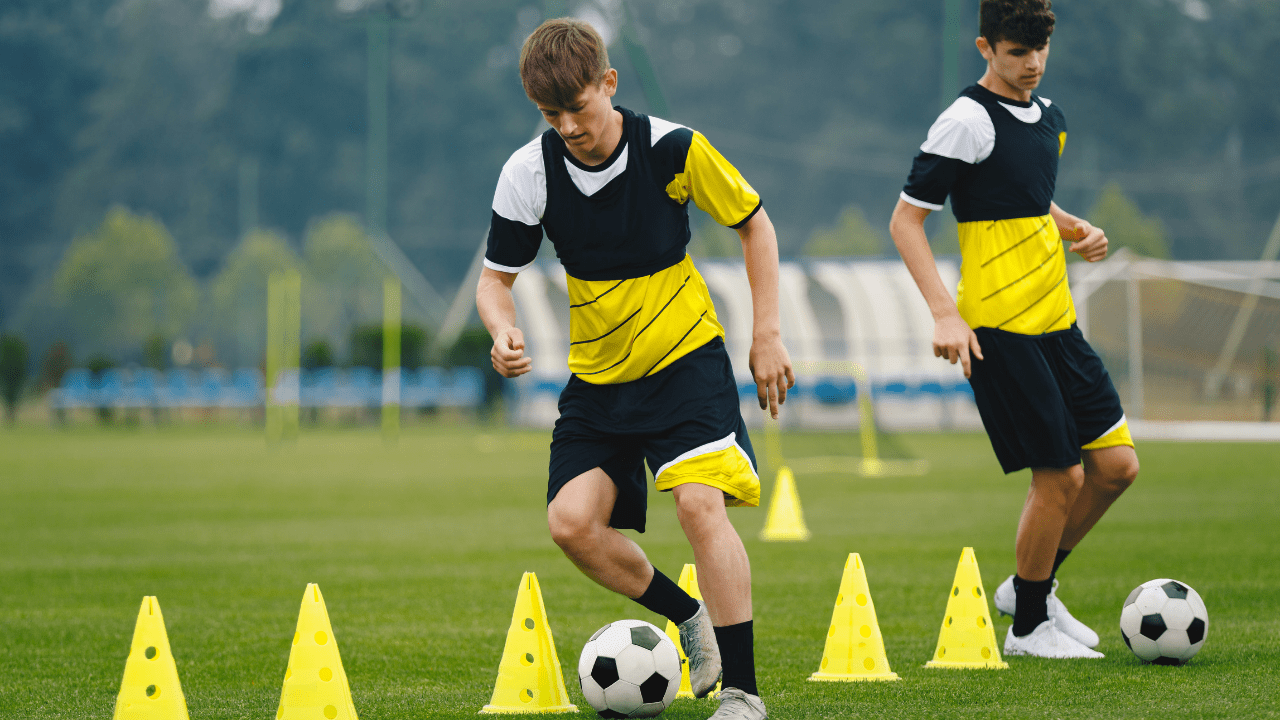
Are you able to be effective in all situations and make quick, smart decisions under pressure? Make sure you are constantly working on your dribbling, passing, and finishing skills.
Passing and receiving are also extremely important. Let's face it, while dribbling is exciting, the majority of the game is spent making passes and receiving the ball.
This means that you must be able to apply proper weight to your first touch, and second touch, and ensure your passes connect with a high percentage of success.
#3 See the Game Early
Awareness is learnable, and it is mostly vocabulary — knowing what to look for before the ball arrives. Soccer IQ by Dan Blank is the clearest book on it for a young player, and short enough that they will actually finish it.
Game awareness and decision-making is another key aspect. It's not just about having good technical skills but also having the ability to analyze the field and make split-second decisions.
This requires both technical and tactical knowledge.
Most importantly, are your eyes up before and when receiving the ball?
Regardless of how well you read the game, you need the technical skills to execute in order to be successful.
Tactically, do you analyze the field for positions of players and spaces to exploit? Are they looking around before they get the ball?
When you are playing against high-level competition it's often too late to start looking around only after receiving the ball.
A great idea is to go back and watch films of not only your games but the games of your favorite player. Carefully watch your actions when you have the ball versus when you don't have the ball.
Also, often overlooked is how well you handle moments when the game is in transition, do you ball-watch until the danger or opportunity is near, or are you in constant motion anticipating what will likely happen next?
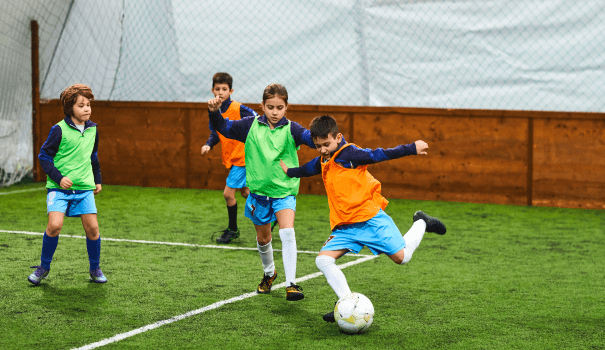
The modern game is fast, even at the youth level. You have to be able to transition from defending to attacking in a split second, or the game has passed you.
#4 Push Through the Hard Days
If you want the research behind why effort beats talent over ten years, Mindset by Carol Dweck and The Talent Code by Daniel Coyle are the two worth your evening.
In psychology, GRIT (Guts, Resilience, Initiative, and Tenacity) is a positive, non-cognitive trait based on an individual's perseverance of effort combined with the passion for a particular long-term goal.
In soccer, it's those qualities plus your ability to keep fighting when training, games, and the season get tough.
Ask yourself if you take responsibility. Are you the type of player that tries to make a difference in the game?
When you make a mistake, do you fight to get the ball back?
#5 Stay Locked In
The mental aspect of soccer is often overlooked. However, in recent years, its importance is becoming more and more understood.
To compete at the highest level, you must be able to focus.
The ability to focus is important because it leads to greater game intelligence, problem-solving, and decision-making.
Without focus, you won't be as effective in training which will surface in games.
A player who possesses intense focus can raise the standards for their entire team.
#6 Build Your Athleticism
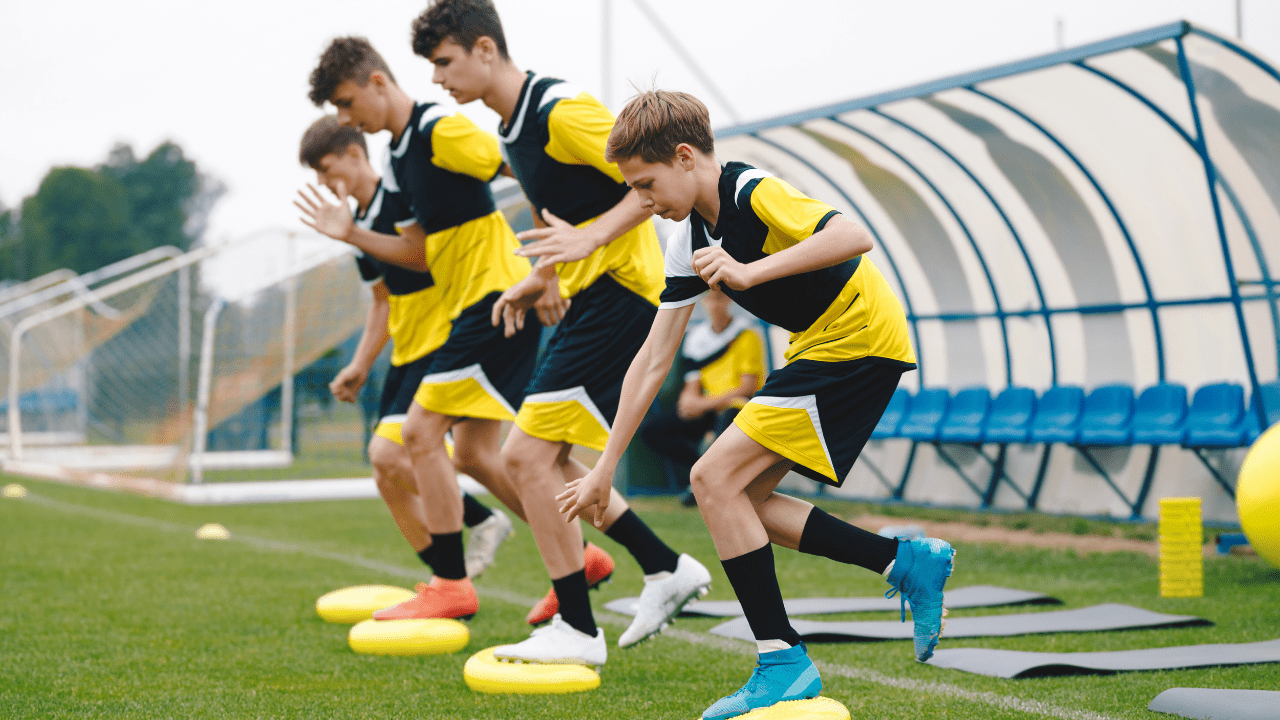
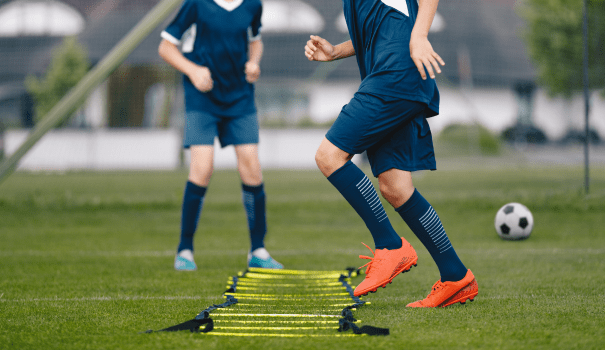
Speed and coordination respond to short, frequent work rather than long sessions. An agility ladder and hurdles takes ten minutes in a garden, and portable pop-up goals make finishing practice possible without a full pitch.
Physical fitness and athleticism are also essential qualities for a soccer player.
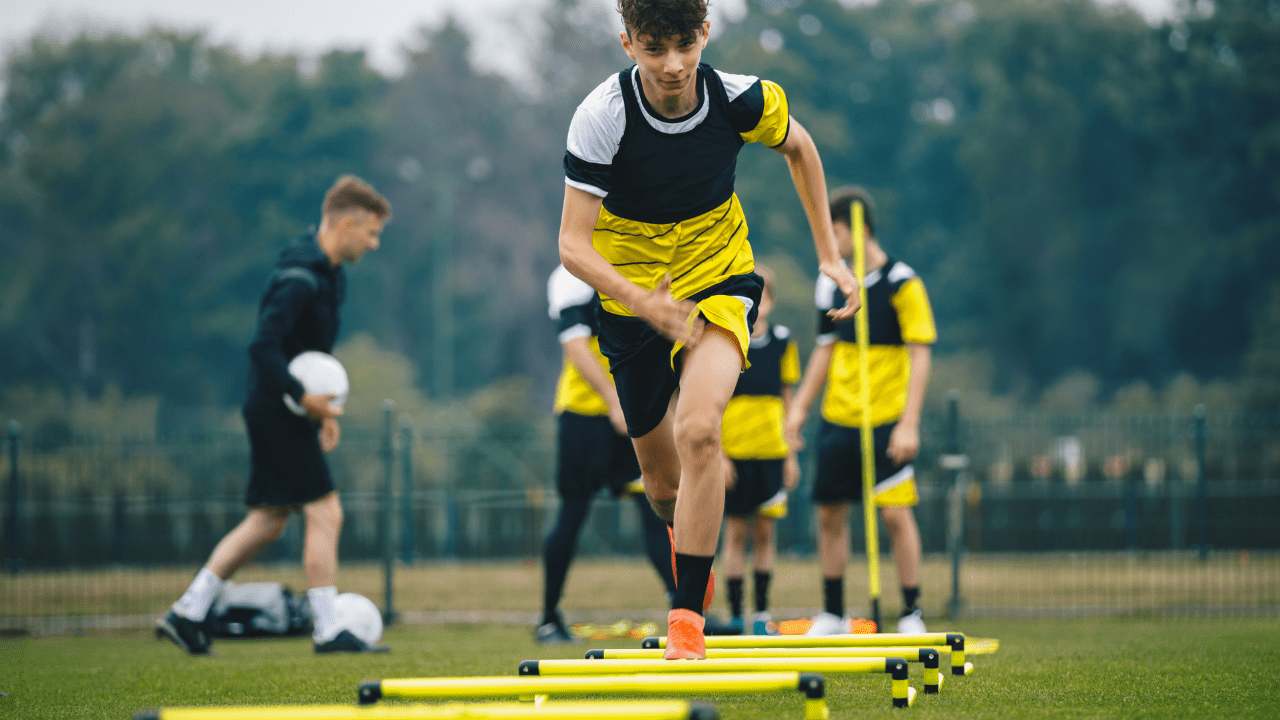
It's important to note that physical development can vary greatly among youth soccer players, with some hitting puberty earlier than others. However, regardless of your physical maturity, it's essential to work on your balance and coordination both with and without the ball.
This will help you to become a more well-rounded player and be able to better handle the demands of the game.
Just be careful not to assume that early physical development guarantees success.
It's also important to remember that while physical development may give you a temporary advantage, it's not a guarantee of success. The playing field levels out post-puberty, and it's your mental and technical abilities that will ultimately determine your success as a player.
So, focus on developing your overall skillset and don't rely solely on physical attributes.
#7 Outwork Everyone
Plenty of parents end up coaching the team. A coaching clipboard with dry-erase board and a whistle with lanyard are the difference between a session that starts on time and one that loses ten minutes to milling about.
In soccer, work rate is often measured by the distance covered by a player during a match. A player with a high work rate is someone who is constantly moving and working to make an impact on the game.
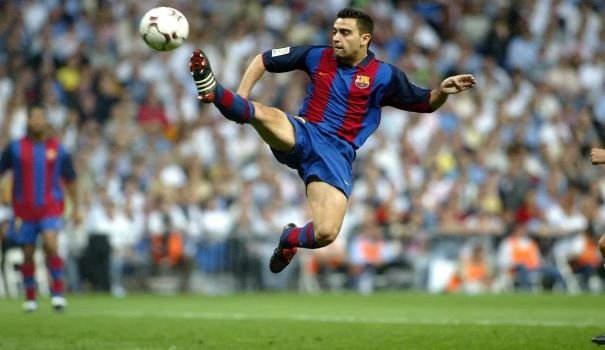
Xavi, a former midfielder for Barcelona and Spain, is a prime example of a player with a high work rate. During the final of the 2010-11 UEFA Champions League, Xavi covered an astonishing 12km, more than any other player on the field.
Let that sink in, almost 12 km, more than any of the other elite professional players in the game.
A high work rate does not only mean running fast and far, it also means working hard to win the ball back, pressuring the opponent, and making smart runs off the ball. It's a combination of all these factors that make a player with a high work rate so valuable to a team.
For you, it starts with a determination to work hard in training and then applying this effort in games. This means pushing yourself to give your best effort in every drill, scrimmage, and practice.
It also means being willing to work on the aspects of your game that need improvement.
Maintain sustained intensity and movement even when you don't think you're going to get the ball. - Arturo A. Hernandez
While having a high work rate is important, it's not enough to excel on the field. It's important to combine that effort with game intelligence, which means understanding the flow of the game and using your energy strategically.
This includes timing your runs to make the most impact, seeking out pockets of space to receive the ball and make plays, and being able to anticipate potential danger before it becomes a problem. This combination of effort and intelligence will help you to become a more effective player and make a greater impact on the game.
#8 Talk, and Bring People With You
Communication is the trait most often called innate and is in fact the most teachable. How to Win Friends and Influence People is still the best plain-English guide to it, and The Culture Code by Daniel Coyle explains why some teams talk to each other and others do not.
Another important aspect of being a successful soccer player is having strong interpersonal skills. This includes being a likable and trustworthy teammate, being coachable, and being able to effectively communicate both verbally and non-verbally with your teammates.
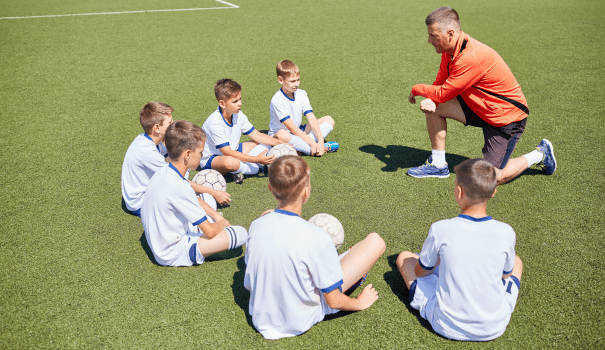
In terms of verbal communication, it's important to be vocal on the field and make sure you're effectively communicating with your teammates. This includes calling for the ball, warning teammates who are offside, and organizing the defense.
Nonverbal communication is just as important, as it can often convey just as much, if not more, than words. You should strive to lead by example by working hard and demonstrating a positive attitude and body language, even when things aren't going well, which can have a big impact on the team's morale and performance.
Your actions (more than your words) show that you're fully committed to the team's success.
Not sure which of these your child is strongest at? Take the free two-minute Soccer Training Survey and get a personalised PDF showing how their training compares to academy players their age.
Key Traits by Position
Every trait above matters wherever your child plays. But each position leans on one or two of them harder than the rest, and knowing which can turn a vague "work harder" into something a player can actually practise.
Goalkeeper
Decision-making under pressure, and the nerve to keep making them after a mistake. Keepers are judged on the one they got wrong, not the six they got right — so the trait that matters most is the short memory that lets them play the next ball on merit. Add loud, early organising of the defence in front of them.
Centre-back
Concentration for ninety minutes when the ball is elsewhere. The errors that cost goals almost always happen after a quiet spell. Position, communication and a genuine willingness to defend the front post matter more than pace.
Full-back
Work rate above all: the position asks a player to be an attacker and a defender in the same minute, repeatedly. Recovery speed and the discipline to get back into shape when the attack breaks down are what separate the good ones.
Defensive midfielder
Game awareness — scanning before receiving, knowing where the danger is before it becomes danger. The least glamorous trait and the most valuable one. Simple, quick passing under pressure beats ambition here.
Attacking midfielder
Technical skill under contact, and the courage to keep asking for the ball in tight space after losing it twice. Vision is a real trait, but it is worthless without the first touch to use it.
Winger
One-versus-one bravery. A winger who will not take a defender on is not a winger. Expect to fail often — the trait is the willingness to go again immediately, plus the sprint back when it does not come off.
Striker
Focus and personal responsibility. Chances arrive rarely and unpredictably, so the striker has to stay in the game mentally through long quiet spells, then be ruthless in the half-second that matters. Missing without sulking is a skill.
If your child is unsure where they fit, that is fine at a young age — the traits transfer. Work the ones the whole list shares, and let the position follow.
Summary
Notice that four of the eight qualities are not necessarily soccer-related. If you embody these qualities, you will likely have what it takes to be successful in soccer and in life.
Notices that four of the eight qualities discussed are not necessarily specific to soccer, but rather are valuable life skills that can help you succeed both on and off the field. These include personal responsibility, grit, focus, and strong interpersonal skills.
While it's essential to have these qualities, it's also important to remember that achieving success in soccer, or in any endeavor, requires hard work and dedication.
Keep these eight qualities in mind as you strive to become a better soccer player, and don't be afraid to seek out resources like Anytime Soccer Training to help you improve.
Some links above are Amazon affiliate links. If you buy through them we earn a small commission at no extra cost to you — it helps keep this site free.
Gear we use for this
The kit our own players train with at home.
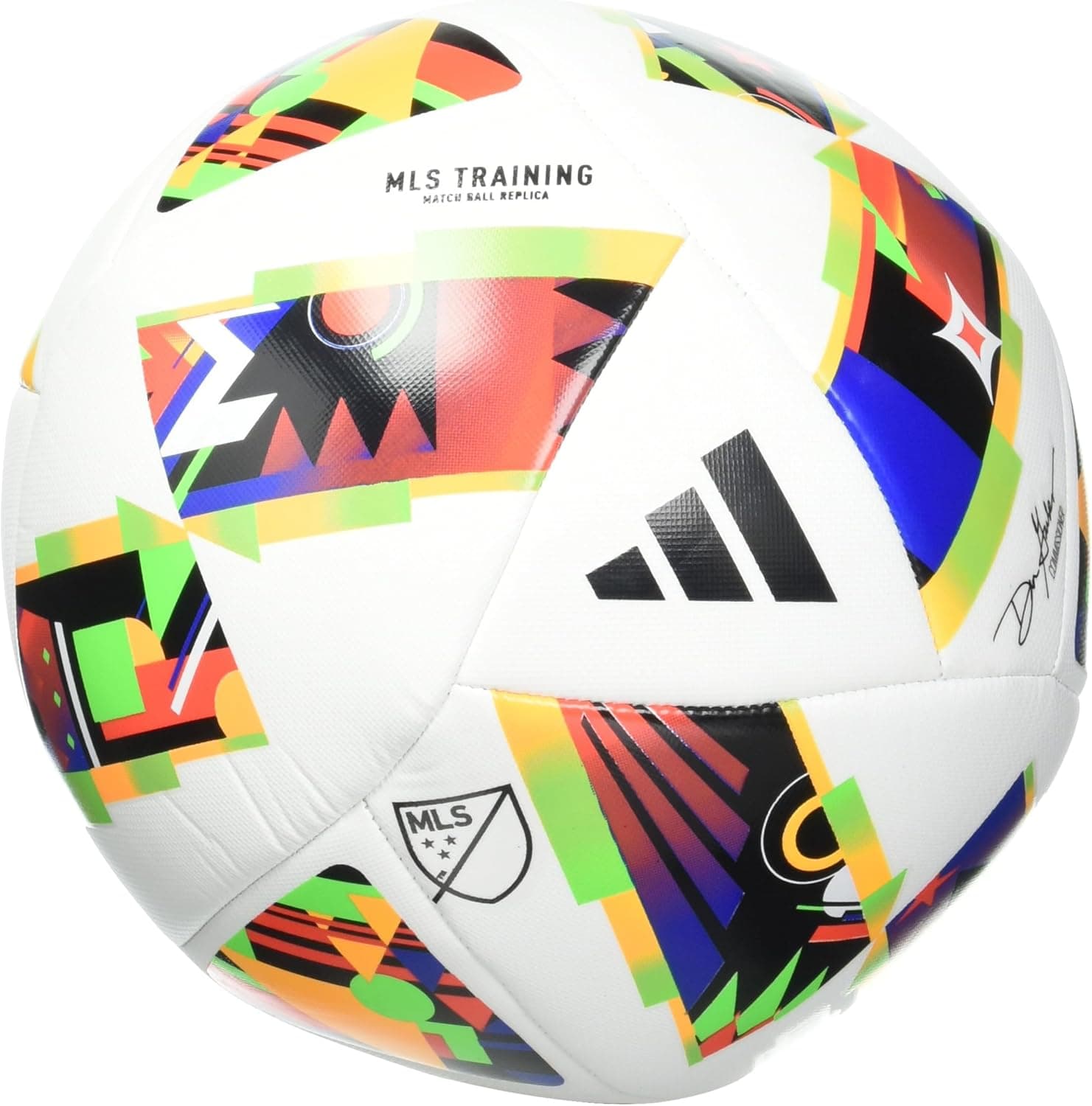
Adidas MLS Training Soccer Ball
View on Amazon →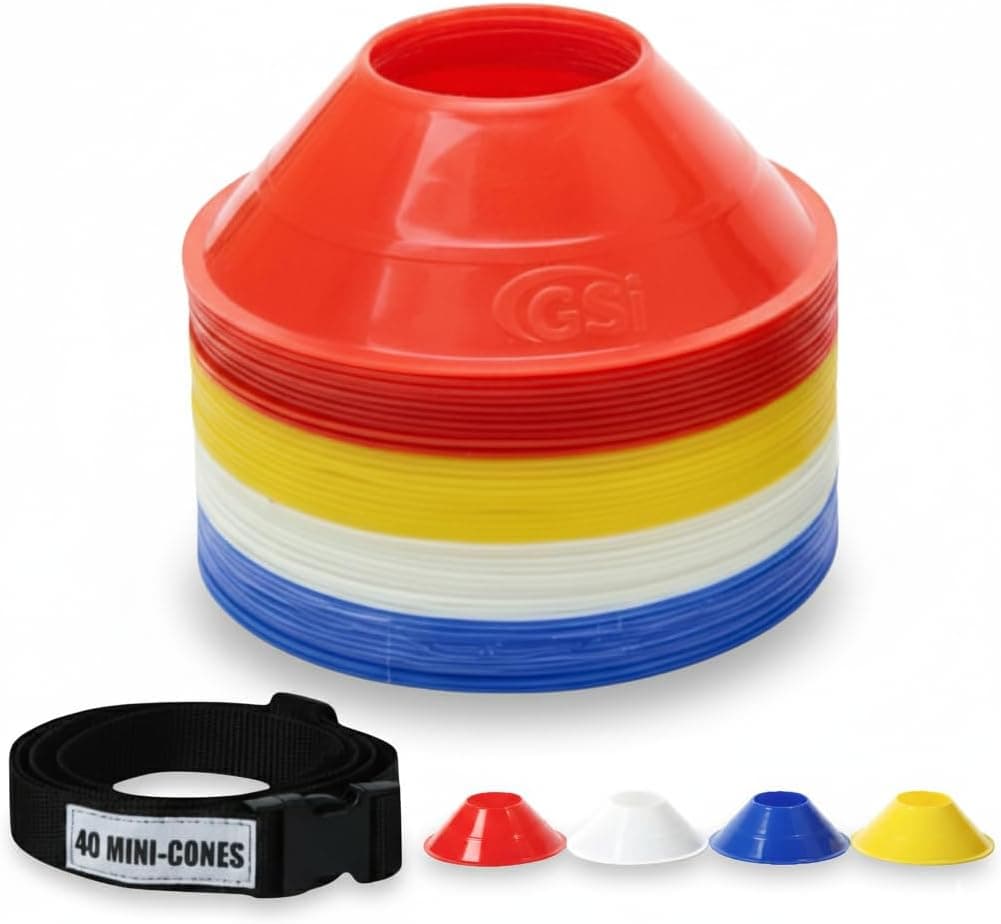
Disc Training Cones (Set of 40)
View on Amazon →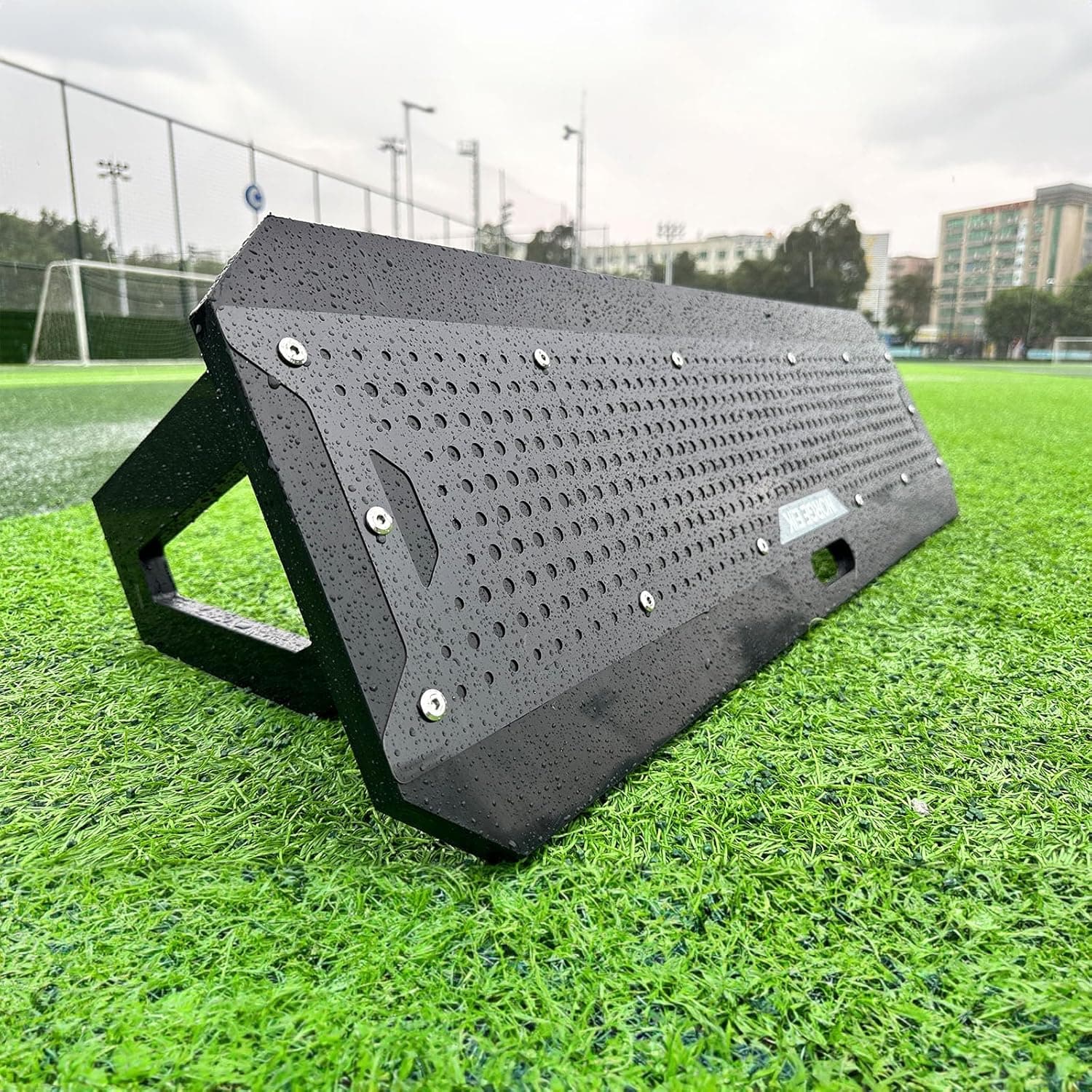
Soccer Rebounder
View on Amazon →As an Amazon Associate we earn from qualifying purchases, at no extra cost to you.