Parent Guide · Raleigh · Durham · Cary · Chapel Hill
If your child wants to play soccer in Raleigh, Durham, Cary or Chapel Hill, you have more choices than ever. That's great news, but it can also be confusing. Rec, Challenge, Classic, ECNL, futsal, ligas, school teams: what do they all mean, and where should a beginner start?
This guide walks through every type of youth soccer in the Triangle, from a first season of 4v4 to college-pathway club teams. Most families climb the ladder in roughly this order:
- Recreational (rec): fun, low cost, no tryouts
- Indoor rec and futsal: winter play that sharpens footwork
- Challenge: the middle step, with tryouts and two practices a week
- Club (Classic, National League, ECNL, MLS NEXT, Girls Academy): paid coaches, year-round commitment
- School soccer: middle and high school teams that run alongside club
You don't have to climb every rung. Many kids play rec for years and love it. The right level is the one that keeps your child excited to play.
Who runs youth soccer in North Carolina?
Most leagues in the state play under the North Carolina Youth Soccer Association (NCYSA), the state's US Youth Soccer member since 1976. More than 75,000 kids play with NCYSA clubs. NCYSA defines the three main levels you'll hear about:
- Recreation: community programs for all skill levels, with no tryouts and a rule that every player plays in every game
- Challenge: "competitive opportunities between recreation and classic," run by regional scheduling leagues
- Classic: "the highest level of competitive play offered within NCYSA," a statewide league
NCYSA also runs the State Cup championships, the Olympic Development Program (ODP) for high-potential players, and TOPSoccer, which brings soccer to players ages 5 to 21 with physical or intellectual disabilities. Some clubs, like NCFC Youth's rec program, play under US Club Soccer instead, but the levels work much the same way.
Before rec: first kicks for ages 18 months to 6
Toddlers and preschoolers can start with short, play-based classes before they join a rec team. These programs teach balance, coordination and basic ball skills through games, and no cleats or shin guards are needed to start.
- Lil' Kickers at NetSports (Morrisville): weekly 50-minute classes, grouped by age, from 18 months (Bunnies, with a parent) up to 9 years, plus a Skills Institute for ages 5–12. Free trial class available.
- Soccer Shots Raleigh-Durham: 30–40 minute weekly sessions for ages 18 months to 8, held at childcare centers, preschools and public parks across the Triangle. Winter 2027 park sessions are open for registration.
- Sofive Apex also runs Lil' Kickers classes for ages 18 months to 6 at its indoor center.
1. Recreational soccer: where almost everyone starts
Rec soccer is the front door. There are no tryouts, coaches are parent volunteers, and every child plays. Kids usually practice once on a weeknight and play one game on the weekend, in a fall season and a spring season.
Formats grow with your child, from 3v3 or 4v4 for the youngest players up to full 11v11 in high school. The focus is fun, friends and lots of touches on the ball.
Where to play rec in the Triangle:
- NCFC Youth Recreation (Raleigh, Cary, Durham, Garner, Holly Springs/Fuquay-Varina, Knightdale, Wake Forest): ages 4–19, plus Kickstarters for ages 2.5–4. 2026–27 fees run $125–$225 a season, with $50 off if you register for the full year.
- Triangle United Recreation (Chapel Hill, Durham, Chatham County): run with four local partners. Rainbow Soccer (Chapel Hill), South Durham Soccer (Woodcroft), Chatham Soccer League and TAGS, a girls-only league. Ages 4–15, and each season ends with a rec festival.
- Your town's parks and recreation department often runs low-cost youth leagues too.
Good for: first-time players, kids who play several sports, and families who want a light schedule.
2. Indoor rec leagues: keep playing all winter
Outdoor rec ends in November, but indoor soccer keeps kids playing through the winter. Indoor games are smaller (often 5v5 or 6v6) on turf inside walls or boards, so every player gets far more touches. It's a fun, low-pressure way to build quick feet and confidence.
- Sofive Apex (1016 Investment Blvd, Apex): indoor house leagues and youth leagues, Skills Institute training for ages 5–12, camps and field rentals. It draws families from Cary, Holly Springs, Fuquay-Varina and Morrisville.
- NetSports (3717 Davis Dr, Morrisville): an indoor facility that hosts Lil' Kickers classes and Next Level Academy training.
Good for: rec players who want more soccer in the off-season, and any child who wants to sharpen ball control.
3. Challenge soccer: the in-between step
Challenge is the bridge between rec and club. NCFC Youth calls it competitive soccer with "a balanced commitment level between Recreation and Classic." It's a great fit for a child who has outgrown rec but isn't ready for a year-round club schedule.
Here's what it looks like at NCFC Youth:
- Ages: 9–19
- Tryouts: yes. Teams are formed by age group.
- Schedule: two practices a week plus weekend league games, with optional local and travel tournaments
- Coaches: volunteers, supported by a full-time Challenge Director
- Seasons: ages 9–14 play fall (August to early November) and spring (February to early May). High school-age girls play fall only and boys play spring only, so Challenge fits around the high school season.
- Cost (2026–27): about $700–$740 a year for ages 9–14 and $440 for ages 15–19, plus a uniform kit (about $175) every two years
- Regions: Raleigh/Knightdale, Durham/Chapel Hill, Holly Springs/Fuquay-Varina, Cary, Garner and Wake Forest
Good for: players who want better competition and coaching without a club-level commitment.
4. Club soccer: the competitive pathway
Club soccer is the most serious level of youth soccer. Teams are picked through tryouts, coached by paid professional staff, and play a 10-month season from August to May. Expect three or four practices a week, weekend games and several tournaments, some out of state.
You'll hear a lot of league names. Here's what they mean, from the most local to the most elite:
- Classic: the top level within the North Carolina Youth Soccer Association (NCYSA). Teams play across the state.
- National League / National 1 League (N1L): regional and national competition run by US Club Soccer and US Youth Soccer
- ECNL and ECNL Regional League: national leagues with college showcase events
- MLS NEXT (boys) and Girls Academy (girls): national development platforms with direct exposure to college and pro scouts
| Club | Area | Levels offered | 2026–27 cost |
|---|---|---|---|
| NCFC Youth | Raleigh, Cary, Wake Forest, Holly Springs, Durham/Chapel Hill, Chatham | Classic (U11–U19), National 1 League, ECNL, ECNL-RL | Classic about $2,100–$2,850; ECNL about $2,700–$3,700 |
| Triangle United | Chapel Hill, Durham, Chatham, Hillsborough/Efland | Youth Academy (U7–U10), Pre-Academy (U11–U12), NCYSA Classic and N1L, MLS NEXT (boys), Girls Academy (girls) | Not posted; check the club |
| Wake FC | Holly Springs and the southern Wake County towns | Youth Academy (U7–U10), Challenge, Classic, MLS NEXT, Girls Academy, DPL | Not posted; check the club |
| Carolina Velocity FC | Raleigh, Apex, Cary, Holly Springs | Competitive teams, including MLS NEXT | Not posted; check the club |
More clubs near you: the Triangle has many more NCYSA member clubs, including Triangle Y Soccer Club, Inter Development Futbol, Durham Futbol Club, Chatham Soccer League, Carolina Football Club and Elite Youth Soccer Club. Enter your ZIP code in NCYSA's Find My Club tool to see every club near you, sorted by distance.
NCFC Youth is the Triangle's largest club, with 17,000+ players and roots going back to the Capital Area Soccer League in 1974. Triangle United formed in 2005 and is the largest club in the western Triangle.
Extra training on top of club: Next Level Academy in Morrisville runs a tryout-based Academy and drop-in Development Centers for ages U7–U13. Players keep playing for their own club teams.
Pro club academies (worth the drive)
The Triangle doesn't have an MLS club of its own, but two pro academies run teams within driving distance. They sit at the top of the youth pyramid, and they're worth knowing about if your child is aiming high.
- Carolina Core FC Youth (High Point, about 1.5 hours from RDU): the official youth affiliate of Carolina Core FC, an MLS NEXT Pro team. Boys U13–U19 play MLS NEXT, and Homegrown players train at Phillips Park alongside the first team. Full-year MLS NEXT tuition runs $2,800–$3,700. The club also offers Girls Academy, Classic and rec, and holds ID sessions each winter.
- Charlotte FC Academy (Charlotte, about 2.5 hours from RDU): the academy of Charlotte's MLS club. It runs full-time teams from U14 to U18 in the MLS NEXT Homegrown Division. Its part-time Discovery Program picks 20–22 players in each of the U12 and U13 age groups to train twice a week while they stay with their own clubs.
Good for: committed players who want top coaching and competition, and families ready for the time, travel and cost.
5. Futsal: the small-sided game that builds great players
Futsal is a fast, 5v5 version of soccer played on a hard court with a smaller, heavier ball that doesn't bounce much. Players touch the ball constantly and have to think fast in tight spaces. Many of the world's best players grew up playing it, and it's a great winter complement to outdoor soccer.
- Bull City Futsal Academy (Durham): a nonprofit built around affordable, accessible futsal. Its summer academies at Sherwood Park are free for elementary, middle and high schoolers. Competitive teams use a pay-what-you-can fee ($0–$220). It also runs La Liga De Toros, a youth league for birth years 2010–2017.
- Triangle United Futsal League: games on Sunday afternoons at Homestead Park Turf in Chapel Hill, from early December through early February. Teams register for the TU Winter Futsal League.
- Hornets Futsal Club: a higher level of futsal, with tryouts. Players travel around North Carolina, the region and the country.
Good for: players of any level who want better footwork, faster decisions and more touches.
6. Hispanic leagues: community soccer with deep roots
The Triangle's Latino community runs some of the area's most passionate soccer. These ligas tend to be affordable, family-centered and full of skilled players. Weekend games often feel like a neighborhood celebration.
- La Liga Del Sol (Raleigh, through NCFC Youth): founded by Roman Gallardo and Roman Gallardo Jr. to lower the cost and transportation barriers that keep many Latino kids out of club soccer. A UNC Media Hub story reports more than 800 kids on over 40 teams. Families register through NCFC Youth, and there's an end-of-season tournament.
- Many churches, community centers and adult ligas across Wake and Durham counties also run youth teams. Ask around at local parks on weekend mornings.
Good for: families looking for affordable, competitive soccer in a welcoming community.
7. School soccer: playing for your middle or high school
School soccer gives players the fun of representing their school in front of classmates. In North Carolina, high school soccer is governed by the NCHSAA. Boys play in the fall and girls play in the spring.
Middle school seasons are shorter. In Wake County Public Schools, girls soccer and boys soccer run in different seasons, so check with your school's athletic director for tryout dates. Private schools set their own calendars.
Many high school players also play Challenge or club. That's why NCFC Youth's older Challenge teams play only in the season when the high school team isn't playing, and why some Classic teams for ages 15–19 skip the high school season.
Good for: players who want school pride and team spirit. It pairs well with club or Challenge in the off-season.
Quick soccer basics: yellow and red cards
New soccer parents often ask about the cards. Referees use them to discipline players:
- Yellow card: a caution for things like a reckless foul, arguing with the referee or delaying the game
- Red card: an ejection. The player leaves the game, the team plays a player short, and the player usually sits out the next game too. Two yellows in one game equal a red.
You won't see many cards in youth rec. Referees at young ages focus on teaching, not punishing.
Essential equipment
For games, every player needs the basics: cleats, shin guards, soccer socks and a water bottle. Your league provides the jersey or tells you which kit to buy. Get a ball sized for your child's age: size 3 for ages 8 and under, size 4 for ages 8–12 and size 5 for 13 and up.
The players who improve fastest also practice at home. Here's the gear we recommend for training in the backyard or driveway:
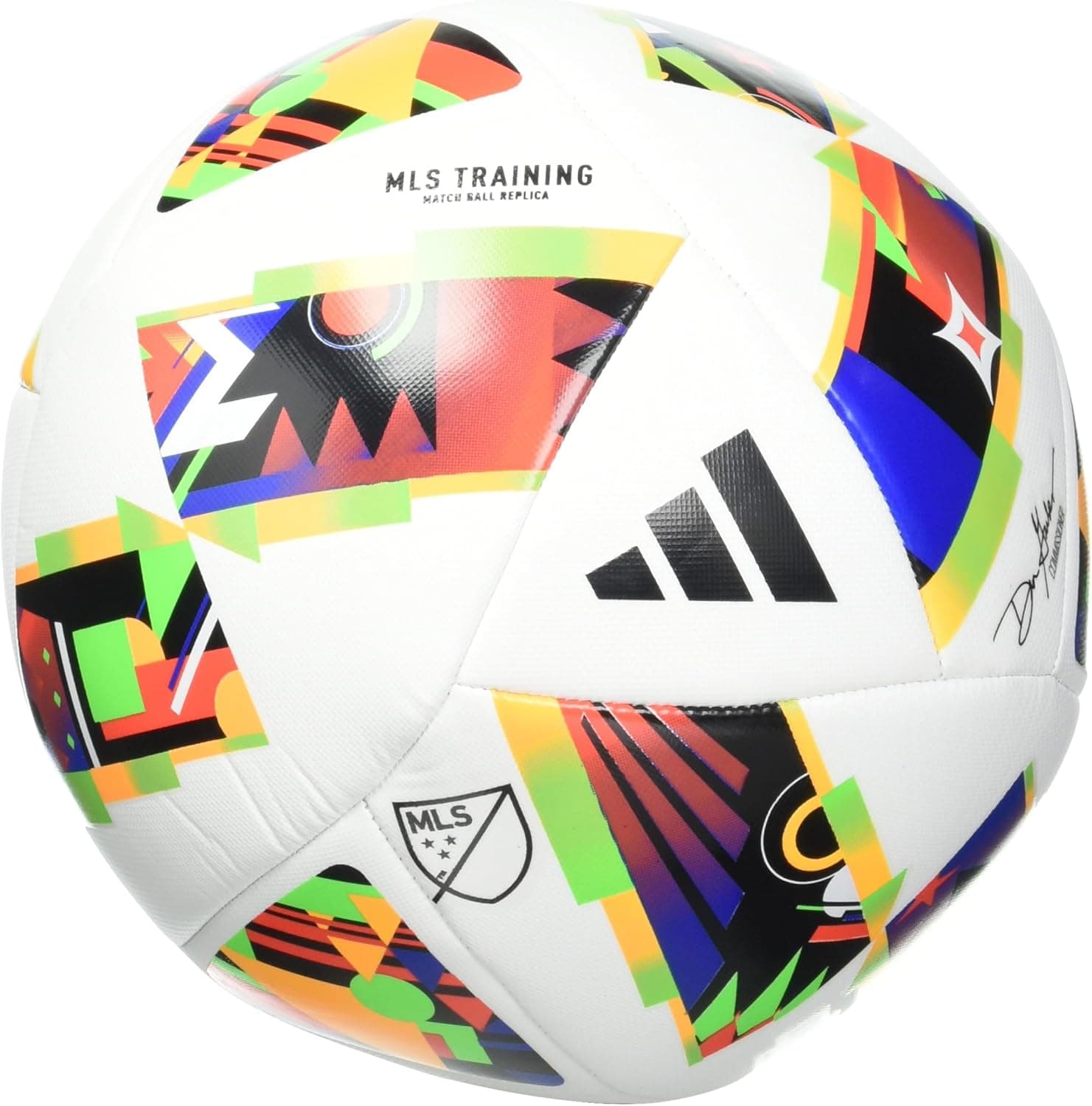
- Adidas MLS training soccer ball: a durable ball for everyday practice
- Size 1 mini soccer ball: great for footwork and juggling
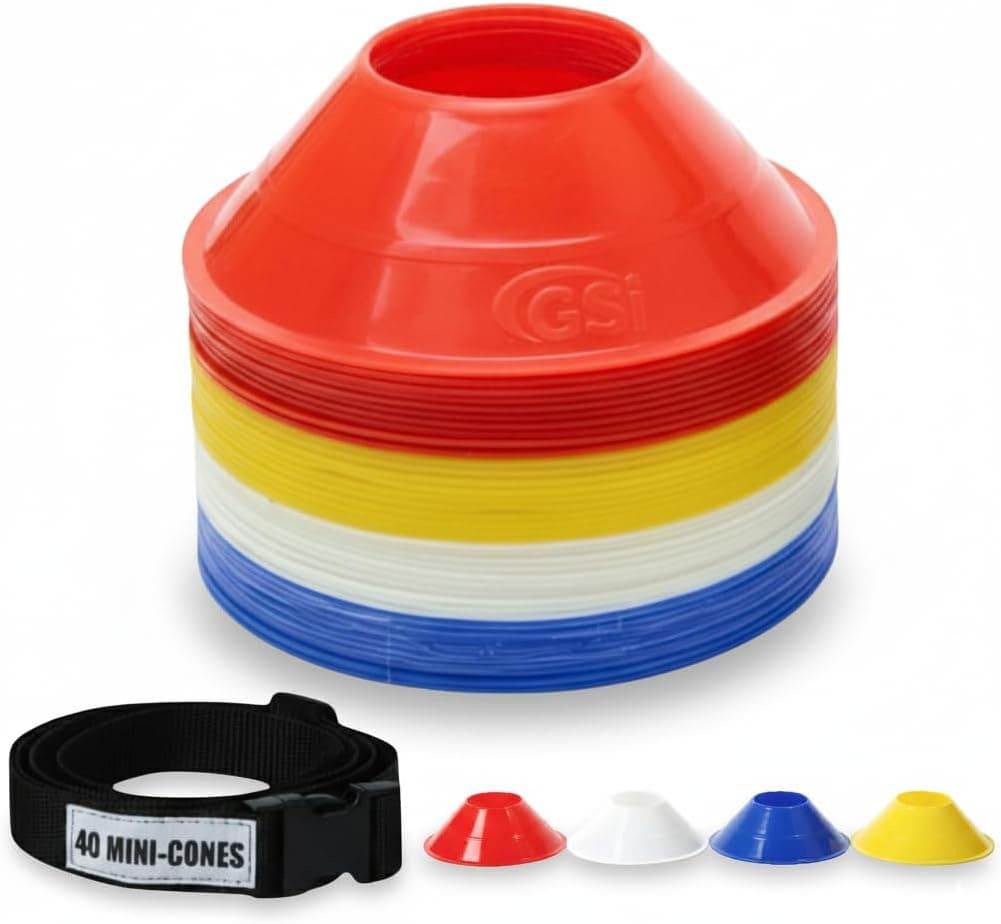
- Disc training cones, set of 40: set up dribbling and agility drills anywhere
- PUGG pop-up soccer goals, set of 2: portable goals for small-sided games
- Agility ladder set: quick-feet and footwork drills
- Portable ball pump: keep balls at the right pressure
- Bluetooth speaker: play music or follow along with training videos
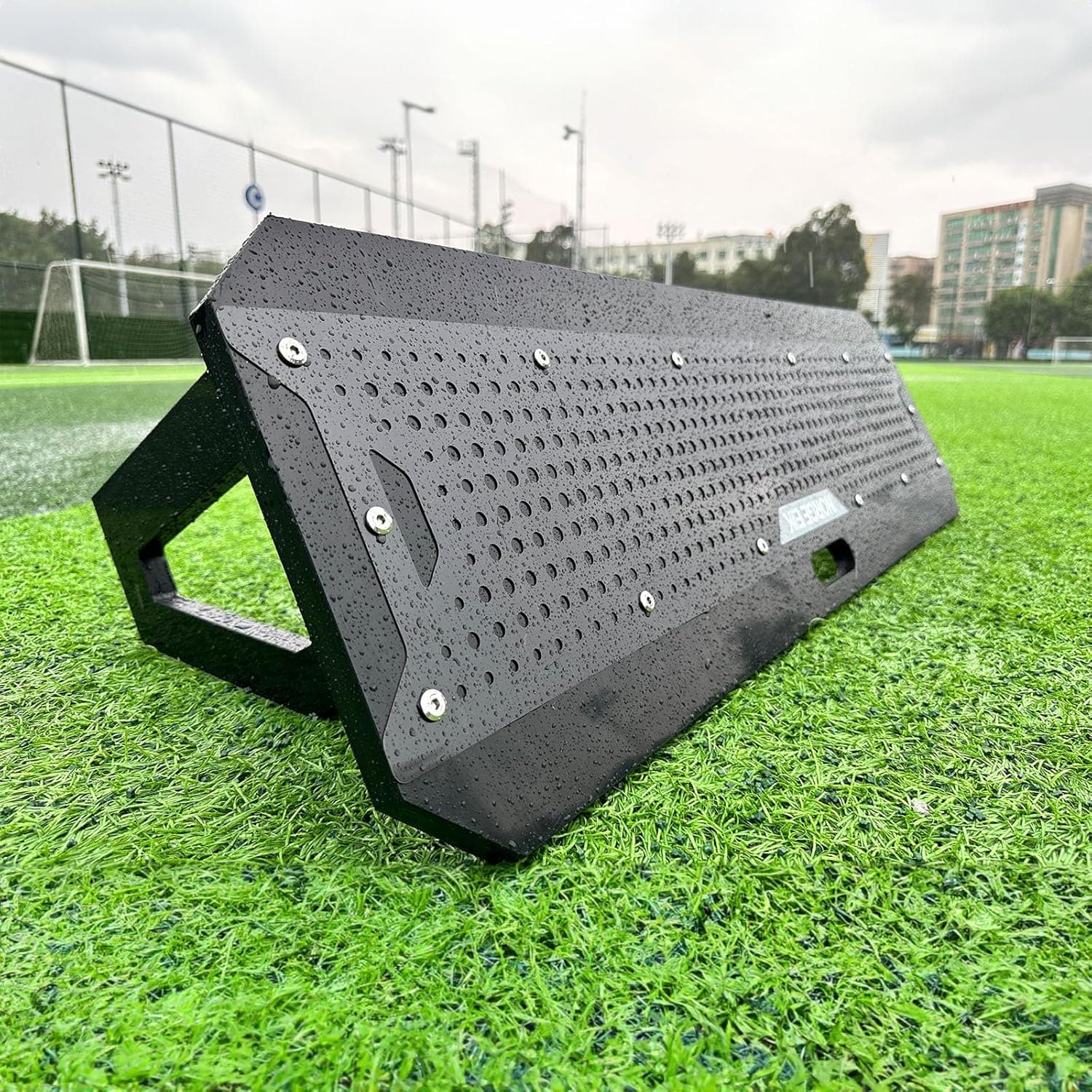
A rebounder is the best single upgrade for solo practice. It returns every pass, so players can work on first touch without a partner:
- Portable rebound net: simple and affordable
- SteelRebound with HDPE board: best budget portable rebounder
- QuickPlay REPLAY Station: the most portable rebounder
- A-Champs RebounderGo: a smart rebounder with lights and sensors
See our full list on Soccer Gear We Recommend.
As an Amazon Associate and affiliate partner, we earn from qualifying purchases.
Watch the game: pro and college soccer near RDU
One of the best ways to grow a young player's love of soccer is to watch it live. North Carolina has plenty to see.
- Right here in the Triangle: the NC Courage (NWSL) play at First Horizon Stadium at WakeMed Soccer Park in Cary, which also hosts big college events like the ACC Tournament. UNC, Duke and NC State all play top-level college soccer within 30 minutes of RDU.
- A drive away: Charlotte FC (MLS) and its MLS NEXT Pro team, Crown Legacy FC, Carolina Ascent FC (women's) and the Charlotte Independence all play in Charlotte. Carolina Core FC (MLS NEXT Pro) plays in High Point.
College and NWSL games are usually affordable, family-friendly, and a great way to show kids where the game can take them.
Which path is right for your child?
| If your child is… | Start with |
|---|---|
| 18 months to 5 and just discovering the ball | Lil' Kickers or Soccer Shots |
| 5 to 9 and new to soccer | Rec, plus indoor or futsal in winter |
| Outgrowing rec but not ready for year-round soccer | Challenge |
| Committed, competitive and loving every minute | Club tryouts (Classic and up) |
| In middle or high school | The school team, alongside Challenge or club |
Whatever level your child plays, the biggest difference-maker is what happens between practices. Kids who touch the ball at home a few times a week improve faster at every level, from rec to MLS NEXT.
That's why we built Anytime Soccer Training: follow-along drill videos your child can do in the backyard, driveway or living room, with just a ball and a few cones. It's the easiest way to help a beginner build confidence before their first season, or help a club player stay sharp all year.
Sources
Program details, ages and 2026–27 fees come from each organization's website, checked November 22, 2026. Fees and dates change, so confirm with the club before you register.
- NC Youth Soccer Association: Who We Are, Program Overview, TOPSoccer, Find My Club
- NCFC Youth: Recreation, Challenge, Classic, ECNL, National 1 League, History, La Liga Del Sol
- Triangle United, About, Futsal
- Wake FC
- Carolina Velocity FC
- Next Level Academy
- Lil' Kickers at NetSports
- Soccer Shots Raleigh-Durham
- Sofive Apex
- Bull City Futsal Academy
- Carolina Core FC and Carolina Core FC Youth: MLS NEXT
- Charlotte FC Academy
- UNC Media Hub: La Liga Del Sol
- Wake County Public Schools athletics
- Anytime Soccer Training: Soccer Gear We Recommend