
Youth Soccer Myths Debunked What Actually Matters
November 17, 2025

Youth Soccer Myths Debunked: What Actually Matters for Your Child's Development
Youth soccer is full of conventional wisdom that gets passed from parent to parent on the sidelines like gospel truth. The problem is that much of this conventional wisdom is flat-out wrong. And following bad advice can lead families to make decisions that actually harm their child's development rather than help it.
I have fallen for several of these myths myself over the years. Today, I want to debunk the most persistent and damaging myths in youth soccer and replace them with what the evidence and experienced coaches actually say matters.
Myth 1: You Need to Start Young to Be Good
The Truth: Late starters regularly catch up to and surpass early starters, especially if they train consistently and bring genuine passion to the game.
This myth causes enormous anxiety among parents who feel like their child is already behind if they did not start playing at age three. The reality is that youth soccer development research consistently shows that early specialization in soccer does not predict long-term success. Many elite professional players did not start playing organized soccer until age eight, nine, or even later.
What does matter is accumulated time with the ball and general athletic development. A child who starts soccer at eight but trains consistently at home and plays multiple sports can absolutely surpass a child who started at four but only relies on team practice for their development.
Lionel Messi started at age five, but many of his contemporaries at the highest level started much later. The common denominator among elite players is not when they started but how much quality practice they accumulated over time and the passion they brought to their training.
Myth 2: Playing on the Best Team Is the Most Important Factor
The Truth: Individual skill development matters far more than team level, especially before age 12.
Parents agonize over which team their child plays on, treating team placement as the primary driver of development. But here is what coaches at the highest levels consistently say: before puberty, individual technical development is far more important than team quality or competitive level.
A child on a less competitive team who trains at home four times a week will develop faster than a child on the top team who does nothing outside of team practice. The team provides the environment to apply skills, but the skills themselves are built primarily through individual repetition.
This is one reason I am such an advocate for home training through platforms like Anytime Soccer Training. Regardless of what team your child is on, they can accelerate their individual development through consistent practice at home. The team matters, but it is not the whole picture.
Myth 3: More Practice Is Always Better
The Truth: Quality and consistency beat volume every time. Overtraining leads to burnout and injury.
There is a persistent belief that the path to soccer excellence is paved with more hours on the field. More practices, more games, more tournaments, more camps. But the research is clear: overloading young players leads to overuse injuries, psychological burnout, and ironically, slower development.
The US Soccer Development Academy found that the most successful development programs actually reduced training volume for younger age groups compared to what many club teams demand. The emphasis should be on focused, high-quality training sessions rather than marathon practices.
For home training, this means that three 20-minute sessions of focused work will produce better results than one 90-minute grind. Short, intense, focused sessions with clear objectives are the gold standard for skill acquisition at any age.
Myth 4: Kids Should Specialize in Soccer Early
The Truth: Multi-sport athletes tend to develop better and stay in sports longer than early specializers.
The pressure to specialize in soccer year-round at younger and younger ages is one of the most harmful trends in youth sports. Research from the American Academy of Pediatrics, the Aspen Institute, and numerous sports science organizations all conclude the same thing: early specialization increases injury risk, accelerates burnout, and does not improve the odds of elite-level success.
Playing multiple sports builds a broader athletic foundation, develops different movement patterns, reduces overuse injuries, and keeps kids mentally fresh. Many professional soccer players played multiple sports growing up. The cross-training effect of other sports actually enhanced their soccer abilities.
If your child loves soccer and wants to play other sports too, encourage it rather than shutting it down in the name of soccer development. The well-rounded athlete almost always wins in the long run.
Myth 5: Position Matters at Young Ages
The Truth: Young players should play multiple positions to develop a complete understanding of the game.
I have seen parents get upset because their eight-year-old was moved from striker to defender. They worry that their child is being wasted in a less glamorous position. But at young ages, position specialization is counterproductive.
Playing different positions teaches kids to see the game from multiple perspectives. A forward who has played defender understands what defenders struggle with and can exploit it. A midfielder who has played goalkeeper understands the importance of angles and positioning. This 360-degree understanding of the game is what produces truly intelligent players.
Encourage your child to embrace every position their coach puts them in. Each one teaches something valuable that will make them a more complete player regardless of where they eventually specialize.
Myth 6: Private Training Is Essential
The Truth: Self-directed practice with good resources produces equal or better results for most players.
The private training industry has boomed in youth soccer, with families spending hundreds or thousands of dollars per month on one-on-one sessions. While a good private trainer can certainly help, the myth that it is essential for development is not supported by evidence.
What is essential is extra touches on the ball outside of team practice. Whether those touches come from private training, home training with a platform like Anytime Soccer Training, pickup games with friends, or just kicking a ball around the backyard, the ball does not know or care who is supervising the session.
For many families, the cost of private training is prohibitive. The good news is that a motivated child with access to good training resources can develop the same skills at home for a fraction of the cost. The key ingredient is not a professional trainer standing next to them. It is consistent repetition with quality instruction they can follow along with.
Myth 7: Natural Talent Determines Success
The Truth: Work ethic and environment are far stronger predictors of long-term success than early displays of talent.
This might be the most damaging myth of all. The belief that some kids are just born with it and others are not leads to premature labeling that can become self-fulfilling prophecies. Kids labeled as talented can develop fixed mindsets and stop working hard. Kids labeled as less talented can internalize that belief and give up.
The truth is that what we perceive as natural talent in young children is almost always a combination of early physical maturity, prior exposure to the ball, and a supportive environment. These factors create an initial advantage that looks like innate talent but is actually just a head start.
Long-term success in soccer is determined primarily by work ethic, love for the game, quality of training, and the support system around the player. A child with average early ability who trains consistently and passionately will almost always surpass a naturally talented child who coasts.
Myth 8: Game Results at Young Ages Predict Future Success
The Truth: The teams and players who win at U-8 or U-10 are rarely the ones who dominate at U-16 or beyond.
Parents who obsess over game results at young ages are investing emotional energy in something that has essentially zero predictive value for future success. The factors that determine who wins youth games at young ages, primarily physical size and early development, are completely different from the factors that determine success at older ages, primarily technique, tactical intelligence, and mental strength.
Focus on whether your child is developing skills, having fun, and building a love for the game. Those are the metrics that actually predict long-term outcomes.
What Actually Matters: The Short List
If the myths are wrong, what actually matters for your child's soccer development? Here is the evidence-based short list:
- Time with the ball: More quality touches equals more improvement. Period.
- Love for the game: Kids who genuinely enjoy playing will practice more and persist longer.
- Supportive environment: Parents who encourage effort, tolerate mistakes, and focus on fun create the best conditions for development.
- Consistent home training: Regular practice outside of team sessions is the biggest differentiator for individual skill development.
- Multi-sport participation: Especially before age 12, playing other sports enhances overall athletic development.
- Quality coaching: Not expensive coaching, but coaching that prioritizes development over winning and creates a positive learning environment.
- Patience: Development takes years, not weeks. Trust the process and resist the urge to evaluate progress on a week-to-week basis.
Free yourself from the myths. Focus on what actually matters. And watch your child develop into the player they are meant to be, on their own timeline, in their own way.
Gear we use for this
The kit our own players train with at home.

Adidas MLS Training Soccer Ball
View on Amazon →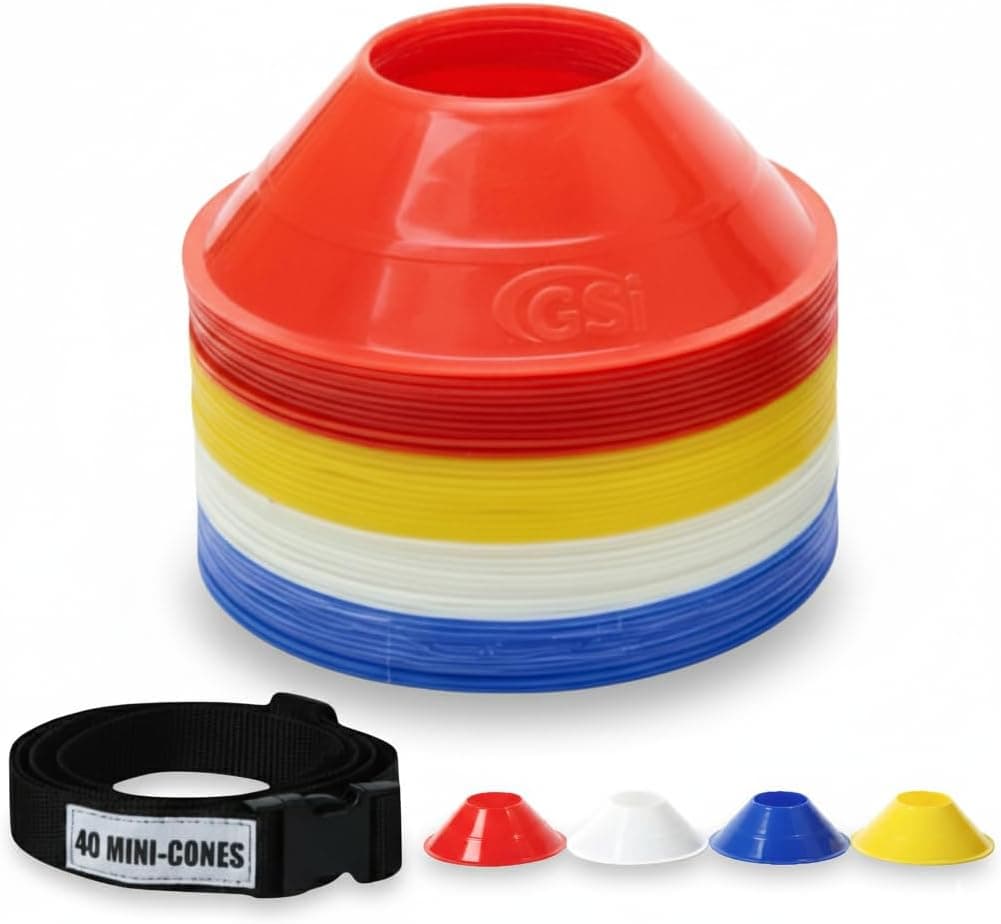
Disc Training Cones (Set of 40)
View on Amazon →
Soccer Rebounder
View on Amazon →As an Amazon Associate we earn from qualifying purchases, at no extra cost to you.