
Why Some Kids Improve Faster Than Others
November 7, 2025
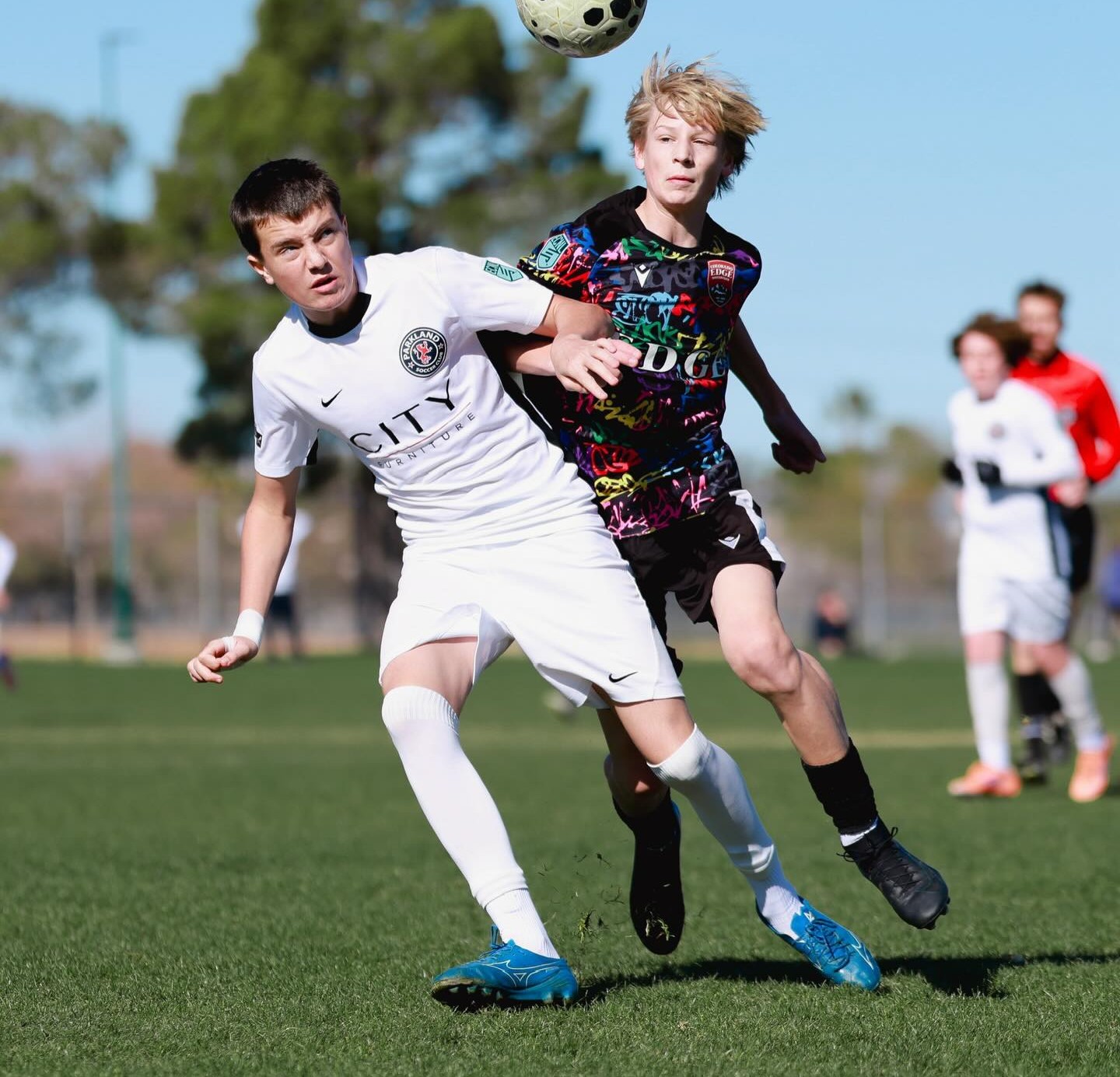
Why Some Kids Improve Faster Than Others: Understanding Development Variance
If you have spent any time around youth soccer, you have noticed it. Two kids start at the same level, join the same team, attend the same practices, and within a few months one of them has pulled noticeably ahead. It can be maddening as a parent, especially when your child is the one who seems to be progressing more slowly.
I have been there. I have watched my son's teammates seemingly leap forward overnight while he plugged away at the same skills session after session with what felt like glacial progress. It tested my patience and, honestly, my confidence as a soccer parent. But over the years I have learned that the story of youth soccer development is far more nuanced and far more encouraging than it appears on the surface.
The Myth of Linear Progress
The first thing every soccer parent needs to understand is that development is not linear. Kids do not improve in a steady, predictable upward trajectory. Progress happens in bursts and plateaus. A child might seem stuck for weeks or even months, and then suddenly something clicks and they make a visible leap forward.
This is not unique to soccer. It is how the brain learns complex motor skills. There is a period of struggle and frustration while the neural pathways are being built, and then a breakthrough when those pathways solidify. The problem is that we as parents only see the external result. We do not see the invisible wiring happening inside our child's brain during those frustrating plateau periods.
Think of it like building a house. For weeks, all you see is a hole in the ground and concrete being poured. It does not look like a house at all. But that foundation work is essential. When the framing goes up, it seems to happen overnight, but it was only possible because of all the unseen work that came before.
What Creates the Appearance of Faster Improvement
When another child seems to be improving faster than yours, several factors might be at play that have nothing to do with talent or potential:
- Physical maturity: Kids develop physically at very different rates. A child who has hit a growth spurt may suddenly look more athletic and coordinated simply because their body has matured faster. This advantage often evens out as other kids catch up physically over the following months or years.
- Prior experience: Some kids have been kicking a ball around since they could walk. Others started more recently. That accumulated time with the ball matters, but it does not determine long-term potential. A late starter who falls in love with the game can absolutely catch and surpass early starters.
- Home environment: This is a big one. Kids who have a parent, sibling, or friend to train with outside of organized practice get significantly more touches on the ball. It is not about having a professional coach at home. It is about having someone to kick the ball around with regularly.
- Personality and learning style: Some kids are naturally bold risk-takers who will try new skills in games immediately, even if they fail repeatedly. This makes their improvement more visible. Other kids are more cautious and prefer to master a skill in practice before using it in a game. Both approaches are valid, but the bold kid's improvement is more obvious to observers.
- Psychological safety: A child who feels safe to make mistakes, whether because of their personality, their coach, or their parents, will take more risks and therefore learn faster. Fear of failure is the single biggest brake on skill development.
The Tortoise and the Hare Is Real in Youth Soccer
Here is something that experienced youth coaches will tell you: the kids who look like superstars at eight or nine are not always the ones who excel at fourteen or fifteen. Early developers often coast on their physical advantages without building the technical foundation and work ethic that becomes essential as the competition levels up.
Meanwhile, the late bloomers who had to work harder, who had to compensate for being smaller or less coordinated, often develop better technique, stronger mental resilience, and a deeper understanding of the game. When their bodies catch up, they have the complete package.
I have seen this play out time and again. The kid who dominated at U-10 because he was a head taller than everyone else is struggling at U-14 because everyone has caught up physically and his technical skills are average. Meanwhile, the small, quiet kid who spent years working on his first touch and passing in the backyard is suddenly one of the best players on the team.
The Role of Deliberate Practice
Research on skill acquisition consistently shows that the quality of practice matters far more than the quantity. A child who does twenty minutes of focused, deliberate practice on a specific skill will improve faster than a child who spends an hour mindlessly kicking a ball around.
Deliberate practice has specific characteristics:
- It targets a specific skill or weakness rather than just general play
- It is challenging enough to push the player just beyond their current ability
- It involves repetition with feedback and adjustment
- It requires concentration and effort, meaning it is not easy or mindless
This is one of the reasons I recommend platforms like Anytime Soccer Training for home practice. Structured follow-along sessions provide the framework for deliberate practice that free play alone cannot offer. Your child gets specific drills targeting specific skills, demonstrated at the right level, with the right progressions built in.
What Parents Can Do to Support Development
Stop Comparing and Start Documenting
One of the best things I ever did was start keeping a simple training journal for my son. Not a detailed log of every drill, just brief notes every few weeks about what he was working on and what I noticed. Looking back over several months, the progress was obvious even though it had been invisible week to week.
Compare your child to their past self, not to their teammates. Can they juggle more times than they could three months ago? Is their weak foot more reliable? Are they more confident receiving the ball under pressure? These are the metrics that matter.
Create Opportunities for Extra Touches
The single biggest predictor of improvement rate is time spent with the ball. Not time in organized practice, but total time with a ball at their feet. Team practice typically gives each player only a few minutes of actual ball contact per session. Home training is where the real skill development happens.
Set up an environment where your child can easily train at home. Keep a ball by the back door. Set up a small goal or rebounder in the yard. Have Anytime Soccer Training bookmarked on the family tablet. Remove every possible barrier between your child and extra training time.
Protect Their Love for the Game
Above all else, protect your child's joy and enthusiasm for soccer. A child who loves the game will naturally gravitate toward more practice, more play, and more improvement. A child who feels pressured will do the minimum and eventually burn out.
When you feel the urge to compare your child's progress to another player, take a breath and remember: you are watching a marathon, not a sprint. The only thing that matters right now is whether your child is enjoying the journey and putting in genuine effort. If those two things are true, the results will come. They always do.
The Bottom Line
Development variance in youth soccer is normal, expected, and temporary. Physical maturity, prior experience, home training habits, personality, and psychological safety all contribute to the different rates of visible improvement. The parents who understand this and resist the temptation to panic when their child is not the fastest developer almost always end up with kids who go further in the sport and have a much better time along the way.
Trust the process. Invest in consistent home training. Celebrate effort over outcomes. And give your child the time and space to develop at their own pace. The breakthrough is coming. It might just be building its foundation right now where you cannot see it yet.
Gear we use for this
The kit our own players train with at home.
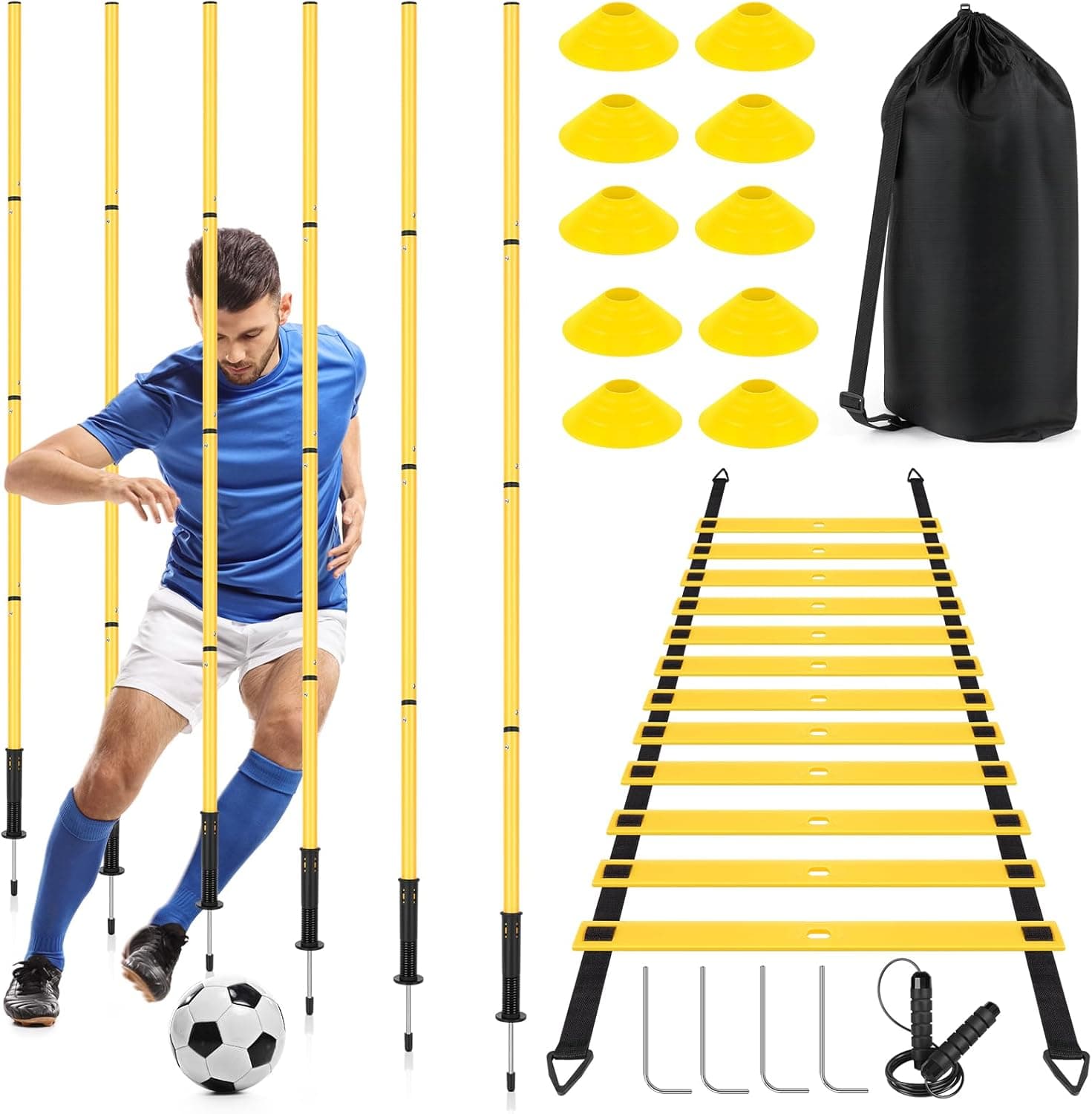
Agility Ladder Set
View on Amazon →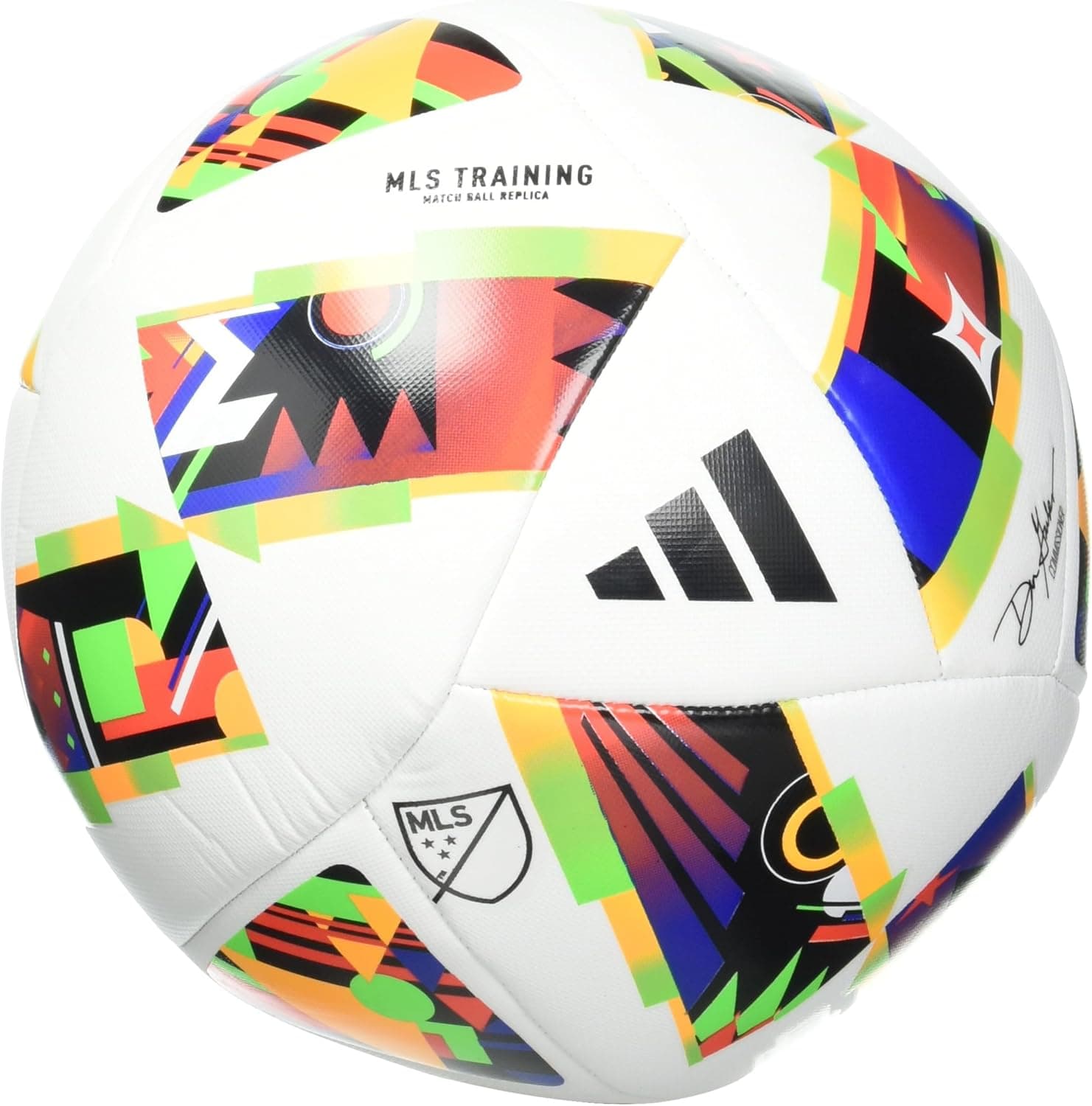
Adidas MLS Training Soccer Ball
View on Amazon →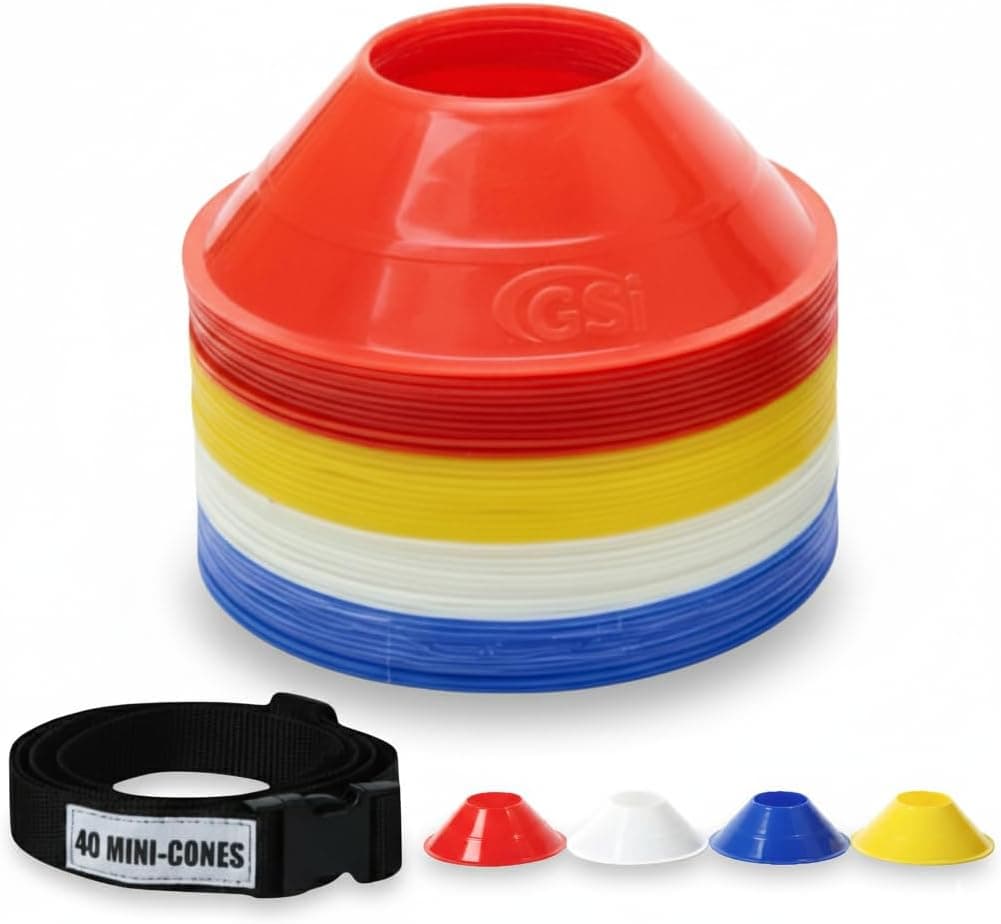
Disc Training Cones (Set of 40)
View on Amazon →As an Amazon Associate we earn from qualifying purchases, at no extra cost to you.