
When Home Training Pays Off A Parents Reflection
November 15, 2025
When Home Training Pays Off: A Parent's Long-Term Reflection
There is a moment that every soccer parent who has invested in home training eventually experiences. You might not recognize it when it happens because it does not come with fireworks or a trophy ceremony. It comes quietly, often during an ordinary game on an ordinary Saturday, and it changes everything.
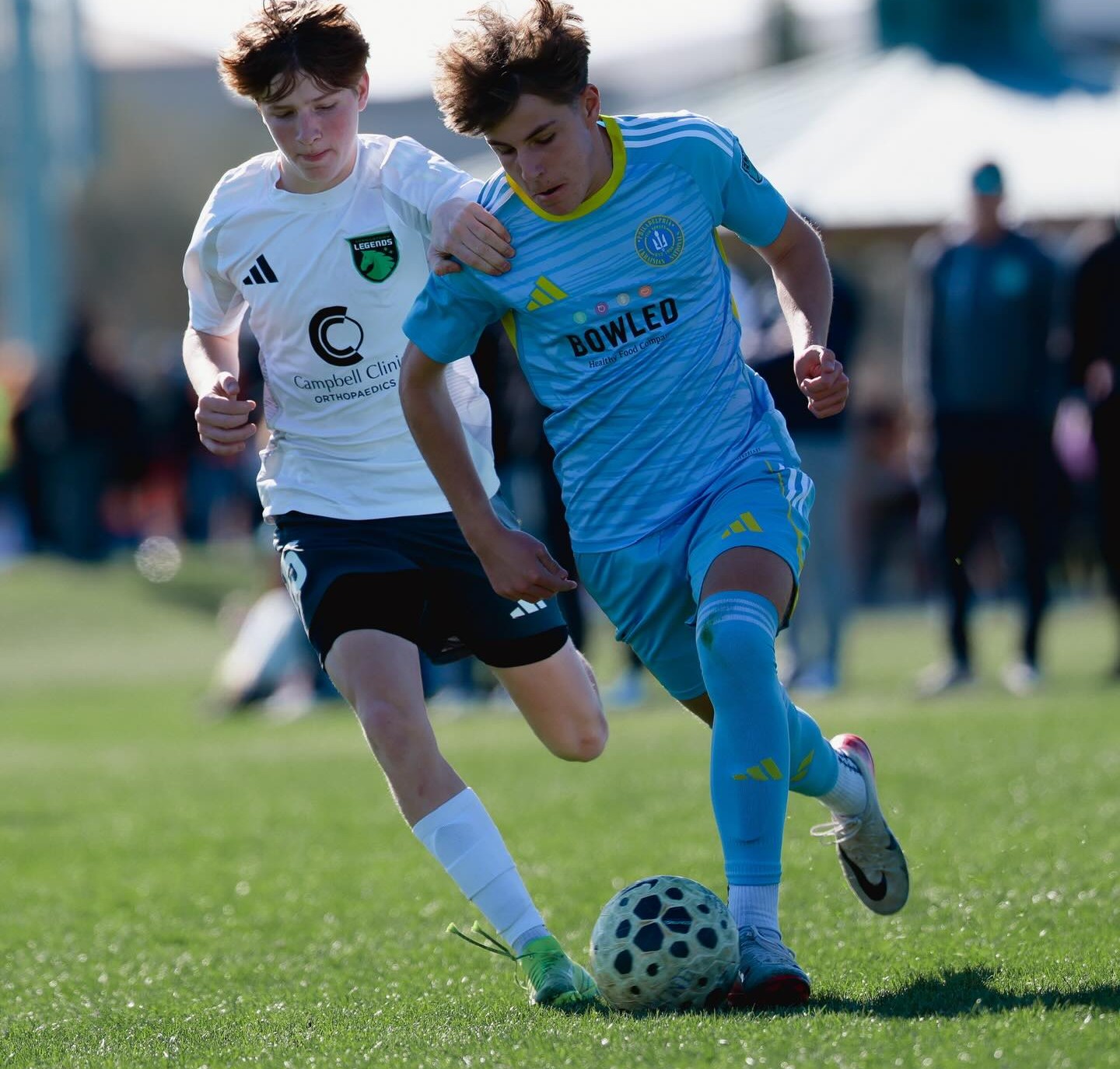
For me, that moment came during my son's U-12 fall season game. He received a pass under pressure near the touchline, turned away from the defender with a smooth Cruyff turn, accelerated into space, and delivered a perfect weighted pass to the striker who finished it. The whole sequence took maybe three seconds. Nothing extraordinary by professional standards. But I knew something the other parents on the sideline did not know.
I knew that my son had practiced that Cruyff turn roughly a thousand times in our backyard. I knew he had struggled with it for weeks, getting frustrated and wanting to give up. I knew he had worked on the weight of his passes against our garage wall until the neighbors probably thought we were trying to demolish it. I knew that three seconds of game brilliance was built on hundreds of hours of quiet, unglamorous home training.
That is the moment home training pays off. And I want to share this reflection with you because if you are in the middle of the grind right now, setting up cones after work while dinner is in the oven and your kid is dragging their feet about going outside to train, I want you to know that this investment has a return. A big one.
The Invisible Accumulation
Home training does not produce overnight results. I need to be honest about that upfront. If you start today, you will probably not see a dramatic difference in your child's game next weekend. Or even next month. This is the part that makes a lot of families quit. They try home training for two or three weeks, do not see an immediate transformation, and conclude that it does not work.
But here is what is actually happening during those seemingly unproductive weeks: your child is accumulating thousands of touches on the ball. Each touch is a tiny deposit in their development bank. Individually, each rep is insignificant. Collectively, they are transformative.
Consider the math. A typical youth soccer practice gives each player maybe 50 to 100 quality touches on the ball. In a game, depending on position and play time, they might get 20 to 40 touches. That is maybe 300 quality touches per week from team activities alone.
Now add three 20-minute home training sessions with focused drills. That is easily an additional 500 to 1,000 quality touches per week. In a month, your child has accumulated 2,000 to 4,000 more touches than their peers who only attend team practice. Over a year, that number grows to roughly 25,000 to 50,000 extra touches.
It is impossible for that volume of additional practice not to produce results. The only question is how long before the invisible accumulation becomes visible performance. In my experience, the tipping point is usually around the 60 to 90 day mark for most kids.
The Stages of Home Training Progress
Looking back over several years of training with my kids, I can identify distinct stages that we passed through. Recognizing these stages might help you calibrate your expectations and stay patient during the early phase.
Stage 1: The Struggle (Weeks 1-4)
Everything feels awkward and forced. Your child may resist the routine. The drills are challenging and results are not visible. This is the most dangerous stage because this is where most families give up. Push through it with patience and encouragement. Keep sessions short and positive.
Stage 2: The Routine (Weeks 4-8)
Training starts to feel normal. Your child stops complaining about it and may even start looking forward to certain drills. You begin to notice small improvements in training but they have not transferred to game situations yet. Stay the course.
Stage 3: The Glimpses (Weeks 8-16)
This is where it gets exciting. You start seeing flashes in games, a moment where your child does something they could not do before. A cleaner first touch here. A successful move there. A pass with their weak foot that actually reaches the target. These glimpses are evidence that the invisible accumulation is starting to manifest.
Stage 4: The Integration (Months 4-6)
Trained skills begin appearing regularly in games. Your child's confidence grows noticeably. Their coach starts commenting on improvement. Teammates start passing to them more because they trust your child's ability to handle the ball. This is the payoff stage, and it is deeply rewarding.
Stage 5: The New Normal (6+ Months)
Home training is now just part of your child's life. The skills they have developed are integrated into their game. They start to self-direct their training, choosing to work on specific weaknesses without being told. They have internalized the habit of continuous improvement.
What Nobody Tells You About the Payoff
Here is the thing that surprised me most about the long-term payoff of home training: the biggest benefits were not the ones I expected. Yes, my son became a better soccer player. His technical skills improved dramatically. He made better teams and earned more playing time. Those were the goals we started with, and they were achieved.
But the unexpected benefits were even more valuable:
- Self-discipline: My son learned that consistent effort produces results. This has transferred to his academics, his other activities, and his general approach to challenges. He does not expect instant gratification because he has experienced firsthand how mastery actually works.
- Confidence that is earned, not given: There is a profound difference between confidence that comes from parental pep talks and confidence that comes from knowing you have put in the work. My son walks onto the field with quiet confidence because he has earned it through preparation.
- Our relationship: The hundreds of hours we spent training together in the backyard created a bond that goes beyond parent and child. We have shared frustrations and breakthroughs. We have inside jokes about drill names and bad juggling attempts. We have a shared experience that connects us in a way that would not exist otherwise.
- Resilience: My son has learned that plateaus are temporary, that struggle precedes growth, and that setbacks are part of the process. He applies this understanding to everything he does.
Practical Advice for the Long Haul
If you are committed to the long-term home training journey, here are the lessons I wish someone had shared with me at the beginning:
- Keep a training log or video record. You will forget how far your child has come unless you document it. Monthly videos of the same drill are incredibly motivating when you can see the progression.
- Vary the routine enough to prevent boredom but not so much that you abandon fundamentals. Platforms like Anytime Soccer Training are great for this because they provide variety within a structured framework.
- Do not train when your child is emotionally depleted. After a tough game or a bad day at school, sometimes the best training is no training. Forcing it when they are in a negative emotional state creates bad associations.
- Celebrate milestones. First time juggling to 50. First game where they used their weak foot successfully. First time a coach or opponent compliments them. Mark these moments because they fuel continued effort.
- Be okay with imperfect consistency. You will miss sessions. Life will get in the way. Do not let a missed week turn into a missed month. Just pick it back up and keep going.
A Final Thought
I am writing this during my son's high school season, and I can trace a direct line from those early backyard sessions to the player he is today. Every team he has made, every skill he relies on, every ounce of confidence he carries onto the field was built through the quiet, consistent work of home training.
If you are early in this journey and wondering whether it is worth it, let me assure you from the other side: it is worth every minute. Not because of any particular result or achievement, but because of the person your child becomes through the process. The soccer skills are almost a bonus.
Keep showing up. Keep setting up those cones. Keep being your child's training partner and biggest fan. The payoff is coming, and when it arrives, you will know that every minute was worth it.
Gear we use for this
The kit our own players train with at home.

Adidas MLS Training Soccer Ball
View on Amazon →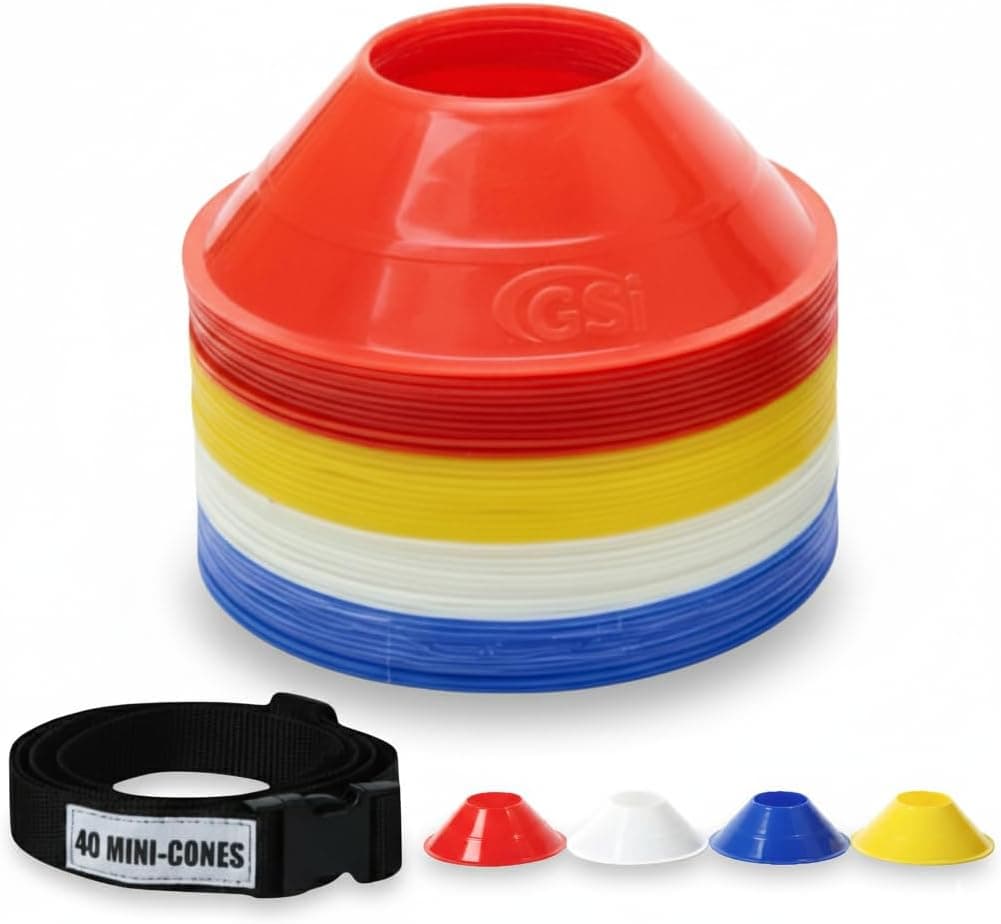
Disc Training Cones (Set of 40)
View on Amazon →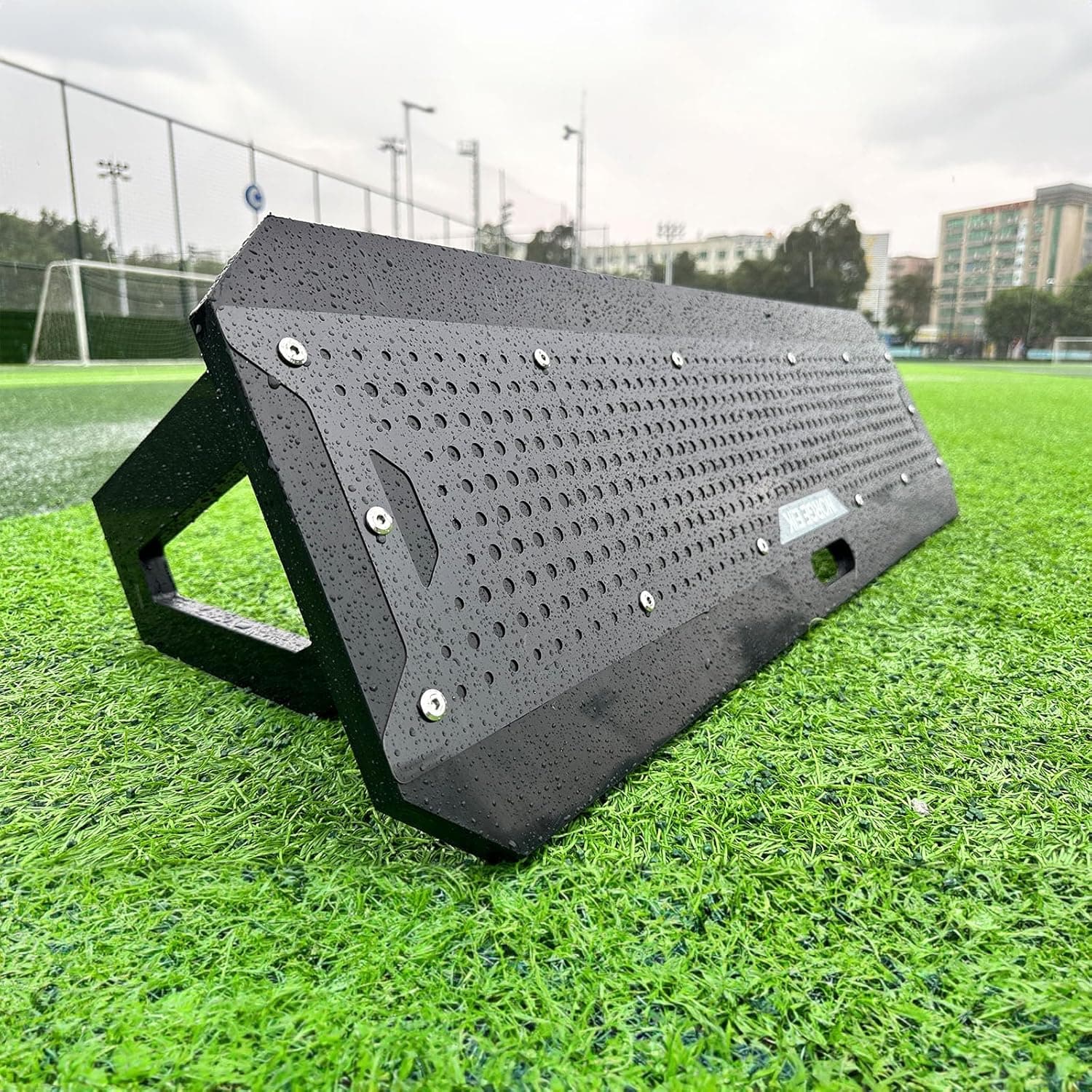
Soccer Rebounder
View on Amazon →As an Amazon Associate we earn from qualifying purchases, at no extra cost to you.