
What to Work On During the Off-Season by Age
November 3, 2025
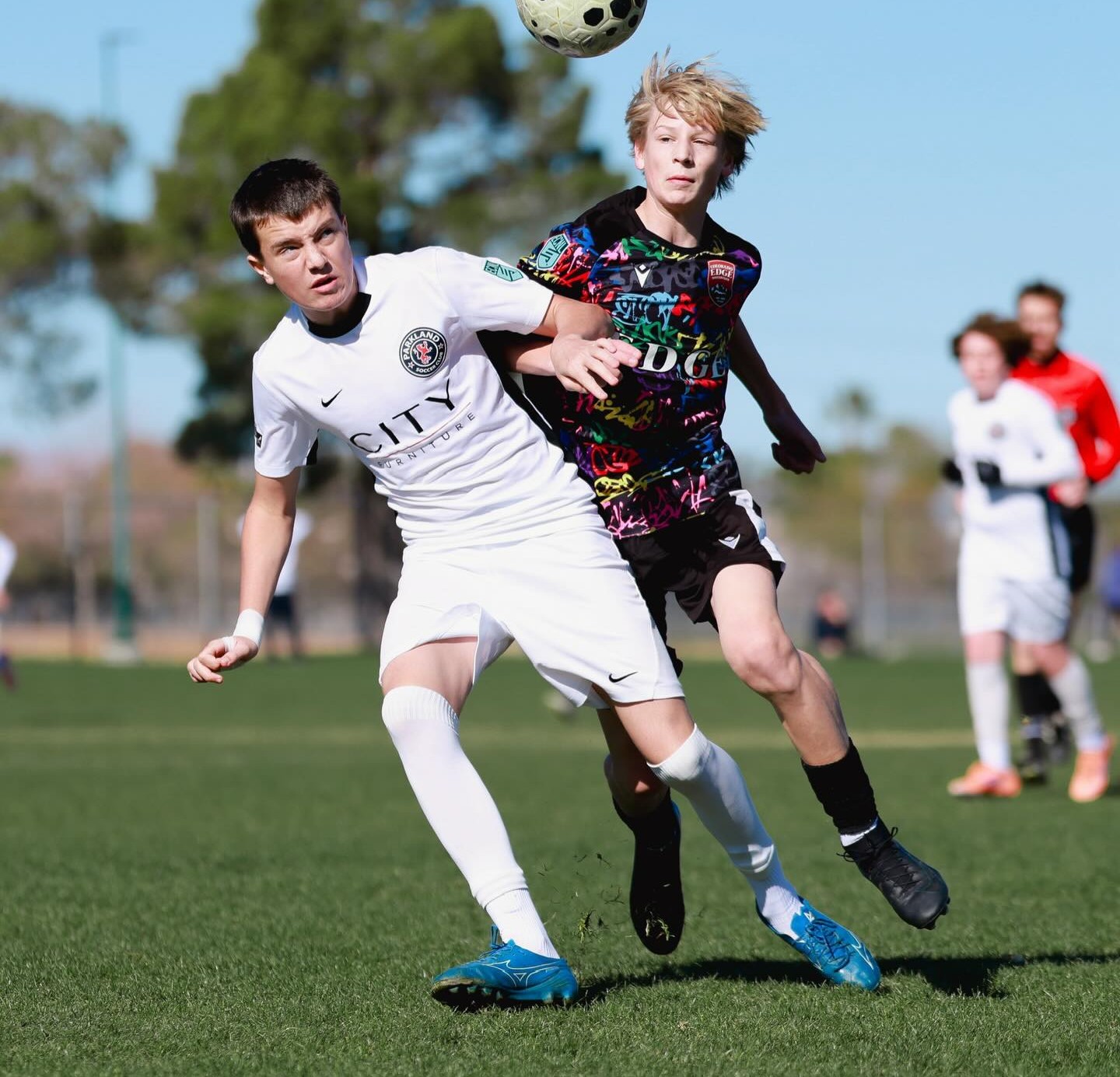
What to Work On During the Off-Season by Age: A Complete Guide
One of the most common questions I hear from soccer parents is some version of the season is over so what should my child be working on now. It is a great question, but the answer is not one-size-fits-all. What a six-year-old needs to focus on during the off-season is wildly different from what a twelve-year-old should prioritize.
After years of navigating off-seasons with my own kids and talking with coaches at every level, I have put together this age-by-age guide to help you make the most of the break without overcomplicating things or burning your child out.
Ages 4-6: The Foundation Years
Priority: General Movement and Fun
Let me be direct here. If your child is four, five, or six years old, the off-season training plan should be one word: play. I know that is not the detailed drill breakdown you might be hoping for, but it is the honest truth backed by every credible youth development expert in the world.
At this age, the most important thing is developing general athletic ability. That means running, jumping, climbing, tumbling, throwing, catching, balancing, and yes, kicking a ball around. But it should all be wrapped in the context of unstructured play.
What this looks like in practice:
- Kicking a ball back and forth in the backyard with no formal drills, just play
- Playing tag, freeze tag, or other running games that build coordination
- Playground time because climbing, swinging, and balancing builds incredible body awareness
- Swimming, tumbling, or other multi-sport activities
- Simple games like how many times can you kick the ball against the wall
If your child wants to watch a fun soccer video and try to copy what they see, great. Anytime Soccer Training has beginner-friendly content that can spark a young child's imagination. But at this age, the moment it stops being fun, stop doing it.
What to Avoid at Ages 4-6
Do not worry about weak foot development, positional understanding, tactical awareness, or any kind of structured training regimen. Their brains and bodies are not ready for it, and pushing too early will backfire. Let them fall in love with the ball and with movement. Everything else will come in time.
Ages 7-9: Building the Ball Relationship
Priority: Ball Mastery and Comfort
This is the age range where kids start to develop a genuine relationship with the soccer ball. The off-season is a golden opportunity to build what coaches call ball mastery, which is the ability to control, manipulate, and feel comfortable with the ball at their feet.
Key areas to focus on:
- Juggling: Start with one touch and a catch. Then two touches. Slowly build up. Juggling develops touch, coordination, and concentration. Set small, achievable goals that they can celebrate.
- Dribbling in tight spaces: Set up a small area in your yard or driveway with cones or shoes or water bottles and have your child practice dribbling through them at increasing speed.
- First touch: Toss the ball to your child and have them control it with different surfaces. Inside of foot, outside, thigh, chest. Make it a game by seeing if they can stop it dead without it bouncing away.
- Both feet: This is the age to start encouraging use of the non-dominant foot. It does not need to be half-and-half, but getting comfortable using both feet now pays massive dividends later.
The beauty of this age group is that they are still naturally playful, so wrapping these skills into games and challenges works perfectly. Can you beat your record? Can you dribble through the cones without knocking any over? Can you juggle more times than me?
Off-Season Schedule for Ages 7-9
Two to three short sessions per week is plenty. I am talking 15 to 20 minutes of focused ball work, ideally mixed into regular play. An Anytime Soccer Training session followed by free play in the backyard is a perfect combination at this age.
Ages 10-12: The Skill Acquisition Window
Priority: Technical Excellence and Soccer IQ
Youth development experts often refer to ages 10-12 as the golden age of skill acquisition. The brain is primed for learning complex motor skills, and kids in this age range can absorb technical training at an incredible rate. This is the off-season where you can see the most dramatic improvement if you approach it correctly.
Key areas to focus on:
- Advanced ball mastery: Moving beyond basic dribbling to include moves, feints, and changes of direction at speed. The Cruyff turn, step-overs, the pull-back, inside-outside cuts. This is the age to build a full repertoire of moves.
- Passing technique: Both short and long passing with proper technique. Work on weight of pass, accuracy, and using both feet. A wall or rebounder is your best friend here for solo training.
- Shooting technique: Proper striking mechanics with laces for power and inside of foot for placement. Work on volleys, half-volleys, and shots from different angles. Focus on technique over raw power.
- First touch under pressure: Receiving the ball while moving, turning with the ball, controlling balls from different heights and angles with both feet.
- Weak foot development: This is the critical window. Dedicated time with the non-dominant foot during every single training session will produce noticeable results within weeks.
- Watching and analyzing soccer: Start watching professional games together and discussing what players do, why they make certain runs, how they create space on the field.
Off-Season Schedule for Ages 10-12
Three to four sessions per week at 25-40 minutes each is ideal. At this age, kids can handle more structure, but variety is still important. Mix up the types of training so one day might be ball mastery, the next day passing and shooting, and another day might be watching a professional game and discussing it together.
Anytime Soccer Training is particularly valuable for this age group because the platform offers progressive skill development that matches their rapidly growing abilities. Kids can follow along with video demonstrations and progress at their own pace without the pressure of keeping up with a group.
Ages 13-15: Specialization and Physical Development
Priority: Position-Specific Skills, Fitness, and Mental Game
By thirteen, most young players are starting to identify with specific positions and are physically mature enough to handle more demanding training. The off-season becomes a strategic opportunity for targeted improvement in specific areas.
Key areas to focus on:
- Position-specific skills: A midfielder should be logging extra hours on passing range and vision. A striker should be honing finishing from different angles and distances. A defender should be working on heading, long passing, and 1v1 defending mechanics.
- Speed and agility: Age-appropriate speed work including short sprints, change of direction, and acceleration. Keep it soccer-relevant with the ball whenever possible.
- Core strength and injury prevention: Basic bodyweight exercises like planks, squats, lunges, and single-leg balance work. Nothing heavy, nothing extreme, but building a foundation of functional strength that prevents injuries.
- Mental skills: Visualization, goal-setting, positive self-talk, and dealing with pressure. These are trainable skills that are often neglected at this age but make a significant difference in performance.
- Game analysis: Watching professional players in their position, understanding tactical concepts, and developing a higher soccer IQ through deliberate observation.
Off-Season Schedule for Ages 13-15
Four to five sessions per week at 30-50 minutes each is appropriate. At this age, players can self-direct much of their training, especially with a platform like Anytime Soccer Training guiding them through structured sessions. Your role as a parent shifts from trainer to supporter, making sure they have what they need and staying encouraging without being overbearing.
Ages 16 and Up: Independent Training and High-Level Development
Priority: Refinement, Fitness, and Ownership
Older teens should be taking full ownership of their development. Your role is to support, facilitate, and encourage. The off-season at this level is about refining existing skills, maintaining and building fitness, and preparing mentally for higher-level demands.
Key areas to focus on:
- Technical refinement under fatigue: Doing technical work when physically tired to simulate real game conditions where skills break down
- Fitness maintenance or building: Aerobic base, speed endurance, and strength training which is now age-appropriate for resistance training with proper supervision
- Film study: Analyzing their own game film and professional matches to identify patterns and opportunities for improvement
- Nutrition and recovery habits: Learning to fuel properly and prioritize sleep and recovery as essential parts of their development
Universal Off-Season Principles for All Ages
Regardless of your child's age, these principles always apply:
- Start slow and build up. Do not go from zero to five sessions a week overnight. Ease into the routine.
- Fun is not optional. If your child dreads training, something is wrong with the approach and it needs to change.
- Consistency beats intensity. Four 20-minute sessions will always produce better results than one 80-minute grind.
- Multi-sport participation is beneficial especially before age 12. Playing other sports builds well-rounded athletes and prevents overuse injuries.
- Rest days matter. Growing bodies need recovery time. Build in at least two rest days per week without exception.
- Celebrate effort, not just results. Praise the process of showing up and working hard rather than just outcomes.
Making It Happen: Your Off-Season Game Plan
The off-season can feel overwhelming when you look at all the possibilities, but it does not have to be complicated. Start by identifying your child's age group priorities from the guide above. Then sit down together and create a simple, flexible plan that feels manageable and exciting rather than burdensome.
Browse through Anytime Soccer Training to find drills and sessions that match their goals and age level. The platform makes it easy to find age-appropriate content and track progress over time, which keeps kids motivated and parents informed.
Remember, the best off-season training plan is the one your child will actually follow. Keep it enjoyable, keep it manageable, and watch them come back to the next season noticeably sharper, more confident, and more excited to play the game they love.
Gear we use for this
The kit our own players train with at home.

Size One Soccer Ball
View on Amazon →
Adidas MLS Training Soccer Ball
View on Amazon →
Disc Training Cones (Set of 40)
View on Amazon →As an Amazon Associate we earn from qualifying purchases, at no extra cost to you.