
What the Research Says About Early Specialization in Soccer
February 2, 2026
What the Research Says About Early Specialization in Soccer
Should your child play only soccer, year-round, starting at age six? Many parents feel pressure to specialize early, driven by the fear that their child will fall behind if they don't commit exclusively to one sport. Club coaches encourage it. Other parents do it. The youth sports industry profits from it. But what does the actual research say?
The answer is clear, consistent, and probably not what the travel soccer industrial complex wants you to hear: early specialization in soccer is associated with higher injury rates, higher burnout rates, and no competitive advantage over athletes who diversify early and specialize later. In fact, the evidence suggests that multi-sport athletes who specialize around age 12-14 are more likely to reach elite levels than those who specialize before age 10.
Let me walk you through the research so you can make an informed decision for your family.
Defining Early Specialization
First, let's define our terms. Sports science researchers typically define early specialization as having three characteristics:
- Year-round participation in a single sport (to the exclusion of others)
- Starting before age 12
- Involving intensive, structured training (as opposed to free play)
Early specialization is different from early sampling, which means participating in multiple sports during childhood while gradually focusing on one as the athlete matures. The research overwhelmingly favors early sampling over early specialization.
The Injury Problem
The most well-documented risk of early specialization is increased injury rates, particularly overuse injuries. A landmark study published in the American Journal of Sports Medicine found that young athletes who specialized in a single sport were 70-93% more likely to suffer overuse injuries compared to multi-sport athletes.
The mechanism is straightforward. Playing one sport year-round subjects the same muscles, tendons, and joints to repetitive stress without adequate recovery or cross-training. In soccer specifically, this means increased risk of:
- Anterior knee pain and patellar tendinitis
- Ankle sprains and chronic ankle instability
- Hip flexor and groin injuries
- Stress fractures in the foot and lower leg
- ACL tears (particularly in female athletes)
Multi-sport participation provides natural cross-training that strengthens different muscle groups, develops different movement patterns, and gives overused structures time to recover. A child who plays soccer in fall and basketball in winter is developing leg strength, coordination, and agility through both sports while giving soccer-specific structures a break.
The Burnout Problem
Beyond physical injury, early specialization is strongly associated with psychological burnout. A study in the Journal of Sports Sciences found that early-specializing athletes reported higher rates of:
- Emotional and physical exhaustion
- Reduced sense of accomplishment
- Sport devaluation (losing interest in the sport)
- Complete dropout from organized sports
Remember the statistic that 70% of kids drop out of sports by age 13? Research suggests that early specialization is a significant contributing factor. When children play one sport year-round from a young age, the repetitive nature of training, the high expectations, and the loss of variety and play combine to drain their motivation.
This aligns with what we know about child psychology. Children thrive with variety, autonomy, and play. Early specialization often provides the opposite: repetition, adult-imposed structure, and work. It's not surprising that many early-specialized athletes end up hating the sport their parents hoped they'd love.
The Performance Myth
The most persistent argument for early specialization is the belief that it leads to better performance. "If my child doesn't specialize by age eight, they'll be left behind." The research directly contradicts this belief.
A comprehensive review published in the British Journal of Sports Medicine examined the developmental histories of elite athletes across multiple sports. The findings were striking:
- Elite athletes were more likely to have participated in multiple sports during childhood than their less-successful peers.
- Early diversification was associated with longer and more successful careers at the elite level.
- There was no evidence that early specialization provided a competitive advantage by the time athletes reached adulthood.
In soccer specifically, a study of German Bundesliga players found that those who reached the professional level had participated in an average of 2-3 other sports during childhood. They specialized in soccer around age 12-14, not age 6-8. The players who specialized earliest were not the ones who made it to the top — they were the ones most likely to drop out along the way.
What About the "10,000 Hours" Argument?
Many proponents of early specialization cite Malcolm Gladwell's popularization of the "10,000-hour rule" — the idea that it takes approximately 10,000 hours of deliberate practice to achieve expertise. The logic goes: if you need 10,000 hours, you'd better start early and focus exclusively on one sport.
There are several problems with this argument:
- The original research (by K. Anders Ericsson) has been widely misinterpreted. Ericsson himself has stated that 10,000 hours is an average, not a threshold, and that the quality and type of practice matter more than raw hours.
- Hours in related activities transfer. A child who plays basketball, tennis, and soccer is developing coordination, spatial awareness, decision-making, and athletic movement that all transfer to soccer. These aren't wasted hours — they're complementary development.
- Burnout makes hours irrelevant. A child who specializes at age six and quits at age twelve has accumulated far fewer hours than a child who diversifies until age twelve and then plays soccer passionately through college. Sustained engagement beats early accumulation.
What Does Best Practice Look Like?
Based on the research, here's what the evidence supports:
- Ages 6-9 (Sampling phase): Play multiple sports. Keep soccer fun and play-based. Minimize structured, intense training. Prioritize free play, physical literacy, and enjoyment. It's fine to play soccer during this phase — just don't play only soccer.
- Ages 10-12 (Specializing phase): Gradually increase soccer focus while maintaining at least one other sport or physical activity. Start introducing more structured training, but keep the fun-to-work ratio high. This is the age range where supplemental home training (through platforms like Anytime Soccer Training) becomes particularly valuable — it provides structured skill development without requiring the child to drop other activities.
- Ages 13+ (Investment phase): For kids who have chosen soccer as their primary sport, this is when full commitment is appropriate. Increase training volume and intensity. Focus on tactical development, physical conditioning, and competitive experience. Even at this stage, maintaining some physical variety (gym work, other recreational sports) supports injury prevention and overall athletic development.
The Role of Home Training in a Multi-Sport Approach
One of the challenges of the multi-sport approach is that parents worry their child won't develop soccer skills fast enough if they're also playing other sports. This is where home training provides a perfect solution.
A child who plays rec soccer in fall, basketball in winter, and baseball in spring can still develop excellent soccer skills through short, daily home training sessions year-round. Fifteen minutes of structured ball work per day — using a platform like Anytime Soccer Training — provides enough volume to build and maintain technical skills without requiring year-round organized soccer participation.
This is the best of both worlds: the physical literacy, injury prevention, and burnout resistance of multi-sport participation, combined with the skill development benefits of consistent soccer-specific training. The research supports this approach overwhelmingly.
What to Tell the Coach Who Says "Your Child Needs to Commit"
Some club coaches will pressure families to play soccer year-round and skip other sports. How should you respond?
First, understand their perspective. Coaches have team goals, and they want their players available and improving. Their advice isn't necessarily malicious — it's just narrow.
A respectful but firm response might be: "We value our child's soccer development and are committed to home training year-round to continue skill development. We also believe in the research showing that multi-sport participation at this age supports long-term athletic development and injury prevention. We'd love to discuss how to maximize their soccer growth while maintaining a balanced approach."
Any coach worth playing for will respect this position. If a coach demands single-sport commitment from a child under 12 and isn't willing to discuss the evidence, that's a red flag about the program's priorities.
The Bottom Line
The research is clear: early specialization in soccer does not produce better players. It produces more injured players, more burned-out players, and more players who quit the sport entirely. The athletes who reach the highest levels are overwhelmingly those who diversified early and specialized later.
If your child loves soccer and wants to be great at it, the best thing you can do is let them play multiple sports when they're young while supplementing with consistent home soccer training. Protect their bodies from overuse, protect their minds from burnout, and protect their love of the game by keeping it fun and varied.
The evidence is on your side. Trust the research, not the pressure.
Gear we use for this
The kit our own players train with at home.

Adidas MLS Training Soccer Ball
View on Amazon →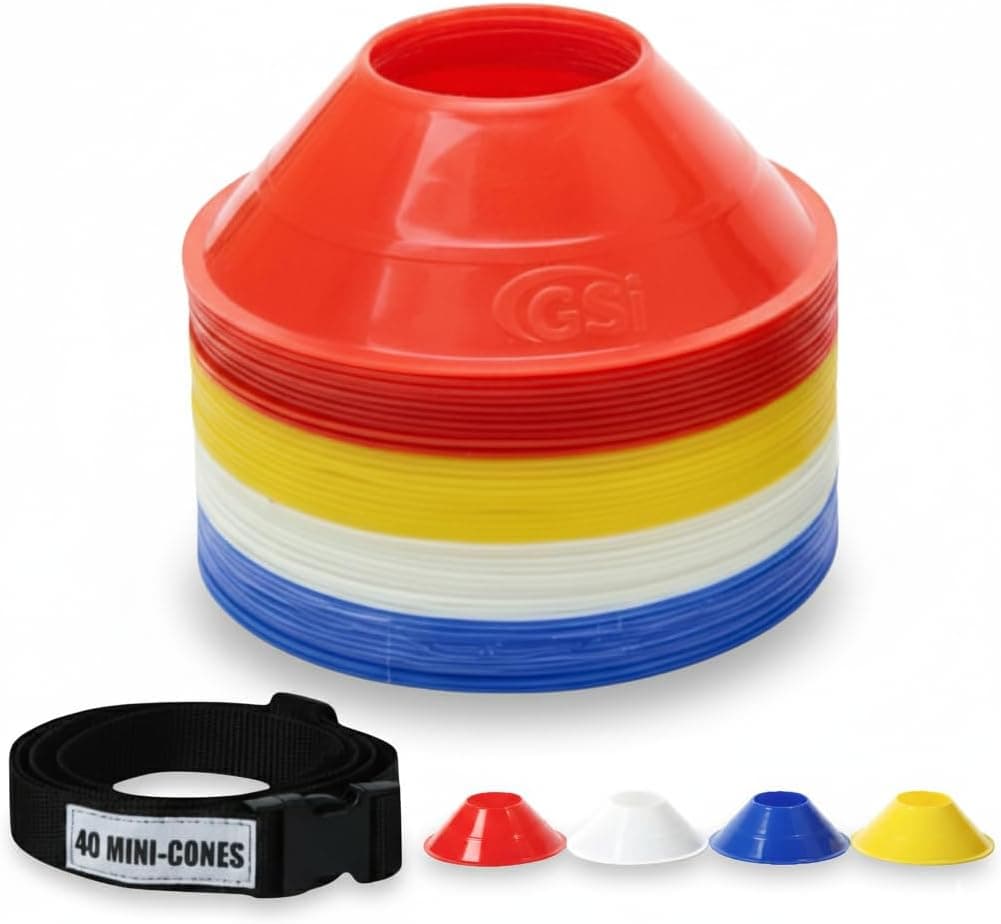
Disc Training Cones (Set of 40)
View on Amazon →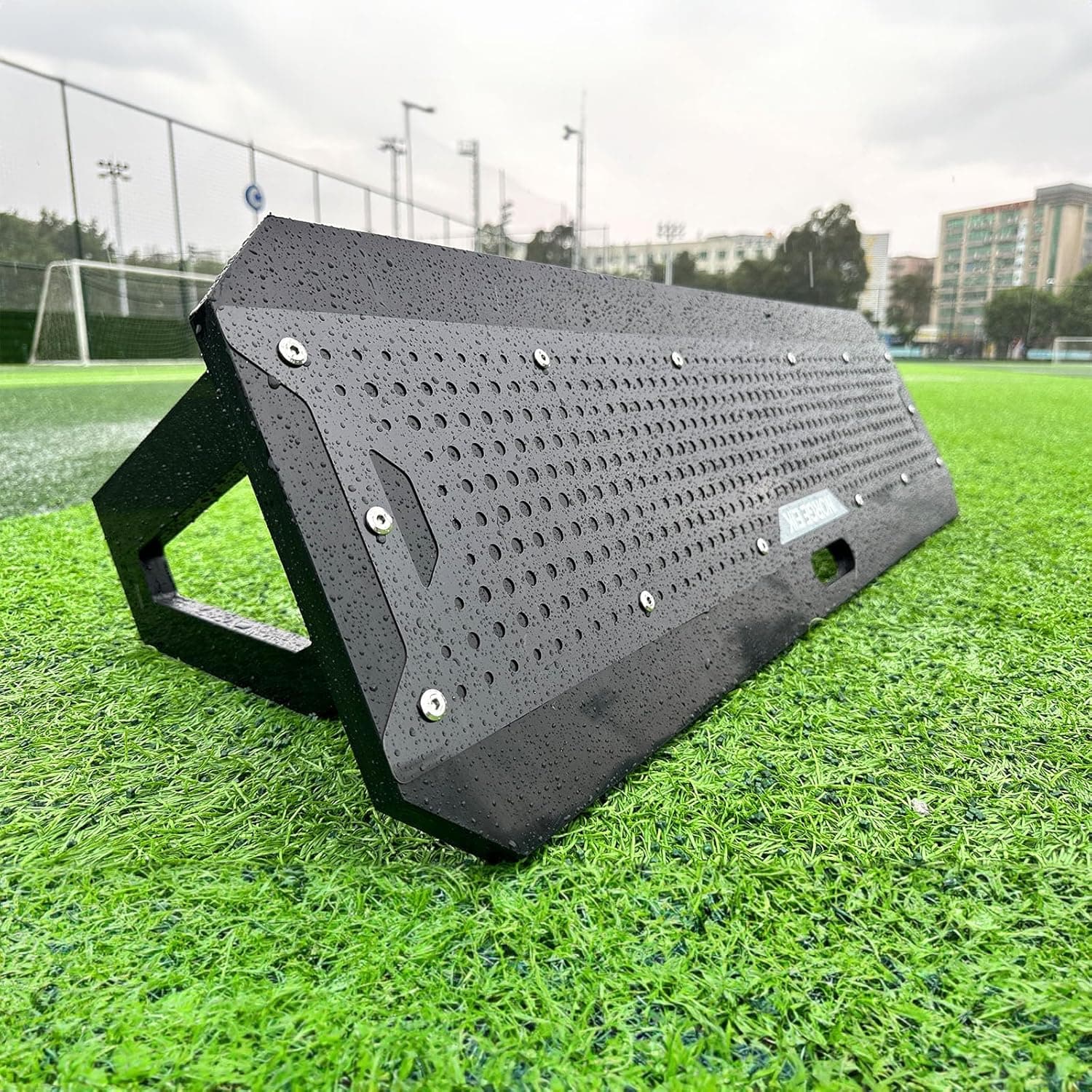
Soccer Rebounder
View on Amazon →As an Amazon Associate we earn from qualifying purchases, at no extra cost to you.