
What Professional Players Did at Home as Kids
February 10, 2026
What Professional Players Did at Home as Kids
Every parent of a young soccer player has wondered: what did the great players do when they were my child's age? Were they in elite academies from age four? Did they have personal coaches and sports scientists? Were they born with gifts that no amount of training can replicate?
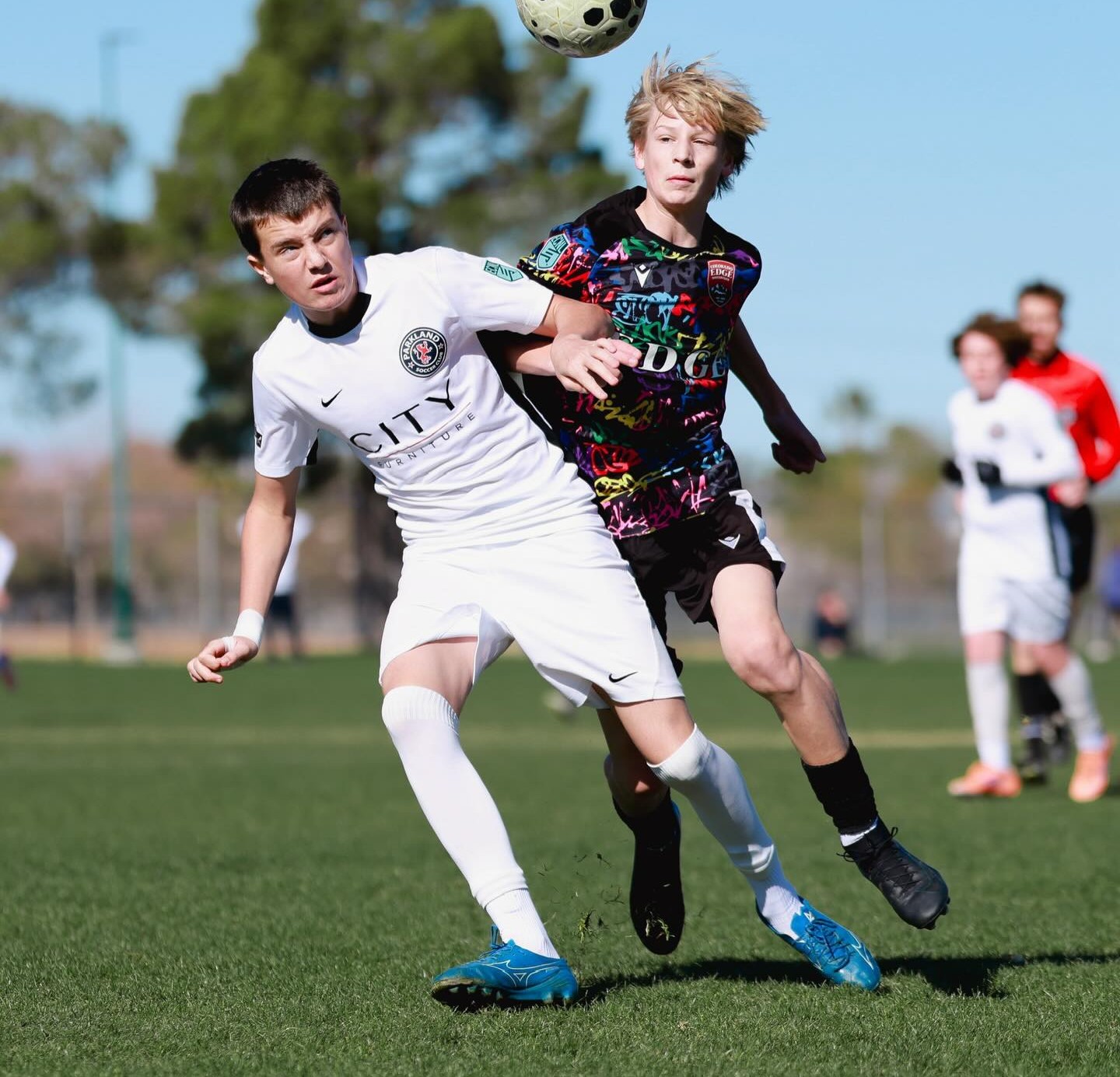
The answers, when you dig into the biographies and interviews of professional soccer players, are consistently surprising. The vast majority of today's top players didn't have access to elite resources as children. What they had was a ball, space to play, and an obsession with touching the ball as much as possible. Their "training" looked a lot less like a structured academy session and a lot more like a kid in a backyard, garage, or street, playing with a ball for hours on end.
Here's what the research and the players themselves tell us about how they developed their skills at home.
Lionel Messi: The Backyard Obsessive
Messi grew up in Rosario, Argentina, in a modest neighborhood where he played street soccer with his older brothers and neighborhood kids from the moment he could walk. By all accounts, young Leo was not the best athlete on the block — he was the smallest, the slowest, and the most physically fragile (later diagnosed with a growth hormone deficiency). What set him apart was his relationship with the ball.
His grandmother, who first took him to a local club, described him as a child who simply could not be separated from a soccer ball. He dribbled in the house, in the yard, in the street, on the way to school. His first touches weren't taught by a coach — they were developed through thousands of hours of unstructured play with a ball at his feet.
The lesson: volume of ball contact matters more than the quality of facilities. Messi didn't have a state-of-the-art training center as a child. He had a ball and an obsessive desire to touch it.
Cristiano Ronaldo: The Self-Made Worker
Ronaldo's story is one of relentless self-improvement. Growing up on the island of Madeira, Portugal, in difficult economic circumstances, he didn't have access to fancy equipment or elite coaching. What he had was an extraordinary work ethic and a competitive fire that burned even as a young child.
By his own account, Ronaldo would practice skills alone for hours — juggling, dribbling around obstacles, shooting against walls. He was known at his local club for staying after practice to work on his own while other kids went home. When he arrived at Sporting Lisbon's academy at age twelve, his raw talent was evident, but what impressed the coaches most was his dedication to self-improvement.
The lesson: individual work ethic, developed at home, is what separates good players from great ones. The academy refined Ronaldo's skills, but the foundation was built through countless hours of solitary practice.
Neymar: Futsal in the Living Room
Neymar learned to play soccer not on a full-size field but in the cramped futsal courts of Sao Paulo, Brazil. Futsal — the small-sided, indoor version of soccer — is widely credited as the foundation for the technical brilliance of Brazilian players. The small ball, small court, and constant pressure force players to develop extraordinary close control, quick decision-making, and creative problem-solving.
Neymar's father, a former footballer himself, encouraged young Neymar to play futsal constantly. They would practice in their small apartment, with furniture serving as obstacles. The confined space forced Neymar to develop the tight dribbling and quick feet that would eventually make him one of the most exciting players in the world.
The lesson: small spaces produce great technicians. You don't need a full field to develop world-class skills. A living room, garage, or small backyard can be just as effective — sometimes more effective — because the confined space demands close control and quick thinking.
Megan Rapinoe: Multi-Sport Play and Backyard Battles
Rapinoe grew up in Redding, California, playing soccer with her twin sister Rachael and a group of neighborhood kids. She also played basketball and ran track. Her development wasn't the product of a single-sport, year-round soccer program — it was the product of diverse physical experiences and intense backyard competition.
In interviews, Rapinoe has credited her twin sister and their competitive relationship with driving her development. They pushed each other in every sport, every game, and every backyard competition. The emotional intensity of sibling rivalry created a competitive environment that no structured program could replicate.
The lesson: multi-sport participation and competitive play with siblings or peers develops the competitive fire and athletic versatility that serves players at the highest level.
Kylian Mbappe: Structured Home Training
Mbappe represents a more modern development path. His father, Wilfried, was a football coach, and his mother was a handball player. From a young age, Mbappe had access to structured training at home, guided by a parent who understood athletic development.
But even with a coach as a father, the key to Mbappe's development wasn't structured drills — it was play. His father reportedly spent more time playing with young Kylian than coaching him. They played 1v1 in the yard, raced against each other, and made training fun. The structured technical work happened, but it was always embedded in a playful, competitive context.
The lesson: even when parents have coaching knowledge, the most effective approach is to make training feel like play. The relationship should be parent-child first, coach-player a distant second.
Common Themes Across Pro Players' Childhoods
Looking across the development stories of professional players, several consistent themes emerge:
- Massive ball contact hours. Every elite player spent extraordinary amounts of time with a ball at their feet as a child. Not in structured practice — in free play, in their homes, in the street, wherever they could find space. The common thread is volume of touches, not quality of instruction.
- Small-space play. Whether it was Brazilian futsal courts, Dutch street soccer, or Argentine backyard games, many top players developed in confined spaces that demanded close control and quick thinking.
- Self-directed practice. Most pro players describe childhood practice that was self-motivated and self-directed. They weren't told to practice — they chose to because they loved having the ball at their feet.
- Competitive play with older or better players. Playing against older siblings, older neighborhood kids, or more skilled peers pushed young players beyond their comfort zone and accelerated development.
- Multi-sport participation. The majority of elite soccer players played other sports during childhood. The cross-training developed athletic versatility and prevented burnout.
- Parental support, not parental pressure. The parents of professional players generally provided opportunities, encouragement, and resources — but not pressure. They let the child's love of the game drive the process.
Applying These Lessons Today
You don't need to raise the next Messi to benefit from these insights. The principles that shaped professional players' development apply to every young soccer player. Here's how to apply them in your family:
- Prioritize ball contact time. The single most impactful thing you can do for your child's soccer development is increase the time they spend with a ball at their feet. Daily home training — even just 10-15 minutes — dramatically increases ball contact beyond what team practice provides. Platforms like Anytime Soccer Training make this easy by providing guided sessions your child can follow independently.
- Use small spaces intentionally. Don't lament the fact that you don't have a full-size field in your backyard. A garage, hallway, or small patch of grass is perfect for developing the close control that matters most. The pros developed in small spaces — your child can too.
- Let them play. Not every soccer interaction needs to be structured training. Encourage unstructured play with friends, siblings, or even alone. Some of the most valuable skill development happens when a child is just messing around with a ball.
- Provide competition. Play 1v1 with your child. Encourage them to play with older kids. Create competitive challenges (juggling records, dribbling races) that push them to improve. Competition is a development accelerator.
- Support multiple sports. Don't restrict your child to soccer-only, especially before age 12. The pros were multi-sport athletes. Your child should be too.
- Keep it fun. Every single professional player describes their childhood soccer experience as fun. Not grueling. Not stressful. Fun. If your child loves playing soccer, they'll practice it obsessively. If they don't love it, no amount of parental pushing will produce a professional player.
The Real Secret
Here's the truth that the youth soccer industry doesn't want you to know: the development of professional players had very little to do with expensive programs, elite academies, or high-tech training tools. It had everything to do with a child who loved having a ball at their feet and had the time, space, and encouragement to pursue that love.
You can provide exactly the same environment. A ball. A small space. A few minutes each day. A structured program like Anytime Soccer Training to guide the skill development. And most importantly, the freedom to play, make mistakes, experiment, and fall in love with the beautiful game.
That's what the pros did as kids. And it's exactly what your child can do today.
Gear we use for this
The kit our own players train with at home.
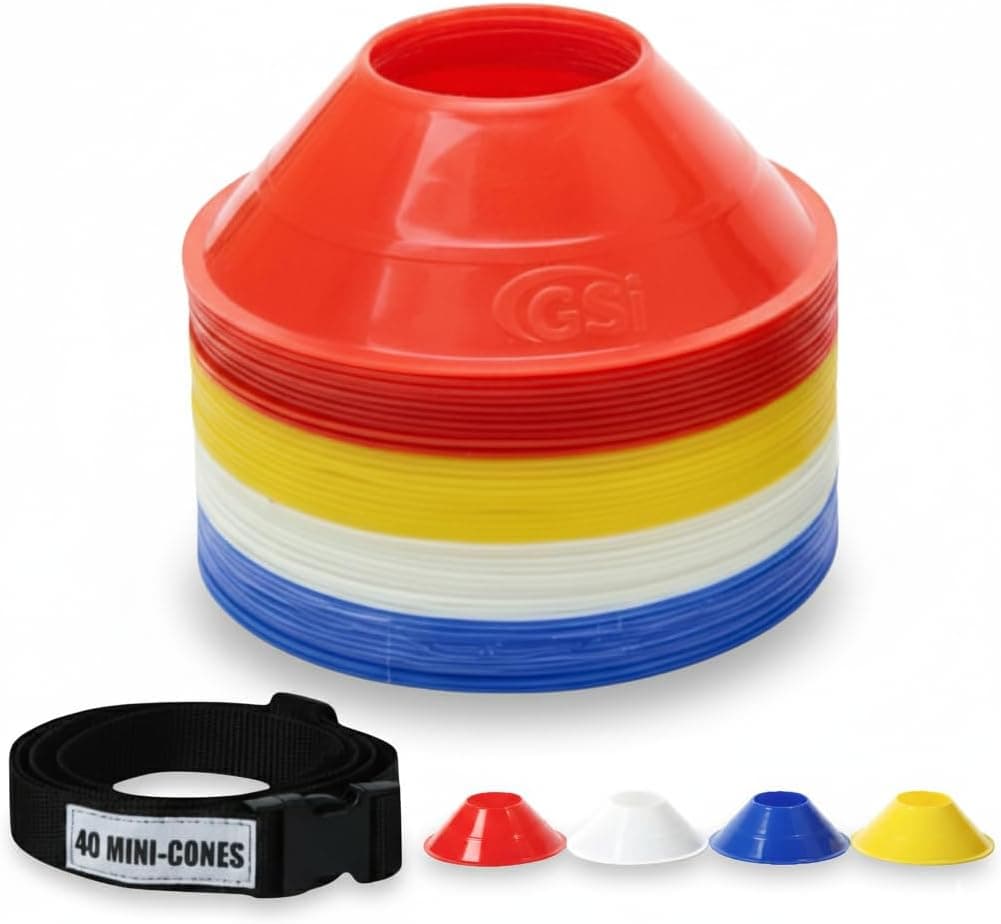
Disc Training Cones (Set of 40)
View on Amazon →
Adidas MLS Training Soccer Ball
View on Amazon →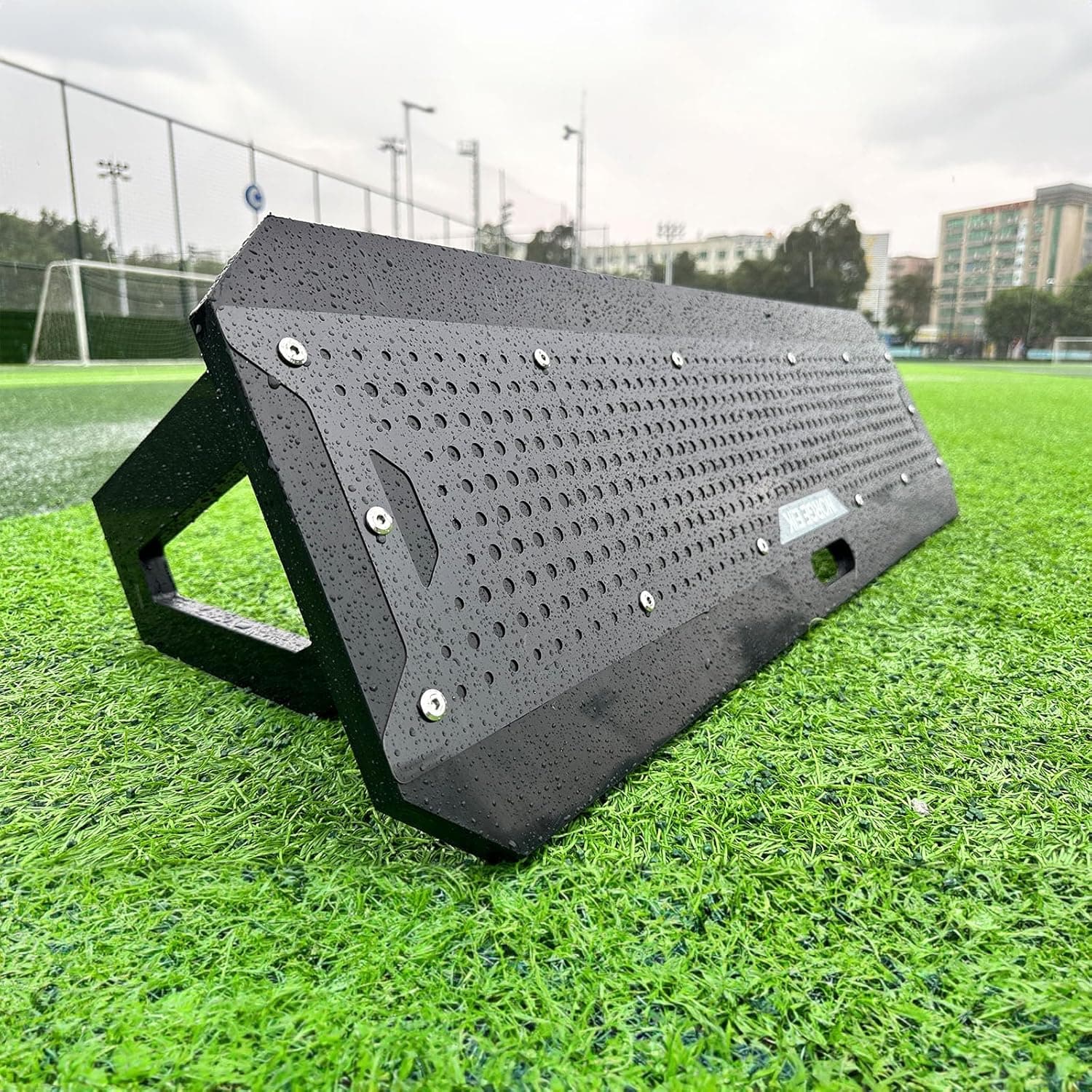
Soccer Rebounder
View on Amazon →As an Amazon Associate we earn from qualifying purchases, at no extra cost to you.