
What My Son Taught Me About Resilience
December 1, 2025
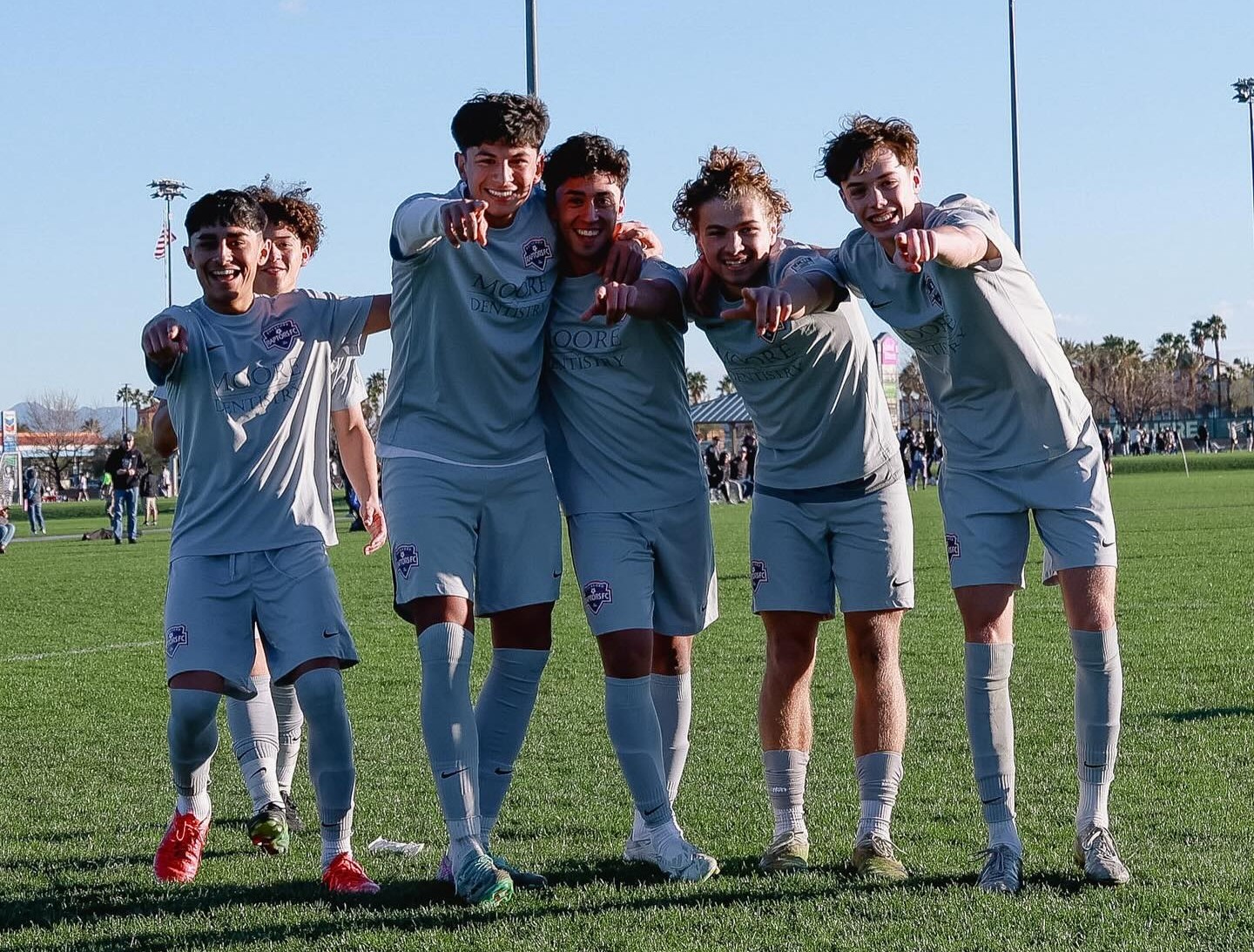
What My Son Taught Me About Resilience Through Soccer
We often think that as parents, we are the ones teaching our children life lessons through sports. We sign them up for soccer to learn teamwork, discipline, and perseverance. We stand on the sideline congratulating ourselves for providing these character-building opportunities. But if you are paying attention, really paying attention, you will find that your kids are teaching you just as much as you are teaching them.
My son taught me the real meaning of resilience, and he did it not through some dramatic comeback story but through the quiet, unglamorous act of showing up day after day to work on something he was not naturally good at. This is that story.
The Starting Point
My son started soccer at age seven, which is later than many kids in our competitive suburban community. From day one, he was behind. The other kids on his recreational team had been playing since they were four or five. They could dribble. They could pass with intention. Some of them could even juggle a few times. My son could barely kick the ball in the direction he intended.
The first season was rough. He spent most games chasing the play, arriving a step too late, losing the ball on every touch. He was not the worst kid on the team, but he was close. I could see the frustration building, especially after games where a teammate or opponent did something impressive and he knew he could not replicate it.
After one particularly lopsided loss where he had not touched the ball meaningfully for almost the entire game, he sat in the back seat of the car and said something that broke my heart: Dad, I do not think I am a soccer kid.
The Decision to Train at Home
I could have accepted his assessment. I could have steered him toward a different activity. Part of me considered it. But there was something in his eyes that told me this was not a kid who did not care about soccer. This was a kid who cared deeply and was devastated by the gap between where he was and where he wanted to be.
So I made a proposal. I said: What if we work on it together at home? Just you and me. No pressure, no one watching. We can start really simple and see what happens.
He was skeptical but agreed to try. We started with just ten minutes a day, three days a week, in the backyard after dinner. The drills were basic: dribbling around cones, passing against the garage wall, trying to juggle without getting frustrated. We found Anytime Soccer Training and started following along with their beginner sessions, which gave us structure without me having to pretend I knew what I was doing.
The First Month: Nothing Changes
Let me be honest. For the first month, there was no visible improvement in games. My son was still behind his peers. He still lost the ball under pressure. He still struggled with basic skills that other kids seemed to do effortlessly. If I had been looking for quick results, I would have been deeply disappointed.
But something else was happening. Something I did not fully appreciate at the time but now recognize as the foundation of everything that came after. My son was building the habit of showing up even when results were not there. He was learning that growth does not happen on your timeline. He was developing the ability to tolerate frustration and keep working anyway.
There were nights when he did not want to go outside. There were drills that made him angry because he could not get them. There were moments where he looked at me with genuine confusion and asked why he was not getting better yet. And each time, we adjusted. We shortened the session if he was struggling. We switched to something fun if frustration was too high. But we showed up.
The Slow Turn
Around month three, the first signs of progress appeared. Not in games, but in training. He could juggle to ten without dropping the ball. His cone weave was smoother. His wall passes had actual rhythm to them. These were small victories, invisible to anyone who was not watching closely, but they were real.
What struck me was his reaction. I expected excitement, and there was some. But mostly there was quiet satisfaction. A nod. A small smile. Sometimes a casual mention at dinner that he had beaten his juggling record. He was not celebrating because someone told him to. He was recognizing his own growth and drawing strength from it.
By month five, things started showing up in games. His first touch improved noticeably. He could receive the ball and actually do something with it instead of panicking. He attempted a step-over in a game for the first time. It did not work, but he tried. The kid who had called himself not a soccer kid was trying 1v1 moves in a competitive game. That was everything.
What He Taught Me About Resilience
Watching my son's journey taught me several things about resilience that I thought I understood but actually did not.
Resilience Is Not About Ignoring Pain
My son felt every frustration fully. He did not mask his emotions or pretend things were fine when they were not. He got angry at dropped juggles. He got sad after bad games. He cried when he was cut from a team he wanted to make. Resilience did not mean he stopped feeling those things. It meant he felt them and then got back to work. That distinction matters enormously.
Resilience Is Built in Small Moments
I used to think resilience was forged in dramatic crucibles, the big losses, the major setbacks. And those moments do contribute. But the real building blocks of my son's resilience were the hundreds of small moments where he chose to keep going. Every time he dropped the ball while juggling and picked it up again. Every time he had a bad training session and came back the next day. Every time he could have quit and did not. Each of those small choices was a rep in the gym of resilience.
Resilience Requires a Safe Environment
My son could not have developed this resilience on his own. He needed an environment where it was safe to struggle, safe to fail, and safe to express frustration without judgment. At home, in our backyard, with a follow-along video from Anytime Soccer Training and a dad who was cheering him on rather than evaluating him, he had that safety. If I had been standing over him with a clipboard tracking every mistake, the outcome would have been very different.
Resilience Transfers to Everything
The most remarkable thing about the resilience my son built through soccer training is how it has shown up in other areas of his life. When he struggled with a subject in school, his approach was familiar: identify the problem, work on it consistently, tolerate frustration, trust the process. When he faced a social challenge, he did not crumble. He processed, adjusted, and moved forward.
The backyard soccer sessions gave him a framework for dealing with difficulty that has nothing to do with soccer and everything to do with life.
Where He Is Now
My son is fourteen now. He plays on a competitive club team. He is not the best player on the team, probably never will be, and that is completely fine. What he is, is a relentless worker. A kid who out-trains his teammates. A player coaches love having on the roster because they know he will never stop competing, never stop improving, and never take a day off.
His juggling record is over 500. His weak foot is nearly as reliable as his dominant foot. His first touch is one of the best on his team. None of this was inevitable. All of it was earned through years of consistent, patient home training that started when he was seven years old and felt like he was not a soccer kid.
What This Means for Your Family
If your child is struggling right now, if they feel behind, if they are frustrated by the gap between where they are and where they want to be, I want you to hear this: that struggle is not a sign that they should quit. It is the fertile ground where resilience grows.
Your job is to create the conditions where resilience can develop:
- Provide consistent, low-pressure training opportunities at home
- Be a partner in the process, not an evaluator
- Celebrate effort and persistence, not just results
- Let them feel their frustration without trying to fix it or minimize it
- Model the same resilience in your own life that you want to see in theirs
Start small. Fifteen minutes in the backyard. A follow-along session on Anytime Soccer Training. A simple commitment to show up and try, even when it is hard. That is all it takes to plant the seeds of resilience that will grow into something far more valuable than any soccer trophy.
My son taught me that. And I will be grateful for that lesson for the rest of my life.
Gear we use for this
The kit our own players train with at home.

Adidas MLS Training Soccer Ball
View on Amazon →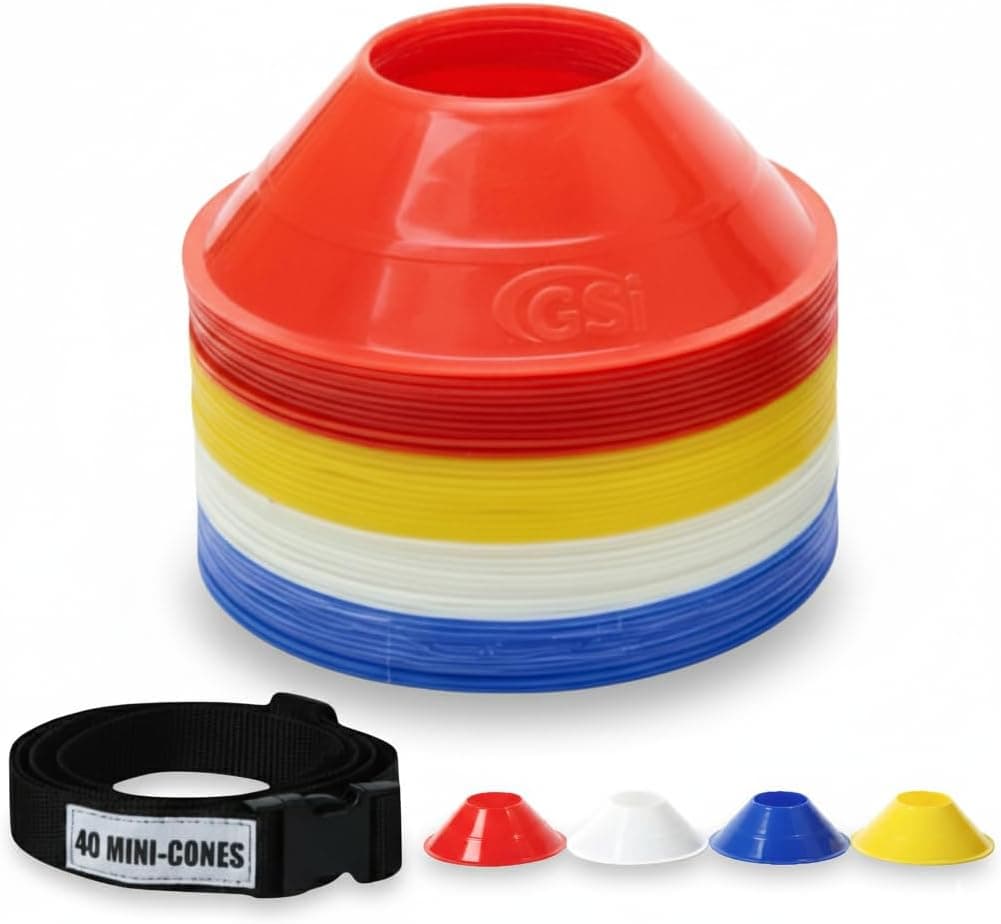
Disc Training Cones (Set of 40)
View on Amazon →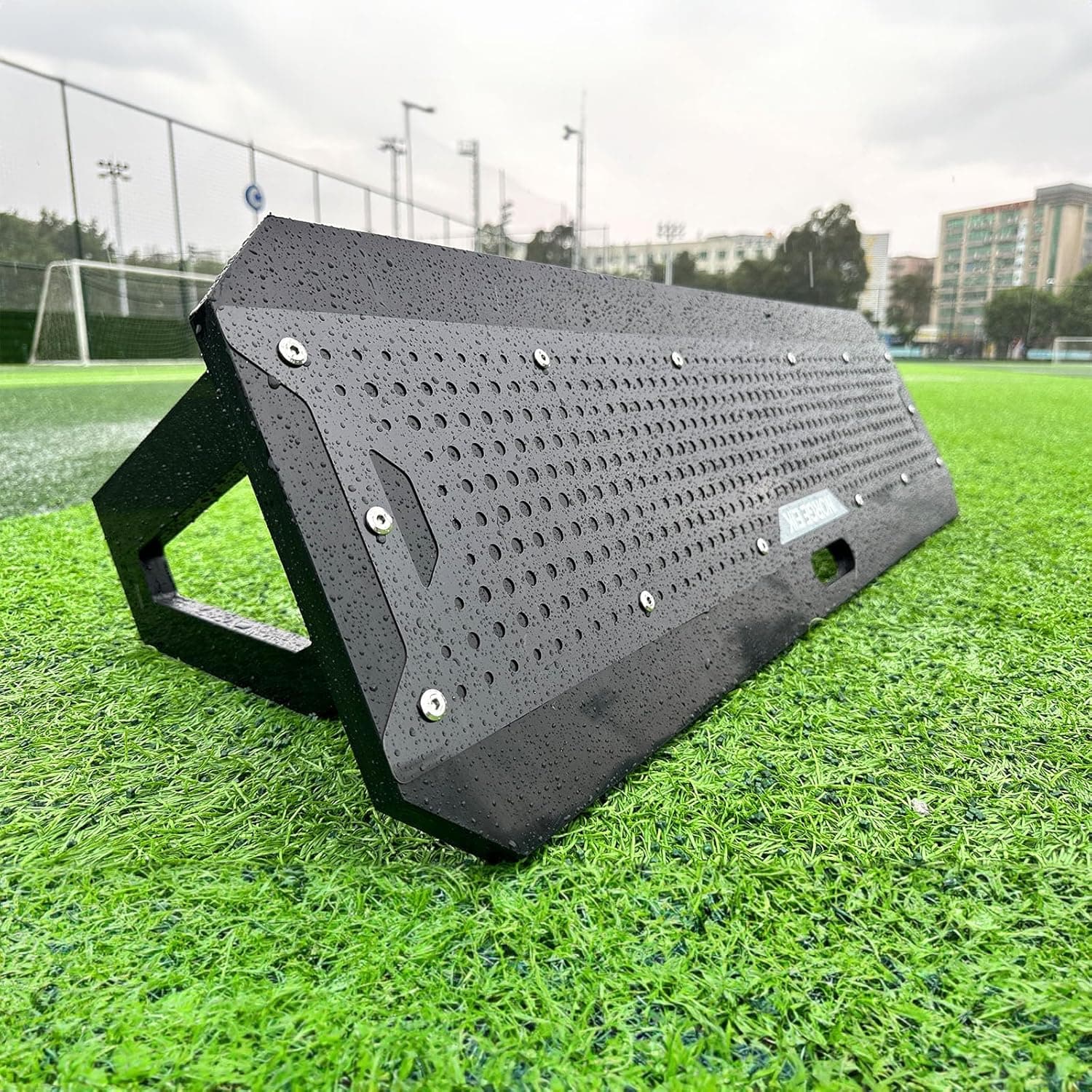
Soccer Rebounder
View on Amazon →As an Amazon Associate we earn from qualifying purchases, at no extra cost to you.