
What I Wish I'd Known Before My Son Started Club Soccer
January 4, 2026
A Letter to My Past Self
Five years ago, my son came home with a flyer for club soccer tryouts. He was seven years old, obsessed with the game, and I was a well-meaning but utterly clueless soccer parent. I didn't know the difference between a 4-3-3 and a 4-4-2. I didn't know what "travel" meant in this context. I had no idea how much it would cost, how much time it would consume, or how deeply it would become woven into the fabric of our family life.
Now, five years deep into the club soccer world, I want to share what I wish someone had told me at the beginning. Not to scare you off — club soccer has been a wonderful experience for our family. But to help you go in with open eyes, realistic expectations, and a few strategies that took me years to figure out.
Lesson #1: The Financial Commitment Is Serious
Nobody told me how much this would cost. Or maybe they did, but I wasn't listening. Here's a rough breakdown of what we've spent annually once things got rolling:
- Club registration and fees: $1,800-2,500
- Uniform packages: $200-400
- Tournament entry fees: $400-800 (often additional to club fees)
- Travel costs (gas, hotels, food): $1,500-3,000
- Equipment (cleats, balls, shin guards, bags): $200-400
- Private training (when we did it): $3,000-5,000
Total: $7,000-12,000 per year. Per child.
I'm not saying this to shock you. I'm saying it because I wish I'd done this math before we started, so I could plan accordingly rather than being surprised by each new expense as it appeared.
What I'd do differently: Set a clear annual soccer budget from the start. Prioritize spending on the essentials (registration, equipment) and be selective about the extras (tournaments, private coaching). And know that effective development doesn't require spending at the top end. A $20/month Anytime Soccer Training subscription can replace thousands of dollars in private coaching for skill development at the youth level.
Lesson #2: Not All Clubs Are Equal
I assumed that all club soccer programs were basically the same — same structure, same quality, same philosophy. I was spectacularly wrong. The variation between clubs, even in the same city, can be enormous in terms of coaching quality, development philosophy, competitive focus, and organizational professionalism.
Some clubs genuinely prioritize player development over winning. Others will tell you they prioritize development while quietly pressuring coaches to win at all costs. Some have structured curricula that guide players from age group to age group. Others have no curriculum at all, leaving everything to individual coaches.
What I'd do differently: Before tryouts, I'd visit three to four clubs and observe training sessions. I'd talk to parents of players who've been in the program for several years. I'd ask the Director of Coaching specific questions: "What's your development philosophy? What does your coaching curriculum look like? How do you evaluate coaches? What's your approach to playing time for younger age groups?" The answers would tell me everything I need to know.
Lesson #3: Team Placement Isn't Permanent (or Destiny)
When my son was placed on the B team his first year, I was devastated. I treated it like a life sentence. Other parents whose kids made the A team seemed to view it as confirmation of their child's superiority. The reality? Neither reaction was warranted.
Over the next three years, I watched players move up and down between teams constantly. Some B-team players developed rapidly and moved to the A team. Some A-team players plateaued or burned out and moved down. Initial placement, especially at young ages (U8-U10), has very little predictive power for long-term trajectory.
What I'd do differently: Accept the initial placement with grace and focus all energy on development. The best response to being on the B team is not to complain, lobby, or switch clubs — it's to train harder at home and let improvement speak for itself. My son moved up to the A team within a year once we committed to consistent home training through Anytime Soccer Training.
Lesson #4: The Coach Matters More Than the Club Name
Your child's day-to-day experience in soccer is shaped primarily by their coach, not by the club's reputation or name brand. A great coach at a modest club will do more for your child than a mediocre coach at an elite club.
Good youth coaches share certain qualities: they communicate well with parents and players, they create positive and challenging training environments, they prioritize development over results, they give constructive feedback, and they genuinely care about each player's growth as both an athlete and a person.
What I'd do differently: Choose the coach, not the club. If your club offers multiple teams at your child's age group, research the coaches before expressing a preference. Watch them in action. Talk to their current players' parents. The right coach can make club soccer a transformative experience. The wrong coach can make it miserable.
Lesson #5: Comparison Is the Thief of Joy
The club soccer environment breeds comparison. Whose kid made the top team? Who's scoring the most goals? Who got invited to the ID camp? Whose kid has a private coach? Who got recruited by the academy?
I fell into this trap early and hard. I'd watch other kids on the field and mentally compare them to my son. I'd listen to other parents brag about their child's achievements and feel a knot in my stomach. I'd lie awake wondering if we were doing enough.
None of that comparison helped my son. Not even a little bit. It just made me anxious and him pressured.
What I'd do differently: Focus exclusively on my own child's journey. The only comparison that matters is your child today vs. your child last month. Are they improving? Are they enjoying themselves? Are they developing as a person? If yes, you're winning — regardless of what anyone else's kid is doing.
Lesson #6: Individual Training Matters More Than I Thought
For the first two years, I assumed that team training was sufficient for my son's development. He was practicing three times a week with his team, playing games on weekends — surely that was enough ball work.
It wasn't. Team training develops team play, fitness, and tactical understanding. But the individual technical skills that form the foundation of a player — ball mastery, first touch, weak foot, dribbling — need focused, repetitive, individual practice to develop properly.
The players who improved the fastest were the ones training on their own outside of team sessions. And they weren't all using expensive private coaches — many were simply training at home with structured programs and a good work ethic.
What I'd do differently: Start home training from day one. Even 15 minutes of daily individual skill work would have accelerated my son's development dramatically. Platforms like Anytime Soccer Training make this incredibly accessible — no expertise required from the parent, just a ball, a small space, and a few minutes.
Lesson #7: Protect the Joy
This is the most important lesson, and the one I wish I'd internalized earlier. Youth soccer should be fundamentally joyful. Your child should look forward to practice, enjoy games, and feel excited about their development. The moment soccer becomes a source of stress, anxiety, or dread, something has gone wrong.
Joy doesn't mean there's no challenge or discipline. Kids can be pushed hard and still have fun. Joy means that the overall experience is positive — that the good days vastly outnumber the bad ones, that your child feels supported and valued, and that the love of the game remains intact.
I've watched too many families lose sight of this. They get so caught up in teams and rankings and college prospects that they forget their child is nine years old and supposed to be having fun playing a game with their friends.
What I'd do differently: Make joy the primary metric of success. At the end of each season, the most important question isn't "What team did they make?" or "How many goals did they score?" It's "Does my child still love playing soccer?" If the answer is yes, everything else is secondary.
Lesson #8: It Goes Fast
My son is twelve now. In five years, he'll be finishing high school. The youth soccer window — that magical period when the game is pure, when Saturday mornings are about shin guards and orange slices, when your child still wants you at every game — is shorter than you think.
I spent too many of those early years stressed about things that didn't matter: team placements, game results, what other parents thought. I wish I'd spent more of them simply enjoying the experience of watching my kid do something he loves.
What I'd do differently: Be present. Put the phone down during games. Enjoy the car rides. Laugh more. Stress less. This time doesn't come back.
Final Thoughts
Club soccer has given our family incredible experiences: friendships, travel adventures, life lessons, and thousands of memories on sidelines across the state. I wouldn't trade it. But I would do some things differently, and maybe sharing these lessons can help you skip some of the learning curve.
Go in with a budget. Research your options. Focus on your own child's journey. Invest in home training — it's the best bang for your buck in youth development. Protect the joy above all else. And savor every minute, because it goes fast.
Welcome to club soccer. It's a wild ride. Enjoy it.
Gear we use for this
The kit our own players train with at home.
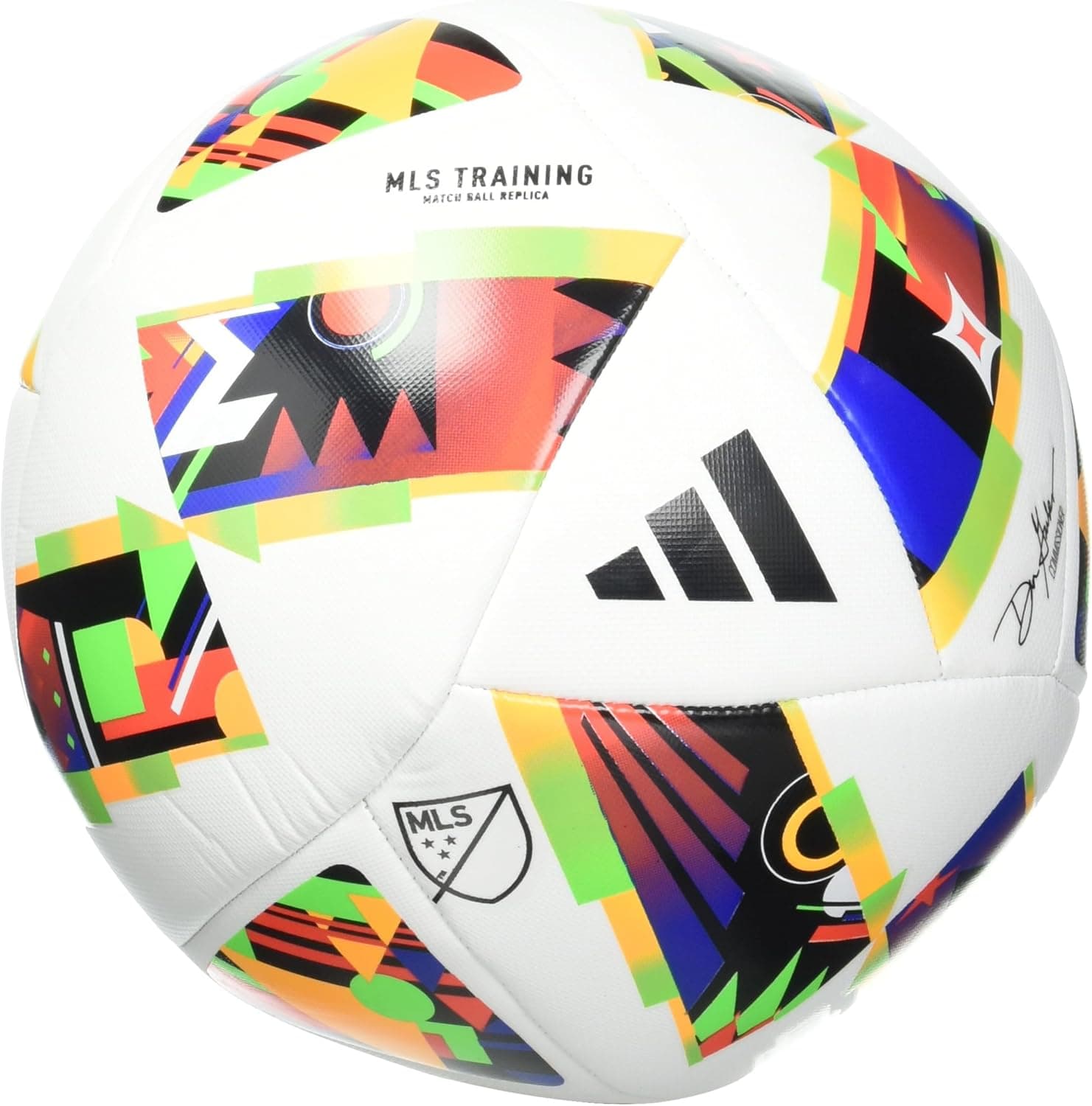
Adidas MLS Training Soccer Ball
View on Amazon →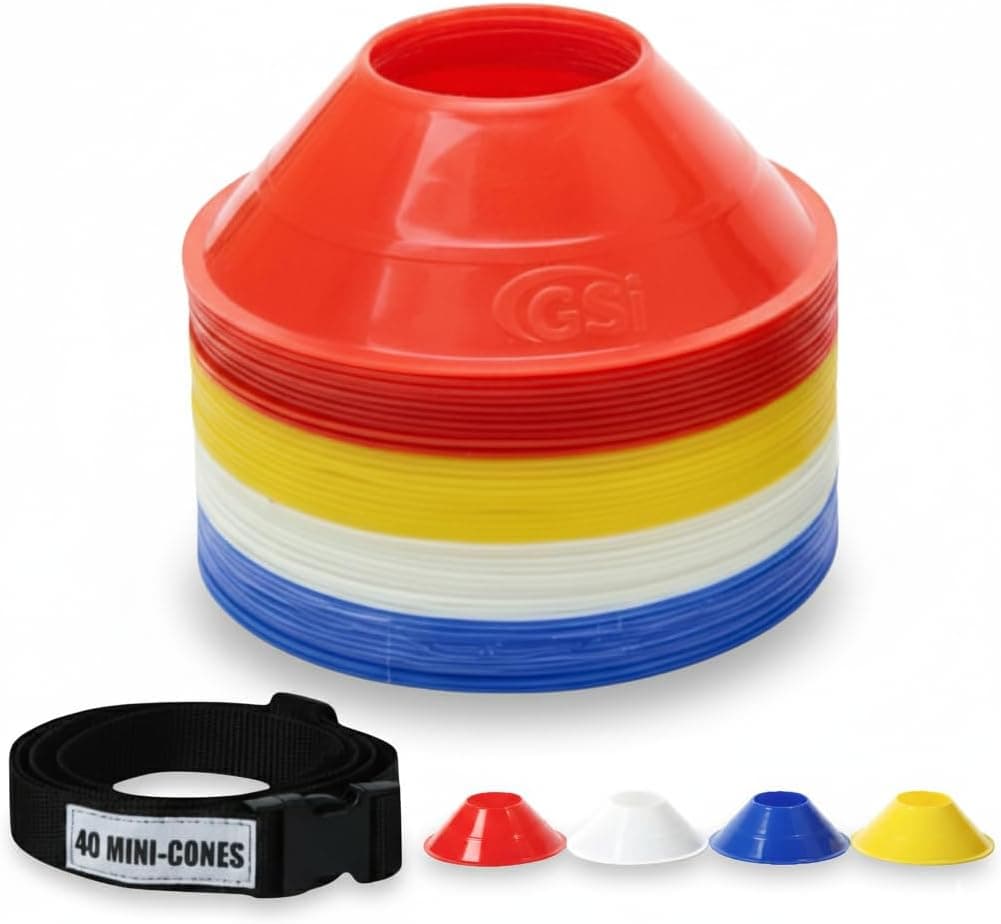
Disc Training Cones (Set of 40)
View on Amazon →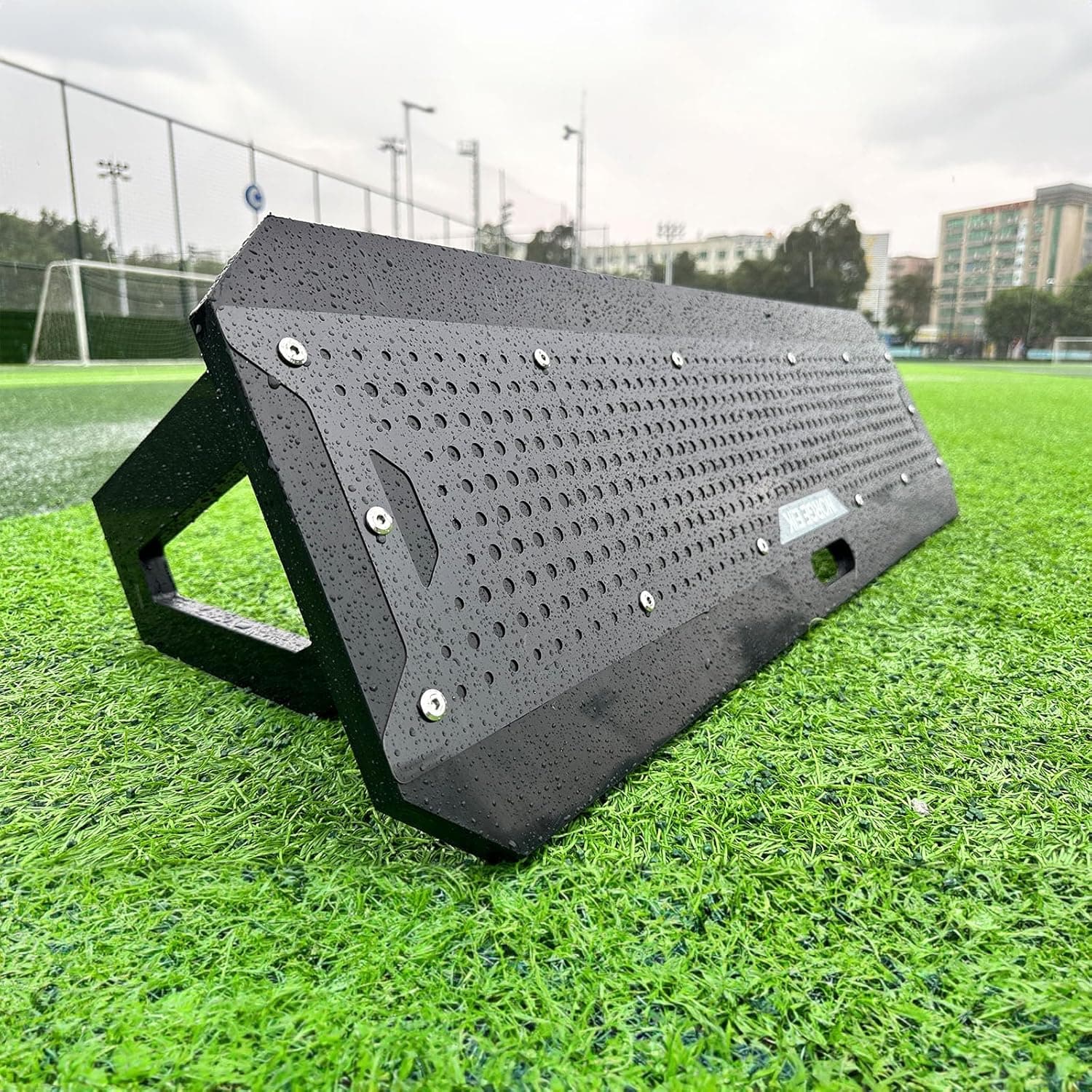
Soccer Rebounder
View on Amazon →As an Amazon Associate we earn from qualifying purchases, at no extra cost to you.