
What a Good Home Training Session Actually Looks Like
November 29, 2025
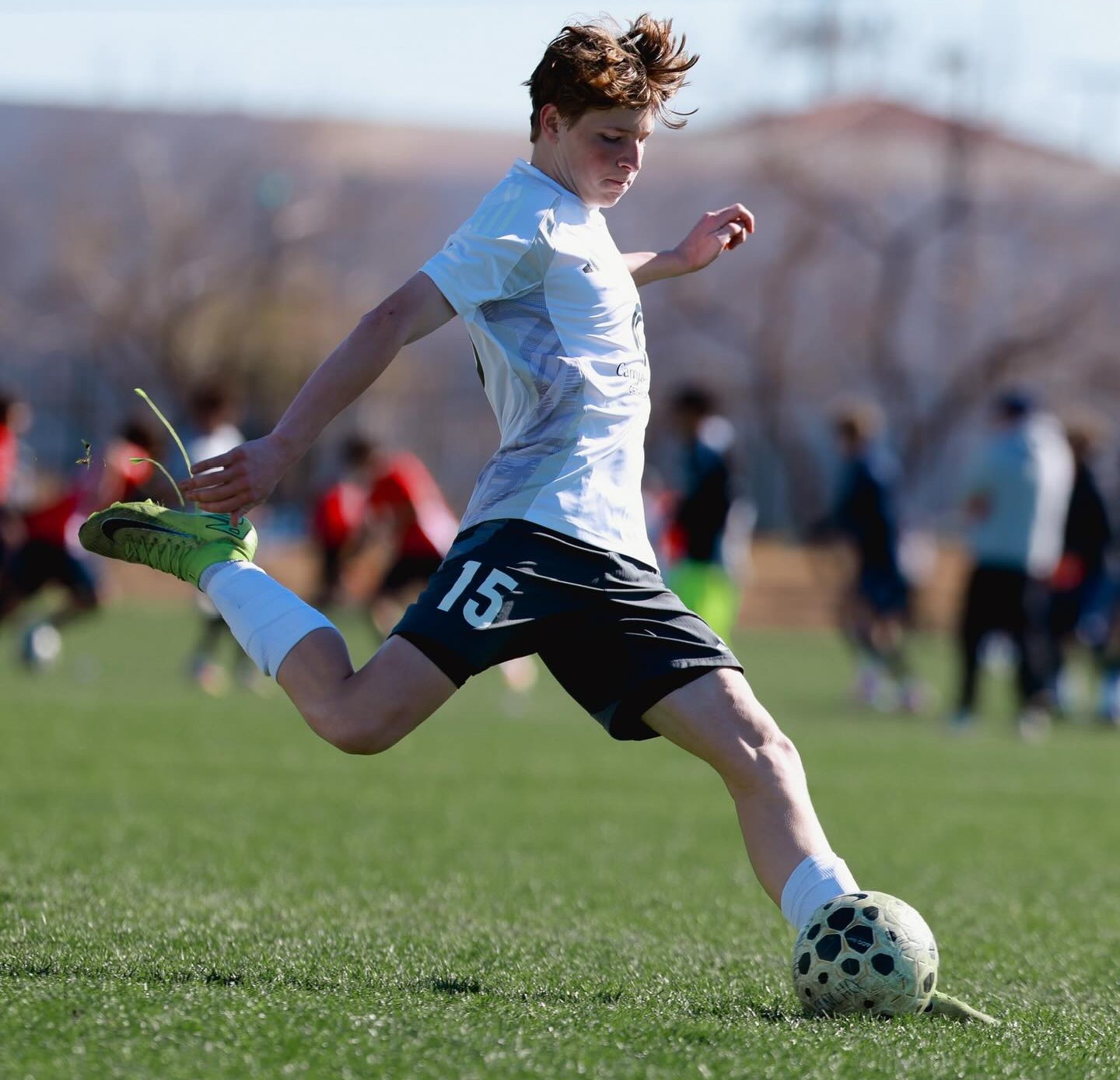
What a Good Home Training Session Actually Looks Like
You have committed to home training. You have a ball, some cones, and maybe a rebounder in the backyard. Your child is standing there looking at you expectantly. Now what?
One of the biggest barriers to home training is not motivation or equipment. It is simply not knowing what a good session looks like. Without the structure of a team practice and a coach calling out instructions, many parents and kids end up aimlessly kicking a ball around for a few minutes before going back inside. That is better than nothing, but it is a far cry from the kind of focused training that produces real improvement.
Today, I want to pull back the curtain on what a well-structured home training session actually looks like, from warm-up to cool-down, so you can replicate it in your own backyard.
The Ideal Session Length
For most young players, the ideal home training session is 15 to 25 minutes. That is it. I know it sounds short, but here is the logic:
- Focus degrades quickly for young athletes. After about 20 minutes, the quality of practice drops significantly for kids under 12. You are better off doing 20 minutes of high-quality, focused work than 45 minutes of diminishing returns.
- Shorter sessions are more sustainable. You are far more likely to train four times a week for 15 minutes than once a week for an hour. And frequency beats duration every time.
- It fits into real life. Finding 15 minutes in a busy family schedule is realistic. Finding an hour is not, at least not consistently.
For older and more motivated players, sessions can extend to 30 to 40 minutes. But start shorter and let your child's appetite for training determine the length. It is always better to end a session with your child wanting more than to drag it out until they are begging to stop.
The Session Structure
Phase 1: Dynamic Warm-Up (2-3 Minutes)
Every session should start with a brief warm-up to get the body moving and the brain engaged. This does not need to be a formal athletic warm-up with stretching protocols. For home training, keep it simple and ball-related:
- Ball rolls: Roll the ball under the sole of each foot, forward and back, side to side. This activates the feet and gets your child connected to the ball immediately.
- Light juggling: A few minutes of relaxed juggling, not going for records, just warming up the touch and coordination.
- Dribbling in a box: Mark out a small square and have your child dribble freely within it, using all surfaces of both feet, at a relaxed pace.
The warm-up should feel easy and comfortable. It is not the training; it is the preparation for training.
Phase 2: Focused Skill Work (8-15 Minutes)
This is the heart of the session and where the actual development happens. Choose one or two specific skills to focus on. Do not try to cover everything in one session. Depth beats breadth in skill training.
Examples of focused skill work:
- First touch day: Wall passing with emphasis on cushioning the return. Self-toss and control from various heights. Directional first touches.
- Dribbling day: Cone weaves with progressions. 1v1 moves practiced in isolation. Speed dribbling through a course.
- Passing day: Wall passing with accuracy targets. Two-touch and one-touch rhythms. Weak foot passing sets.
- Shooting day: Striking technique from stationary balls. Shooting after a dribble. Finishing from different angles.
The key is to work on drills that are challenging but achievable. If a drill is too easy, your child is not improving. If it is too hard, they will get frustrated and disengage. The sweet spot is when they succeed about 60 to 70 percent of the time, challenging enough to push them but successful enough to stay motivated.
This is where Anytime Soccer Training is incredibly helpful. The platform provides follow-along sessions organized by skill type and difficulty level, so you do not have to guess what to do. Your child can pick a session, press play, and follow along with professional coaching while you participate or encourage from the side.
Phase 3: Fun Challenge or Game (3-5 Minutes)
End every session with something fun. This serves two purposes: it ensures your child associates training with positive feelings, and it provides a chance to apply the skills they just practiced in a less structured context.
Examples of fun finishers:
- Beat-your-record challenge: How many juggles? Fastest cone weave time? Most wall passes in 60 seconds?
- 1v1 against a parent or sibling: A small-sided game in a tight area is the best way to apply trained skills in a competitive context. Let the kid win sometimes!
- Shooting competition: Take turns shooting at targets. Keep score. Add silly rules or trick shots to keep it light.
- Freestyle time: Let your child try whatever they want with the ball. Tricks, moves, creative play with no rules or objectives.
The fun finisher should leave your child smiling and looking forward to the next session. Never end on a frustrating drill or a negative note.
Phase 4: Cool-Down and Reflection (1-2 Minutes)
A brief cool-down does not have to be formal. Light ball rolls, some gentle stretching, or just walking around for a minute while the heart rate comes down is fine.
Use this time for a quick reflection. Ask your child two questions:
- What did you feel good about today?
- What do you want to work on next time?
These questions build self-awareness and give your child ownership over their development. Their answers also help you plan future sessions around what they care about most.
A Sample Session: Putting It All Together
Here is what a complete 20-minute session might look like:
Warm-Up (3 minutes):
- 1 minute of ball rolls under each foot
- 1 minute of light juggling
Focused Skill Work (12 minutes):
- 4 minutes of cone weave dribbling (2 minutes right foot focus, 2 minutes left foot focus)
- 4 minutes of practicing the Cruyff turn at a cone (slow, medium, then fast)
- 4 minutes of 1v1 move practice: approach a cone, do a move, accelerate past
Fun Challenge (4 minutes):
- Timed cone weave: 3 attempts, try to beat your best time
- 1v1 game against a parent in a small area
Cool-Down (1 minute):
- Light ball rolls and stretching while chatting about the session
Twenty minutes. That is it. Done well, that session provides more quality ball contact and skill development than a full team practice provides for an individual player.
Common Mistakes to Avoid
- Trying to cover too much: Pick one or two skills per session, not five. Depth produces mastery. Breadth produces familiarity at best.
- Making it too serious: This is not boot camp. Laugh together. Make mistakes together. Keep the energy positive.
- Skipping the warm-up: Even a brief warm-up prevents injury and gets the brain engaged for focused work.
- Always ending on the hard drill: End with fun. Every time. This is the emotional anchor that brings your child back for the next session.
- Coaching from the sideline: If you are using a platform like Anytime Soccer Training, let the video do the coaching. Your role is encouragement and participation, not instruction.
- Inconsistency: Three 15-minute sessions this week, then nothing for two weeks, then one 45-minute makeup session. This pattern does not work. Consistent modest sessions always beat inconsistent long ones.
Adapting for Different Ages
- Ages 5-7: Sessions should be 10-15 minutes maximum, heavily weighted toward games and challenges rather than drills. Everything should feel like play.
- Ages 8-10: 15-20 minutes with a roughly equal mix of structured drills and fun challenges. Start introducing weak foot work and specific skill progressions.
- Ages 11-13: 20-30 minutes with more structured skill work. Kids at this age can handle more repetition and more focused drilling. They can also start self-directing portions of the session.
- Ages 14 and up: 25-40 minutes. Teens can handle longer, more intense sessions. They should be taking increasing ownership of the content and structure of their training.
Your Template for Success
Now you know what a good home training session looks like. The structure is simple: warm-up, focused skill work, fun challenge, cool-down. The execution requires just 15 to 25 minutes and minimal equipment. The results require consistency.
Print out this session template. Pin it on the fridge. Use it as your guide three to four times a week. Pair it with Anytime Soccer Training for the specific drills and progressions within each phase. And watch your child develop into a more skilled, confident, and enthusiastic soccer player, one short session at a time.
Gear we use for this
The kit our own players train with at home.
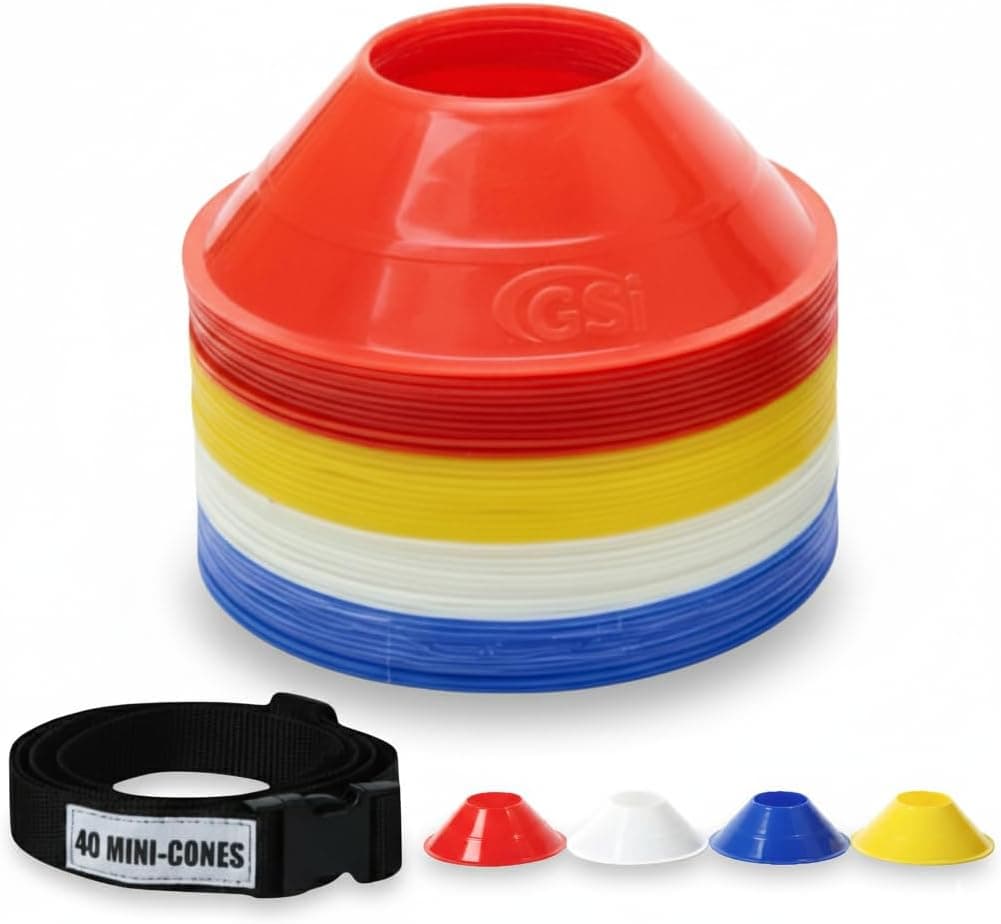
Disc Training Cones (Set of 40)
View on Amazon →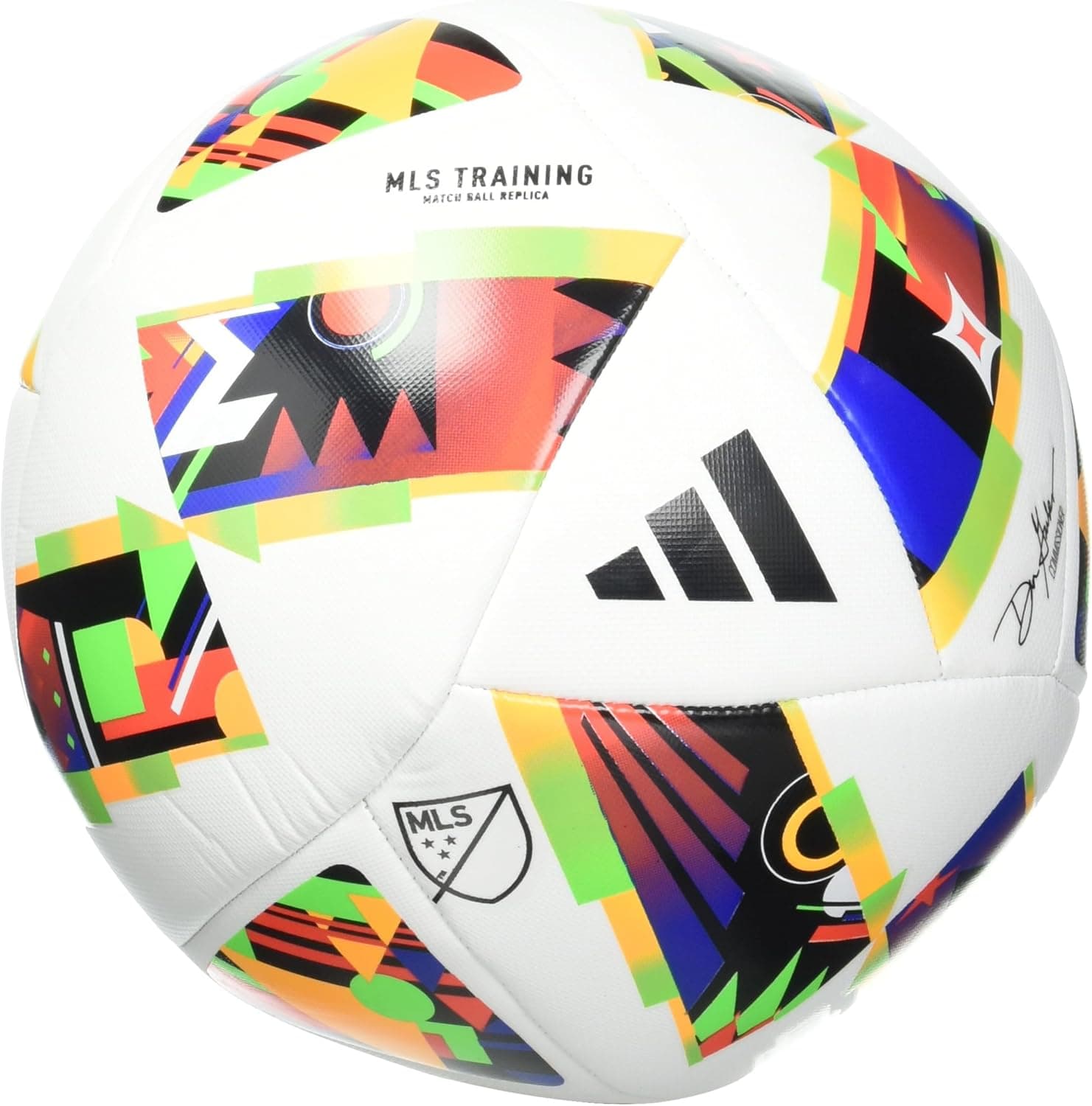
Adidas MLS Training Soccer Ball
View on Amazon →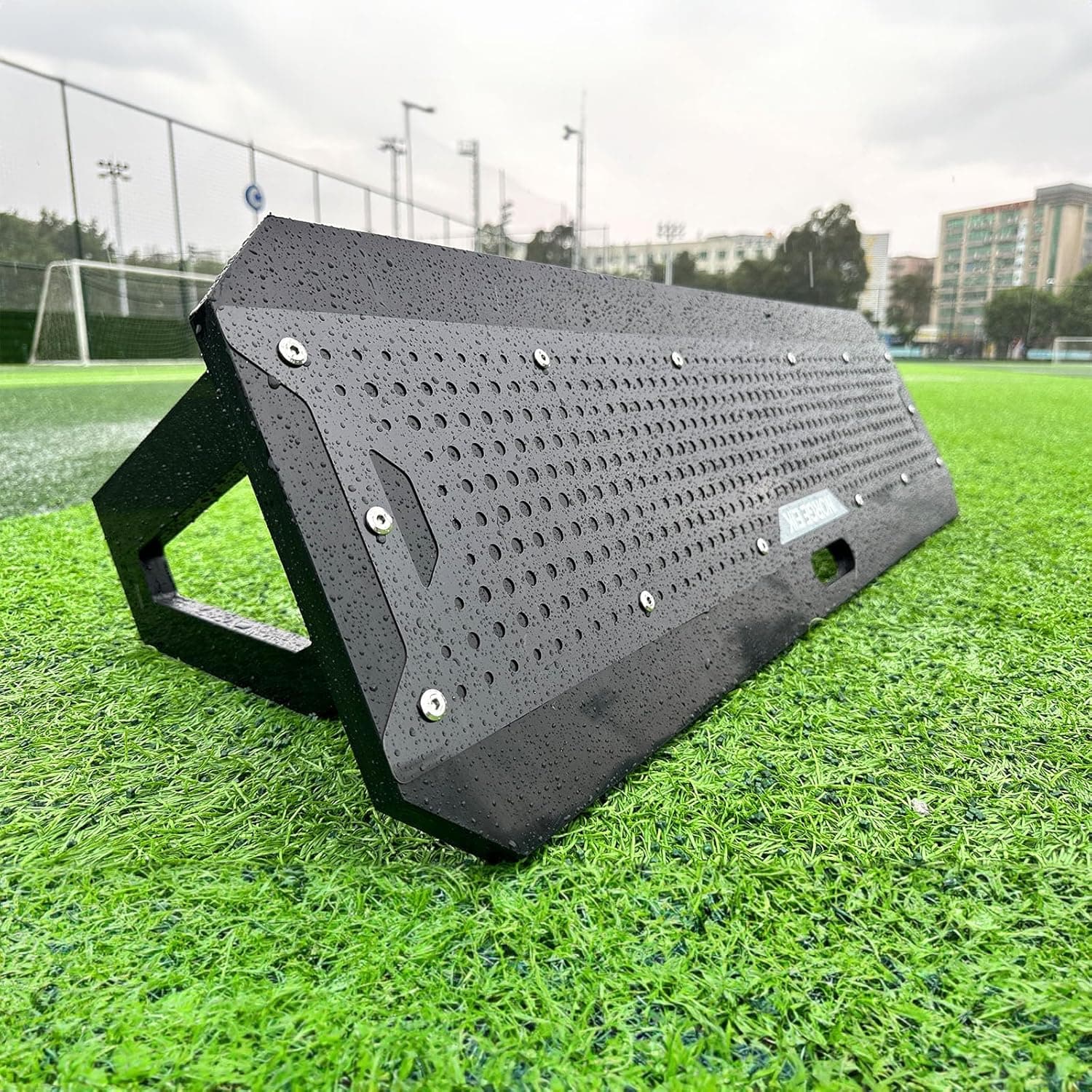
Soccer Rebounder
View on Amazon →As an Amazon Associate we earn from qualifying purchases, at no extra cost to you.