
What 8-Year-Olds Should Focus on in Soccer Training
February 13, 2026
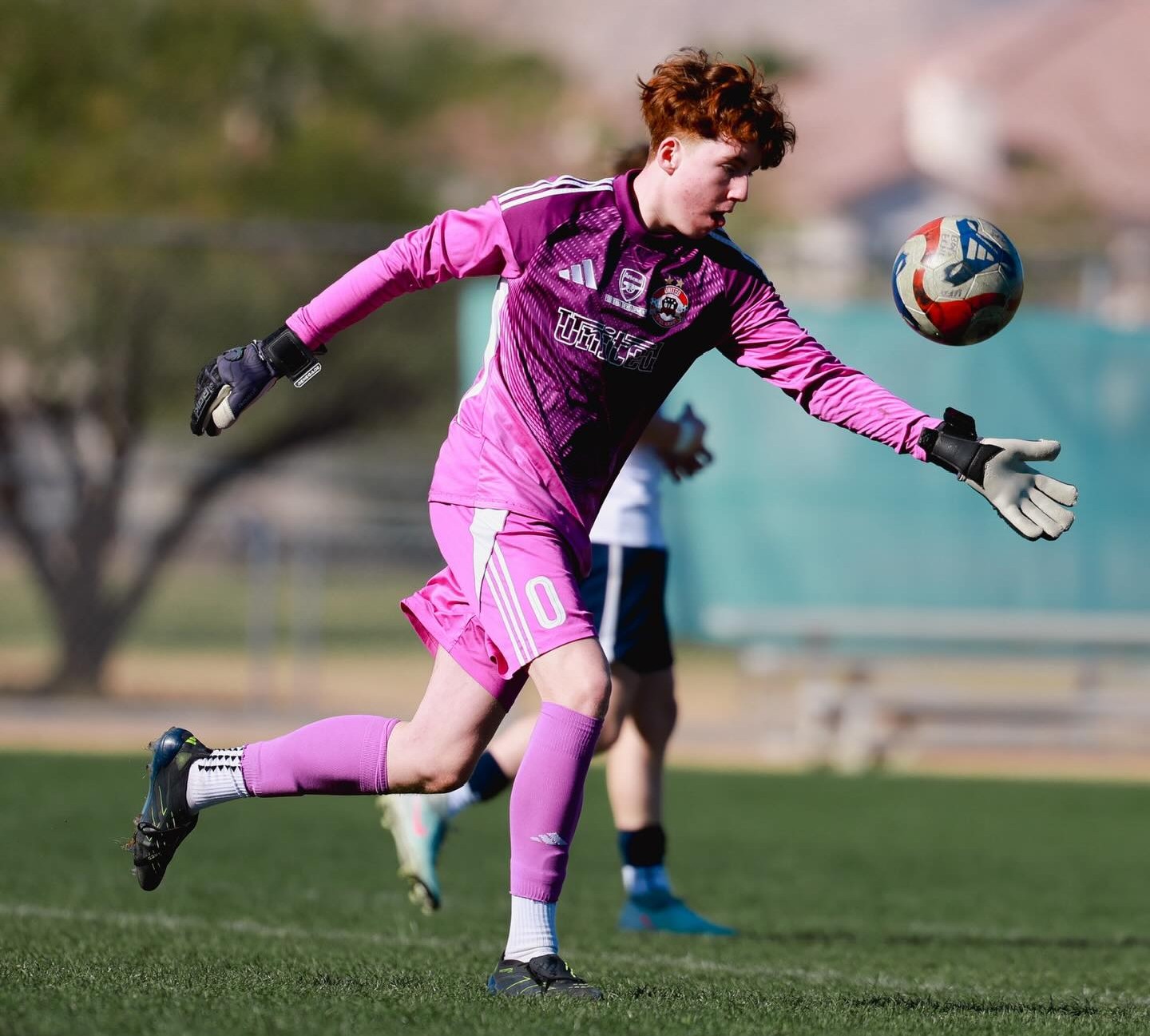
What 8-Year-Olds Should Focus on in Soccer Training
When my first son turned eight, I thought he was ready for serious soccer training. I had him doing tactical exercises, practicing set pieces, and working on positional play. Looking back, I could not have been more misguided. I was trying to train an eight-year-old like a sixteen-year-old, and it was a massive waste of time that actually hindered his development.
By the time my second son reached eight, I had done my homework. I understood the developmental stages of young athletes, talked to experienced youth coaches, and studied what the research says about optimal training for this age group. The difference in approach and the difference in results has been night and day. Here is what I wish I had known with my first son.
Understanding the 8-Year-Old Brain and Body
To know what an eight-year-old should focus on in training, you first need to understand where they are developmentally. At age eight, children are in what sports scientists call the "golden age of motor learning." Their nervous systems are rapidly developing, and they have an incredible capacity to learn new movement patterns and coordination skills.
This is the age where the brain is like a sponge for physical skills. A move that might take a fourteen-year-old weeks to learn can be picked up by an eight-year-old in days. This window of accelerated motor learning starts to close around age twelve, which is why it is absolutely critical to use these years wisely.
At the same time, eight-year-olds have short attention spans, limited tactical understanding, and bodies that are still developing strength and endurance. Training that requires sustained concentration, complex decision-making, or heavy physical demands is not appropriate and not effective at this age.
The bottom line is this: eight is the perfect age for developing individual technical skills, and it is too early for serious tactical or physical training. If your child is eight and you are focusing on formations, positional play, and winning games, you are missing the boat.
Priority 1: Ball Mastery Above Everything Else
If I could only choose one thing for an eight-year-old to work on, it would be ball mastery without hesitation. Ball mastery is the foundation of every technical skill in soccer. It is the ability to manipulate the ball comfortably with all surfaces of both feet while maintaining balance and control.
At age eight, ball mastery exercises should include:
- Sole rolls: Rolling the ball forward, backward, and sideways with the sole of the foot
- Tick tocks: Tapping the ball back and forth between the inside of both feet
- Inside-outside touches: Moving the ball from the inside of the foot to the outside in a smooth motion
- Foundation patterns: Combining multiple touches into flowing sequences
- Toe taps: Alternating feet tapping the top of the ball quickly
These exercises might look simple, but they are building the neural pathways that will underpin every other soccer skill your child develops. A player with excellent ball mastery will naturally become a better dribbler, passer, and receiver because they have total command of the ball.
I recommend at least five to ten minutes of ball mastery work every single day for an eight-year-old. Anytime Soccer Training has an excellent ball mastery program designed specifically for this age group, with progressive sessions that build complexity over time. My second son follows along with these sessions daily, and his comfort on the ball is light years ahead of where my first son was at the same age.
Priority 2: First Touch Development
Once a child has a baseline level of ball mastery, developing a quality first touch is the next priority. First touch is the ability to receive the ball cleanly from a pass, a bounce, or the air and set it up for the next action.
At age eight, first touch training should focus on:
- Receiving ground passes with the inside of the foot
- Cushioning the ball to stop it at your feet
- Directing the first touch into space rather than straight down
- Receiving with both feet, not just the dominant foot
- Basic receiving from bouncing balls and low aerial balls
A wall or rebounder is the perfect training tool for first touch development. Your child passes the ball against the wall and practices controlling it when it comes back. Start close to the wall where the ball returns quickly and gradually increase the distance. This is simple, it requires minimal space and equipment, and it is incredibly effective.
The reason first touch is so important at this age is that it directly impacts everything else on the field. A child with a poor first touch will constantly lose the ball, get frustrated, and be limited in what they can do during games. A child with a clean first touch will have more time on the ball, more confidence, and more opportunities to make plays.
Priority 3: Dribbling and Close Control
Eight-year-olds love to dribble, and that is a good thing because dribbling is an essential skill that should be encouraged at this age. Unlike older ages where the team game becomes more important, young players should be dribbling frequently in games. It is how they develop the confidence and creativity that will serve them later.
At this age, dribbling training should focus on:
- Keeping the ball close with small touches rather than kicking it ahead
- Using both feet to dribble, not just the dominant foot
- Changing direction smoothly using inside and outside cuts
- Dribbling with the head up to develop awareness
- Speed dribbling in open space versus close control in tight areas
I would avoid focusing too heavily on fancy moves and tricks at age eight. While it is fine if your child wants to learn a stepover or a scissors move for fun, the priority should be on fundamental close control and the ability to change direction effectively. The flashy moves will come naturally later once the foundation is solid.
Cone dribbling is a classic training exercise for a reason. It works. Set up a line of cones and have your child dribble through them using different techniques. Time them, challenge them to go faster while maintaining control, and gradually reduce the space between cones to demand tighter control.
Priority 4: Coordination and Agility
Age eight is a critical window for developing coordination and agility, and these attributes have a huge impact on soccer performance. Activities that challenge balance, footwork, and body control are incredibly valuable at this age.
You do not need fancy equipment for this. Simple activities like:
- Hopping on one foot, alternating feet
- Skipping and galloping
- Jumping and landing on balance
- Quick feet ladder drills using tape on the ground
- Balance challenges like standing on one foot with eyes closed
These activities develop the athletic foundation that supports all soccer skills. A coordinated, agile child will be better at everything on the soccer field because they have superior body control.
I also strongly encourage playing other sports and activities at age eight. Gymnastics, swimming, basketball, martial arts; all of these develop coordination and athleticism in ways that directly benefit soccer performance. The worst thing you can do at this age is limit your child to only soccer.
What NOT to Focus on at Age Eight
Just as important as knowing what to focus on is knowing what to avoid. Here are the things that I see parents and coaches spending time on with eight-year-olds that are largely wasted effort:
- Tactical formations and positional play: Eight-year-olds do not have the cognitive capacity to understand complex tactics. Let them play freely and develop their instincts.
- Long passing and crossing: Their bodies are not strong enough for these techniques to be effective. Focus on short, accurate passing instead.
- Heading: Most youth organizations restrict heading at this age, and for good reason. The physical risks outweigh the benefits at this developmental stage.
- Fitness and conditioning: Eight-year-olds should not be running laps or doing endurance training. Their fitness should come naturally through play and practice.
- Winning at all costs: The emphasis at this age should be entirely on development and fun, not on winning games. A team that wins every game at U8 but does not develop individual skills is failing its players.
How Much Training Is Appropriate?
For an eight-year-old, I recommend the following training load:
- Team training: Two to three sessions per week, forty-five to sixty minutes each
- Home training: Ten to fifteen minutes daily, focusing on ball mastery and first touch
- Games: One game per week is sufficient at this age
- Rest days: At least one full rest day per week with no structured soccer activity
The total weekly soccer commitment should be around five to six hours, including games. Any more than that risks burnout and overuse injuries. Remember, your child is eight. They have years of development ahead of them. There is no need to cram everything in now.
The home training component is where the real skill development happens, and it does not need to be long or intense. A focused ten-minute ball mastery session on Anytime Soccer Training every day will produce more technical improvement than adding an extra team practice to the schedule. It is about quality, not quantity.
Creating the Right Environment
Beyond the specific skills you focus on, the training environment matters enormously for an eight-year-old. Training should be:
- Fun and playful: Use games and challenges rather than rigid drills
- Encouraging: Celebrate effort and progress rather than criticizing mistakes
- Self-paced: Let your child work at their own speed without pressure
- Varied: Mix up activities to keep things fresh and engaging
- Short: Respect their attention span and keep sessions brief
If training feels like fun, your eight-year-old will want to do it every day. If it feels like work, they will resist it, and you will be fighting a losing battle. At this age, cultivating a love for training is just as important as the skills themselves.
What I Would Tell Myself
If I could go back and talk to myself when my first son was eight, I would say this: relax, simplify, and focus on the ball. Stop worrying about tactics, stop trying to coach like a professional, and just let your kid fall in love with having a ball at his feet. The rest will come.
With my second son, that is exactly what we have done, and the results speak for themselves. He is technically superior to where his brother was at the same age, he loves training, and he is developing at a pace that has impressed his coaches. All because we focused on the right things at the right time.
Your eight-year-old does not need to be the best player on their team right now. They need to be building the foundation that will make them a great player in the years to come. Ball mastery, first touch, dribbling, and coordination. That is the recipe. Keep it simple, keep it fun, and trust the process.
Gear we use for this
The kit our own players train with at home.
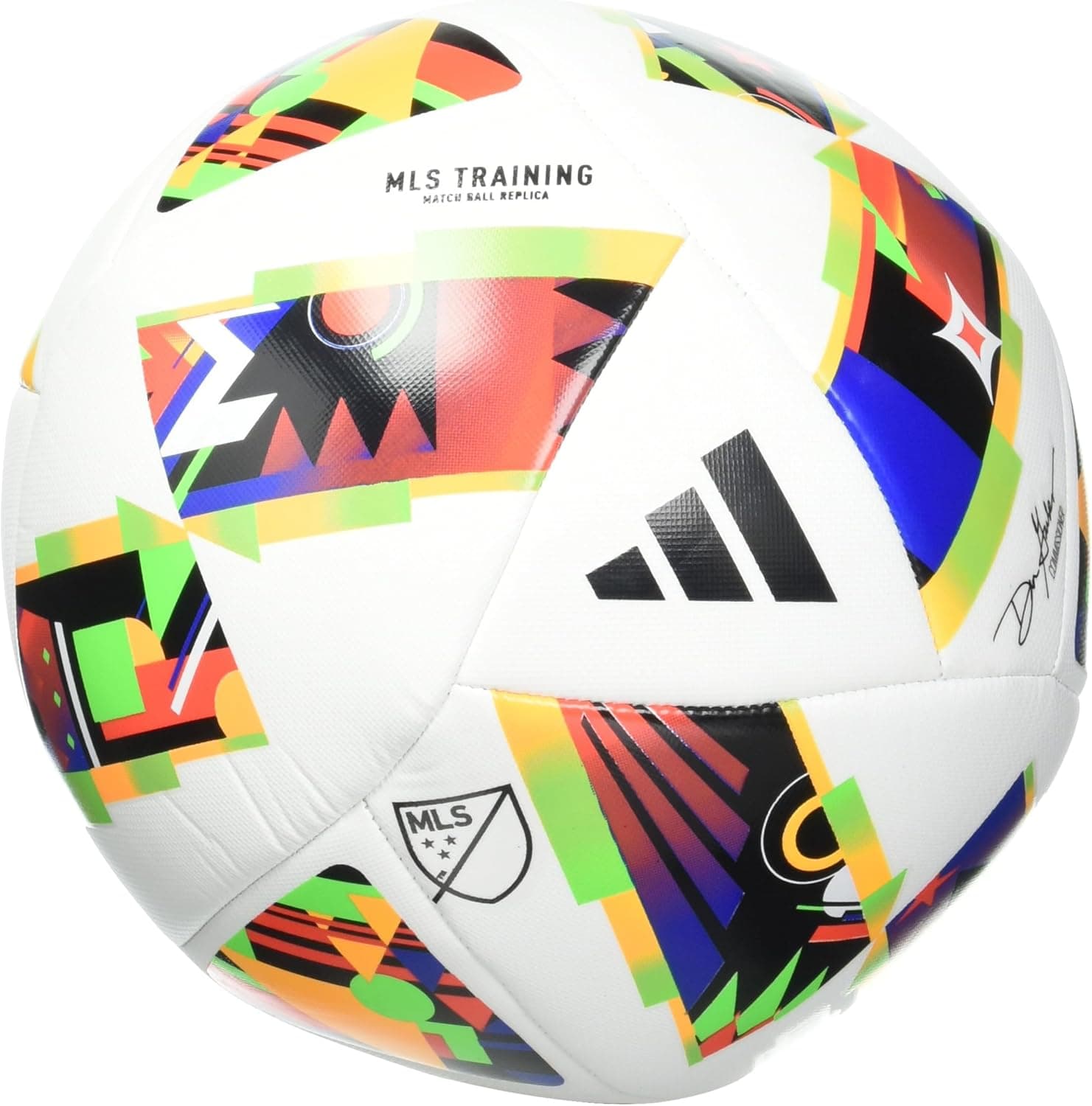
Adidas MLS Training Soccer Ball
View on Amazon →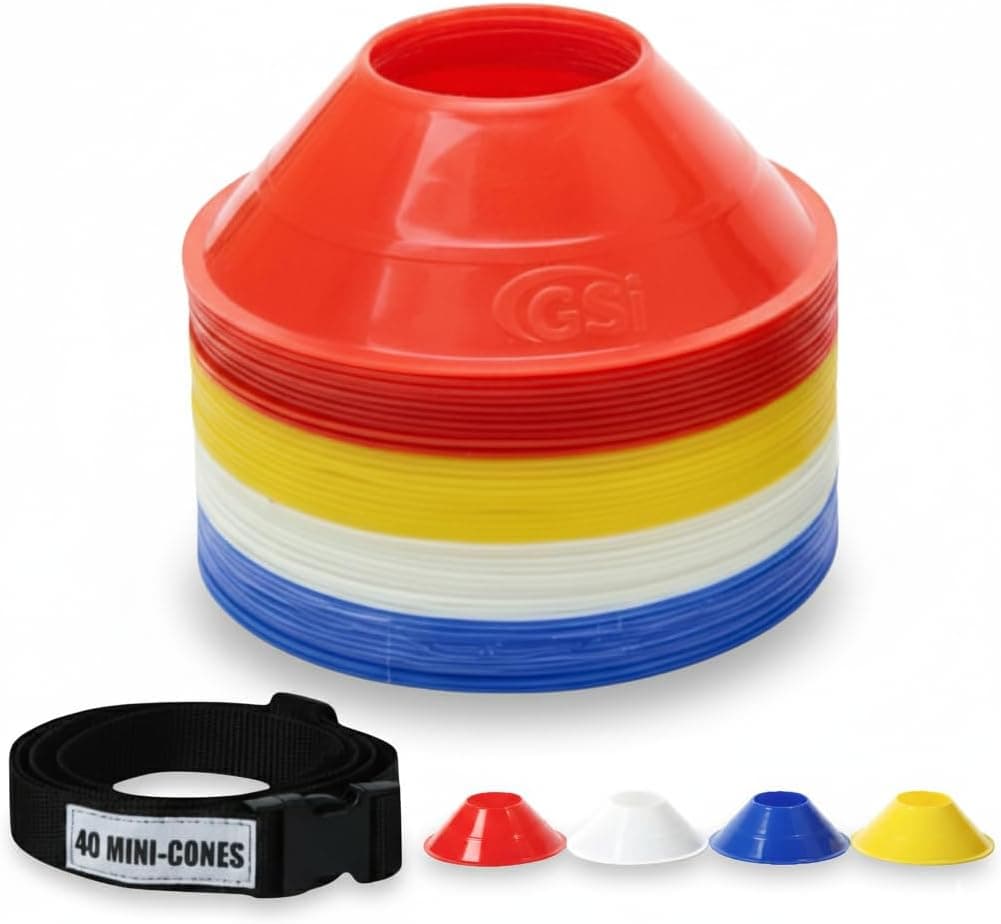
Disc Training Cones (Set of 40)
View on Amazon →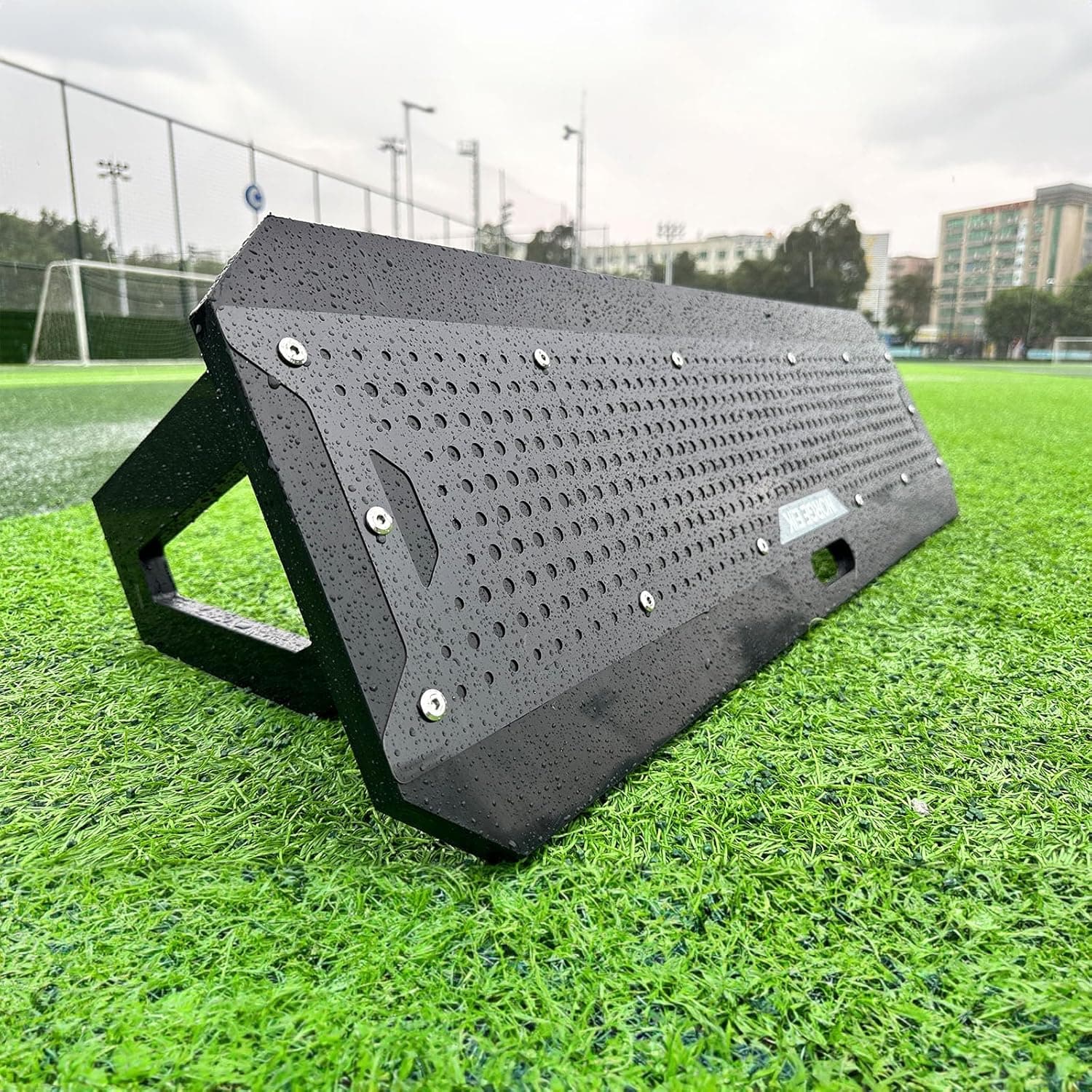
Soccer Rebounder
View on Amazon →As an Amazon Associate we earn from qualifying purchases, at no extra cost to you.