
Tryout Success How Home Training Made the Difference
December 13, 2025
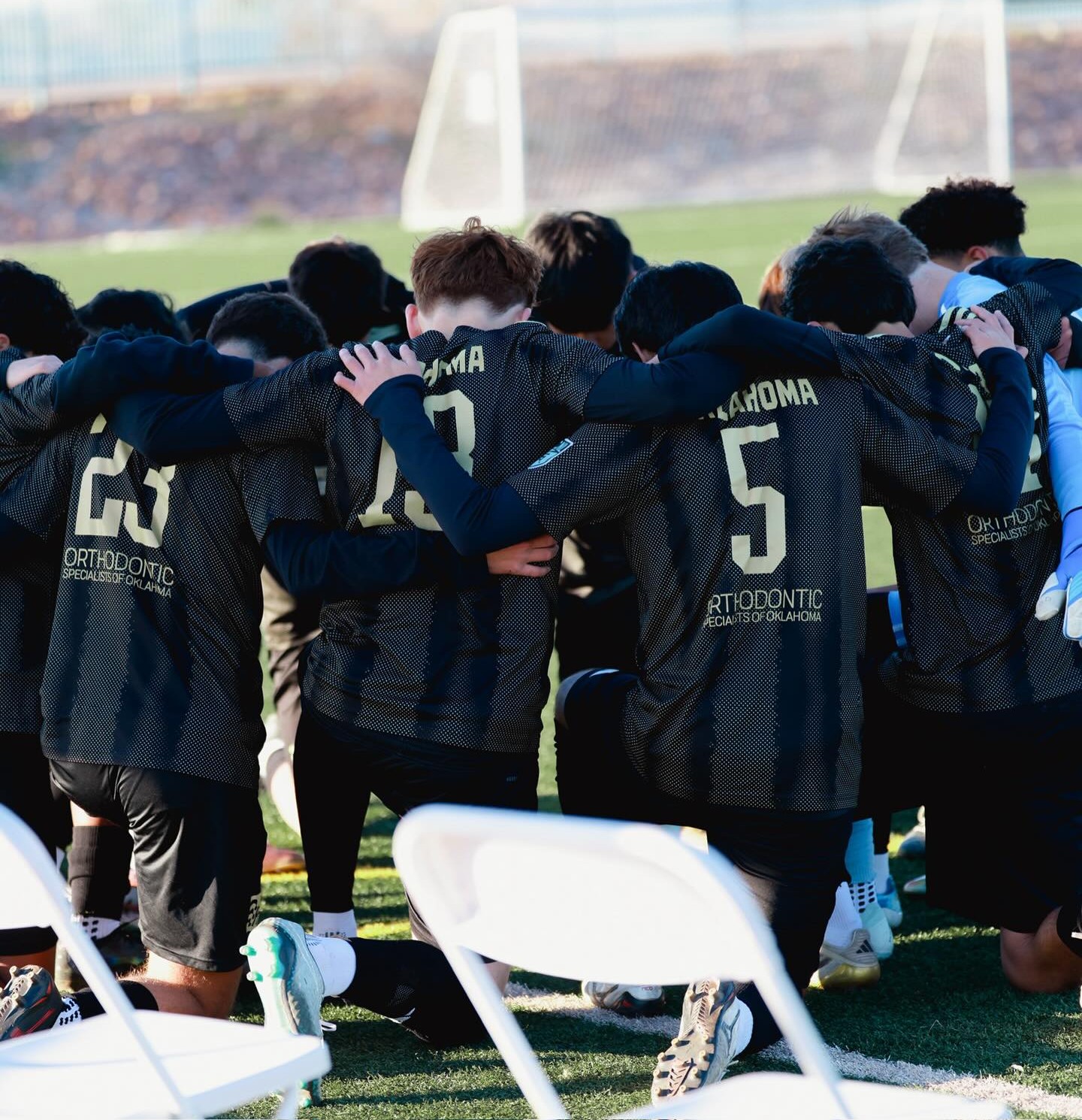
Spring Tryouts Changed Everything for Our Family
Last March, my daughter Lily walked onto the tryout field at her local club with quiet confidence. She wasn't the tallest player. She wasn't the fastest. She didn't have the most expensive gear or the most well-connected parents. But she had something that set her apart from the moment the first whistle blew: she was prepared. Genuinely, deeply, undeniably prepared.
Three months of consistent home training had transformed her game. Her first touch was crisp. Her weak foot was functional. Her ball mastery was fluid and natural. When evaluators put players through technical drills, Lily didn't just survive — she excelled. And when the results came back, she'd earned a spot on the top team, leapfrogging players who'd been training with expensive private coaches all winter.
Ours isn't a unique story. Across the country, families are discovering that consistent, structured home training is one of the most effective ways to prepare for tryouts. Let me share what we learned, along with stories from other families who've experienced similar breakthroughs.
The Tryout Landscape: What Evaluators Actually Look For
Before diving into how to prepare, it's helpful to understand what tryout evaluators are actually assessing. I've spoken with several club directors and coaches, and while specific criteria vary, the core evaluation areas are remarkably consistent:
Technical Skill
Can the player control the ball? Do they have a clean first touch? Can they dribble under pressure, pass accurately, and receive confidently? Technical skill is usually the primary differentiator at youth tryouts, especially at U10-U14 levels. This is good news for home-trained players because technical skills are exactly what individual training develops best.
Athleticism
Speed, agility, coordination, and general athletic ability matter. While genetics play a role, these qualities can be improved significantly through consistent physical training. Players who show up to tryouts fit, fast, and coordinated make a strong first impression.
Soccer IQ
This includes decision-making, positioning, awareness, and understanding of the game. While this is harder to develop at home than technical skills, it can be improved through game-watching, small-sided play, and guided cognitive training exercises.
Attitude and Coachability
Evaluators notice which kids listen, try hard, respond to feedback, and stay positive. A player who combines solid skills with great attitude often gets the nod over a more talented player with a poor attitude. This is one area where good parenting directly impacts tryout results.
The 12-Week Home Training Blueprint
Here's the preparation plan that worked for us. We started 12 weeks before tryouts and worked four to five days per week, 20-25 minutes per session. Nothing extreme. Nothing unsustainable. Just consistent, focused skill work.
Weeks 1-4: Foundation Building
The first month focused on establishing the training habit and building a strong technical foundation. Each session included:
- Ball mastery warm-up (5 minutes): Toe taps, sole rolls, inside-outside, foundation moves. We followed the ball mastery programs on Anytime Soccer Training, which provided structured routines that progressed each week.
- Core skill work (10-12 minutes): Focused on one skill per session — dribbling on Monday, passing on Wednesday, first touch on Friday, weak foot on Saturday.
- Juggling challenge (3-5 minutes): End every session with juggling. Track the record. Try to beat it.
During this phase, Lily's juggling record went from 12 to 45. Her comfort on the ball visibly improved. The daily routine became automatic — she'd come home from school, change into training gear, and head outside without being asked.
Weeks 5-8: Skill Intensification
With the habit established, we increased the challenge level. Sessions grew to 25 minutes and the drills became more demanding:
- Ball mastery at speed: Same routines, but performed faster with tighter control
- Weak foot dedicated sessions: Every other day, the entire session focused on the non-dominant foot
- Wall work circuits: Passing, receiving, volleying, and turning against a wall with timed intervals
- Speed dribbling: Cone courses designed for speed and close control simultaneously
This was the phase where the most dramatic improvement occurred. Lily's weak foot went from "barely usable" to "confidently functional." Her first touch tightened noticeably. And her dribbling moves, practiced hundreds of times, started appearing instinctively in pickup games with friends.
Weeks 9-12: Tryout Simulation
The final month shifted focus toward tryout readiness. We maintained the technical work but added elements that simulated tryout conditions:
- Training under fatigue: Starting sessions with a short sprint or agility circuit, then going into technical drills. Tryouts are physically demanding, and maintaining technique when tired is a differentiator.
- Performing on demand: Setting up specific challenges — "You have one minute to show me your best three moves" or "Show me 10 passes with each foot" — to simulate the evaluation format.
- Mental preparation: Talking about what tryouts would look like, what to expect, and how to stay focused and positive even when things go wrong.
Real Families, Real Results
The Martinez Family
Diego Martinez was a B-team player for two years running. His parents, Maria and Jorge, couldn't afford private coaching but were determined to help their son improve. They discovered Anytime Soccer Training through a recommendation from another parent and committed to the platform's training programs.
"We started in January," Maria told me. "Diego would do 15-20 minutes every day before school. He'd follow along with the videos, and we'd track his progress on a little chart on the fridge."
By spring tryouts, Diego's transformation was evident. He moved up to the A team, and his coach commented that his technical improvement was the most dramatic he'd seen from any player that year. "It wasn't magic," Maria said. "It was just consistency. Every single day."
The Williams Family
Ava Williams had been cut from her club team the previous year and was determined to make it back. Her father, Marcus, set up a training area in their garage and created a daily routine using online resources and Anytime Soccer Training programs.
"The garage became her training center," Marcus explained. "Rain or shine, she was in there every afternoon working on her skills. The neighbors probably thought we were crazy with all the ball-against-wall sounds, but it worked."
Ava not only made the team — she earned a starting spot. "The evaluators told me she was one of the most technically improved players they'd ever seen at tryouts," Marcus shared. "All from garage training."
The Patel Family
Riya Patel's family lives in an apartment with no backyard. Her mother, Priya, thought home training wasn't an option for them. Then she discovered indoor training techniques — ball mastery drills that require only a few square feet of space and a soft ball.
"We cleared a space in the living room," Priya said. "Riya would do footwork drills and ball mastery every evening while I made dinner. We used a foam ball so nothing got broken. It was only 15 minutes a day, but over three months, it added up."
Riya made the competitive team for the first time, and Priya credits the daily indoor sessions. "You don't need a big yard or fancy equipment. You just need a ball and a little bit of space."
The Science Behind Why This Works
The effectiveness of consistent home training isn't just anecdotal — it's grounded in neuroscience. When a young athlete repeats a movement pattern, the brain wraps the associated neural pathways in myelin, a substance that increases the speed and accuracy of signal transmission. More repetition = more myelin = faster, more automatic skill execution.
This process, often called myelination, is particularly active in children between ages 6 and 14 — exactly the age range of most youth tryouts. The players who get the most quality repetitions during this window develop the most robust neural pathways, which translates to smoother, more instinctive technical ability on the field.
A 20-minute home training session delivers far more quality repetitions than a 90-minute team practice because there's no waiting in line, no time spent on instruction or scrimmaging, and no sharing the ball with 17 other players. It's concentrated, focused skill development — exactly what the brain needs to build those neural pathways.
Common Mistakes to Avoid
Starting Too Late
Two weeks before tryouts is not enough time to make meaningful improvement. Real skill development takes months of consistent work. Start at least 8-12 weeks before tryouts for best results.
Training Too Hard
Long, grueling sessions lead to burnout and diminishing returns. Keep sessions short, fun, and focused. Twenty minutes of engaged, quality practice is worth more than 60 minutes of exhausted, going-through-the-motions training.
Neglecting the Weak Foot
At tryouts, evaluators specifically watch for both-footed ability. A player who can only use one foot is limited in ways that coaches notice immediately. Dedicate significant training time to the weak foot.
Ignoring Mental Preparation
Physical and technical preparation is important, but so is mental readiness. Talk to your child about what to expect at tryouts. Role-play scenarios. Discuss how to handle mistakes, how to show effort and attitude, and how to stay calm under pressure.
Adding Pressure
The biggest mistake parents make is turning tryout preparation into a pressure cooker. "You have to make this team" or "We're spending all this time training, so you better perform" — these messages are toxic. Your child should feel supported, not stressed. Make training fun. Keep the atmosphere light. Remind them that you're proud of their effort regardless of the outcome.
The Week Before Tryouts
The final week before tryouts should be about sharpening, not building. The heavy work is done. Now it's about arriving at tryouts feeling fresh, confident, and ready.
- Monday-Wednesday: Light technical sessions (15 minutes). Focus on feel-good drills that build confidence. Nothing new or frustrating.
- Thursday: Short, fun session. Maybe just juggling and freestyle. End on a high note.
- Friday: Rest day. No soccer. Let the body and mind recharge.
- Saturday (tryout day): Light warm-up at home before heading to the field. A few minutes of ball mastery to get the feel of the ball. Then go compete.
After Tryouts: No Matter the Result
If your child makes the team, celebrate the achievement and acknowledge the months of work that made it possible. The lesson is clear: consistent effort produces results.
If your child doesn't make the team, the training wasn't wasted. The skills developed over those 12 weeks belong to your child permanently. They've become a better player, a more disciplined person, and they've experienced the power of committed effort. Those qualities will serve them at whatever tryout comes next — and in everything else they do in life.
Home training works. We've seen it in our family and in dozens of others. If you're willing to commit 20 minutes a day, provide encouragement and support, and use quality resources like Anytime Soccer Training for guidance, your child can walk onto that tryout field with the same quiet confidence that Lily had last March. And that confidence, built on genuine preparation, is the best tryout advantage money can't buy.
Gear we use for this
The kit our own players train with at home.

Adidas MLS Training Soccer Ball
View on Amazon →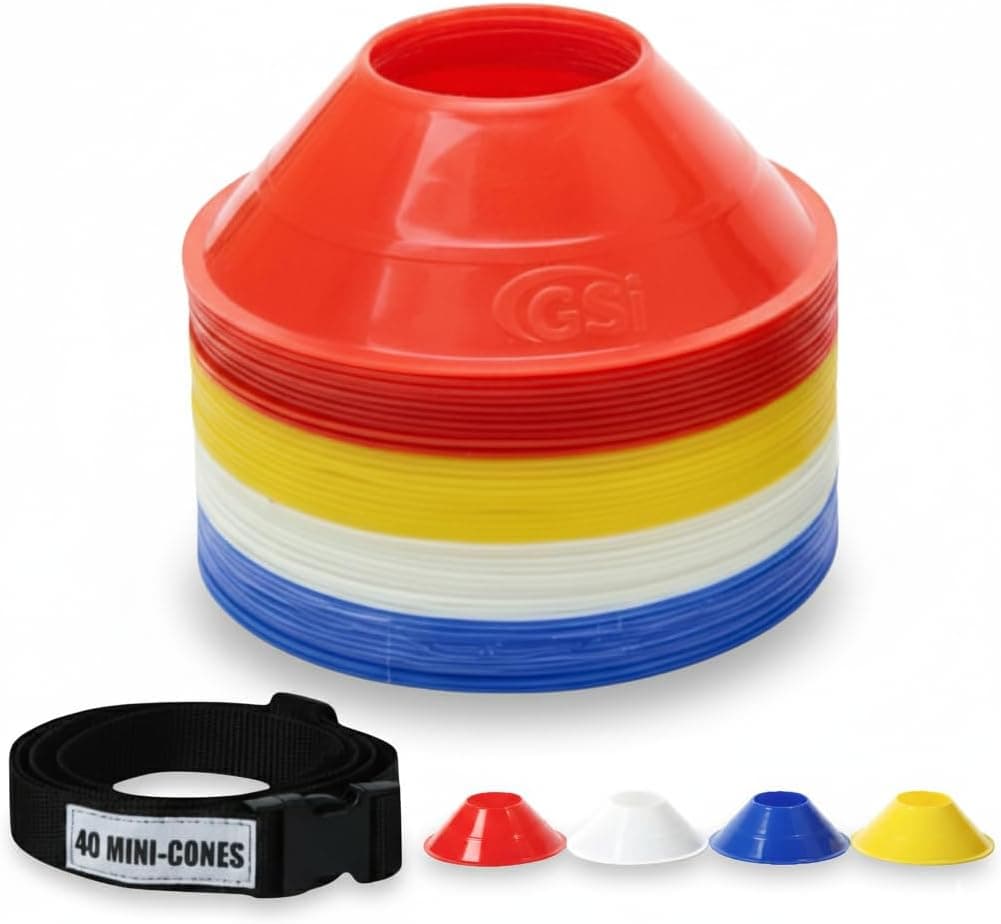
Disc Training Cones (Set of 40)
View on Amazon →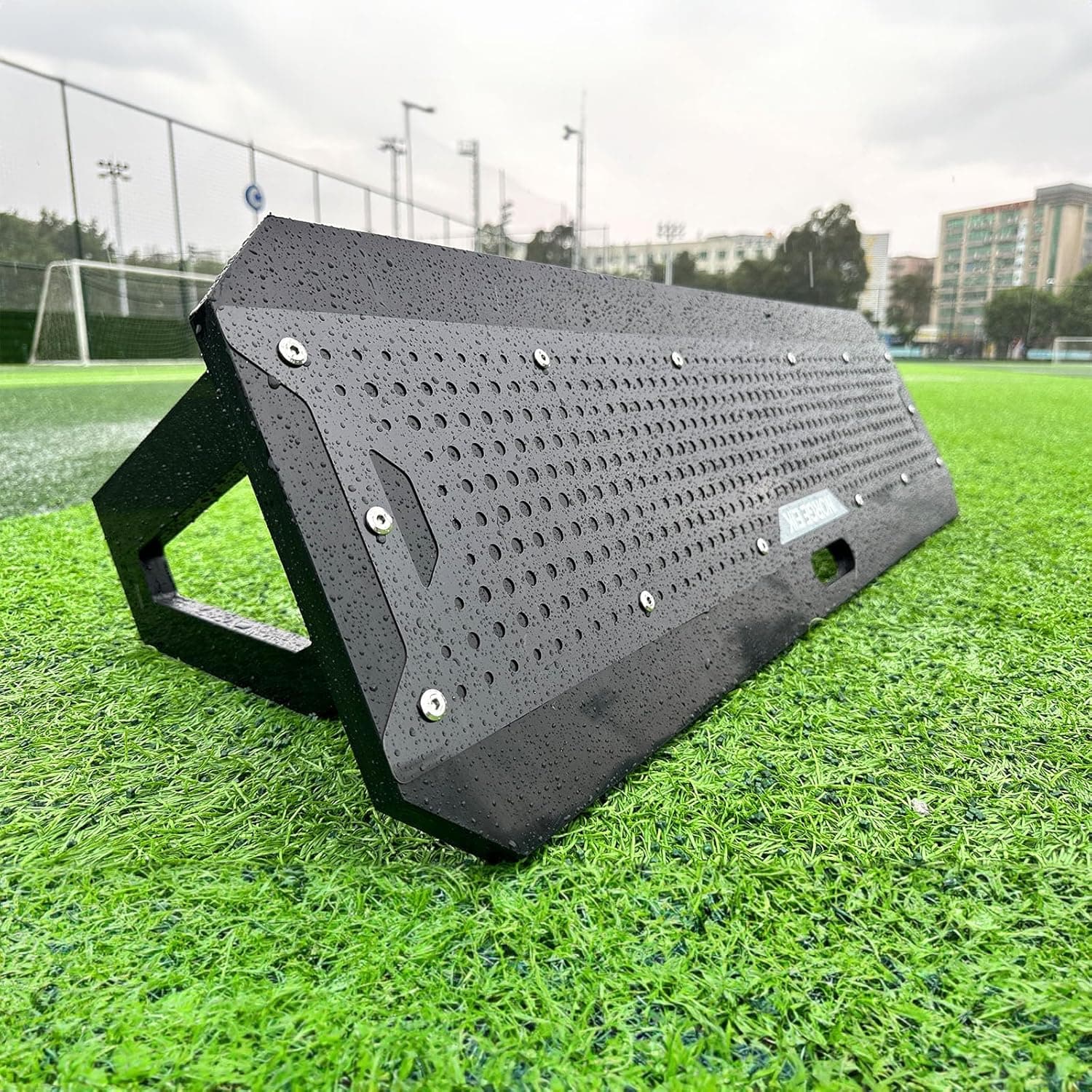
Soccer Rebounder
View on Amazon →As an Amazon Associate we earn from qualifying purchases, at no extra cost to you.