
Training Without Pressure The Missing Piece in Youth Development
December 19, 2025
The Pressure Problem in Youth Soccer
My son used to freeze during games. He'd receive the ball and, instead of the confident, creative player I saw in the backyard, he'd become tentative and rushed. He'd make the safe pass instead of the ambitious one. He'd avoid his weak foot entirely. He'd look over at the sideline — at me, at his coach — before making decisions.
It took me an embarrassingly long time to figure out what was happening. The skills were there. We'd worked on them for months. He could do a Cruyff turn in his sleep. His weak foot was genuinely competent. So why wasn't any of it showing up in games?
The answer was pressure. Not the pressure of the game itself — that was fine. It was the accumulated pressure of being watched, evaluated, and judged every time he touched a ball. Practice had become a performance. Training sessions had become auditions. And somewhere along the way, the joy of just playing soccer had been replaced by the anxiety of trying not to mess up.
This is the pressure problem in youth soccer, and it's far more pervasive than most parents realize.
How Pressure Kills Development
A certain amount of pressure is healthy and even necessary for growth. The pressure of competition, the desire to win, the challenge of performing under stress — these are all normal parts of athletic development. But there's a tipping point where pressure stops motivating and starts paralyzing.
For young athletes, that tipping point is often lower than adults realize. Research from the Institute for the Study of Youth Sports at Michigan State University has found that the number one reason kids quit sports is that it's no longer fun — and the primary fun-killer is excessive pressure from adults.
The Neuroscience of Pressure
When a child feels pressured or anxious, their brain releases cortisol, the stress hormone. Cortisol has several effects that directly impair athletic performance:
- It narrows attention. Under stress, the brain focuses on threats rather than opportunities. A stressed player sees defenders, not open space. They see mistakes, not possibilities.
- It inhibits creativity. The prefrontal cortex, which governs creative thinking and decision-making, is suppressed by cortisol. A pressured player defaults to safe, predictable choices.
- It disrupts motor control. Fine motor skills — exactly the skills needed for dribbling, passing, and first touch — deteriorate under stress. This is why players "choke" in high-pressure situations.
- It impairs learning. The hippocampus, critical for memory formation and skill consolidation, is negatively affected by chronic stress. A child who trains under constant pressure literally learns more slowly.
In contrast, when a child feels safe, relaxed, and intrinsically motivated, their brain releases dopamine — a neurotransmitter that enhances learning, memory, creativity, and motor control. A relaxed player learns faster, performs better, and enjoys the process more.
Where the Pressure Comes From
Pressure in youth soccer comes from multiple sources, and as parents, we need to be honest about our role in creating it.
Parental Pressure
Most of us don't think we're pressuring our kids. We're just "encouraging" them, "holding them accountable," "helping them reach their potential." But from a child's perspective, the line between encouragement and pressure is often blurry.
Pressure from parents can be overt: "You need to work harder. Other kids are getting ahead." Or it can be subtle: the tense body language on the sideline, the questions about performance on the drive home, the visible disappointment after a bad game, the constant focus on results rather than effort.
I had to take a hard look at my own behavior. I realized that my "encouragement" during training sessions was actually creating pressure. Standing over my son with a clipboard, timing his drills, correcting his technique — I was turning what should have been a fun, self-directed activity into a coached, evaluated performance.
Coach Pressure
Coaches vary enormously in their approach. Some create positive, development-focused environments where mistakes are learning opportunities. Others — sometimes unintentionally — create environments where errors are punished, playing time is contingent on results, and the message is "perform or else."
Peer Pressure
Kids are acutely aware of how they compare to their teammates. Being the slowest, the least skilled, or the one who makes the most mistakes creates social pressure that can be just as paralyzing as adult-imposed pressure.
Self-Imposed Pressure
Some children are naturally perfectionist and place enormous pressure on themselves. These kids are often the hardest to help because the pressure is internal. They need environments where making mistakes is normalized and celebrated as a learning opportunity.
The Missing Piece: Pressure-Free Training
Here's what I've come to believe is the most undervalued element in youth soccer development: time spent training without any pressure whatsoever. No coach watching. No parent evaluating. No teammates judging. Just a child, a ball, and the freedom to experiment, fail, and explore.
This is what home training provides that team practice cannot. When your child trains at home — following a program on Anytime Soccer Training, working through drills in the backyard, messing around with the ball in the garage — they're in a zero-pressure environment. Nobody is watching (or if you're around, you're not evaluating). There's no consequence for mistakes. There's no audience for successes.
In this environment, something remarkable happens:
- They try new things. Without fear of failure, kids attempt moves they'd never try in practice. They use their weak foot. They try audacious turns. They experiment.
- They develop intrinsic motivation. Without external rewards or punishments, the motivation to train comes from within — from the satisfaction of improvement, the joy of mastering something new, the pure fun of playing with the ball.
- They build confidence. Every skill mastered in private is a skill that can be deployed in public. The confidence built in the backyard transfers to the field.
- They enjoy the game. When soccer is regularly associated with pressure-free fun, it reinforces the love of the game that keeps kids playing for years.
How to Create a Pressure-Free Training Environment
Step Back (Literally)
The single most impactful thing I did was stop hovering during my son's home training. I set him up with a program on Anytime Soccer Training, showed him where the equipment was, and left him alone. I went inside. I didn't watch through the window. I didn't come out to "check on his progress." I gave him space.
The change was immediate. Without me watching, he started trying moves he'd never attempted. He'd spend extra time on things he found fun. He'd laugh at his mistakes instead of getting frustrated. He was playing again, not performing.
Focus on Effort, Not Outcomes
When you do talk about training, ask about the experience rather than the results. Not "How many juggles did you get?" but "Did you have fun?" Not "Did you beat your record?" but "What did you work on?" This shift in language tells your child that their effort and engagement matter more than measurable outcomes.
Normalize Mistakes
Make it clear that mistakes are expected and even desirable. "If you're not messing up, you're not challenging yourself" is a mantra in our house. Share stories of professional players who fail constantly — Messi loses the ball dozens of times per game. Ronaldo misses free kicks regularly. Mistakes are the raw material of improvement.
Let Them Choose
Give your child autonomy over their training. Let them pick which drills to do, which skills to focus on, how long to train. Autonomy is a fundamental human need, and when it's respected, intrinsic motivation flourishes. When it's denied, resentment builds.
Separate Training from Consequences
Training should never be tied to rewards or punishments. "If you don't practice, you can't play video games" turns soccer into a chore. "If you practice every day this week, I'll buy you new cleats" turns it into a transaction. Neither approach builds lasting intrinsic motivation. Instead, create the conditions for training to be enjoyable on its own merits, and trust that your child will engage because they want to, not because they have to.
The Transfer Effect: From Backyard to Game Day
Parents sometimes worry that pressure-free training won't prepare their child for the pressure of competition. The opposite is actually true. Players who have spent extensive time training without pressure develop a deep comfort with the ball that survives the transition to high-pressure environments.
Think of it this way: a skill that's been practiced thousands of times in a relaxed state becomes deeply automatic. It's wired into the neural circuitry so thoroughly that it can be executed even when the conscious mind is stressed. This is what "clutch performance" actually is — skills so well-rehearsed that they persist under pressure.
My son is a perfect example. After six months of pressure-free home training, the skills he developed started showing up in games — not all at once, but gradually and consistently. The Cruyff turn he'd practiced a thousand times in the backyard appeared in a game. The weak-foot pass he'd worked on against the wall came out in a tight situation. The creative dribbling he'd explored in private emerged in public.
The skills transferred because they were deeply learned. And they were deeply learned because they were developed in an environment where the brain could focus entirely on skill acquisition, unburdened by the cognitive load of managing pressure and anxiety.
Balancing Pressure and Freedom
I'm not advocating for eliminating all pressure from your child's soccer experience. Competition, challenge, and accountability are important parts of development. Team practice, games, and tournaments all have their place.
What I'm advocating for is balance. Most young players get plenty of pressure through their organized soccer activities. What they often lack is dedicated time for pressure-free, self-directed training. Adding this component to your child's routine doesn't replace their team experience — it complements and enhances it.
A balanced weekly schedule might look like:
- 2-3 team practices (structured, coached, moderate pressure)
- 1 game per week (competitive, higher pressure)
- 3-4 home training sessions (self-directed, zero pressure)
- 1-2 free play sessions (pickup games, backyard play, zero structure)
This balance ensures that your child is developing skills, learning to compete, building habits, and — critically — maintaining their love of the game through regular experiences of pure, unencumbered joy on the ball.
Starting Today
If this article has resonated with you, here's what I'd encourage you to do this week:
- Set up a space where your child can train on their own
- Provide a resource like Anytime Soccer Training so they have structure without needing you to direct them
- Step back and let them own the experience
- Ask about fun rather than results
- Trust the process — pressure-free training works, even if the results take time to become visible
The missing piece in most young players' development isn't more coaching, more practice, or more games. It's more time with the ball in an environment where they're free to play, experiment, and fall in love with the game all over again. Give your child that gift, and watch what happens.
Gear we use for this
The kit our own players train with at home.

Adidas MLS Training Soccer Ball
View on Amazon →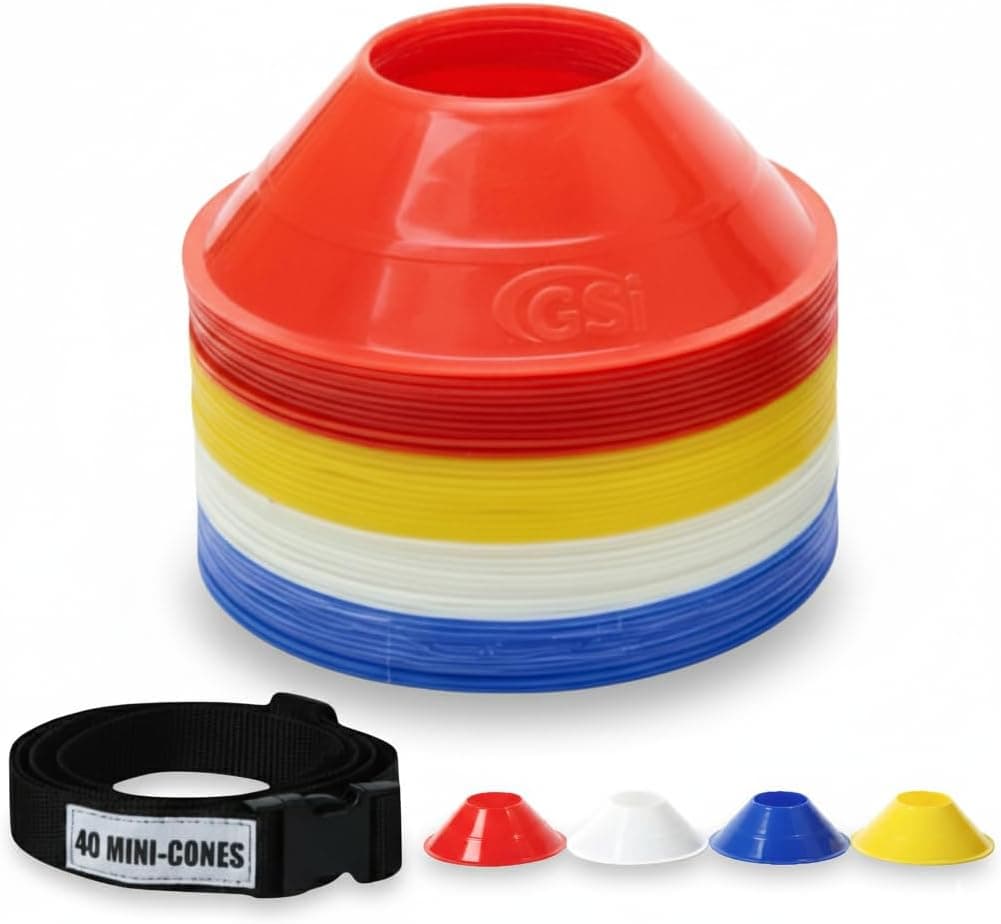
Disc Training Cones (Set of 40)
View on Amazon →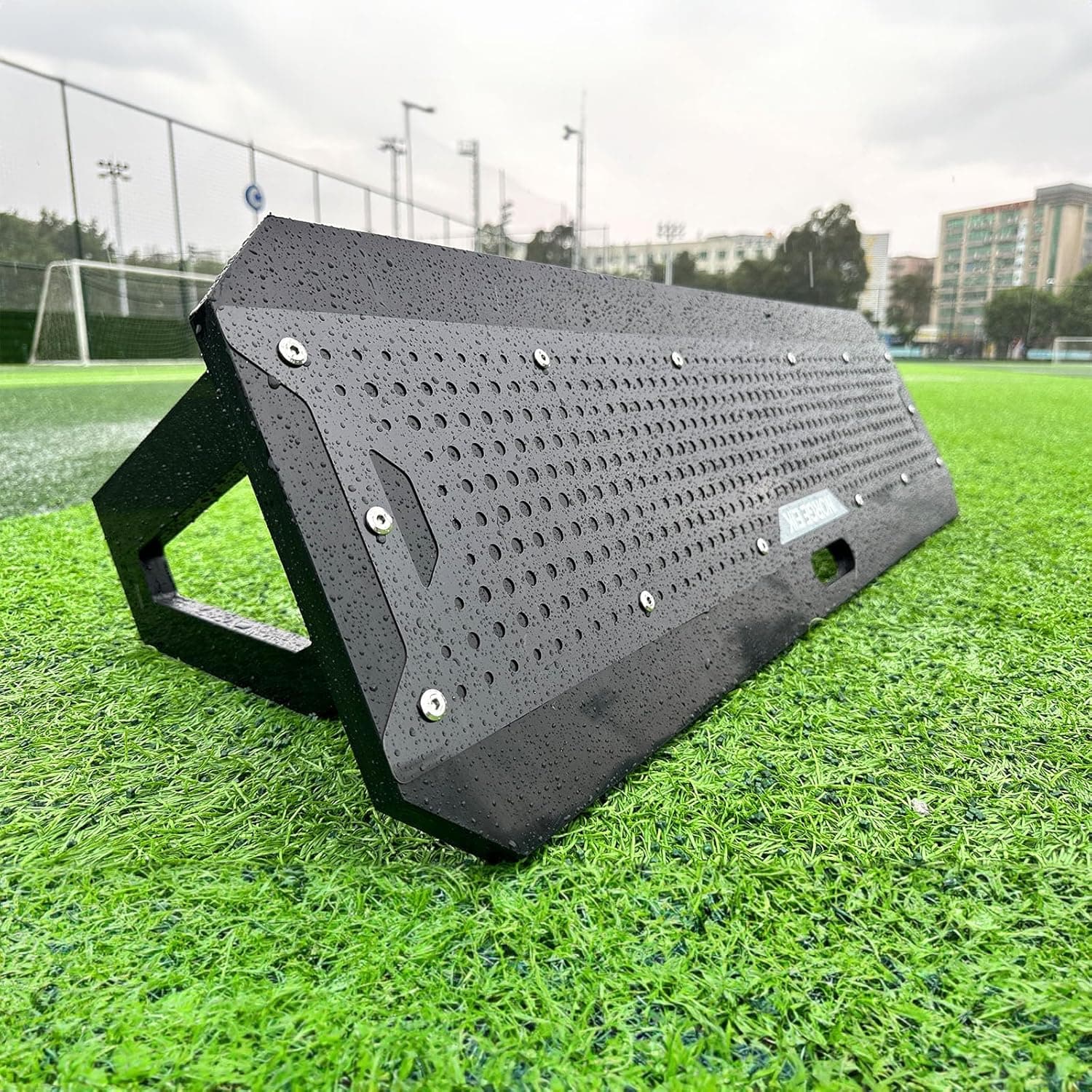
Soccer Rebounder
View on Amazon →As an Amazon Associate we earn from qualifying purchases, at no extra cost to you.