
Training Without Being a Pushy Soccer Parent
February 23, 2026
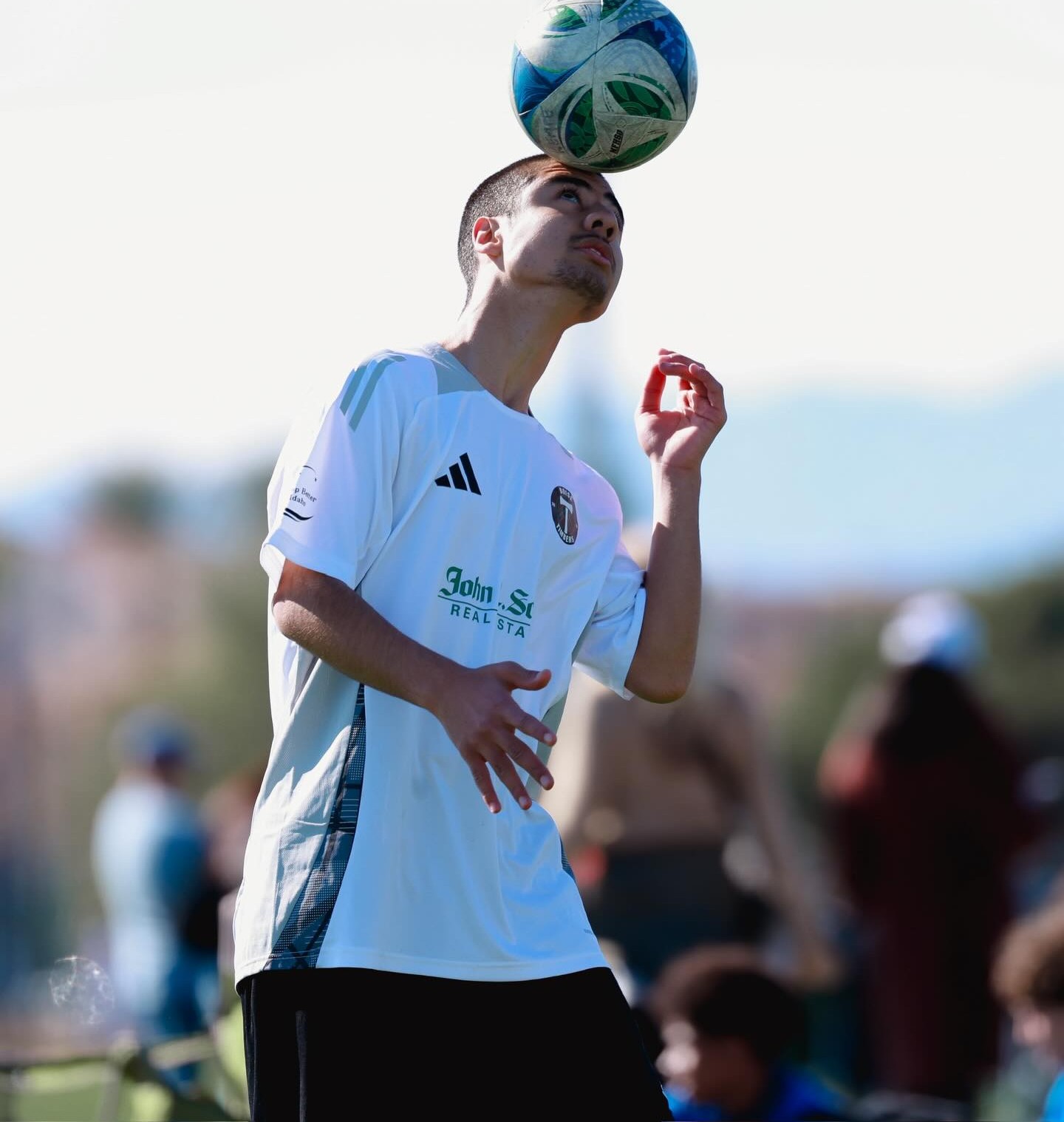
Training Without Being a Pushy Soccer Parent: Finding My Approach
Every soccer parent walks a tightrope. On one side is the pushy parent who turns every game into a coaching session, every practice into a performance review, and every backyard kickaround into a high-pressure training camp. On the other side is the completely hands-off parent who provides zero support, zero structure, and zero encouragement for their child's soccer development. Neither extreme serves the child well.
Finding the middle ground — being supportive without being suffocating, providing structure without creating pressure, encouraging development without demanding results — is the art of soccer parenting. It's an art I've been practicing for years, and I'm still learning. But I've found an approach that works for our family, and I want to share it with you.
The Problem With the Extremes
The pushy parent is easy to identify. They're the ones shouting instructions from the sideline, drilling their kids in the backyard like a military instructor, and measuring success purely in goals, wins, and playing time. Their kids often perform well in the short term but burn out, develop anxiety, or quit the sport entirely by their early teens. The pushy parent's love is real, but their approach communicates conditional acceptance: I love you when you play well.
The hands-off parent is harder to identify because they look like they're being respectful of their child's autonomy. But complete disengagement can be just as harmful. Children need support, structure, and encouragement. A child whose parent shows no interest in their soccer development receives the message that it doesn't matter. Without any support for home training, these kids are entirely dependent on team practice for their development, which is rarely sufficient.
The ideal is somewhere in between: an engaged, supportive parent who provides structure and resources while letting the child own the experience.
My Framework: The Facilitator Parent
I've come to think of my role as a facilitator, not a coach or a director. A facilitator creates the conditions for success without dictating how that success happens. Here's what that looks like in practice:
1. I Provide the Environment, Not the Instruction
My job is to make training easy and accessible. I set up the cones, inflate the ball, queue up the Anytime Soccer Training session, and make sure there's space and time in our schedule. What I don't do is stand there directing: "Do this drill. No, not like that. Do it again."
The instruction comes from the training platform. My child follows along with a professional coach on video, learning technique from someone who actually knows what they're talking about (unlike me, who played intramural soccer in college and has strong opinions but weak credentials). This separation of roles is critical. The screen provides the coaching; I provide the encouragement and the after-session high-five.
2. I Offer, I Don't Mandate
The language I use matters enormously. Instead of "Time for training," I say, "Your session is set up in the garage whenever you're ready." Instead of "You need to work on your left foot," I say, "I noticed the Anytime Soccer Training app has some cool left-foot challenges. Want to check them out?"
The difference is subtle but significant. Offering gives the child agency. Mandating creates obligation. Kids who feel they're choosing to train are more engaged, more consistent, and more likely to sustain the habit long-term than kids who feel they're being forced.
Do they always choose to train? No. Some days they'd rather play video games or read or do absolutely nothing. And that's okay. I'm playing the long game here. If they train four or five days a week because they want to, that's more sustainable and effective than training seven days a week because they have to.
3. I Celebrate Effort, Not Outcomes
After games, I don't ask about the score. I ask: "What was the most fun part?" "Did you try anything new?" "Was there a moment you were really proud of?" These questions communicate that the experience matters more than the result.
After home training sessions, I don't evaluate performance. I acknowledge the effort: "Nice work getting your session done." "You've been really consistent this week — that's impressive." "I saw you working on that move for a while. That kind of persistence is how players get better."
This approach builds intrinsic motivation. My child trains because the process is rewarding, not because they fear my judgment if they don't.
4. I Stay on the Right Side of the Line at Games
At games, I cheer. That's it. "Great effort!" "Nice pass!" "Way to get back on defense!" I don't coach. I don't critique. I don't point out mistakes. I don't position-coach from the sideline.
This is harder than it sounds. When you see your child make the same mistake for the third time in a game, the urge to shout a correction is almost physical. But I've learned that in-game coaching from parents creates anxiety, not improvement. The correction can wait for a calm conversation later — or better yet, can be addressed through targeted home training during the week.
5. I Let Them Own Their Soccer Journey
My child chooses their position preferences. My child decides how much extra training they want to do. My child sets their own goals for the season. My input is invited but not imposed.
This doesn't mean I'm completely passive. If I notice my child's first touch declining, I might say, "I've noticed your first touch has been a little off lately. Want to do some wall work this week?" But if they say no, I accept it. They know their body and their motivation better than I do. My observation is available if they want it. It's not a mandate.
Practical Strategies That Keep Training Positive
Here are specific strategies that help me maintain the facilitator approach:
- Use a platform, not yourself, as the coach. Anytime Soccer Training removes me from the instruction equation entirely. My child follows expert-guided sessions, and I'm just the supportive presence in the background. No tension, no power struggle, no parent-as-coach dynamic.
- Train together, not over them. When I participate in training — juggling alongside my child, playing 1v1, doing the same cone course — it's a shared activity rather than a supervised one. We're doing it together, which feels fundamentally different from me watching and evaluating them.
- End every session with play. After any structured training, we spend a few minutes just playing. Shooting contests, silly challenges, free play with the ball. This ensures the experience ends on a joyful note, regardless of how the structured portion went.
- Never train when they're upset. If my child is in a bad mood, had a rough day at school, or is emotionally dysregulated, training is off the table. Trying to push through negative emotions creates an association between training and stress. Wait for a better moment.
- Regularly check the temperature. Every couple of weeks, I ask my child a simple question: "On a scale of 1-10, how much fun is soccer right now?" If the number drops below 7, we need to talk about what's going on and what needs to change.
When the Approach Gets Tested
I'm not going to pretend this approach is easy. There are moments when the facilitator role gets tested:
- When your child's team loses because of avoidable mistakes, and you want to fix them.
- When tryouts are approaching and your child isn't training as much as you think they should.
- When you see other parents pushing their kids and those kids seem to be progressing faster.
- When your child goes through a lazy phase and you worry they're wasting their potential.
In these moments, I remind myself: this is their sport, not mine. My role is to provide the tools and the environment, not to control the outcome. If they want to train more, I'll make it happen. If they don't, I'll trust that this is a phase, and their motivation will return. And if it doesn't — if they decide soccer isn't their thing — I'll support that too, because my love for my child is not contingent on their soccer performance.
The Results of the Facilitator Approach
Since adopting this approach, I've noticed several positive outcomes:
- My child trains more consistently. When training is an invitation rather than an order, they actually do it more often. The autonomy makes them more willing, not less.
- Our relationship around soccer is better. We don't argue about training. We don't have tense car rides after games. Soccer is a positive part of our relationship, not a source of conflict.
- My child's love of the game is strong. They watch professional soccer for fun. They organize pickup games with friends. They ask for new training challenges. The love is genuine and self-sustaining.
- They're developing at their own pace. They're not the best player on the team, and they're not the worst. They're a player who is steadily improving, enjoying the process, and building habits that will serve them regardless of how far they go in soccer.
The Bottom Line
You don't have to choose between being a pushy parent and being an uninvolved one. The facilitator approach gives you a third option: deeply involved in supporting your child's development while completely hands-off on controlling it.
Provide the tools (a ball, cones, a training platform like Anytime Soccer Training). Create the environment (time, space, encouragement). Celebrate the effort (not the outcomes). And trust your child to find their own relationship with the beautiful game.
It's not always easy. But when you see your child voluntarily grab a ball and head outside for a training session they chose to do, for goals they set for themselves, in a sport they genuinely love — you'll know the approach is working.
Gear we use for this
The kit our own players train with at home.

Adidas MLS Training Soccer Ball
View on Amazon →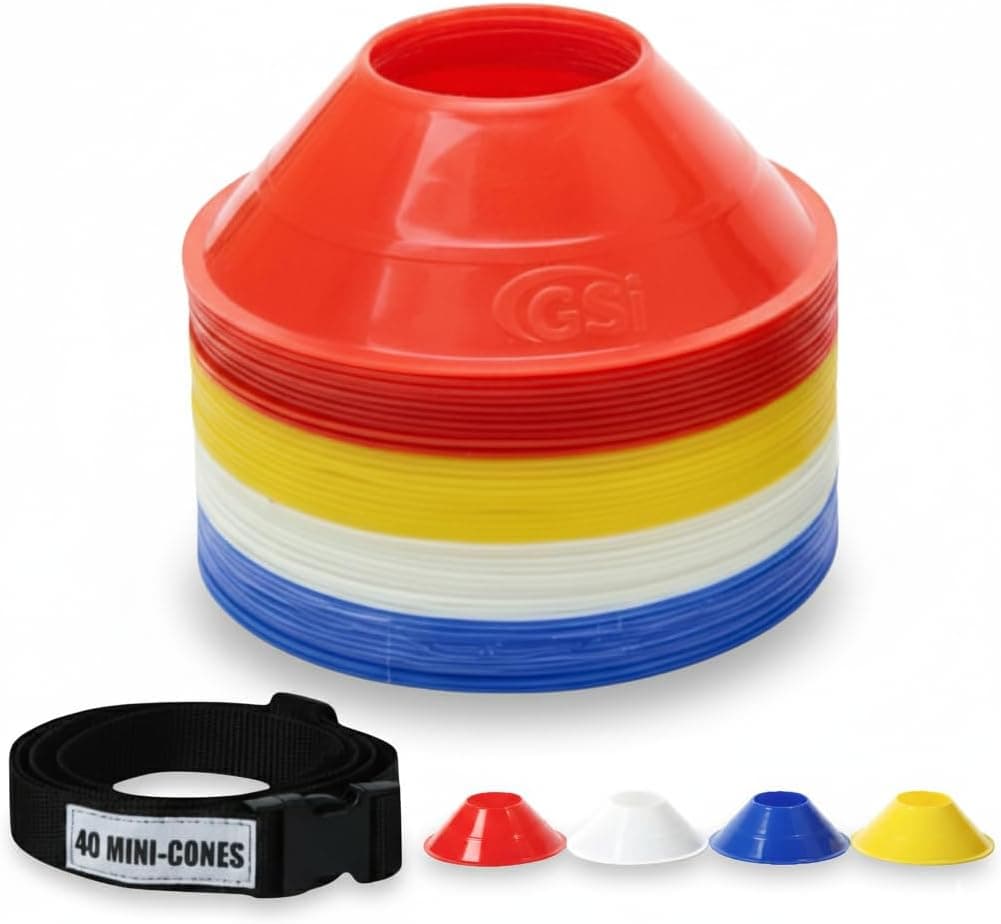
Disc Training Cones (Set of 40)
View on Amazon →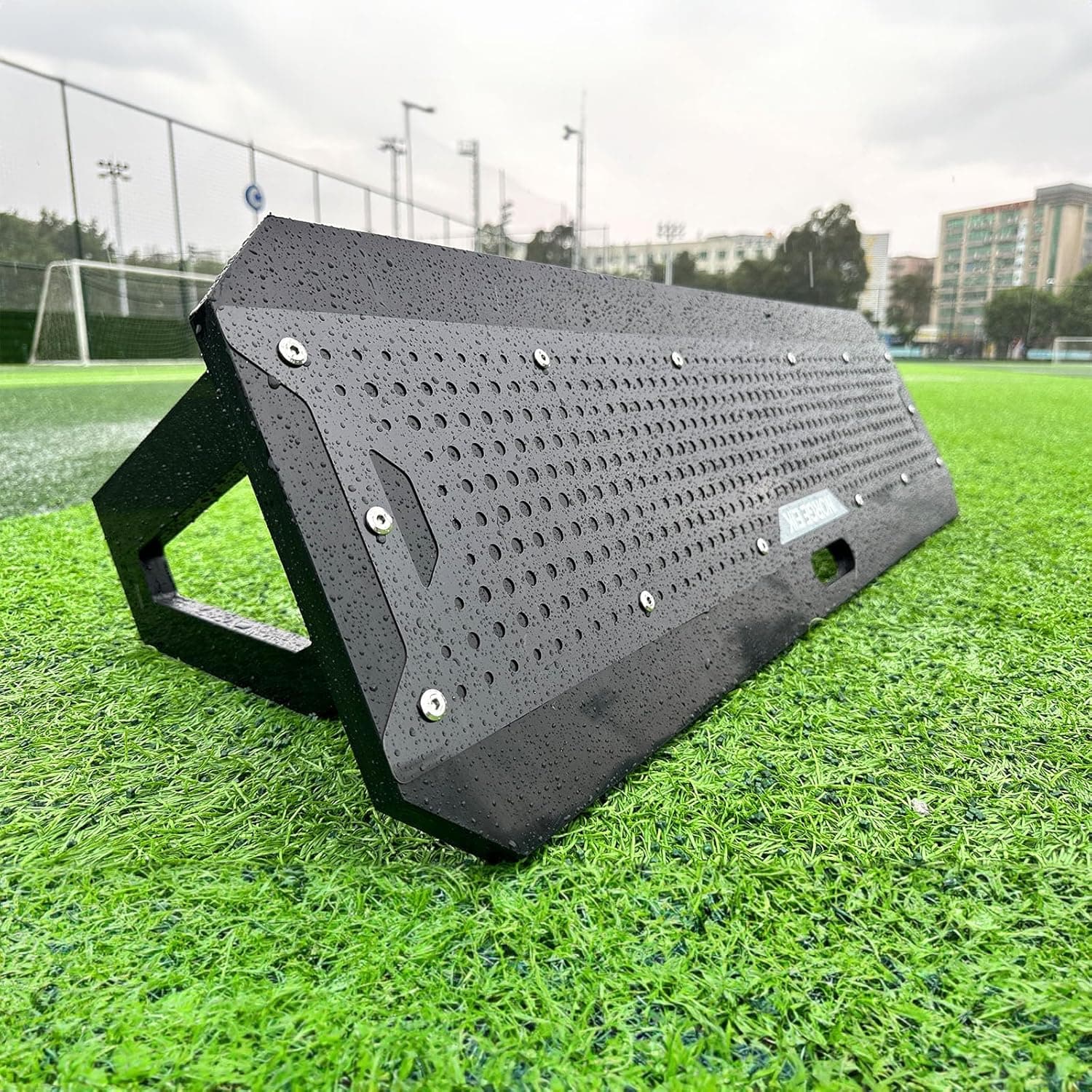
Soccer Rebounder
View on Amazon →As an Amazon Associate we earn from qualifying purchases, at no extra cost to you.