
The Top 5 Benefits of Soccer for Kids Backed by Science
February 12, 2026

The Top 5 Benefits of Soccer for Kids Backed by Science
As parents, we often focus on soccer's competitive aspects — making the team, improving skills, winning games. But the deeper reasons soccer matters for children extend far beyond the pitch. Decades of research in sports science, psychology, and child development reveal that soccer provides a unique combination of physical, cognitive, social, and emotional benefits that shape children in profound ways.
This isn't a feel-good fluff piece. Every benefit listed here is supported by peer-reviewed research. Understanding the science behind why soccer matters can help you appreciate the full value of your child's participation and make better decisions about how to support their development.
Benefit 1: Cardiovascular Health and Physical Fitness
This might seem obvious, but the magnitude of soccer's physical health benefits is genuinely remarkable. Soccer is one of the most physically demanding youth sports, involving continuous running, sprinting, jumping, and direction changes over an extended period.
What the research says:
- A study published in the Scandinavian Journal of Medicine and Science in Sports found that children who play soccer have significantly better cardiovascular fitness, lower body fat percentage, and higher bone density compared to sedentary children — and even compared to children who participate in many other sports.
- Research from the University of Copenhagen showed that soccer-specific exercise improves cardiovascular health markers more effectively than jogging at the same overall intensity, likely because the intermittent nature of soccer (sprint-jog-sprint) stresses the cardiovascular system in a more varied and comprehensive way.
- A longitudinal study found that children who participate in team sports like soccer are more likely to maintain physical activity habits into adulthood, reducing lifetime risk of heart disease, diabetes, and obesity.
Soccer is particularly effective because it doesn't feel like exercise. Children are running, sprinting, and moving for 60-90 minutes without thinking about fitness — they're just playing a game. This makes soccer one of the most sustainable forms of physical activity for young people.
How to maximize this benefit: Consistent participation is key. Regular team practice and games provide the baseline, but supplemental home training adds valuable physical activity minutes. Even a 15-minute Anytime Soccer Training session gets your child's heart rate up and body moving, contributing to their overall fitness outside of formal practice.
Benefit 2: Cognitive Development and Academic Performance
Soccer is often called "the thinking game," and for good reason. Unlike sports with set plays and timeouts, soccer requires continuous real-time decision-making. Every second on the field, a player is processing information, weighing options, and making choices. This constant cognitive engagement has measurable effects on brain development.
What the research says:
- A study in the British Journal of Sports Medicine found that children who participate in team sports like soccer show improved executive function — the set of mental skills that includes working memory, flexible thinking, and self-control. These are the same cognitive skills that predict academic success.
- Research published in Pediatrics showed that physical activity, particularly intermittent high-intensity activity like soccer, improves concentration and attention in children. Kids who are physically active before school perform better on academic tasks throughout the day.
- A German study found that youth soccer players outperformed non-athletes on tests of spatial reasoning, working memory, and cognitive flexibility. The researchers attributed this to the complex decision-making demands of the sport.
The cognitive benefits of soccer go beyond general fitness effects. The sport-specific demands — scanning the field, predicting opponents' movements, coordinating with teammates, adapting to rapidly changing situations — train the brain in ways that transfer to academic and life skills.
How to maximize this benefit: Encourage your child to watch and study the game, not just play it. Discussing tactical scenarios, watching professional games with analytical eyes, and training decision-making through small-sided games all enhance the cognitive benefits of soccer participation.
Benefit 3: Social Skills and Emotional Intelligence
Soccer is inherently social. It requires communication, cooperation, conflict resolution, empathy, and leadership — all within a context that children find engaging and meaningful. The social environment of a soccer team provides a natural laboratory for developing these critical life skills.
What the research says:
- A comprehensive review in the Psychology of Sport and Exercise found that team sport participation is associated with improved social competence, better peer relationships, and reduced social anxiety in children and adolescents.
- Research from the Aspen Institute showed that children who participate in team sports report higher levels of social connectedness, belonging, and friendship quality compared to children who participate in individual sports or no sports.
- A study in the Journal of Applied Sport Psychology found that youth athletes who experience positive team sport environments develop higher emotional intelligence — the ability to recognize, understand, and manage their own emotions and those of others.
Soccer teams create a microcosm of society where children learn to navigate diverse personalities, handle disagreements, celebrate others' successes, cope with shared failures, and work toward common goals. These experiences build social skills that are difficult to develop in any other context.
How to maximize this benefit: Look for teams and coaches that prioritize a positive team culture. Encourage your child to support teammates, communicate on the field, and develop relationships beyond just playing together. Arrange team social events, carpooling partnerships, and off-field interactions that strengthen team bonds.
Benefit 4: Mental Health and Emotional Well-Being
In an era of rising childhood anxiety and depression, soccer provides a powerful antidote. The combination of physical activity, social connection, skill mastery, and outdoor time creates a cocktail of mental health benefits that few other activities can match.
What the research says:
- A meta-analysis published in JAMA Pediatrics found that physical activity — particularly team sports — is associated with significantly lower rates of depression and anxiety in children and adolescents.
- Research from the University of Montreal showed that children who participate in team sports have higher self-esteem, lower stress levels, and better overall mental health outcomes compared to inactive peers.
- A study in the Journal of Adolescent Health found that the combination of physical activity, social connection, and skill mastery provided by team sports creates a "triple buffer" against mental health challenges. Each element provides independent benefits, and together they create a powerful protective effect.
The mechanism is multifaceted. Exercise releases endorphins and reduces cortisol (the stress hormone). Social connection satisfies the fundamental human need for belonging. Skill mastery builds self-efficacy — the belief that "I can do hard things." And outdoor activity in natural light regulates circadian rhythms and vitamin D levels, both of which affect mood.
How to maximize this benefit: Keep soccer positive. The mental health benefits of sport are contingent on the experience being enjoyable and supportive. A toxic team environment, an abusive coach, or excessive parental pressure can reverse these benefits and actually harm mental health. Prioritize your child's enjoyment and emotional safety above all competitive considerations.
Home training can also contribute to mental well-being by providing a daily sense of accomplishment and progress. When your child completes an Anytime Soccer Training session and sees their skills improving, it builds the self-efficacy that protects against anxiety and depression.
Benefit 5: Life Skills and Character Development
The final benefit is perhaps the most important and the hardest to measure. Soccer, experienced in a supportive environment, teaches life skills that transfer far beyond the pitch.
What the research says:
- A study published in the Journal of Sport and Exercise Psychology found that youth sport participation is associated with improved goal-setting skills, time management abilities, and perseverance — all of which predict success in academics and careers.
- Research from the Positive Coaching Alliance found that athletes who experience positive youth sport environments develop higher levels of resilience, grit, and emotional regulation compared to non-athletes.
- A longitudinal study tracking youth athletes into adulthood found that the discipline, teamwork, and competitive drive developed through sports were among the strongest predictors of professional success later in life — more predictive than academic grades in many cases.
The specific life skills soccer develops include:
- Resilience: Learning to bounce back from losses, mistakes, and disappointments.
- Discipline: Committing to regular practice and putting in effort even when it's not fun.
- Teamwork: Working with others toward a common goal, even when there are personality conflicts.
- Time management: Balancing soccer with school, family, and other commitments.
- Goal setting: Working toward specific, measurable objectives and experiencing the connection between effort and achievement.
- Sportsmanship: Winning with humility, losing with grace, and treating opponents with respect.
How to maximize this benefit: These life skills don't develop automatically through soccer participation. They develop when parents and coaches intentionally highlight and reinforce them. When your child works hard in training and sees improvement in a game, draw the connection: "See what happens when you put in the work? That's true in soccer and in everything else." When they lose a tough game, help them process it constructively: "What did you learn? How will you prepare differently?"
Daily home training through platforms like Anytime Soccer Training is itself a lesson in discipline and self-improvement. A child who commits to 15 minutes of training every day is developing habits of consistency and self-directed improvement that will serve them for the rest of their lives.
The Full Picture
When you add up these five evidence-based benefits — physical fitness, cognitive development, social skills, mental health, and life skills — the case for soccer participation is overwhelming. No other single activity provides this breadth and depth of developmental benefit for children.
But here's the critical caveat: these benefits are contingent on the quality of the experience. A positive soccer experience — one characterized by fun, supportive relationships, appropriate challenge, and player autonomy — produces all of these benefits. A negative experience — one characterized by excessive pressure, toxic coaching, or parental over-involvement — can actually reverse them.
Your job as a parent isn't just to get your child into soccer. It's to ensure that their soccer experience is the kind that produces these benefits. Choose good coaches. Maintain perspective. Keep it fun. Support their development with tools like Anytime Soccer Training. And remember that the most important outcomes of your child's soccer career aren't trophies or scholarships — they're the physical health, mental resilience, social skills, and character traits that will serve them for a lifetime.
Gear we use for this
The kit our own players train with at home.
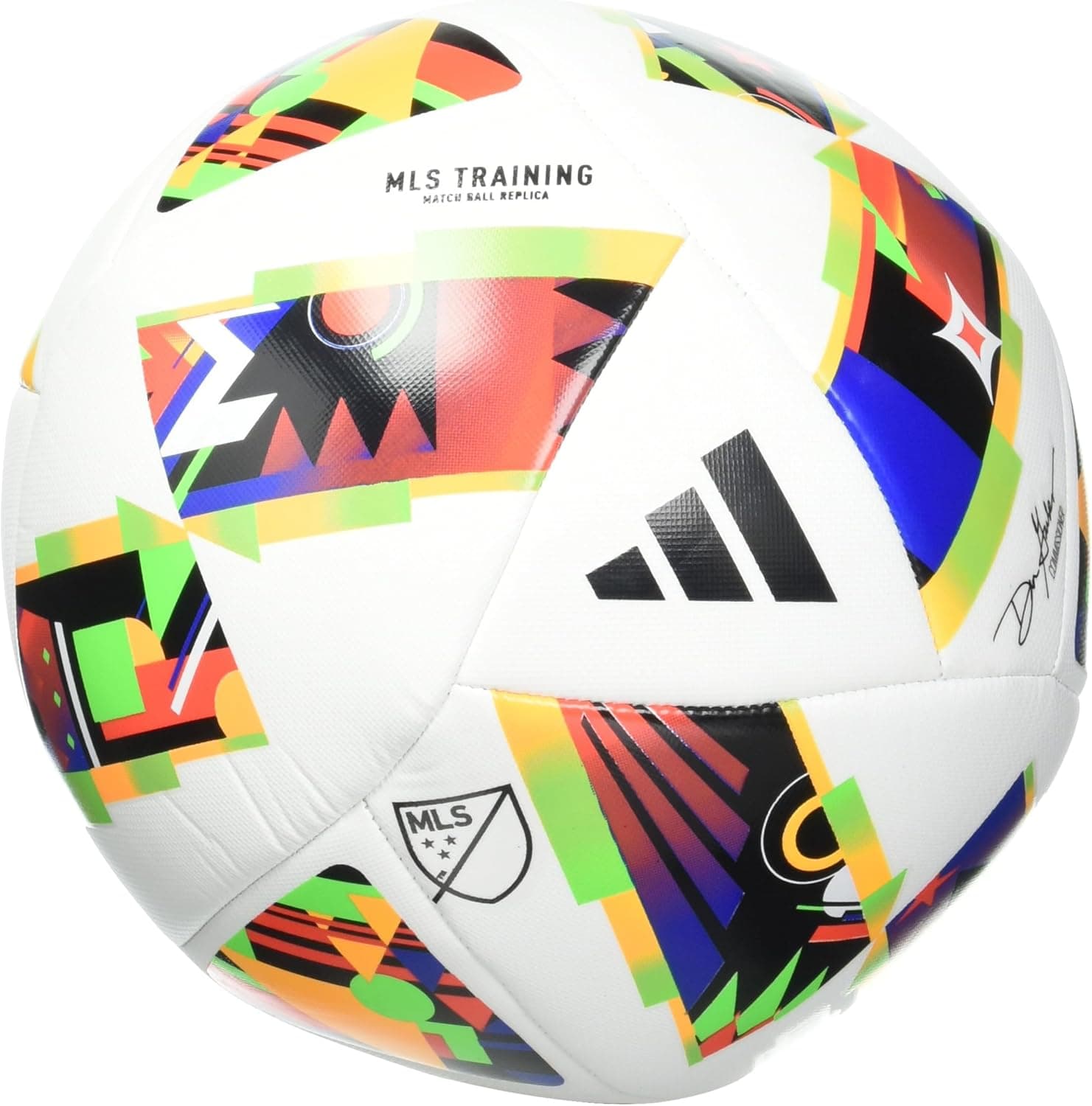
Adidas MLS Training Soccer Ball
View on Amazon →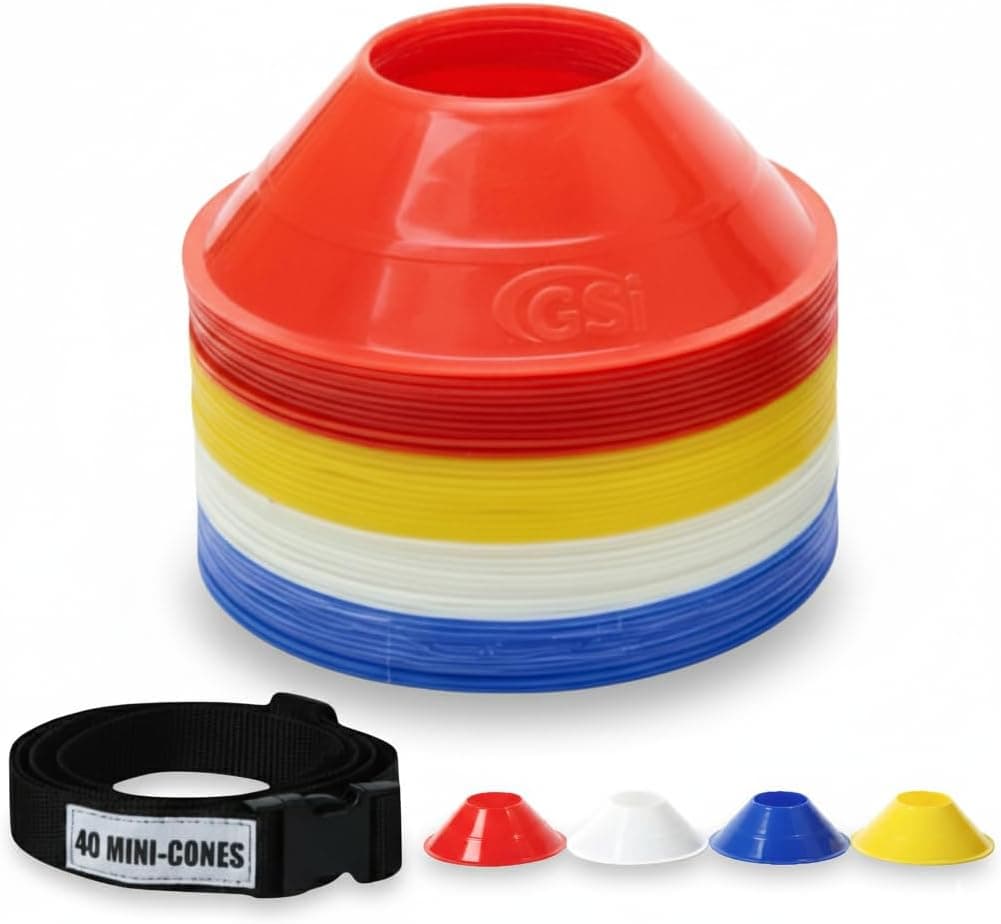
Disc Training Cones (Set of 40)
View on Amazon →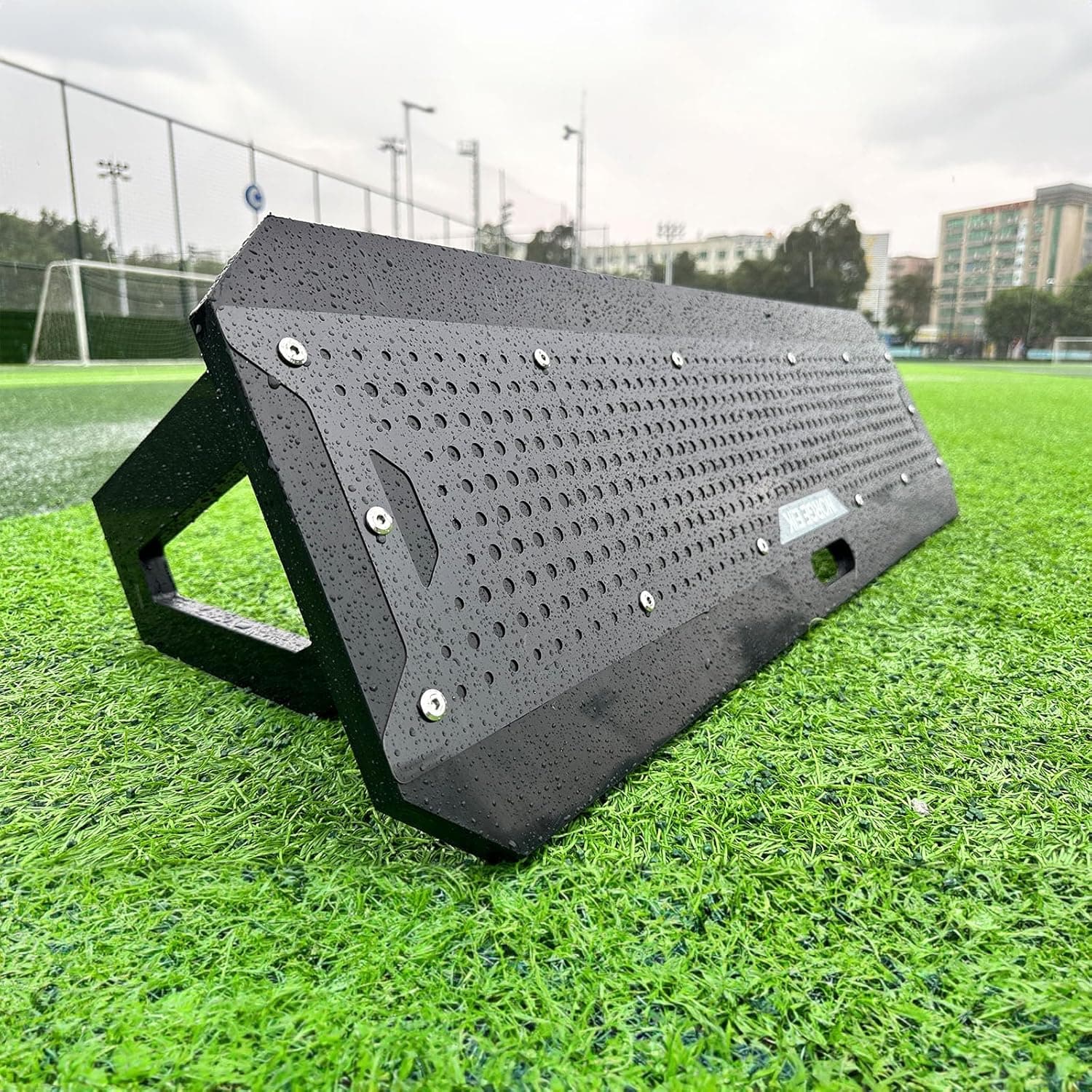
Soccer Rebounder
View on Amazon →As an Amazon Associate we earn from qualifying purchases, at no extra cost to you.