
Top 10 Skills Every Young Soccer Player Should Master
February 3, 2026
Top 10 Skills Every Young Soccer Player Should Master
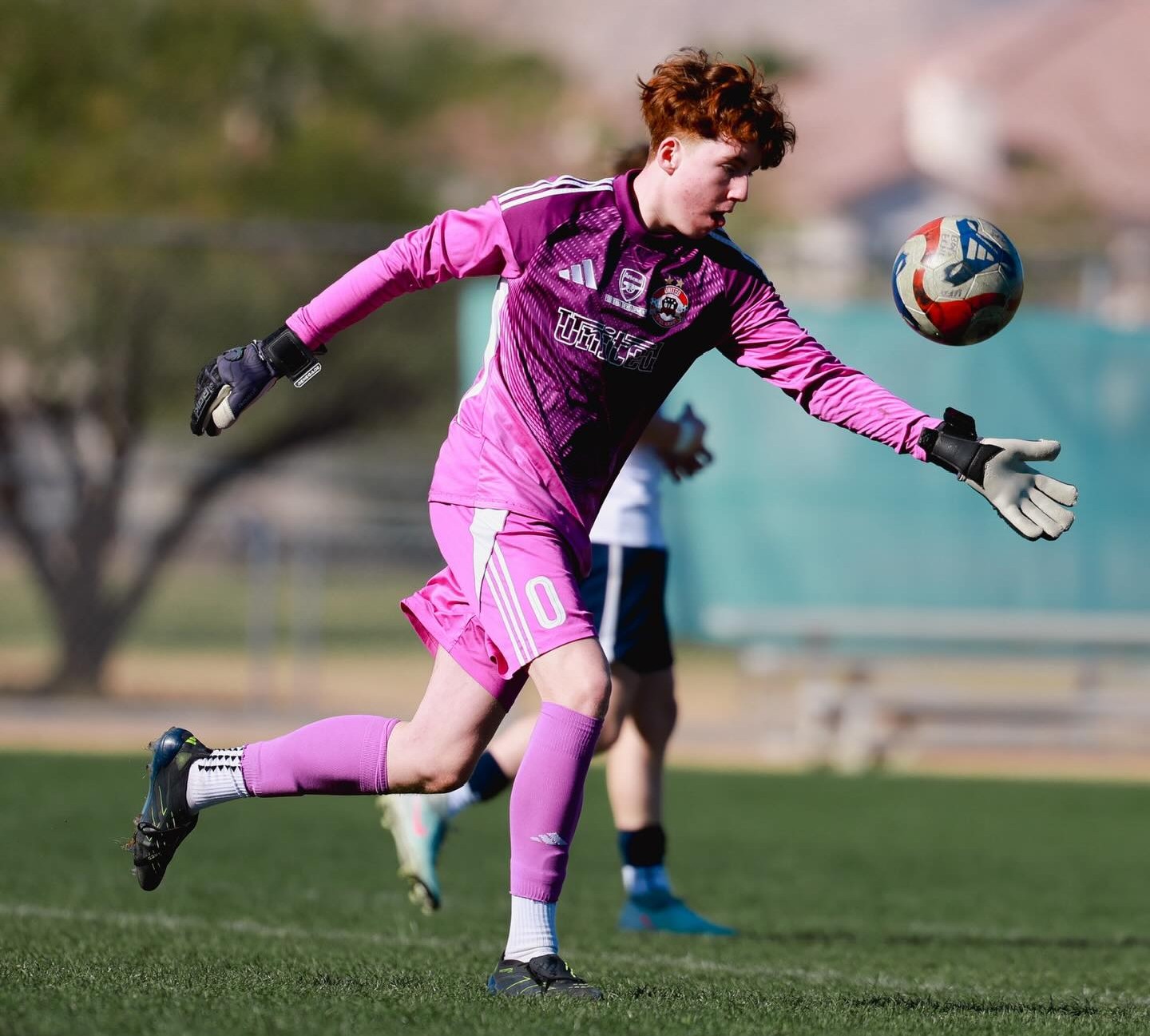
When my oldest son started playing soccer at age six, I had no idea what skills he should be working on. I figured kicking the ball hard and running fast were pretty much all that mattered. Boy, was I wrong. Over the years, through countless practices, games, coaching courses, and conversations with professional trainers, I have learned that there is a clear progression roadmap for youth soccer skill development. And I wish someone had given it to me on day one.
This is the guide I wish I had when we started. Whether your child is just beginning their soccer journey or has been playing for a few years, these are the ten foundational skills that every young player needs to master. I have listed them in the order I believe they should be prioritized, from the most fundamental to the more advanced.
1. Ball Mastery and Comfort on the Ball
Before anything else, your child needs to be comfortable with a soccer ball at their feet. Ball mastery is the foundation upon which every other skill is built. It includes things like rolling the ball with the sole of the foot, tapping the ball back and forth between feet, and performing simple moves like the toe tap and the foundation.
Why is this first? Because a player who is comfortable on the ball will naturally develop better dribbling, passing, and shooting over time. A player who is not comfortable on the ball will always be limited, no matter how athletic they are.
When my son first started ball mastery exercises, he could barely keep the ball under control for more than a few seconds. Within a month of daily practice, he was flowing through routines that looked effortless. The transformation was remarkable and it gave him confidence that spilled over into every other aspect of his game.
How to practice at home: Start with simple foundation touches. Sole rolls, tick tocks, and inside-outside touches for five to ten minutes daily. Platforms like Anytime Soccer Training have structured ball mastery programs that progress from beginner to advanced, making it easy to follow along.
2. First Touch and Receiving
A great first touch is what separates good players from average ones. The ability to receive a pass cleanly and set the ball up for the next action is absolutely critical. I have watched hundreds of youth games, and the pattern is always the same: the kids with the best first touch are the ones who have the most time on the ball, make the fewest mistakes, and create the most opportunities.
First touch is about cushioning the ball when it comes to you, using different surfaces of your foot, and directing the ball into space where you can do something productive with it. It sounds simple, but it takes thousands of repetitions to develop a truly reliable first touch.
How to practice at home: Use a wall or rebounder to pass and receive. Focus on controlling the ball with one touch before making the next pass. Practice receiving with the inside of the foot, outside of the foot, and sole. Start close to the wall and gradually increase the distance as control improves.
3. Dribbling and Close Control
Once your child is comfortable with the ball and can receive it cleanly, the next step is dribbling. Dribbling is about moving with the ball while keeping it close and under control. Young players often kick the ball too far ahead of them when they dribble, which makes it easy for defenders to steal.
Good dribbling is about taking lots of small touches, keeping the ball within playing distance, and being able to change direction quickly. It is not about fancy tricks or stepovers, at least not initially. It is about control and awareness.
I remember watching my son in a game after we had been working on close control for a few weeks. He received the ball in the midfield, took three quick touches to beat a defender, and played a pass forward. It was not flashy, but it was effective, and I could see the difference that the home training was making.
How to practice at home: Set up cones or objects in a line and dribble through them using different parts of the foot. Practice dribbling in tight spaces, which forces close control. Time yourself and try to improve speed while maintaining control.
4. Passing Accuracy
Soccer is a team sport, and the ability to pass the ball accurately is essential. Young players need to learn how to strike a pass with the inside of the foot for short, accurate passes and with the laces or instep for longer passes.
What I have noticed is that many young players hit the ball too hard when they pass, making it difficult for their teammates to control. Emphasize accuracy over power, especially at younger ages. A soft, accurate pass to a teammate's feet is infinitely more valuable than a hard pass that goes sailing past them.
How to practice at home: Use a wall as your partner. Mark targets on the wall and try to hit them consistently. Practice passing with both feet. Set up two cones as a gate and try to pass through them from increasing distances. The wall never gets tired and never complains, making it the perfect training partner.
5. Shooting Technique
Every kid wants to score goals, so shooting is usually the skill they are most excited to practice. The key at young ages is teaching proper technique rather than just blasting the ball as hard as possible. A well-placed shot with good technique will beat a goalkeeper far more often than a wild shot hit with maximum power.
Focus on planting the standing foot next to the ball, striking through the middle or top half of the ball to keep it low, and following through toward the target. Accuracy first, then gradually add power as technique improves.
My son used to try to smash every shot as hard as he could, and most of them went over the goal or wide. When we started focusing on placement and technique, his goal-scoring rate went up dramatically. Now he picks his spot and places the ball, and it is far more effective.
How to practice at home: Set up targets in a goal or against a wall. Practice shooting from different angles and distances. Alternate between feet. Focus on hitting specific corners rather than just shooting randomly. Keep score to make it competitive and fun.
6. Turning and Change of Direction
The ability to turn quickly with the ball and change direction is what allows players to evade defenders and create space. Skills like the inside cut, outside cut, Cruyff turn, and pull-back are fundamental moves that every young player should have in their toolkit.
Turning is one of those skills that does not get enough attention in team training because coaches are focused on team tactics and game scenarios. That makes it a perfect skill to work on at home where your child can do hundreds of repetitions without waiting in line.
How to practice at home: Set up a cone and dribble toward it. Just before reaching the cone, execute a turn and accelerate away in a different direction. Practice different types of turns and work on making them smooth and quick. The goal is to be able to turn without slowing down or losing control of the ball.
7. Shielding the Ball
Shielding is the ability to protect the ball from a defender by using your body as a barrier. It requires balance, strength, and awareness of where the defender is. Young players who can shield effectively can maintain possession under pressure, which is incredibly valuable in game situations.
This skill becomes more important as players get older and the games become more physical. But the fundamentals, keeping your body between the ball and the defender, using your arms for balance, and staying low and strong, can be introduced at a young age.
How to practice at home: Practice with a parent or sibling acting as a passive defender. Work on keeping the ball on the far foot, staying low, and using your body to block access to the ball. Start with low pressure and gradually increase it as your child becomes more comfortable.
8. Heading
I want to address heading carefully because there are important safety considerations, especially for younger players. Many youth soccer organizations have restrictions on heading for players under a certain age, and those guidelines should be followed.
For older youth players where heading is permitted, it is an important skill to develop. Proper heading technique involves using the forehead, keeping the eyes open, and generating power from the neck and torso rather than just letting the ball hit you.
How to practice at home: For younger players, focus on getting comfortable with the ball being in the air by practicing catching and throwing. For older players where heading is appropriate, start with a soft ball or lighter ball and practice technique with gentle tosses. Always prioritize safety and follow your league's guidelines.
9. One-on-One Defending
While most kids want to focus on attacking skills, defending is equally important and often overlooked in home training. The ability to defend one-on-one, staying on your feet, jockeying the attacker, and timing a tackle, is a valuable skill that can make your child a more complete player.
Good defenders are always in demand on youth soccer teams. If your child can develop strong defensive skills alongside their attacking abilities, they will be valuable to any team and coach.
How to practice at home: Play one-on-one games in a small area. Take turns being the attacker and defender. Focus on staying on your feet, staying balanced, and watching the ball rather than the attacker's body movements. These small-sided games are incredibly fun and develop both attacking and defending skills simultaneously.
10. Game Intelligence and Decision Making
This is the skill that ties everything together. Game intelligence is the ability to read the game, make good decisions, and execute the right skill at the right time. It includes things like knowing when to pass versus when to dribble, understanding positioning, and anticipating what is going to happen next.
While game intelligence is largely developed through playing actual games and watching soccer, there are things you can do at home to develop it. Watching professional games together and discussing what players are doing and why is incredibly valuable. Asking questions like, "Why did that player pass instead of shoot?" or "Where should the midfielder be positioned right now?" helps develop tactical awareness.
How to practice at home: Watch professional soccer together and discuss decision making. Play small-sided games that require quick decisions. Use video review of your child's own games to discuss what went well and what could be improved. The more your child thinks about the game, the better their decision making will become.
The Progression Roadmap
Here is the important thing to understand: these skills build on each other. You cannot have good dribbling without ball mastery. You cannot shoot effectively without proper technique. And game intelligence means nothing if you do not have the technical skills to execute your decisions.
That is why I have listed them in this specific order. If your child is just starting out, focus heavily on skills one through three. Get that foundation solid before moving on. If your child has been playing for a while, they probably have some level of ability in all ten areas, but there are likely a few that need more attention.
The beauty of home training is that you can focus specifically on the skills that need the most work. Team training has to be general enough to serve everyone on the team, but home training can be completely personalized to your child's needs.
Anytime Soccer Training organizes their training sessions by skill category, making it easy to identify areas for improvement and find follow-along sessions that target those specific skills. It takes the guesswork out of knowing what to practice and ensures your child is working through a proper progression.
Remember, skill development is a marathon, not a sprint. Focus on consistent daily practice, celebrate small improvements, and trust the process. The players who put in the work at home are the ones who stand out on the field.
Gear we use for this
The kit our own players train with at home.
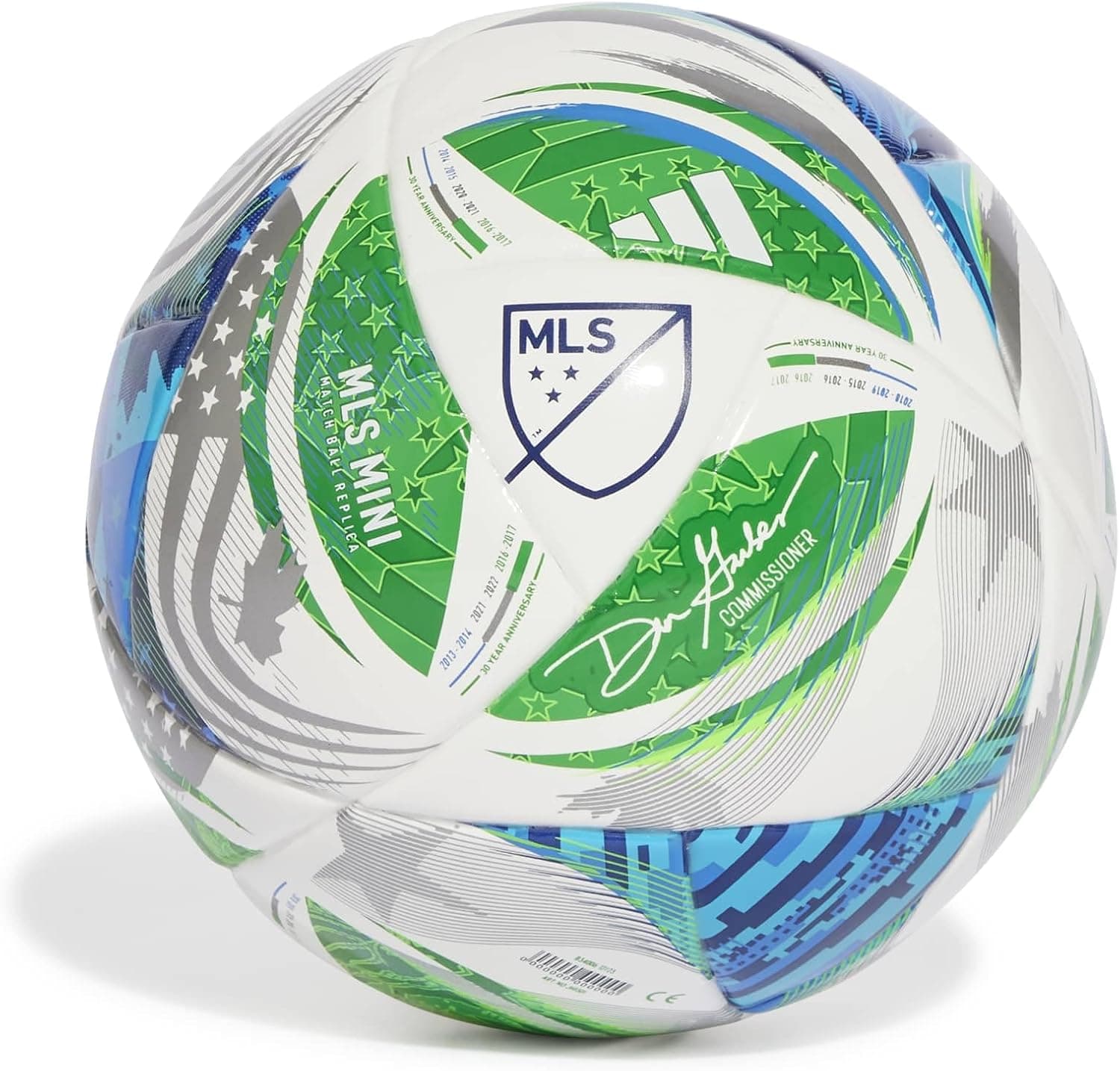
Size One Soccer Ball
View on Amazon →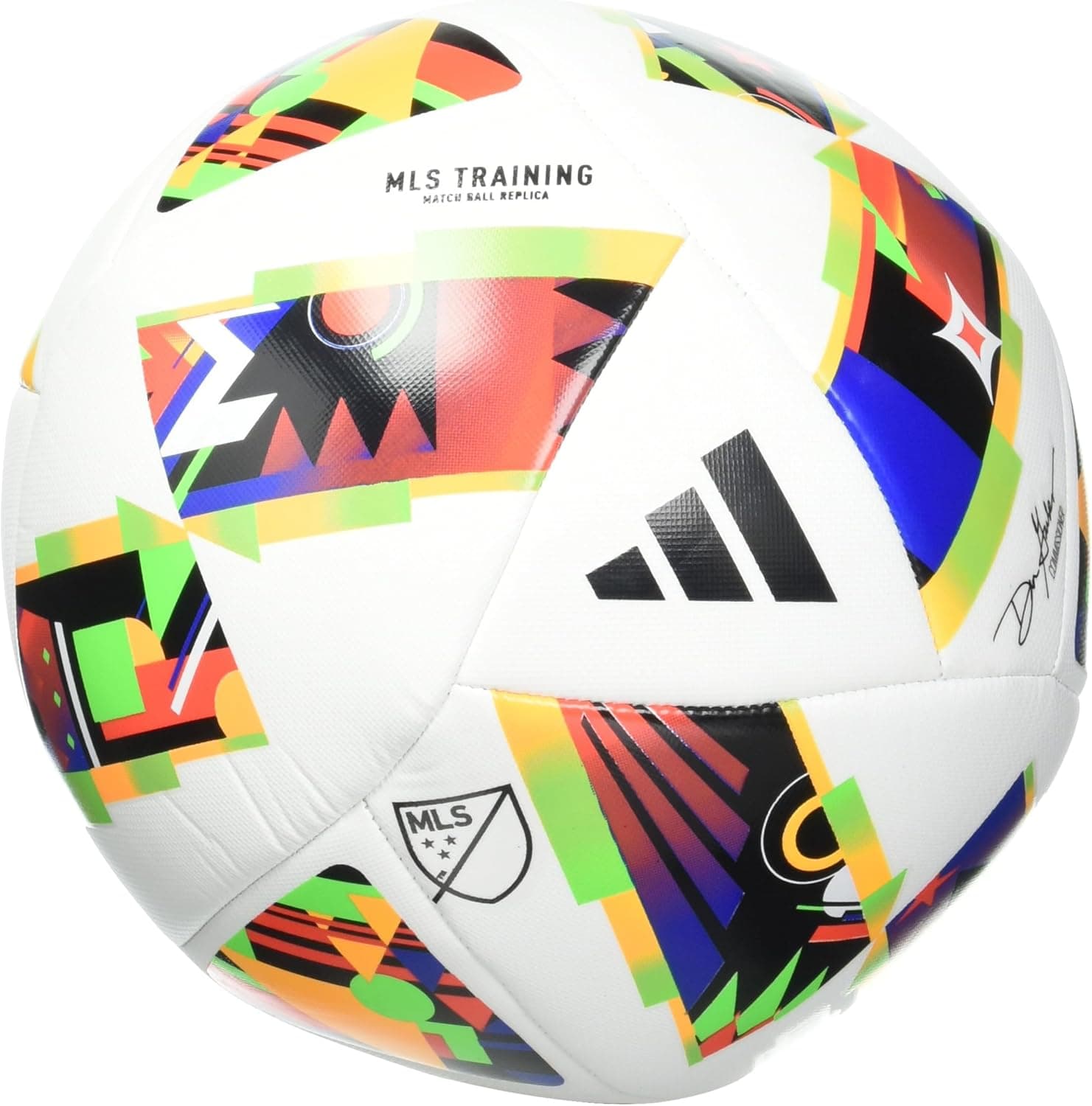
Adidas MLS Training Soccer Ball
View on Amazon →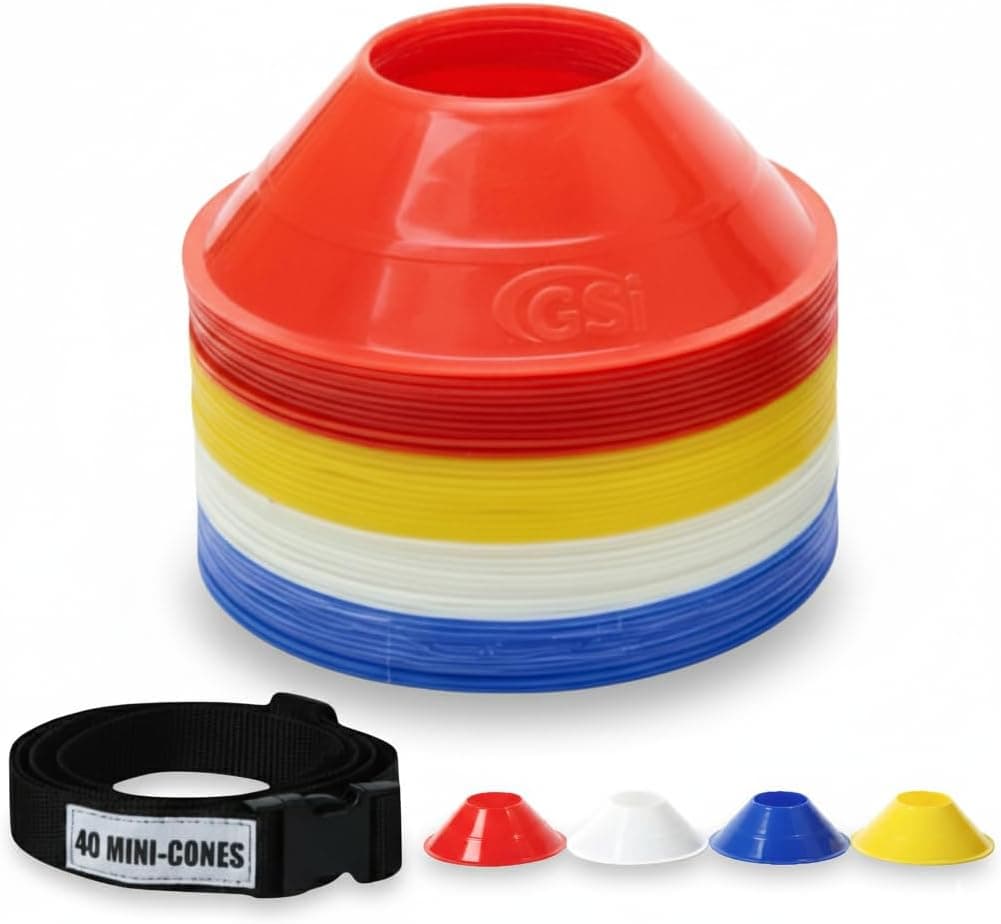
Disc Training Cones (Set of 40)
View on Amazon →As an Amazon Associate we earn from qualifying purchases, at no extra cost to you.