The Skill That Made the Biggest Difference for My Son
January 10, 2026
It Wasn't What I Expected
If you'd asked me two years ago what single skill would make the biggest difference for my son's soccer development, I would have guessed dribbling. Maybe shooting. Possibly speed. Something flashy, something visible, something that shows up in highlights and stat sheets.
I would have been wrong. The skill that made the biggest difference for my son — the one that transformed him from a good player into an excellent one, the one that earned him a spot on the top team and praise from every coach he's played under — was first touch.
Not glamorous. Not exciting. Not the kind of thing that earns you a nickname or gets you noticed at a showcase. But first touch is the skill that underpins everything else in soccer, and improving it changed my son's game more fundamentally than any other development.
What Is First Touch and Why Does It Matter So Much?
First touch is exactly what it sounds like: the quality of the first contact a player makes with the ball when receiving it. A good first touch kills the ball dead at the player's feet, perfectly positioned for their next action. A bad first touch bounces away, requires an additional touch to control, or puts the player in a worse position than they were before the ball arrived.
The difference between a good first touch and a poor one seems small — a few inches here, a fraction of a second there. But at the pace of competitive soccer, those inches and fractions are enormous.
With a good first touch, a player can:
- Receive a pass and immediately play forward
- Control under pressure and keep possession
- Turn with the ball and face the goal in one motion
- Create space by directing their first touch away from pressure
- Play at speed because they don't need extra touches to control the ball
With a poor first touch, a player:
- Needs multiple touches to control, giving defenders time to close down
- Loses possession in tight spaces because the ball bounces away
- Slows down play because they can't receive and play forward quickly
- Limits their own passing and dribbling options by miscontrolling into poor positions
- Appears less skilled than they actually are because their first contact is sloppy
First touch is the gateway skill. If it's good, everything else becomes easier. If it's poor, everything else becomes harder.
How We Identified First Touch as the Priority
The realization came from watching my son's games with a specific question in mind: where does he lose the ball? I'd heard a youth development coach suggest this exercise — don't watch the whole game, just watch your child and note every time they lose possession. Then look for the pattern.
When I did this, the pattern was obvious. My son wasn't losing the ball through bad passes or poor dribbling decisions. He was losing it on the first touch. A pass would arrive and he'd take a heavy touch that bounced two feet away. A through ball would come and his control would push it too far ahead. A crossed pass would reach him and he'd fumble it, giving the defender time to win it back.
His subsequent skills — passing, shooting, dribbling — were actually quite good. But his first touch was letting him down, and it was masking his other abilities. He'd take a bad first touch, spend a second recovering, and by then the opportunity for the pass or shot had disappeared.
The Home Training Plan
Once we identified first touch as the priority, we built a dedicated training plan around it. Here's what it looked like, done four times per week for 20 minutes per session:
Wall Work: The King of First Touch Training
If you only do one thing to improve first touch, do wall work. A wall gives you unlimited repetitions at any pace you want, and the feedback is immediate — you can see and feel whether your touch was clean or not.
Basic wall passing (5 minutes): Stand 6-8 feet from the wall. Pass with the right foot, receive with the right foot. Two-touch rhythm: pass, control, pass, control. Focus on cushioning the ball gently so it stops within six inches of your foot. Then switch to the left foot. Then alternate.
One-touch wall passing (3 minutes): Same setup, but now pass and receive in one touch. The ball comes off the wall, you redirect it back immediately. This develops the quick, clean touch needed in tight game situations. Start slowly and build speed.
Receive and turn (4 minutes): Pass against the wall. As the ball returns, receive it and turn in one motion. Practice different receiving surfaces: inside of foot (turn left), outside of foot (turn right), sole (drag back). This simulates receiving a pass in a game and transitioning to face forward.
Throw-and-Control Drills (5 minutes)
These drills develop the ability to control balls arriving from different heights and angles — not just ground passes.
Self-toss control: Toss the ball in the air at different heights. Control it with one touch — foot, thigh, chest — bringing it to a dead stop at your feet. Vary the height and direction of the toss to simulate different game situations.
Wall throw control: Throw the ball against the wall at various heights and speeds. Control the rebound with one touch. This adds an element of unpredictability that pure ground passing doesn't provide.
Moving First Touch (3 minutes)
In a game, you rarely receive the ball while standing still. These drills develop first touch on the move.
Jog and receive: Pass the ball against the wall, jog to a new position, and receive the rebound while moving. Control the ball into your path and continue moving. This develops the dynamic first touch needed in real match situations.
Check-and-receive: Start 15 feet from the wall. Sprint toward the wall, play a pass, check away (backpedal or turn), then sprint back in to receive the rebound. This simulates the movement pattern of checking to the ball in a game.
The Progression We Followed
We structured the training in four-week blocks, each building on the previous one:
Weeks 1-4: Control and cushion. Focus purely on receiving the ball and bringing it to a dead stop. No speed, no pressure. Just clean, controlled touches.
Weeks 5-8: Direction and purpose. Now, every first touch should direct the ball somewhere intentional — into space, away from an imaginary defender, toward the goal. The touch isn't just about control anymore; it's about creating advantage.
Weeks 9-12: Speed and pressure. Increase the pace of wall passing. Decrease the distance. Add timed elements (how many clean receives in 60 seconds?). The goal is maintaining touch quality under speed.
Weeks 13+: Integration. Combine first touch with other skills. Receive, turn, and dribble. Receive, and shoot. Receive, and pass to a different target. This is where first touch becomes a game skill, not just a drill skill.
The Anytime Soccer Training programs were invaluable throughout this progression. Their sessions incorporate first touch work naturally, with progressive difficulty that kept my son challenged without overwhelming him. The video demonstrations showed him exactly what a good first touch looks like, which is crucial — you need to see the skill done correctly to internalize the correct movement pattern.
The Results
After three months of dedicated first touch training, the improvement was dramatic enough that multiple people noticed independently:
His coach commented that my son's receiving had "jumped a level" and that he was one of the most reliable players to pass to because the ball rarely bounced off him.
His teammates started passing to him more often in tight situations because they trusted he could handle the ball under pressure.
Opposing coaches at a tournament asked which club he trained at, assuming his technical quality was the product of academy coaching.
And my son himself said something that summed it up perfectly: "Dad, the game feels slower now. I have more time on the ball because I don't need extra touches to control it."
That's the first touch effect. By improving the quality of his initial contact with the ball, everything downstream improved. He had more time, more options, and more confidence. He could execute his dribbling, passing, and shooting skills — which were already decent — because his first touch put him in position to use them.
Why First Touch Is the Priority for Most Young Players
If your child could only improve one skill through home training, I'd recommend first touch for most players between U10 and U14. Here's why:
- It's the most frequently used skill in soccer. Every time a player receives the ball — dozens of times per game — they use their first touch.
- It has the highest transfer to game performance. A better first touch immediately makes a player more effective in every position.
- It's highly trainable at home. All you need is a ball and a wall. Twenty minutes of wall work produces hundreds of first touch repetitions.
- It's the foundation for everything else. Dribbling, passing, shooting — all start with receiving the ball cleanly.
Of course, every player is different. Some may have a strong first touch but need to work on their weak foot, or their dribbling, or their fitness. But for most young players I've observed, first touch is the highest-leverage skill to train at home.
Getting Started
Find a wall. Get a ball. Stand six feet away and start passing and receiving. That's it. That's the beginning of a first touch transformation.
For structured progression, use Anytime Soccer Training. Their programs weave first touch development into comprehensive skill sessions, so your child improves their receiving while also building ball mastery, dribbling, and other technical skills.
Commit to 15-20 minutes, four times per week, for 12 weeks. Track the quality — not with numbers, necessarily, but by feel. How cleanly does the ball stop at their feet? How quickly can they receive and play the next action? How confident do they look receiving under speed?
By week 12, you'll see a different player. I guarantee it.
Gear we use for this
The kit our own players train with at home.
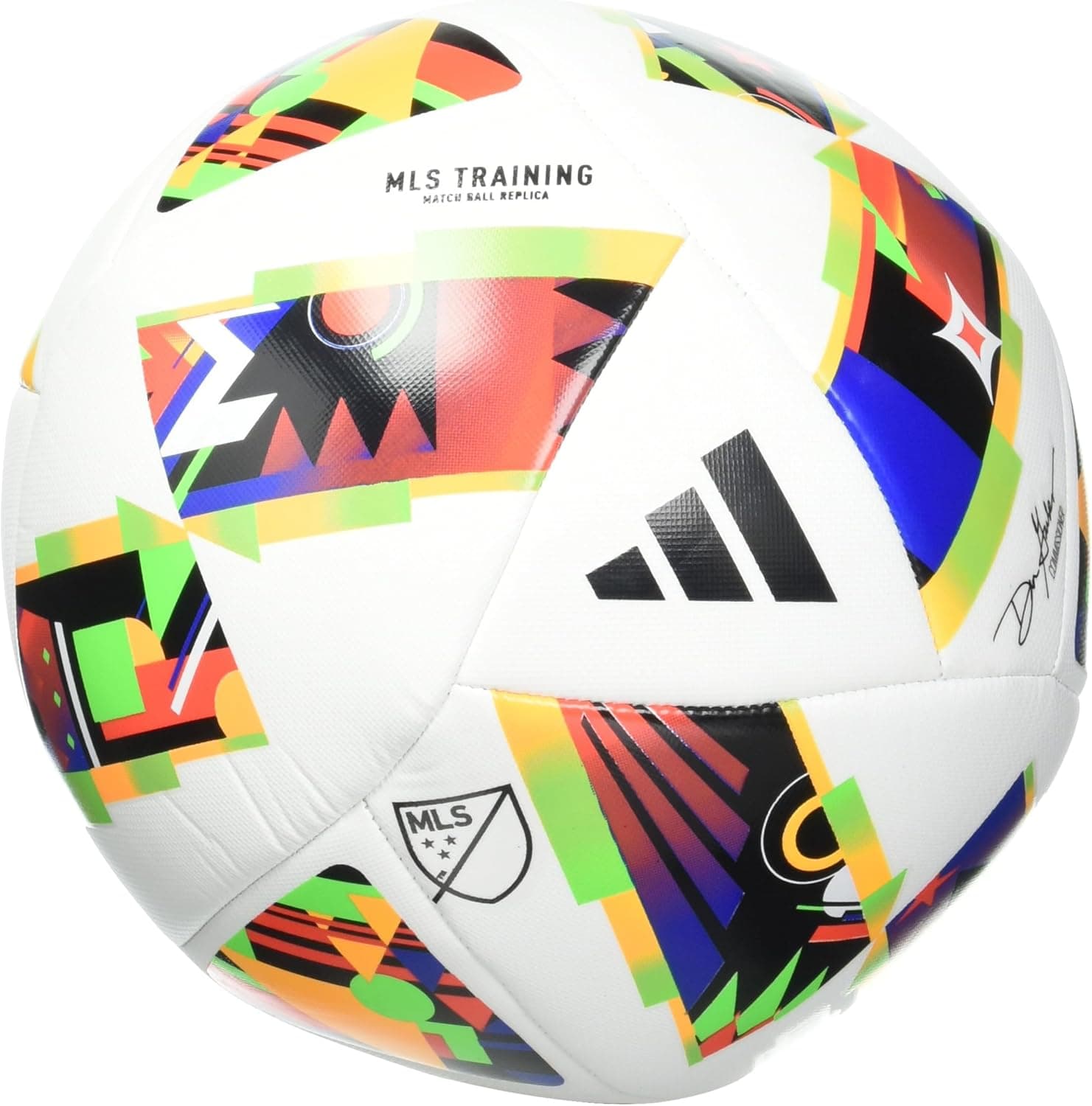
Adidas MLS Training Soccer Ball
View on Amazon →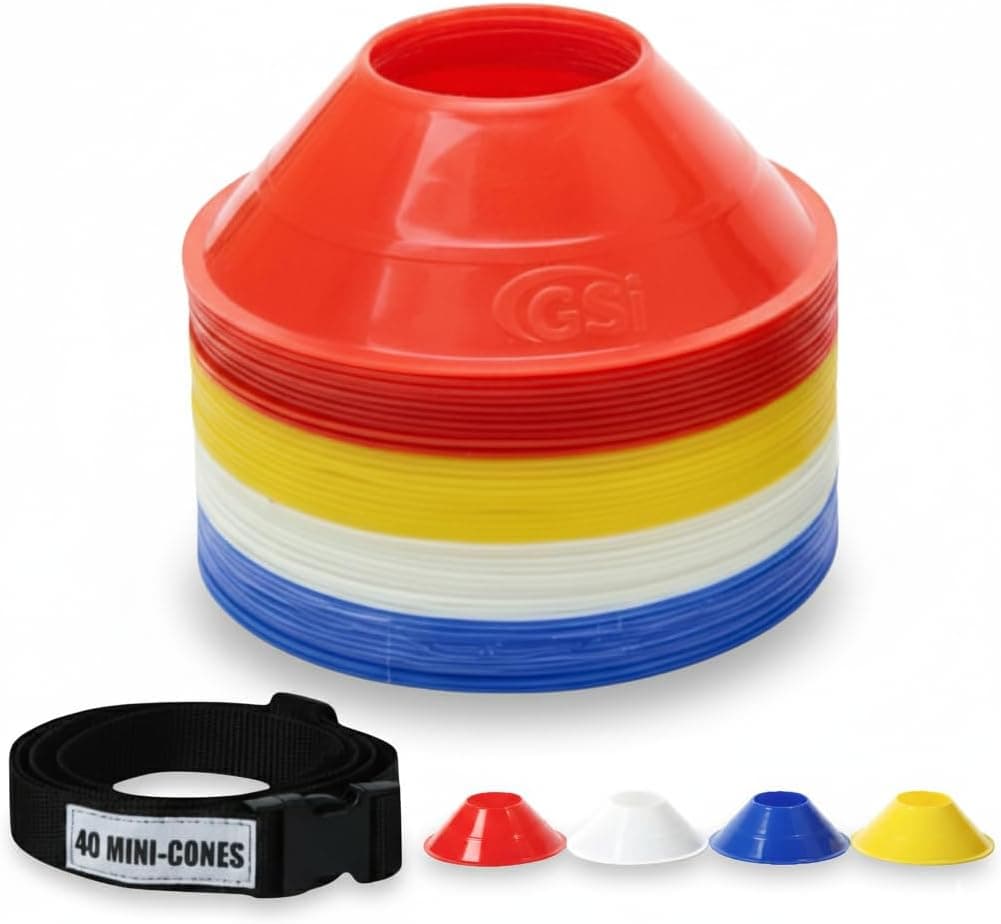
Disc Training Cones (Set of 40)
View on Amazon →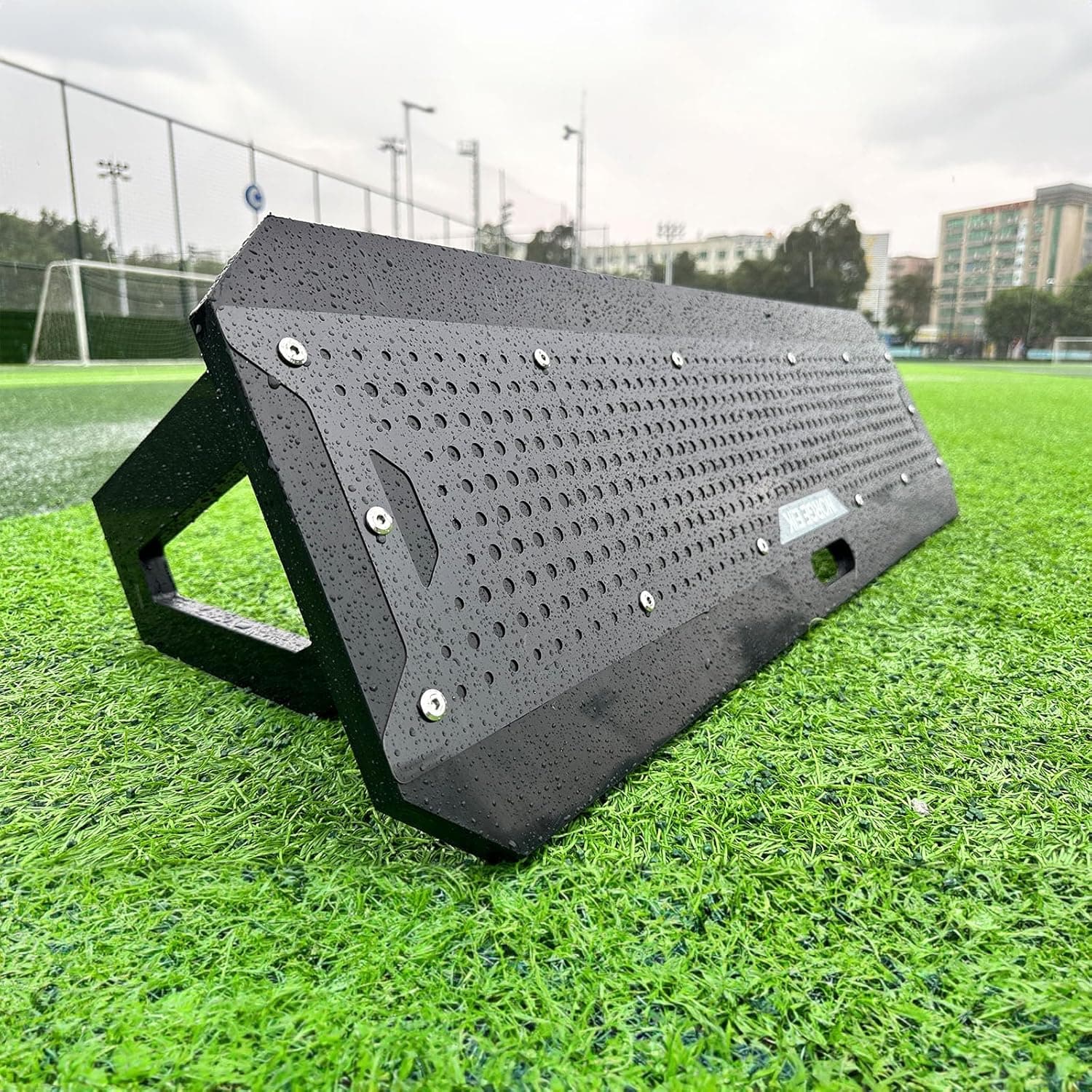
Soccer Rebounder
View on Amazon →As an Amazon Associate we earn from qualifying purchases, at no extra cost to you.