
The Simple Change That Made All the Difference
January 2, 2026
How One Small Adjustment Transformed Our Soccer Journey
We'd been doing everything "right." Club soccer twice a week. Private coaching on Saturdays. Tournament weekends twice a month. Camps in the summer. My daughter was training more than ever, and her development had stalled completely. She wasn't getting worse, but she wasn't getting better either. We were spending thousands of dollars and countless hours, and the needle wasn't moving.
Then we made one simple change, and within three months, her game transformed more dramatically than it had in the previous two years combined. The change wasn't expensive. It wasn't complicated. It wasn't dramatic. But it was powerful.
We added 15 minutes of daily home training.
That's it. That's the change. Fifteen minutes of focused, individual skill work every day, in the backyard, following a structured program on Anytime Soccer Training. No coach present. No teammates. No games. Just my daughter, a ball, and a quarter-hour of dedicated practice.
Why Such a Small Change Made Such a Big Impact
The answer lies in understanding the difference between training volume and training quality — and more specifically, the difference between team training and individual training.
Team Training: Necessary but Insufficient
Team practice is essential for learning how to play soccer — the tactical awareness, the communication, the teamwork, the game sense. But team practice is surprisingly poor at developing individual technical skills. Here's why:
- Shared ball time. With 15-18 players sharing a few balls, each player gets limited individual touches during a typical practice.
- Instruction time. A significant portion of practice is spent listening to the coach explain drills, watching demonstrations, and transitioning between activities.
- Waiting in lines. Many drills involve players lining up and taking turns, which means lots of standing and watching.
- Focus on team concepts. As players get older, practice increasingly focuses on team tactics rather than individual skill development.
A two-hour team practice might give each player 100-200 meaningful touches on the ball. That sounds like a lot until you compare it to individual training.
Individual Training: The Development Accelerator
A 15-minute individual training session can deliver 500-1,000 touches on the ball. Every second is spent actively training. There's no waiting, no sharing, no instruction time. It's pure, concentrated skill development.
Here's the math that changed my perspective:
- Two team practices per week (3 hours total): approximately 400 individual touches
- Daily 15-minute home sessions (7 days): approximately 3,500-7,000 touches
My daughter was getting 10-17 times more individual ball touches from her daily 15-minute sessions than from her weekly team practices. Of course her development accelerated — the volume of quality repetition increased dramatically.
What Those 15 Minutes Look Like
The beauty of this approach is its simplicity. Each daily session follows a basic structure:
Minutes 1-3: Ball mastery warm-up. Toe taps, sole rolls, inside-outside touches. Gets the feet moving and the brain connected to the ball.
Minutes 4-10: Focused skill work. Each day targets a different skill area — dribbling, first touch, passing, weak foot, or moves and turns. We rotate through these on a weekly cycle, following the programs on Anytime Soccer Training.
Minutes 11-15: Juggling or freestyle. End every session with the fun stuff. Juggling builds touch and coordination. Freestyle builds creativity and confidence. Both build a deep, intuitive relationship with the ball.
That's it. Three blocks, 15 minutes, done. My daughter is back inside before the water on the stove boils for dinner.
The Ripple Effects We Didn't Expect
The technical improvement was the primary goal, and it was significant. But the ripple effects of that one simple change extended far beyond ball skills:
Confidence Soared
Knowing she was putting in extra work gave my daughter a quiet confidence that showed on the field. She attempted things in games she'd never tried before — because she'd practiced them hundreds of times at home. The backyard sessions gave her a library of skills she could draw from in real time.
Team Practice Became More Productive
Because her technical skills were stronger, she could focus on the tactical and team elements of practice instead of struggling with basic ball control. She listened better, executed faster, and contributed more to team exercises. Her coach noticed the improvement almost immediately.
She Took Ownership
Within a few weeks, something shifted. She stopped needing me to remind her about training. She'd come home from school, change her shoes, and head outside on her own. The daily session had become her thing — not something her parents made her do, but something she chose to do. That sense of ownership was worth more than any skill improvement.
She Started Enjoying Soccer More
This surprised me, but it makes sense in retrospect. When you're improving, you enjoy things more. When you can do things on the field that you couldn't do last month, the game becomes more fun. The daily training sessions created a positive feedback loop: practice leads to improvement, improvement leads to enjoyment, enjoyment leads to motivation, motivation leads to practice.
The Objections (and Why They Don't Hold Up)
"We don't have time."
It's 15 minutes. The average American child spends over two hours per day on screens. Finding 15 minutes for focused physical activity is a matter of priority, not possibility. Swap one 15-minute YouTube session for a training session and you've made the change.
"My child won't do it consistently."
Start with five minutes. Seriously. Five minutes is so short that it's almost impossible to refuse. Once the habit is established (usually two to three weeks), gradually extend to 10 and then 15 minutes. The Anytime Soccer Training sessions are designed to be engaging and achievable, which helps enormously with consistency.
"I don't know what they should work on."
You don't need to. A structured platform like Anytime Soccer Training provides the complete curriculum. Your child follows along with video-guided sessions that target age-appropriate skills with built-in progression. You don't need to be a coach — you just need to provide the space and the encouragement.
"They already train enough with their team."
As we discussed above, team training and individual training serve different purposes. Your child might train enough for team development, but almost certainly doesn't get enough individual touches for optimal technical development. The 15-minute home session fills this gap perfectly.
"What if they burn out?"
Burnout comes from excessive structured, high-pressure training. A 15-minute, self-directed, low-pressure home session is the opposite of what causes burnout. In fact, it often prevents burnout by giving kids a positive, autonomous training experience that counterbalances the pressure of team environments.
How to Start Right Now
If you're convinced — or even just curious — here's your action plan for this week:
Today: Sign up for Anytime Soccer Training and explore the programs available for your child's age group.
Tomorrow: Set up a small training space (backyard, garage, or even a living room with a soft ball). Make sure a ball and any needed equipment are easily accessible.
Day 3: Do the first session together with your child. Follow along with a guided program. Keep it fun, keep it light, keep it short.
Days 4-7: Establish the routine. Same time each day. Track completion on a calendar. Celebrate showing up.
Week 2 and beyond: Let the habit take root. Your child will start to find their rhythm. The platform will handle the progression. Your job is to encourage and stay out of the way.
The Power of Small
We live in a culture that worships big gestures: expensive academies, elite camps, private coaches, tournament travel. And there's nothing inherently wrong with those things. But the most impactful change we made in our soccer journey was absurdly small. Fifteen minutes. Every day. At home.
It wasn't glamorous. Nobody posted it on Instagram. No other parents were impressed by it. But the results spoke louder than any trophy or team photo ever could.
Sometimes the biggest difference comes from the smallest change. This might be yours.
Gear we use for this
The kit our own players train with at home.
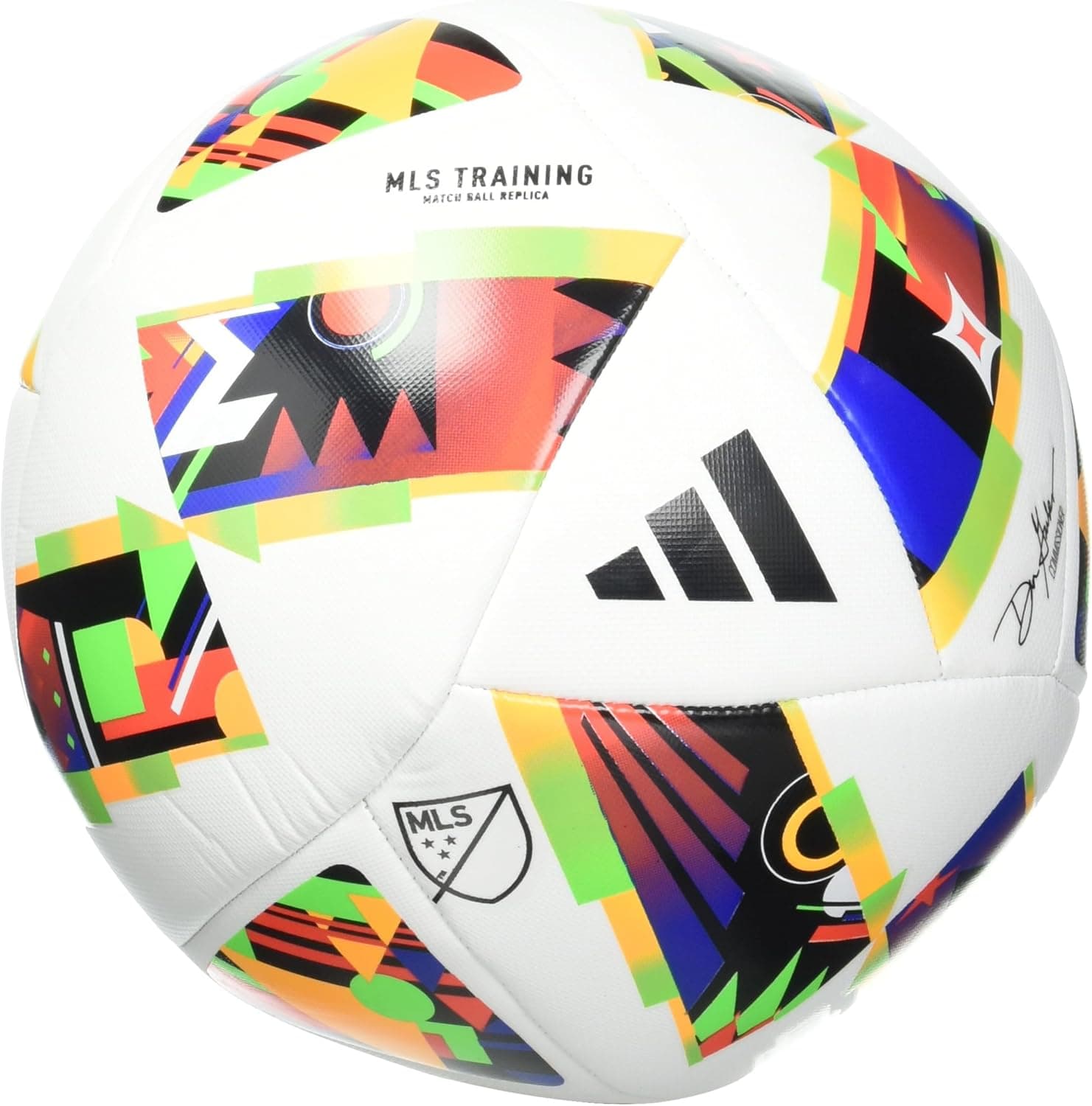
Adidas MLS Training Soccer Ball
View on Amazon →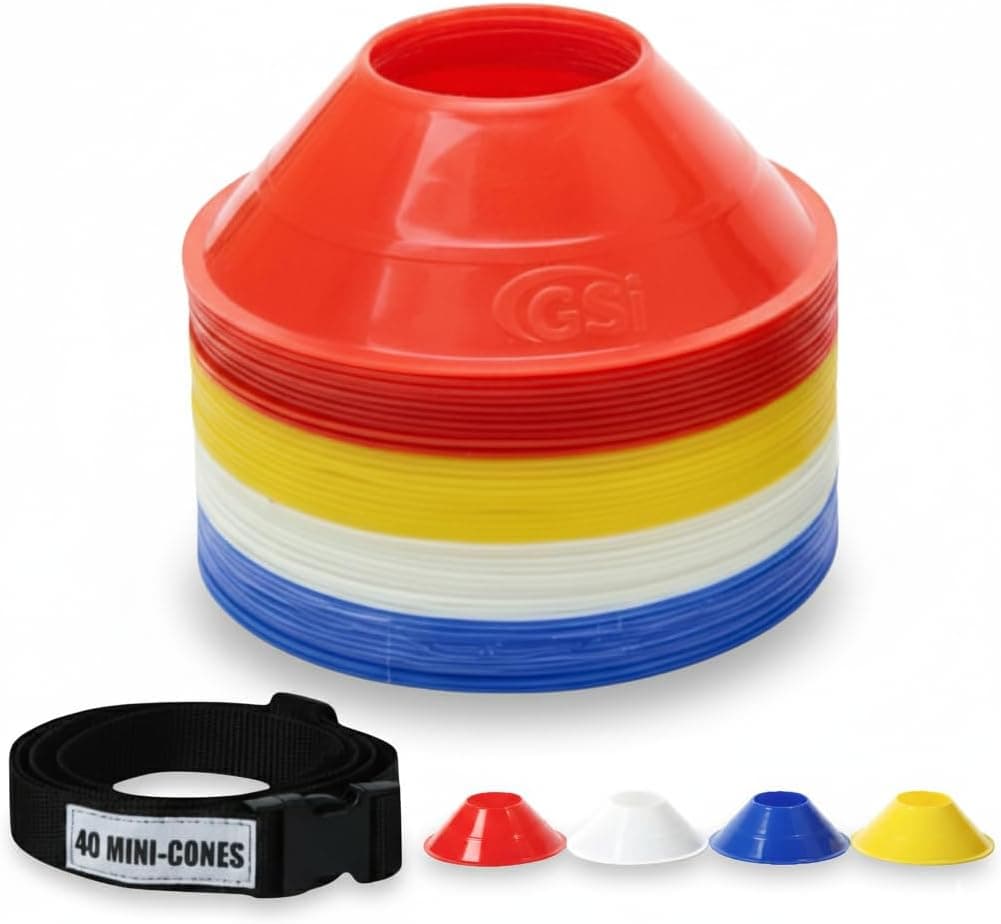
Disc Training Cones (Set of 40)
View on Amazon →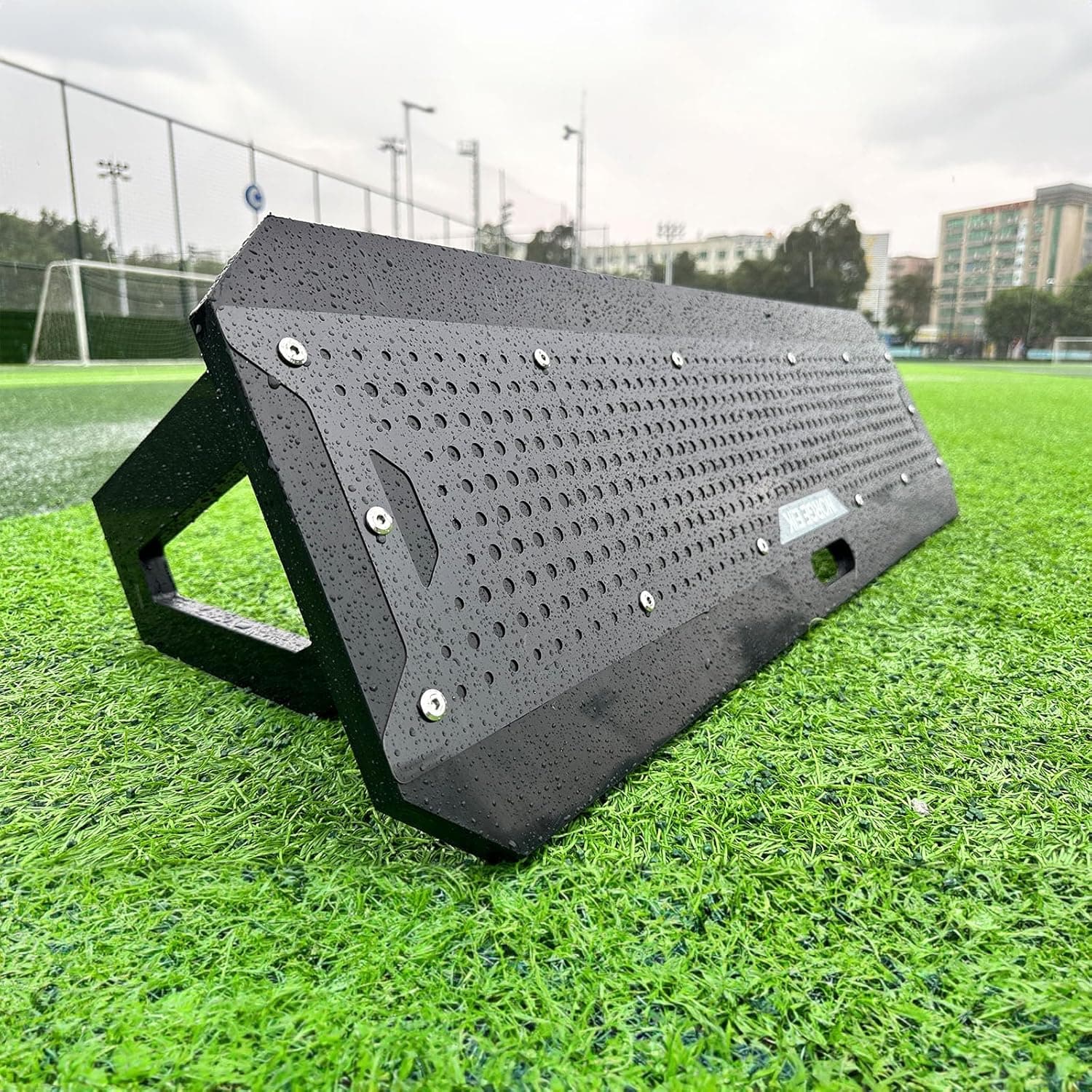
Soccer Rebounder
View on Amazon →As an Amazon Associate we earn from qualifying purchases, at no extra cost to you.