The Real Cost of Youth Soccer A Parent's Breakdown
February 27, 2026

The Real Cost of Youth Soccer: A Parent's Breakdown
Nobody warned me about how expensive youth soccer would become. When my son signed up for his first recreational league at age five, the registration fee was about seventy-five dollars for the season. I bought him a pair of cleats, some shin guards, and a ball, and I thought, "This is a pretty affordable sport." Fast forward a few years, and I was spending thousands of dollars per year on travel soccer, and I was not even sure the money was being well spent.
I want to give you an honest, transparent breakdown of what youth soccer really costs at different levels so you can plan your budget accordingly and make informed decisions about where to invest your money for the best return on your child's development.
Level 1: Recreational Soccer
Recreational or house league soccer is the entry point for most families. It is community-based, typically runs in the fall and spring, and is designed for fun and participation rather than intense competition.
Typical costs per season:
- Registration fee: fifty to one hundred fifty dollars
- Uniform (often included in registration): zero to fifty dollars
- Cleats: thirty to sixty dollars
- Shin guards: ten to twenty dollars
- Soccer ball: fifteen to twenty-five dollars
- Water bottle and soccer bag: fifteen to thirty dollars
Annual total: approximately two hundred to five hundred dollars
Recreational soccer is genuinely affordable and provides a great introduction to the sport. The coaching quality varies widely since most rec coaches are parent volunteers, but the social experience and physical activity are valuable regardless.
The hidden cost at the rec level is more about time than money. Practices are usually once or twice a week, and games are on weekends, typically within your local area. The time commitment is manageable for most families.
Level 2: Travel or Club Soccer
This is where the costs start to escalate significantly. Travel or club soccer involves more competitive teams, more frequent training, and as the name implies, travel to games and tournaments that may be outside your local area.
Typical costs per year:
- Club registration and dues: one thousand to three thousand dollars
- Uniforms (home, away, training kit): one hundred fifty to three hundred dollars
- Tournament fees (three to six per year): three hundred to nine hundred dollars
- Travel expenses for tournaments (gas, hotels, food): five hundred to two thousand dollars
- Equipment (cleats, balls, bags, etc.): one hundred to two hundred dollars
- Indoor training or futsal in off-season: two hundred to five hundred dollars
Annual total: approximately two thousand five hundred to seven thousand dollars
The jump from rec to travel soccer is enormous in terms of both cost and time commitment. Practices increase to three or four times per week, games may require driving thirty minutes to an hour, and tournaments often involve overnight stays in hotels.
I want to be honest about something: a significant portion of the travel soccer cost goes toward things that do not directly improve your child's skill. Matching uniforms, tournament entry fees, hotel stays, and long drives are part of the competitive soccer experience, but they are not developing your child's first touch or dribbling ability.
Level 3: Elite Academy or Development Programs
At the top of the youth soccer pyramid are elite academy and development programs. These are typically affiliated with professional clubs or established training organizations and offer the highest level of coaching and competition.
Typical costs per year:
- Academy fees: two thousand to five thousand dollars (some subsidized programs exist)
- Travel for league games and showcases: one thousand to four thousand dollars
- Equipment and uniforms: two hundred to four hundred dollars
- Supplementary training (private coaching, camps): five hundred to two thousand dollars
- Fitness and sports performance training: three hundred to one thousand dollars
Annual total: approximately four thousand to twelve thousand dollars
Some elite academies are partially or fully funded and charge reduced fees, especially those affiliated with MLS clubs. But many still require significant financial investment from families.
The Costs Nobody Talks About
Beyond the direct financial costs, there are several hidden costs of youth soccer that can take a toll on families:
Time: The time commitment of competitive youth soccer is enormous. Between practices, games, tournaments, and travel, soccer can consume fifteen to twenty hours per week for the family. That is time that is not being spent on other activities, family events, or rest.
Sibling impact: If you have multiple children, the focus and resources devoted to one child's soccer career can impact siblings. Younger or older brothers and sisters may miss out on their own activities because the family schedule revolves around soccer.
Family stress: The financial pressure, time commitment, and emotional investment of competitive soccer can strain marriages and family relationships. I have seen families torn apart by the pressure of youth soccer, and it is heartbreaking.
Opportunity cost: Every dollar and hour spent on soccer is a dollar and hour not spent on something else. Academic tutoring, music lessons, family vacations, savings; all of these compete with the soccer budget.
Where to Invest for Maximum Development Impact
Given the significant costs involved, it is important to be strategic about where you invest your money. Not all soccer spending is created equal in terms of developmental impact. Here is my ranking of where your money has the most impact on your child's actual skill development:
Highest impact per dollar:
- A daily home training program: Something like Anytime Soccer Training costs a fraction of what you spend on travel soccer but arguably has a bigger impact on individual skill development. The daily, structured training sessions provide more quality ball touches than anything else you can invest in. For the price of a single tournament, you can have a year of daily professional coaching that your child follows along with at home.
- Basic training equipment: A good ball, cones, and a rebounder. One-time investment, years of use, enormous developmental value.
- Quality coaching on a team: Finding a team with a genuinely good coach who focuses on player development is more valuable than finding the most expensive club.
Moderate impact per dollar:
- A good rec or travel team: Team training provides valuable game experience, social development, and exposure to competitive situations.
- Select tournaments: One or two quality tournaments per year provide competition experience and exposure. More than that is often unnecessary.
Lower impact per dollar:
- Private coaching: Can be valuable but is expensive relative to the frequency. A weekly private lesson is less effective than daily home training for individual skill development.
- Excessive tournaments: Traveling to six-plus tournaments per year is more about the experience than the development. The marginal developmental benefit of each additional tournament decreases significantly.
- Premium club branding: Paying a premium to play for a club with a big name does not automatically mean better development. Evaluate the coaching quality, not the logo on the jersey.
How to Budget for Youth Soccer
Based on everything I have learned, here is how I would budget for youth soccer if I were starting over:
For beginners (ages five to seven):
- Recreational league: one hundred to one hundred fifty dollars per season
- Basic equipment: seventy-five to one hundred dollars (one-time)
- Home training program: start around age six with a program like Anytime Soccer Training
- Total annual budget: three hundred to five hundred dollars
For developing players (ages eight to eleven):
- Travel or competitive team: one thousand five hundred to three thousand dollars per year
- Home training program: ongoing daily use
- Training equipment: one hundred to two hundred dollars (periodic upgrades)
- Two to three select tournaments: three hundred to seven hundred dollars
- Total annual budget: two thousand to four thousand dollars
For advanced players (ages twelve and up):
- Competitive team or academy: two thousand to five thousand dollars per year
- Home training program: ongoing daily use
- Tournaments and showcases: five hundred to one thousand five hundred dollars
- Supplementary training as needed: three hundred to one thousand dollars
- Total annual budget: three thousand to eight thousand dollars
Scholarships and Financial Assistance
If the costs of competitive soccer are prohibitive for your family, do not give up. Many clubs and organizations offer financial assistance, scholarships, or payment plans for families who cannot afford full fees. Here are some resources to explore:
- Ask your club directly about scholarship programs. Many have funds set aside for families in need.
- Look into local community grants for youth sports.
- Some national organizations offer financial assistance for youth athletes.
- Fundraising options like selling team merchandise or hosting events can offset costs.
- Consider whether a less expensive club with good coaching might provide similar development at a lower cost.
The Bottom Line on Cost
Youth soccer can be as affordable or as expensive as you make it. A child can develop excellent skills playing rec soccer and training at home with a structured program for a few hundred dollars a year. Or a family can spend ten thousand dollars or more per year on elite club soccer. The expensive path is not necessarily the better path.
The single most important factor in your child's development is not how much money you spend but how consistently they train at home. A child who spends fifteen minutes a day training individually will out-develop a child on a ten-thousand-dollar team who never trains outside of team practice.
Invest wisely, prioritize daily home training above all else, and do not let anyone make you feel like you need to spend a fortune for your child to succeed in soccer. The most important investment is time and consistency, and those are free.
Gear we use for this
The kit our own players train with at home.
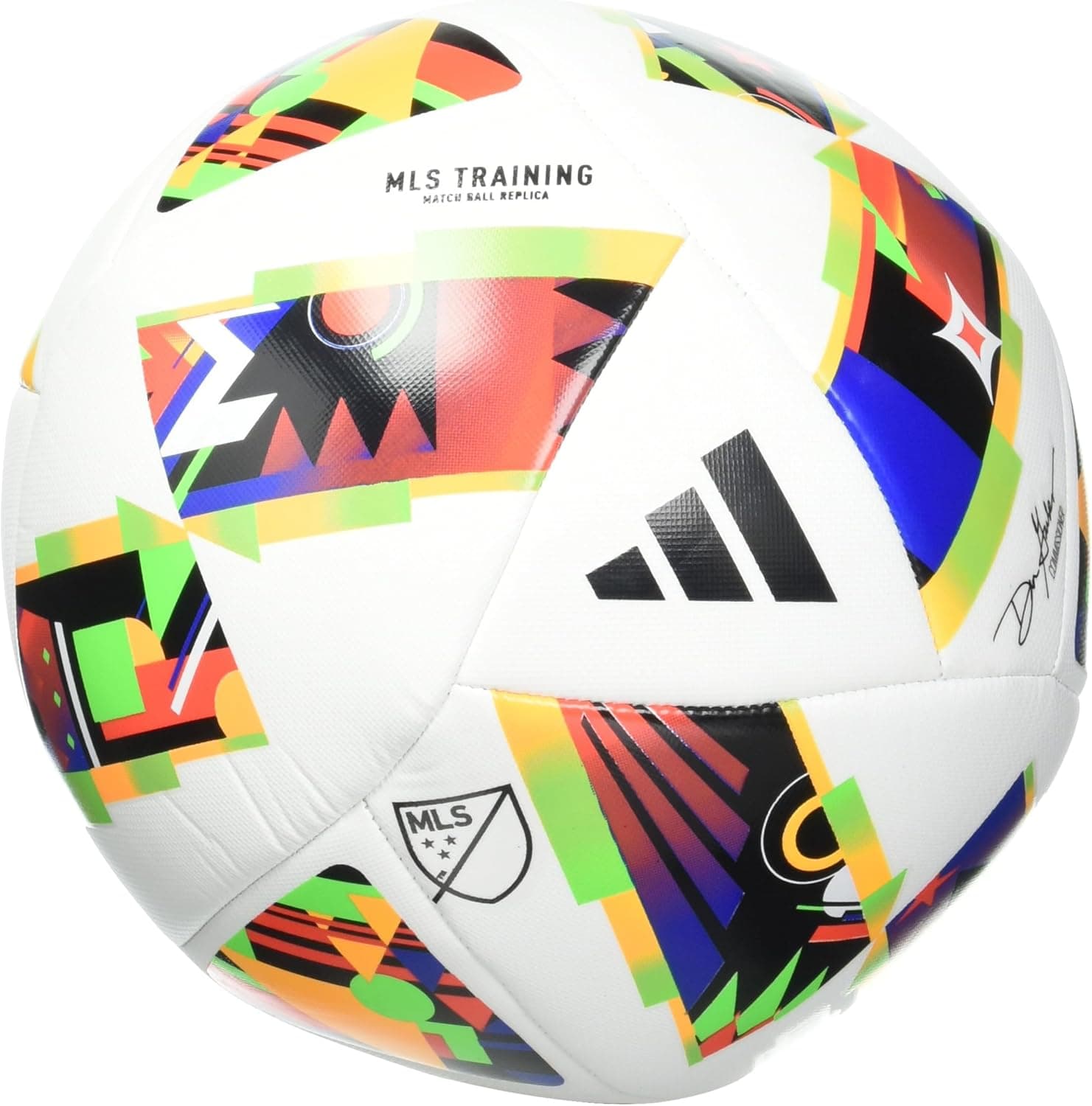
Adidas MLS Training Soccer Ball
View on Amazon →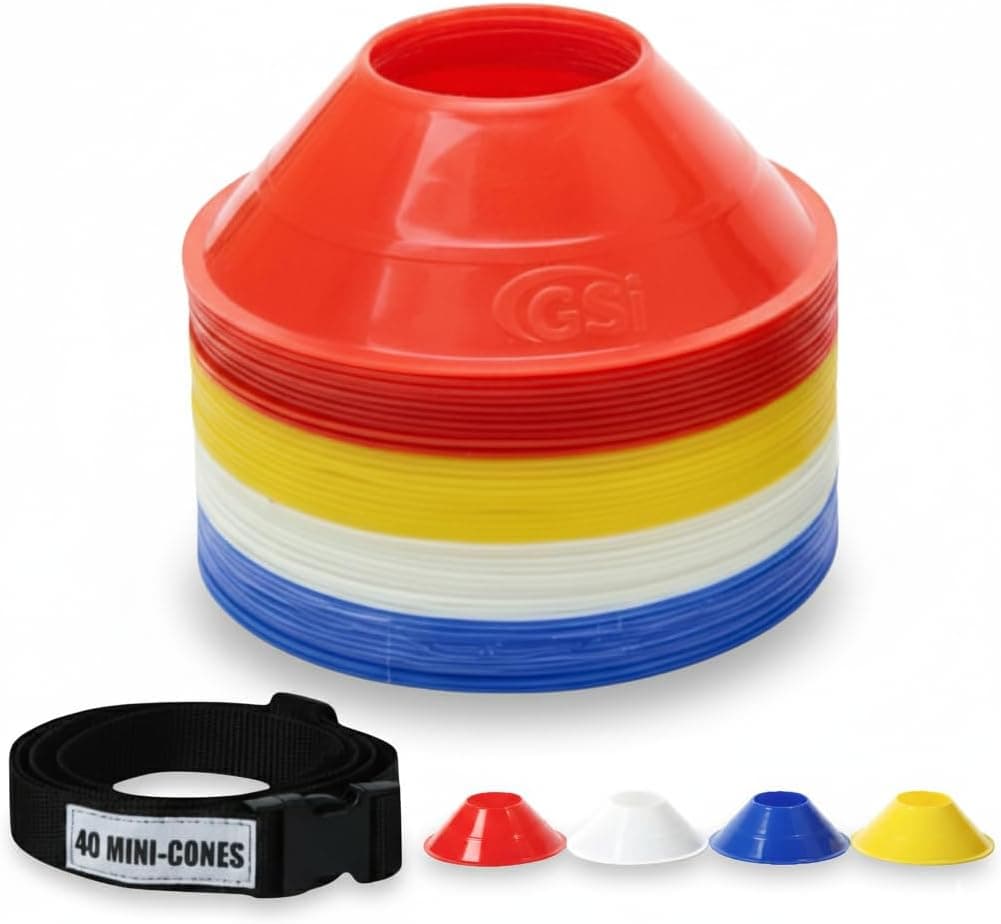
Disc Training Cones (Set of 40)
View on Amazon →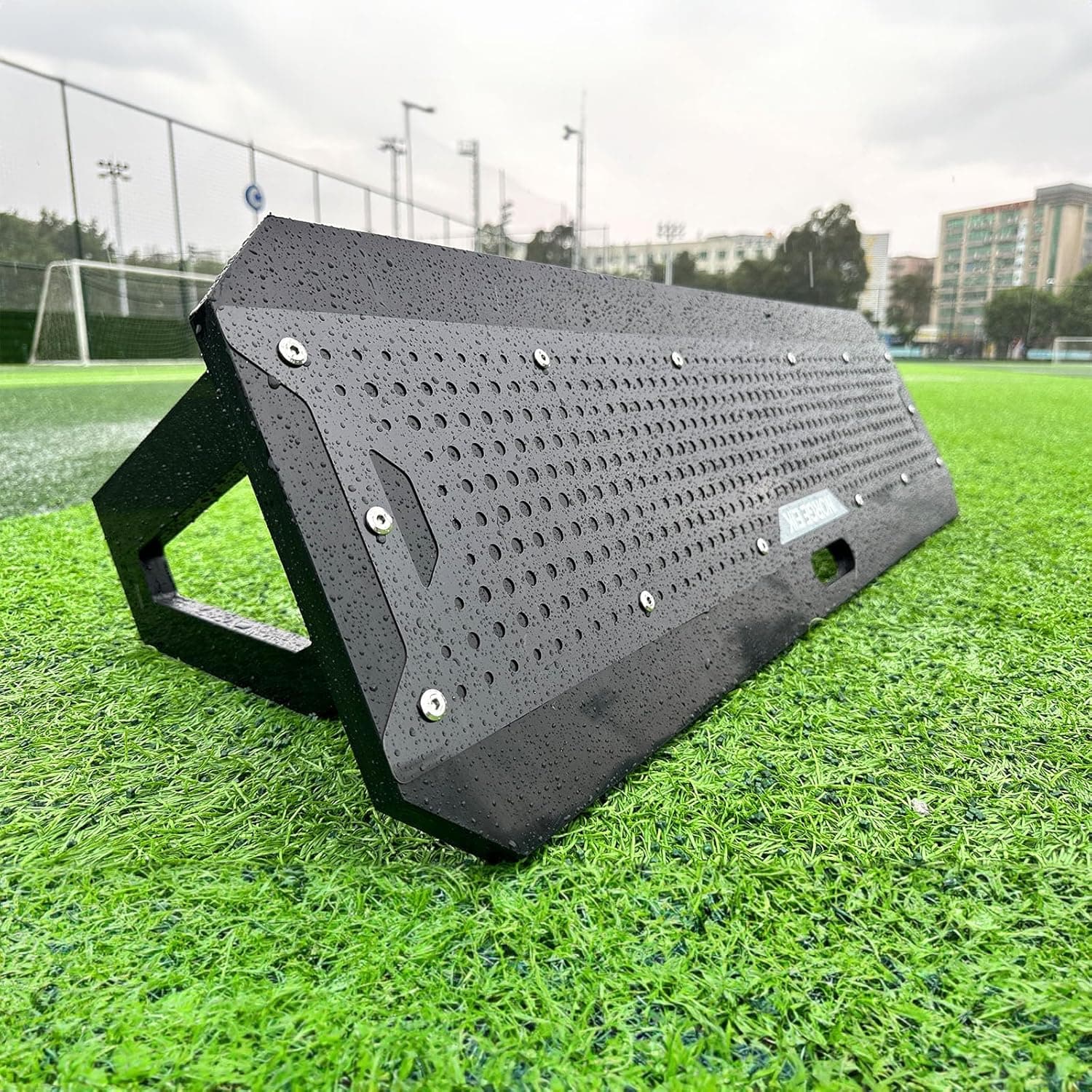
Soccer Rebounder
View on Amazon →As an Amazon Associate we earn from qualifying purchases, at no extra cost to you.