
The Overlooked Benefits of Parent-Led Soccer Training
December 23, 2025

Why Training With Your Child Is About More Than Soccer
I never planned to become my son's soccer trainer. I played a bit in high school — nothing special — and my tactical knowledge barely extends beyond "pass and move." When other parents were hiring private coaches and enrolling their kids in elite clinics, I was in the backyard with a bag of cones from Amazon and a vague idea of what "ball mastery" meant.
But three years later, my son is one of the strongest technical players on his team, and our backyard training sessions have become the highlight of both our weeks. Not because I turned out to be a great coach — I'm still pretty mediocre at that — but because something happens when a parent and child train together that goes far beyond skill development.
The benefits of parent-led soccer training are real, significant, and largely overlooked in a youth soccer culture that worships coaching credentials and professional instruction. Let me share what we've discovered.
Benefit #1: The Bonding Effect
This is the big one. In an era where kids spend increasing amounts of time on screens and decreasing amounts of time interacting face-to-face with their parents, shared physical activity is a bonding goldmine.
During our training sessions, my son and I talk. Not the surface-level "how was school" conversations that happen at the dinner table, but real, meandering conversations that only happen when two people are doing something together with their hands (or feet) busy. We talk about his friends, his worries, his dreams, his frustrations. We laugh at my terrible juggling attempts. We celebrate his achievements together.
Research from the American Psychological Association consistently shows that shared activities — especially physical ones — strengthen the parent-child relationship more effectively than passive shared experiences like watching TV or eating meals together. There's something about moving, sweating, and working toward a goal together that creates a unique form of connection.
I've had parents tell me they learned more about their child during a month of backyard training than in a year of car rides and dinner conversations. The activity creates a context for connection that words alone cannot.
Benefit #2: You Understand Their Soccer Journey
When you outsource all of your child's training to coaches and private instructors, you're a spectator in their development. You see the results but not the process. You watch games but you don't really understand why your child struggled with a particular skill or what they've been working on.
When you train with your child, you understand their journey intimately. You know which skills they find easy and which ones frustrate them. You see the micro-progressions — the slight improvement in their left foot that happened over the past two weeks, the ball mastery routine that they couldn't do a month ago but now execute smoothly.
This understanding makes you a better soccer parent. You celebrate the right things (effort and progress) because you've witnessed the work firsthand. You set realistic expectations because you know what's actually hard. You provide support that's genuinely helpful because you understand the specific challenges your child is facing.
Benefit #3: Modeling Effort and Growth Mindset
When your child sees you trying to juggle and failing spectacularly, they learn something powerful: adults struggle with new things too. When they watch you persist through frustration, improve gradually, and celebrate small wins, they absorb lessons about effort, resilience, and growth mindset that no lecture could ever convey.
I'm genuinely terrible at most of the advanced ball mastery skills. My son routinely outperforms me. And far from being embarrassing, this has become one of the most valuable aspects of our training dynamic. He sees that being bad at something is okay — even funny. He sees that improvement comes from practice, not from natural talent. He sees that effort is something to be proud of, regardless of the outcome.
Children learn more from what we do than from what we say. Training alongside your child is a living demonstration of the values you want them to internalize.
Benefit #4: Your Child Develops Intrinsic Motivation
There's an interesting dynamic that happens in parent-led training: because you're not a professional coach, your child doesn't feel the weight of expertise and evaluation. You're just Mom or Dad, out in the backyard with a ball. The pressure drops dramatically compared to a coached session, and in that low-pressure space, something beautiful happens: your child starts training because they want to, not because someone is making them.
This is the birth of intrinsic motivation, and it's the most valuable outcome of parent-led training. A child who is intrinsically motivated to train will develop far more over time than a child who trains because they're told to, no matter how good the telling is.
Using a platform like Anytime Soccer Training enhances this dynamic perfectly. The platform provides the expert instruction (so you don't have to pretend to know what you're talking about), while you provide the companionship, encouragement, and fun. It's a partnership where everyone contributes what they do best.
Benefit #5: Flexibility and Adaptability
Professional coaching happens on a schedule: Tuesday at 6 PM, Thursday at 5 PM, Saturday at 9 AM. Miss a session and you're out the cost. Parent-led training happens whenever it works for your family. Monday was crazy? Train on Tuesday. Raining? Move inside. Energy is low? Do a short session. Kid wants to go long? Let them.
This flexibility means training actually happens more consistently than scheduled coaching, because it adapts to the reality of family life. And as we've discussed in other articles, consistency is the single most important factor in skill development.
Benefit #6: Sibling Inclusion
When training happens at home with a parent leading, siblings can naturally join in. The five-year-old who wants to participate? Give them a ball and some simple challenges. The teenager who usually won't be caught dead playing with their younger siblings? Somehow, backyard soccer has a way of drawing even the most reluctant participants in.
Sibling play is incredibly valuable for development. Playing against an older sibling forces a younger player to adapt to higher speed and skill. Playing with a younger sibling helps an older player develop leadership, patience, and teaching skills. And the competitive dynamic between siblings creates an intensity that no drill can replicate.
But I Don't Know Anything About Soccer Coaching
This is the objection I hear most often, and it's the one I most enjoy dismantling. Because here's the truth: you don't need to be a soccer expert to lead effective training for your child.
You need three things:
1. A Quality Training Resource
Let the experts handle the curriculum. Anytime Soccer Training provides complete, progressive training programs with video demonstrations, clear instructions, and built-in progression. You don't need to design drills or know proper technique — the platform handles all of that. Your job is to press play and participate.
2. Enthusiasm
Kids can smell fake enthusiasm from a mile away, but genuine excitement about training together is contagious. You don't have to be skilled — you just have to be present and engaged. Cheer their successes. Laugh at your failures. Make it fun.
3. Consistency
Show up regularly. That's it. You don't need to show up as an expert. You need to show up as a parent who cares enough to spend 20 minutes in the backyard with their kid.
Practical Tips for Parent-Led Training Sessions
Keep It Short
15-25 minutes is the sweet spot. Long sessions drain energy and enthusiasm for both you and your child. Leave them wanting more, not less.
Follow, Don't Lead
Let the training program lead (Anytime Soccer Training, YouTube tutorials, or whatever resource you're using). Don't try to improvise unless you're genuinely confident in your ability to design effective drills. Your role is facilitator and cheerleader, not head coach.
Participate, Don't Just Watch
Do the drills alongside your child. Even if you're terrible. Especially if you're terrible. Your participation transforms training from something done to your child into something done with your child.
Avoid Over-Correcting
This is the hardest one. When you see your child doing something wrong, the instinct is to correct it immediately. Resist. Let the training videos provide the technical instruction. If your child is consistently doing something incorrectly, gently point it out once and move on. Over-correction kills joy faster than almost anything.
End on a High Note
Always finish with something your child enjoys and is good at. This ensures they leave each session with a positive feeling, which makes them want to come back tomorrow.
Real Talk: It's Not Always Easy
I'd be dishonest if I pretended every training session is a beautiful bonding experience. Some days, my son doesn't want to train. Some days, I don't want to train. Some days, we argue about what to work on or how long to practice. Some days, the session devolves into an argument about something completely unrelated to soccer.
This is normal family life, and it's okay. The key is to not let the bad sessions derail the system. Train again tomorrow. Start fresh. Don't hold grudges about yesterday's frustrating session.
Over time, the good sessions vastly outnumber the bad ones. And even the bad sessions are, in their own way, building the relationship. Working through conflict, learning to recover from a bad day, showing up even when you don't feel like it — these are life skills that the soccer training context naturally develops.
The Legacy Beyond Soccer
Here's what I think about when I'm standing in the backyard watching my son work on his Cruyff turn for the hundredth time: someday, he'll probably stop playing competitive soccer. The vast majority of kids do. But what won't stop is the memory of those afternoons we spent together. The inside jokes we developed. The shared pride in his improvement. The simple, irreplaceable experience of a parent and child doing something together, day after day, year after year.
That's the real benefit of parent-led soccer training. Not the soccer skills — though those are real and meaningful. It's the relationship. It's the connection. It's the message that says, louder than any words: "I'm here. I care about what you care about. Let's do this together."
If you haven't started training with your child yet, today is the perfect day to begin. Grab a ball. Find a space. Pull up Anytime Soccer Training. And start creating memories that will last long after the cleats are outgrown.
Gear we use for this
The kit our own players train with at home.

Adidas MLS Training Soccer Ball
View on Amazon →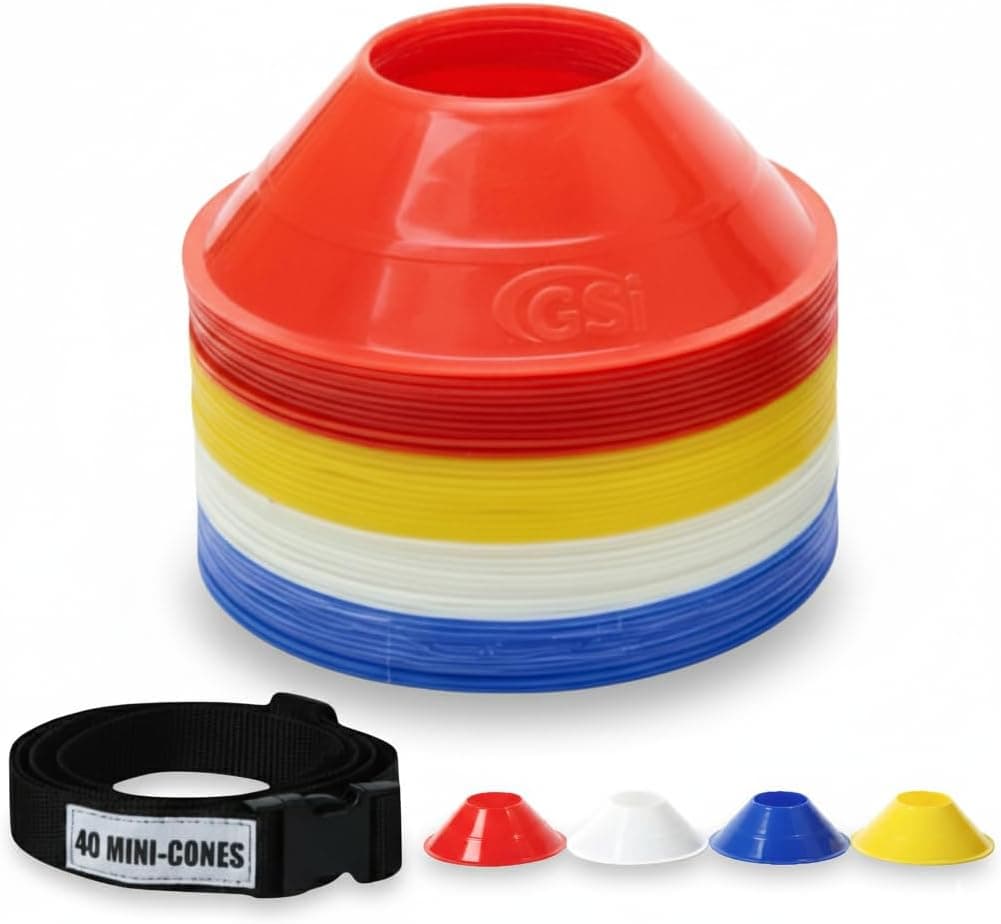
Disc Training Cones (Set of 40)
View on Amazon →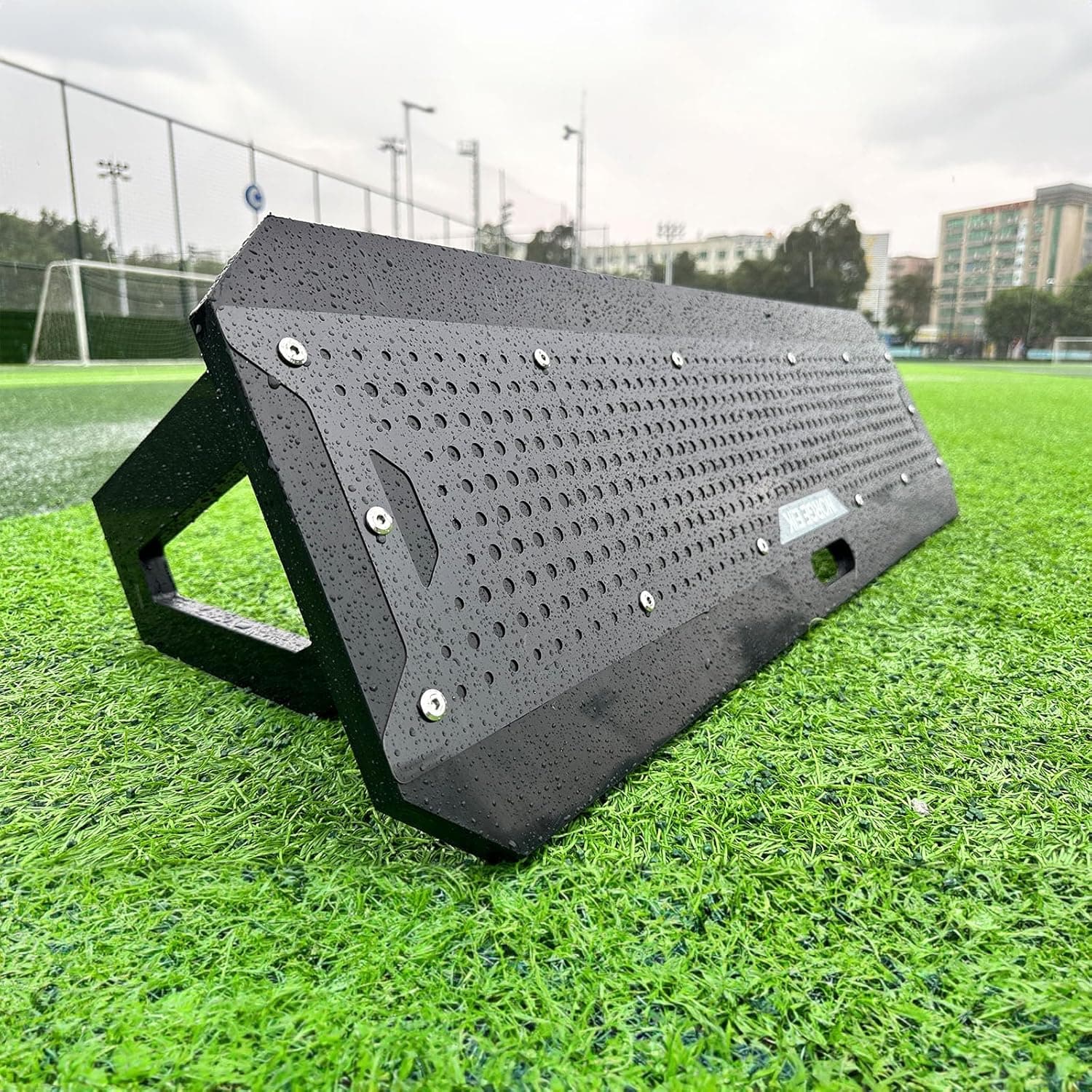
Soccer Rebounder
View on Amazon →As an Amazon Associate we earn from qualifying purchases, at no extra cost to you.