
The Only 5 Drills Your Child Needs to Master
November 9, 2025

The Only 5 Drills Your Child Needs to Master
I am going to say something that might sound strange coming from someone who advocates for home soccer training: most parents are overcomplicating it. You do not need fifty different drills. You do not need a new routine every week. You do not need to recreate a professional academy training session in your backyard.
What you need is a handful of fundamental drills that your child can do consistently, progressively, and with increasing quality over time. After years of trial and error with my own kids and conversations with coaches at the club, college, and professional levels, I have narrowed it down to five essential drills that cover the core skills every young soccer player needs.
Master these five and your child will have a technical foundation that puts them ahead of the majority of their peers. Here they are.
Drill 1: The Cone Weave
What It Develops: Close Control, Change of Direction, Both Feet
Set up five to eight cones (or any markers) in a straight line about three feet apart. Your child dribbles through them using small, controlled touches, then turns and comes back.
Why it is essential: The cone weave is the single best drill for developing close ball control and comfort on both feet. It teaches players to keep the ball within playing distance, to use both the inside and outside of both feet, and to change direction smoothly.
How to progress it:
- Level 1: Slow and controlled. Focus on not hitting any cones. Use any part of the foot.
- Level 2: Inside of right foot going one way, inside of left foot coming back.
- Level 3: Alternate inside and outside of the same foot.
- Level 4: Speed it up. Time yourself and try to beat your record.
- Level 5: Add a move at each cone, such as a pull-back, a step-over, or a chop.
My son did this drill nearly every day for an entire off-season. By the time the new season started, his close control was unrecognizable. Defenders who used to dispossess him easily were suddenly unable to get the ball off his feet. All from one simple drill done with consistency and progressive challenge.
Drill 2: Wall Passing
What It Develops: Passing Accuracy, First Touch, Receiving Skills
Find a wall, a rebounder, or even a sturdy fence. Stand about ten feet away and pass the ball against it, then control the return. That is it. Simple but devastatingly effective.
Why it is essential: A wall never gives a bad pass. It returns the ball at exactly the speed and angle you sent it, which means every rep gives your child immediate feedback on the quality of their pass and their first touch. There is no better solo training tool in soccer.
How to progress it:
- Level 1: Two-touch with the dominant foot. Pass, control, pass.
- Level 2: Two-touch with the weak foot.
- Level 3: One-touch with the dominant foot, keeping the ball moving smoothly.
- Level 4: One-touch alternating feet.
- Level 5: Receive with one foot, pass with the other. Add movement laterally between passes.
Professional players credit wall work as a foundational part of their development. Xavi, widely regarded as one of the best passers in soccer history, famously spent countless hours passing against a wall as a kid. If it is good enough for Xavi, it is good enough for your child.
Drill 3: Juggling
What It Develops: Touch, Coordination, Concentration, Ball Feel
Keep the ball in the air using feet, thighs, and head. Start with one touch and catch and build from there. There is no shortcut here. It takes patience and hundreds of repetitions.
Why it is essential: Juggling develops the soft touch and ball feel that separates technically skilled players from everyone else. It improves coordination, concentration, and comfort with the ball at every speed and angle. Players who can juggle well almost always have superior first touch in game situations.
How to progress it:
- Level 1: Drop the ball, one touch with the laces, catch. Repeat until you can do it ten times without the ball going wild.
- Level 2: Two touches before catching. Then three. Then five.
- Level 3: Continuous juggling with both feet. Set a personal record and try to beat it.
- Level 4: Add thigh and head into the sequence.
- Level 5: Juggling patterns like foot-foot-thigh-thigh or specific sequences. Juggling while walking or moving.
A word of caution: juggling can be incredibly frustrating for beginners. Celebrate small wins. Going from two touches to five touches is a legitimate achievement. Going from five to ten is huge. Do not compare your child's juggling count to the kid on YouTube doing five hundred. Progress is progress.
Drill 4: The Turn and Accelerate
What It Develops: Turning, Acceleration, Game-Speed Skills
Place two cones about fifteen to twenty feet apart. Dribble to one cone, perform a turn (inside cut, outside cut, Cruyff turn, pull-back, or drag-back), and accelerate to the other cone. Turn again and repeat.
Why it is essential: Games are won and lost in transition moments. The ability to receive the ball, turn quickly, and accelerate away from pressure is one of the most valuable skills in soccer. This drill trains exactly that. It also builds a repertoire of turns that your child can deploy in game situations instinctively.
How to progress it:
- Level 1: Simple inside cut turns at moderate speed.
- Level 2: Practice different types of turns, one type per set.
- Level 3: Increase speed. The acceleration after the turn should be explosive.
- Level 4: Add a defender or passive pressure from a parent standing near the cone.
- Level 5: Random turns. Have someone call out which turn to do as you approach the cone.
On Anytime Soccer Training, there are excellent video demonstrations of every type of turn, broken down step by step. Watching the technique first and then practicing it makes the learning process much smoother.
Drill 5: The Shooting Routine
What It Develops: Striking Technique, Accuracy, Confidence in Front of Goal
Set up a goal or target area. Place the ball at different distances and angles and practice striking it with proper technique. Focus on accuracy over power. Place cones in the corners of the goal as targets.
Why it is essential: Every young player wants to score goals, and shooting is a skill that requires dedicated practice. Team practice rarely gives players enough shooting repetitions to develop real confidence and technique in front of goal. Home training fills that gap.
How to progress it:
- Level 1: Stationary ball, moderate distance. Focus on hitting the target with the laces.
- Level 2: Aim for specific corners. Right foot to right corner, left foot to left corner.
- Level 3: Add a dribble before the shot. Approach from different angles.
- Level 4: One-touch shooting. Have someone pass the ball to you and shoot first time.
- Level 5: Combine with other skills. Receive, turn, shoot. Dribble past a cone defender and shoot. Volley shots from a toss.
Putting It All Together: A Weekly Plan
Here is how I recommend structuring a week of home training around these five drills:
- Monday: Cone weave and juggling (15-20 minutes)
- Wednesday: Wall passing and turn-and-accelerate (15-20 minutes)
- Friday: Shooting routine and free choice from the other four (15-20 minutes)
- Weekend: Free play or pickup games to apply skills in unstructured settings
The beauty of this approach is its simplicity. Five drills, three sessions a week, fifteen to twenty minutes each. No complicated setup, no expensive equipment, no need for a partner for most of them. Just your child, a ball, and a little space.
If you want structured video guidance for each of these drills and their progressions, Anytime Soccer Training has detailed follow-along sessions that make it easy to get started and track improvement over time. But even without a platform, these five drills done consistently will produce remarkable results.
The Power of Simplicity
In a world that constantly pushes more, more complexity and more drills and more programs and more camps, there is enormous power in simplicity. The best players in the world did not get there by doing a hundred different drills. They got there by doing the fundamentals thousands and thousands of times until those skills became second nature.
Give your child the gift of mastery over five essential skills rather than surface-level exposure to fifty. Watch what happens when they spend months rather than minutes on each one. The results will speak for themselves.
Gear we use for this
The kit our own players train with at home.
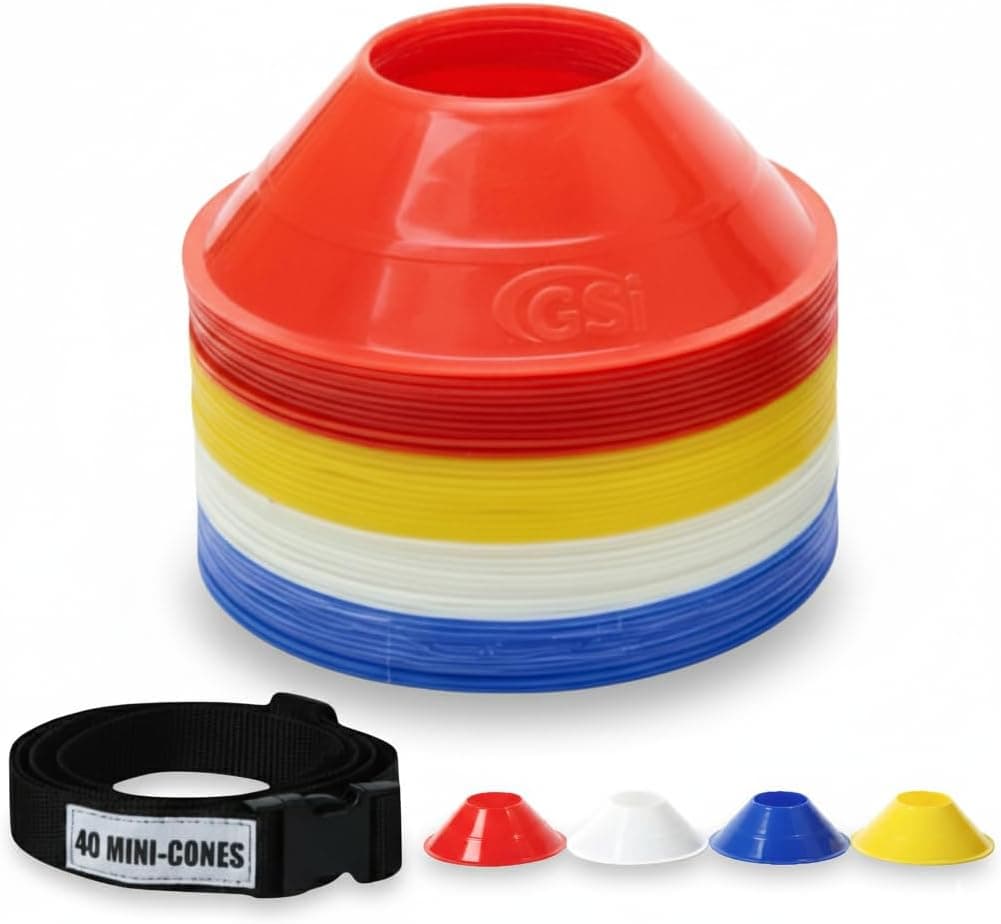
Disc Training Cones (Set of 40)
View on Amazon →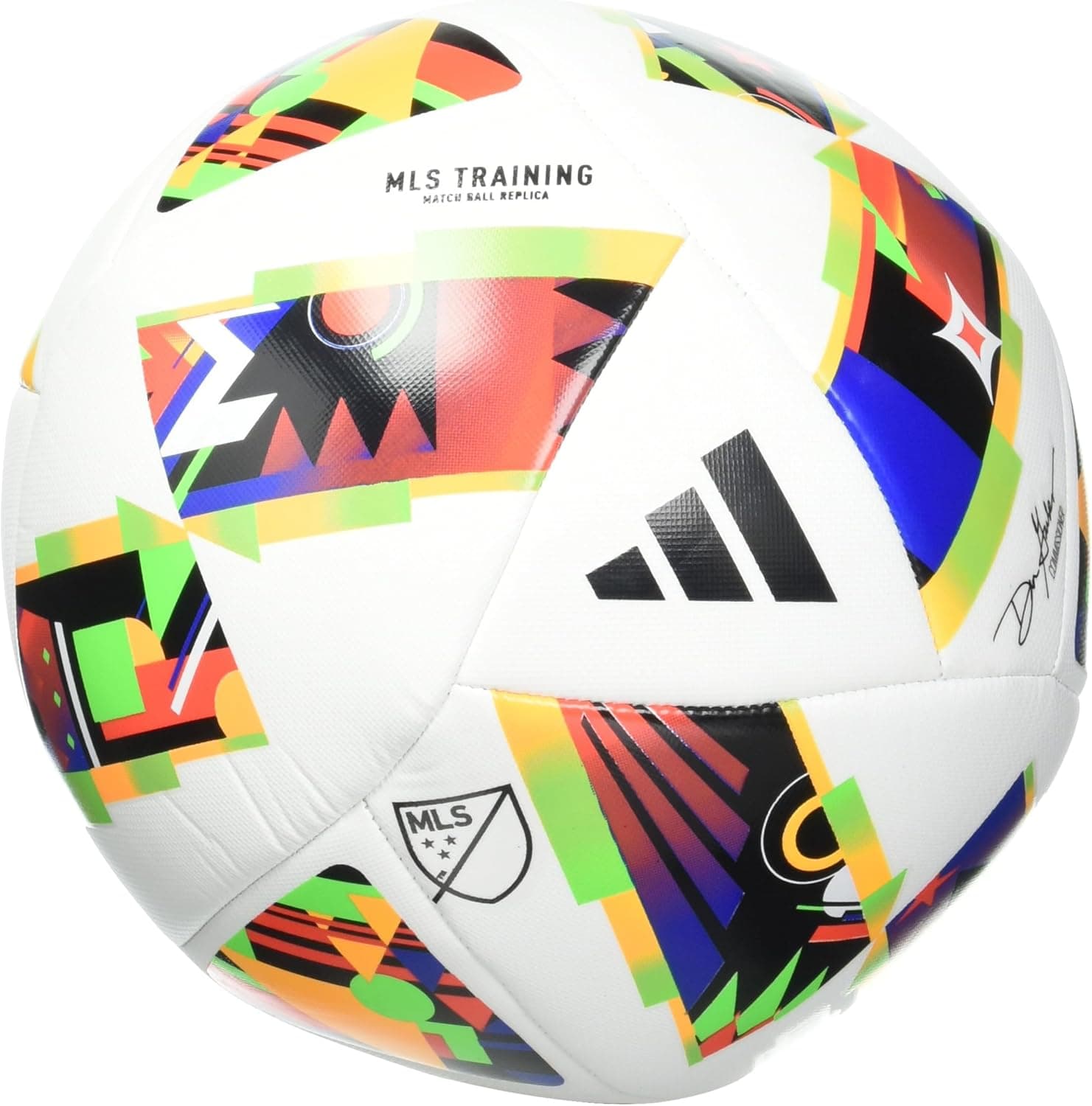
Adidas MLS Training Soccer Ball
View on Amazon →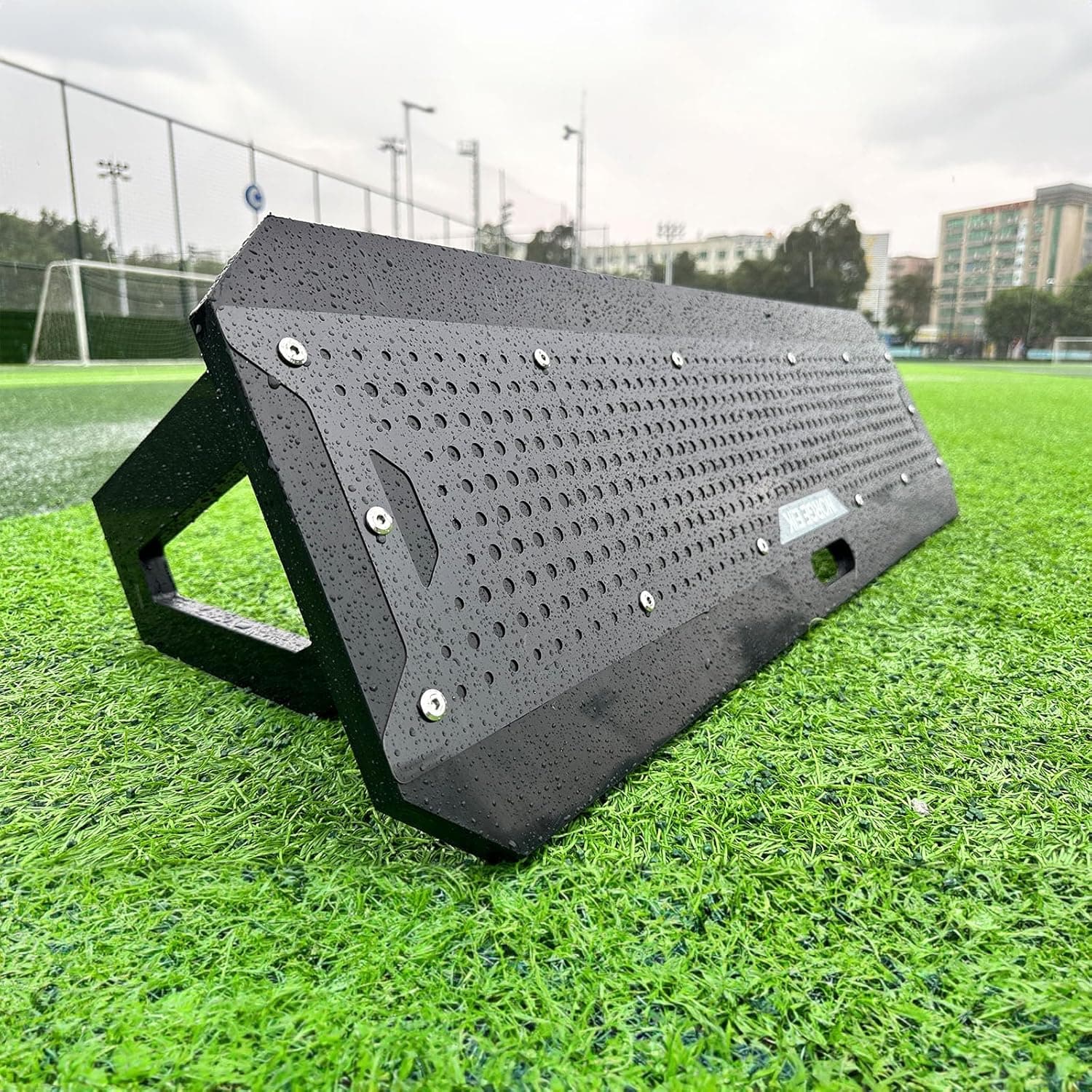
Soccer Rebounder
View on Amazon →As an Amazon Associate we earn from qualifying purchases, at no extra cost to you.