
The Mistake I Made That Killed My Son's Motivation
January 1, 2026
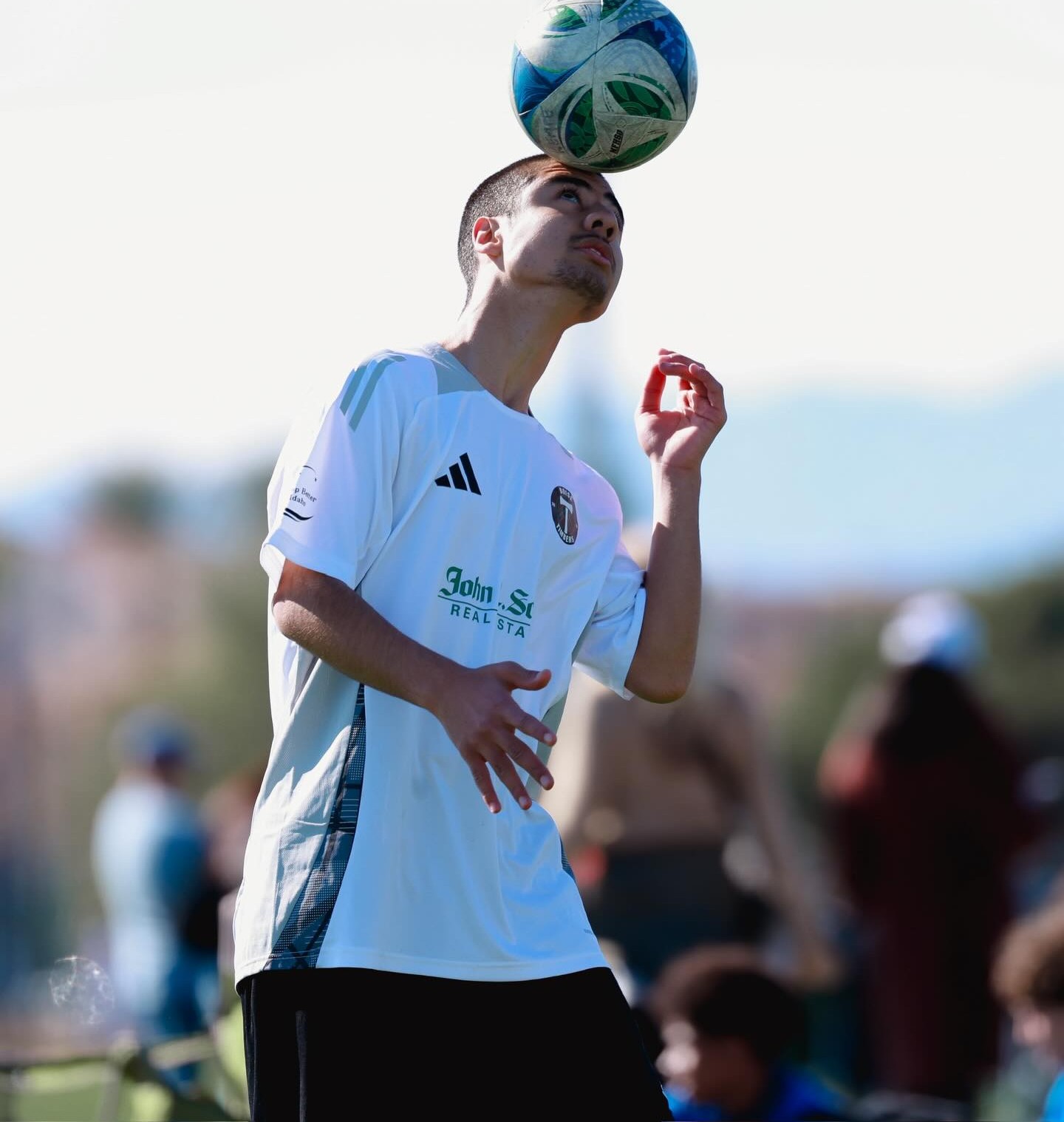
The Mistake I Made That Killed My Son's Motivation
I need to be honest with you. There was a time when I nearly ruined soccer for my son. Not because I didn't care — but because I cared too much. I became the parent I swore I'd never be: the one on the sideline shouting instructions, the one replaying every mistake on the car ride home, the one who turned every backyard session into a pressure cooker. This is the story of how I caught myself, changed course, and ultimately helped my son fall back in love with the game.
The Early Days: Pure Joy
When my son Ethan first started playing soccer at age five, it was magical. He'd chase the ball with reckless abandon, laughing when he tripped over his own feet, celebrating goals that went into the wrong net. Soccer was play, pure and simple. He'd beg me to kick the ball around in the backyard after dinner, and those evenings under the fading sunlight are some of my favorite memories as a parent.
He was a natural mover. Not necessarily the most talented kid on his rec team, but he had an energy and enthusiasm that coaches loved. By age seven, he was invited to try out for a local club team, and that's when everything started to shift — not for him, but for me.
The Shift: When I Started Overpushing
Getting onto a club team felt like validation. Suddenly, I was surrounded by parents who took youth soccer very seriously. They talked about development pathways, college scholarships, and academy pipelines. I absorbed it all. Without realizing it, I began to see Ethan's soccer not as his hobby but as a project — my project.
I started correcting him during games. "Use your left foot!" "Pass it!" "Why did you stop running?" After matches, instead of asking if he had fun, I'd point out the two goals he missed or the defensive lapse in the second half. I bought cones, agility ladders, and training guides. I scheduled extra sessions on top of his already-packed practice calendar.
At first, Ethan complied. He's a people-pleaser by nature, and he wanted to make me happy. But slowly, the light in his eyes started to dim. The kid who used to beg me to play in the backyard started saying, "Do we have to?" The kid who celebrated every goal — his or anyone else's — became quiet and withdrawn after games.
The Wake-Up Call
The moment that changed everything happened on a Tuesday evening. I'd set up a dribbling course in the backyard and called Ethan out to practice. He came outside with his shoulders slumped, went through the motions for about ten minutes, and then sat down on the grass.
"Dad, I don't want to play soccer anymore."
Those words hit me like a punch to the gut. My eight-year-old, the kid who once lived and breathed soccer, wanted to quit. And as much as I wanted to argue, to convince him he was just having a bad day, I could see it in his face. He wasn't having a bad day. He'd been having a bad year — and I was the reason.
That night, after he went to bed, I sat in the backyard staring at the cones I'd laid out. I thought about what I'd been doing. Every correction, every critique, every extra session — I'd been communicating one message loud and clear: You're not good enough. That was never my intention, but intentions don't matter when the impact is your child losing their joy.
What I Changed
I didn't fix everything overnight. It took months of conscious effort to undo the damage I'd done. Here's what I did differently:
- I stopped coaching from the sideline. During games, I cheered. That's it. "Great effort!" "Nice run!" I bit my tongue so hard some days I thought it might bleed, but I kept my tactical observations to myself.
- I changed the car ride conversation. Instead of reviewing the game, I asked two questions: "Did you have fun?" and "What was your favorite moment?" If he wanted to talk about the game, he could. But I stopped initiating tactical debriefs with an eight-year-old.
- I gave him ownership of his training. Instead of mandating backyard sessions, I made them available. I'd set up a few cones and say, "The course is out there if you want it." Some days he did. Some days he didn't. And both were okay.
- I found structured programs that kept it fun. This is when I discovered platforms like Anytime Soccer Training. Instead of me being the taskmaster, Ethan could follow along with video-guided sessions that were designed to be engaging for kids his age. It took me out of the equation as the drill sergeant and let him train at his own pace, on his own terms.
- I apologized. I sat down with Ethan and told him I was sorry. I told him soccer was his thing, not mine, and that I'd been wrong to put so much pressure on him. Kids are remarkably forgiving when you're honest with them.
The Recovery
It took about three months before Ethan started asking to play in the backyard again. Three months of me biting my tongue, of celebrating effort over results, of letting him lead. Slowly, the joy came back. He started doing Anytime Soccer Training sessions on his own, following along with the videos in the garage. He'd come inside sweaty and smiling, and I'd just say, "Looks like you had a good session."
By the next season, he was a different player — not because his skills had suddenly improved (though they had), but because he was playing free. He wasn't looking at the sideline for my approval after every touch. He was playing for himself, making decisions, taking risks, and having fun.
The Lessons I Learned
Looking back, here are the core lessons I took away from this experience:
- Pressure disguised as support is still pressure. I told myself I was helping Ethan by pushing him. But there's a difference between creating opportunities and creating obligations. Kids can feel the difference even when we can't see it.
- The car ride home matters more than the game. Research consistently shows that the post-game conversation has a massive impact on a child's sports experience. Keep it positive, keep it brief, and let them lead.
- Fun is not the enemy of development. I used to think that serious training and fun were opposites. They're not. The best development happens when kids are engaged, motivated, and enjoying themselves. Platforms like Anytime Soccer Training understand this — their sessions are designed to be challenging but enjoyable.
- Your child's relationship with soccer is more important than their performance in soccer. If they love the game, they'll put in the work. If they hate it, no amount of forced practice will make them better.
- It's their journey, not yours. This was the hardest lesson for me. I had to let go of my vision of what Ethan's soccer career should look like and let him write his own story.
Where We Are Now
Ethan is eleven now. He still plays club soccer, and he's actually quite good. More importantly, he loves it. He trains on his own three or four times a week — not because I tell him to, but because he wants to. He watches professional games and tries to replicate moves he sees. He's the kid who brings a ball to every family gathering and organizes pickup games with his cousins.
Would he be further along if I'd kept pushing? Maybe in the short term. But I'm convinced that the path I was on would have ended with him quitting by age twelve, which is exactly the age when most kids drop out of organized sports. Instead, he's more committed than ever, and our relationship is stronger because soccer is something we enjoy together rather than something that divides us.
A Message to Parents Who See Themselves in This Story
If any of this sounds familiar, please know that you're not a bad parent. The fact that you're reading this article suggests you care deeply about your child's development. That caring is a strength — it just needs to be channeled correctly.
Here are a few practical steps you can take today:
- Record yourself at your child's next game. Not to film the game — to film yourself. Watch it back. Are you coaching from the sideline? Are you visibly frustrated? Sometimes seeing ourselves through an objective lens is the wake-up call we need.
- Ask your child how they feel about soccer. Not how they feel about their team or their coach — how they feel about the sport itself. Listen without defending or explaining.
- Consider outsourcing the training. One of the best things I did was stop being Ethan's primary trainer. Using a structured platform like Anytime Soccer Training meant he got expert instruction without the emotional baggage of parent-as-coach. It preserved our relationship while still supporting his development.
- Read "Changing the Game" by John O'Sullivan. This book was a game-changer for me. It helped me understand the difference between a child-centered approach and an adult-centered approach to youth sports.
The beautiful thing about youth soccer is that there's time. Your child doesn't need to be the best eight-year-old on the field. They need to love the game enough to keep playing, keep practicing, and keep growing. Protect that love, and the development will follow.
I almost made the mistake of trading my son's passion for short-term performance gains. I'm grateful every day that I caught myself in time. If you're in that place right now, know that it's not too late to change course. Your child is waiting for you to just enjoy the game with them.
Gear we use for this
The kit our own players train with at home.

Bluetooth Speaker
View on Amazon →
Adidas MLS Training Soccer Ball
View on Amazon →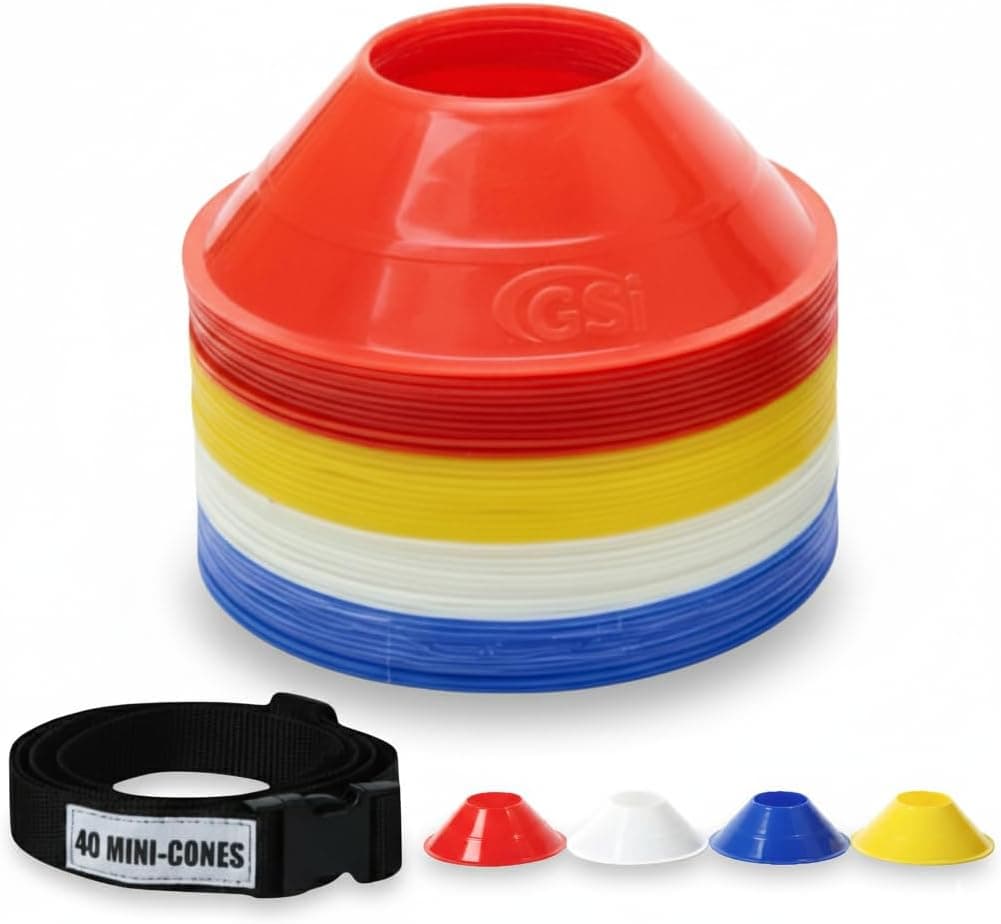
Disc Training Cones (Set of 40)
View on Amazon →As an Amazon Associate we earn from qualifying purchases, at no extra cost to you.