
The Difference Between Recreational and Competitive Soccer Explained
December 25, 2025
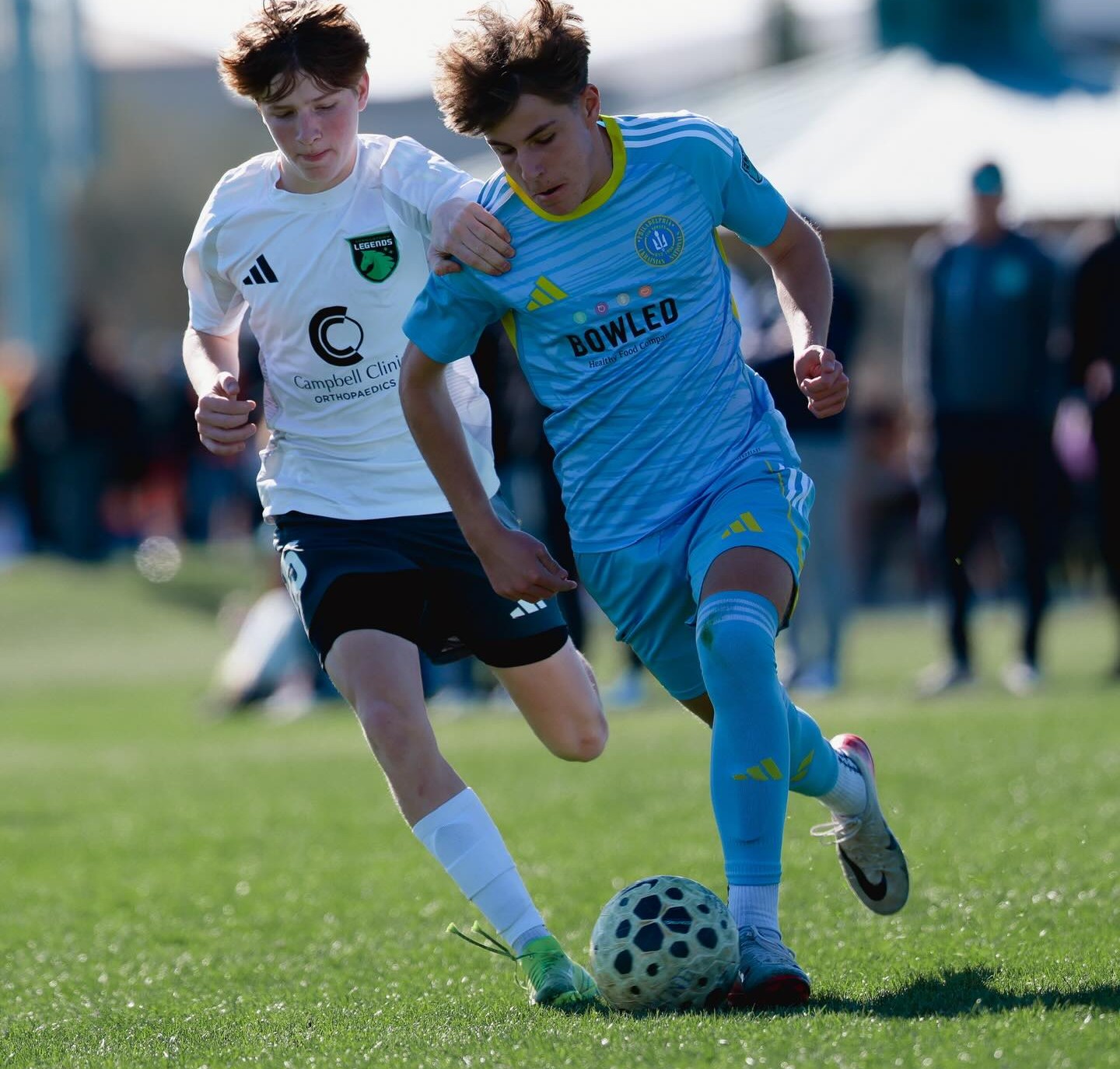
Navigating the Youth Soccer Landscape
When my oldest son first wanted to play soccer at age six, I thought it was simple: sign him up, buy some shin guards, show up on Saturdays. I had no idea I was stepping into a world with more layers, acronyms, and politics than I'd ever imagined. Recreational, competitive, travel, club, premier, select, academy — the terminology alone is enough to make your head spin.
Five years later, having navigated both recreational and competitive paths with two kids, I've learned a lot about what each offers, what each demands, and how to make the right choice for your family. If you're trying to figure out which path is right for your child, this guide is for you.
Recreational Soccer: The Foundation
Recreational soccer — often called "rec" — is typically the starting point for young players. It's organized through local community leagues, YMCA programs, or parks and recreation departments, and it emphasizes participation, fun, and basic skill development.
What Rec Soccer Looks Like
- Frequency: Usually one practice per week and one game per week
- Season length: 8-12 weeks, typically spring and fall
- Cost: $50-200 per season, including uniform
- Coaching: Volunteer parent coaches, usually with minimal formal training
- Playing time: Equal or near-equal for all players
- Competition level: Teams are formed by random assignment or geographic area, not skill
- Travel: Games are local, usually within your town or county
The Benefits of Rec Soccer
Rec soccer often gets dismissed by competitive parents as "not serious enough." This is a mistake. Rec soccer provides several genuinely important benefits:
- Low-pressure introduction to the sport. Kids can explore whether they enjoy soccer without a massive time, financial, or emotional commitment.
- Social development. Playing on a team with neighborhood friends builds social skills and community connections.
- Physical activity. At its core, rec soccer gets kids moving, running, and having fun outdoors.
- Equal participation. Every child plays, regardless of skill level. This is particularly important for late developers who need time and touches to catch up.
The Limitations of Rec Soccer
For players who are serious about developing their skills, rec soccer has real limitations:
- Coaching quality varies widely. Volunteer coaches may have great intentions but limited knowledge.
- Limited training volume. One practice per week isn't enough to develop technical skills meaningfully.
- Pace of play can be slow. When teams are formed randomly, the range of skill levels can be enormous, which limits the challenge for stronger players.
- No progressive development pathway. Rec programs rarely have a curriculum or player development plan.
Competitive Soccer: The Next Level
Competitive soccer — also called "travel," "club," or "select" — is a step up in every dimension: commitment, cost, coaching, and competition. Players are selected through tryouts, teams are organized by skill level, and the expectation is that players are serious about developing and competing.
What Competitive Soccer Looks Like
- Frequency: Two to four practices per week, plus games on weekends
- Season length: Can be year-round, with fall and spring seasons and tournaments in between
- Cost: $1,500-5,000+ per year (including registration, uniforms, tournaments, and travel)
- Coaching: Licensed or certified coaches with formal training
- Playing time: Not guaranteed; based on performance and coach decisions
- Competition level: Teams are formed through tryouts; players are grouped by ability
- Travel: Games often require travel to other cities or states
The Benefits of Competitive Soccer
- Higher-quality coaching. Trained coaches can actually develop players, not just supervise games.
- More training volume. Multiple practices per week provide more opportunities for skill development.
- Appropriate challenge. Playing with and against players of similar ability pushes development in ways that rec soccer can't.
- Pathway to advanced opportunities. Competitive soccer can lead to Olympic Development Programs, academy invitations, and high school/college opportunities.
- Team culture and commitment. The shared commitment creates strong bonds and teaches valuable lessons about discipline and dedication.
The Challenges of Competitive Soccer
- Cost. The financial burden is significant and can be a barrier for many families.
- Time commitment. Between practices, games, and travel, competitive soccer can consume a family's schedule.
- Pressure. The competitive environment can create stress for kids who aren't ready for it.
- Unequal playing time. Your child may spend significant time on the bench, which can be demoralizing.
- Burnout risk. Year-round commitment increases the risk of physical and emotional burnout.
How to Decide: Key Questions to Ask
The right choice depends entirely on your child and your family. Here are the questions I'd encourage you to consider:
Is Your Child Ready?
Readiness for competitive soccer isn't just about skill — it's about emotional maturity. Can your child handle not starting? Can they manage the pressure of tryouts? Are they internally motivated to improve, or would competitive soccer feel like a parental mandate?
Generally, most development experts recommend that children under age 8 or 9 are better served by recreational soccer. The competitive pathway becomes more appropriate as children develop the emotional resilience and intrinsic motivation to handle its demands.
Can Your Family Handle the Commitment?
Competitive soccer is a family activity, not just a child's activity. The travel, the scheduling, the financial investment — these affect everyone. Have an honest conversation about whether your family can sustainably support a competitive soccer commitment.
What Does Your Child Want?
This might be the most important question, and it's the one most often overlooked. Does your child want to play competitive soccer, or do you want them to? Kids who are pushed into competitive environments before they're ready often end up resenting the sport.
The Third Path: Rec Plus Home Training
Here's something most youth soccer organizations won't tell you: you can develop a highly skilled player through recreational soccer supplemented by consistent home training. In fact, for many families, this is the optimal path during the U8-U10 years.
The logic is simple. Rec soccer provides the team experience, the social element, and the game-day competition. Home training — using platforms like Anytime Soccer Training — provides the technical development that rec practices can't deliver in a single weekly session.
A player who plays rec soccer and trains at home four times a week for 20 minutes will often develop faster technically than a player on a competitive team who only touches the ball during team practices. Why? Because those home sessions are 100% focused on individual skill development — no waiting in lines, no scrimmaging, no time spent on team tactics that are irrelevant at young ages.
This approach also offers significant advantages:
- Lower cost: A fraction of competitive soccer fees
- Lower time commitment: Home training happens on your schedule
- Lower pressure: Your child develops in a stress-free environment
- Higher touch count: More ball touches per minute than any team practice
- Flexible transition: When your child is ready for competitive soccer, they'll arrive with a technical foundation that impresses coaches
Making the Transition from Rec to Competitive
If and when your child decides they want to move to competitive soccer, the transition can be smooth if they've been doing consistent home training. Here's how to prepare:
Start Home Training 3-6 Months Before Tryouts
Use a structured program like Anytime Soccer Training to build technical skills systematically. Focus on ball mastery, first touch, weak foot, and dribbling — these are the skills that evaluators look for at tryouts.
Attend Open Practices or Clinics
Many clubs offer pre-tryout clinics or open training sessions. These give your child a taste of the competitive environment and help them adjust to the pace and expectations.
Manage Expectations
Your child might not make the top team on their first try. That's okay. Many successful competitive players started on lower-level teams and worked their way up through dedicated development.
Evaluate Multiple Clubs
Not all competitive clubs are equal. Visit different clubs, talk to parents, and observe how coaches interact with players. The right club culture matters as much as the competitive level.
A Word About the In-Between
Many communities now offer "intermediate" options — competitive-lite programs that bridge the gap between rec and full competitive. These might be called "academy," "development," or "challenge" leagues, and they typically offer more training than rec but less commitment than full competitive.
These can be excellent options for families exploring the competitive path. They provide higher-quality coaching and more challenging competition without the full financial and time commitment of travel soccer.
The Bottom Line
There is no single right path in youth soccer. Recreational soccer is not inferior. Competitive soccer is not inherently better. What matters is finding the environment that matches your child's current developmental stage, motivation level, and your family's resources.
Whatever path you choose, supplementing with consistent home training is the great equalizer. A rec player who trains at home can keep pace with — or surpass — competitive players who only train with their team. A competitive player who adds home training accelerates their development beyond what team practices alone can achieve.
The beautiful thing about soccer development is that it happens wherever there's a ball, a willing player, and regular practice. That can be a pristine training complex or a patch of grass in your backyard. The field doesn't matter nearly as much as the commitment.
Gear we use for this
The kit our own players train with at home.
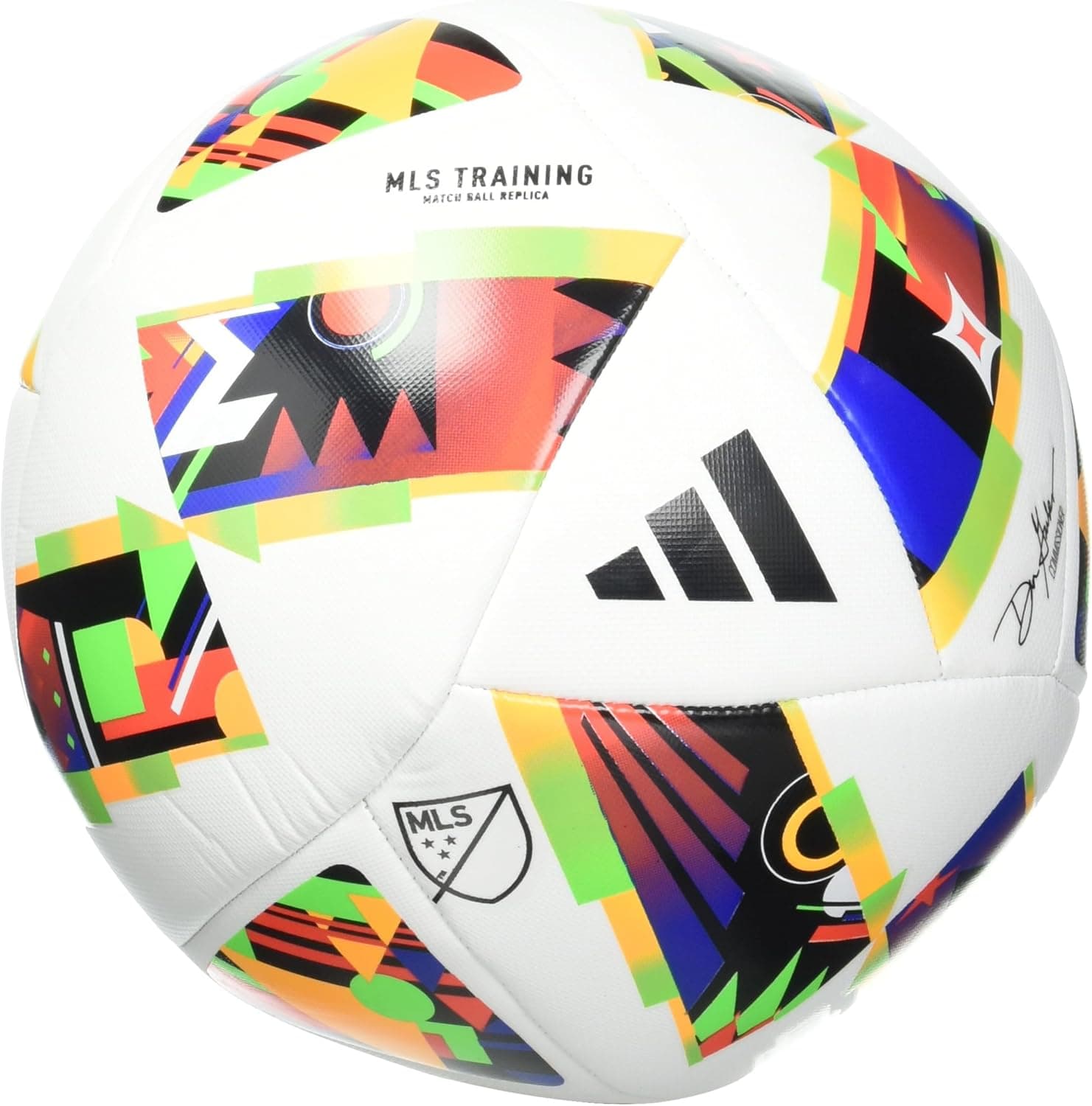
Adidas MLS Training Soccer Ball
View on Amazon →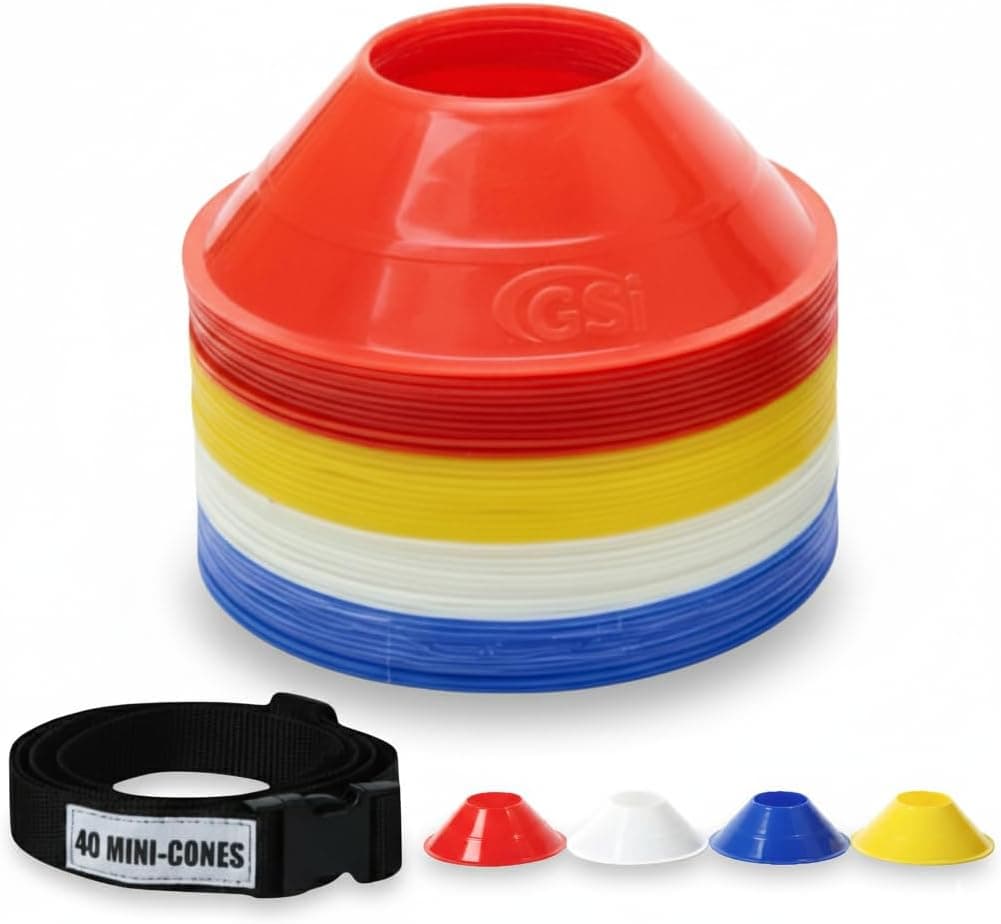
Disc Training Cones (Set of 40)
View on Amazon →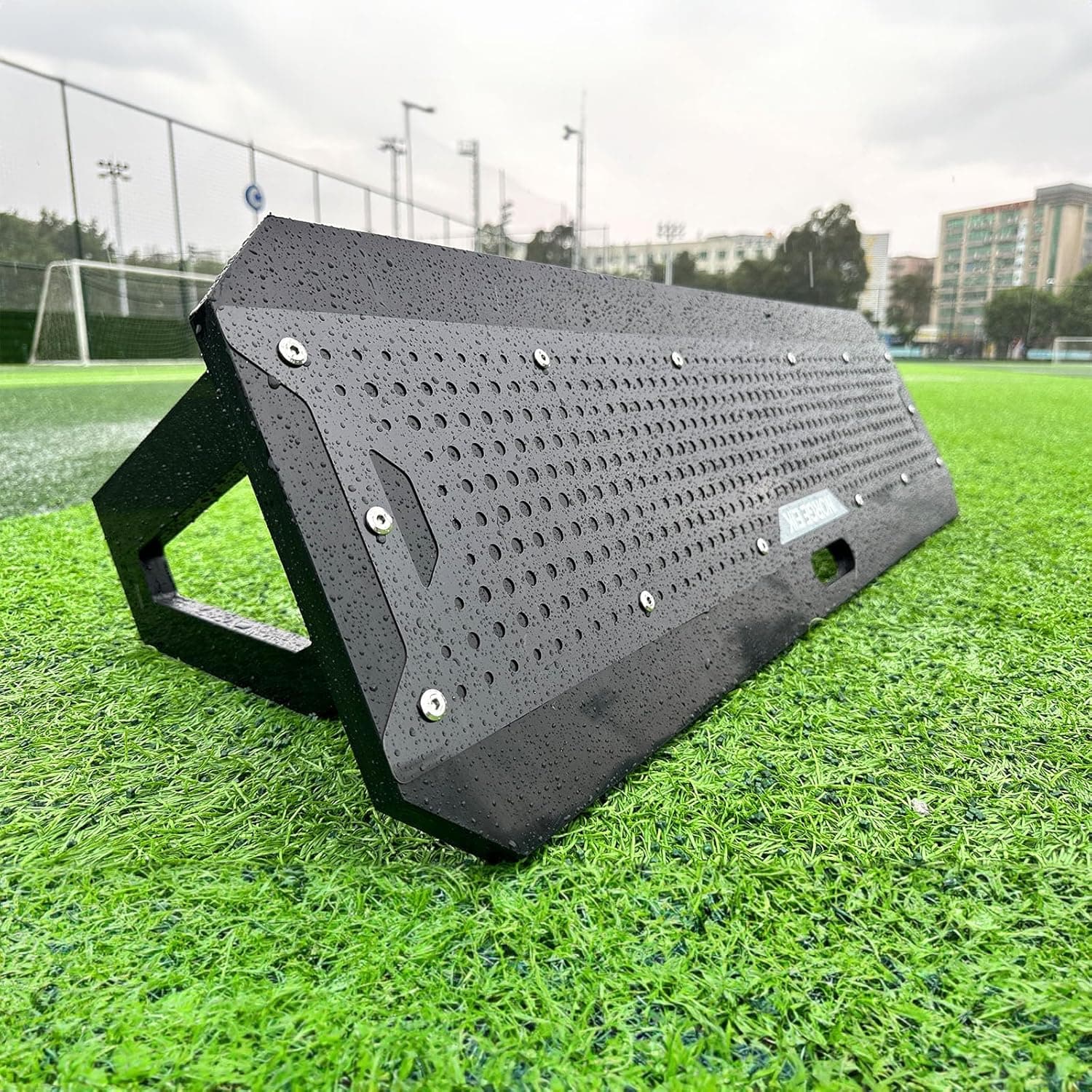
Soccer Rebounder
View on Amazon →As an Amazon Associate we earn from qualifying purchases, at no extra cost to you.