
The Day I Realized Team Practice Wasnt Enough
November 27, 2025

The Day I Realized Team Practice Was Not Enough
I remember the exact moment. It was a Saturday afternoon in October, one of those perfect fall soccer days with crisp air and golden light. My son was ten years old, playing in a U-11 fall league game. He had been on the same club team for two years, attending every practice, every game, and most of the optional training sessions.
And he was getting dominated.
Not by the entire opposing team, but by one kid in particular. A midfielder on the other side who seemed to have the ball on a string. Every touch was clean. Every pass was weighted perfectly. Every time my son closed him down, the kid would turn, feint, and glide past like my son was standing still.
After the game, which we lost 4-1, I asked my son's coach about the other team's midfielder. The coach knew the kid and said something that stuck with me: That kid trains at home every single day. His parents told me he does thirty minutes of ball work before school. You can always tell the ones who train outside of practice.
That sentence changed everything for our family.
The Uncomfortable Truth About Team Practice
Like most soccer parents, I had assumed that team practice was the primary vehicle for my son's development. That is what we were paying for, right? Professional coaching, structured training sessions, a development pathway. Surely two or three practices a week plus games was enough to produce steady improvement.
It was not. And when I started looking at the numbers, I understood why.
In a typical 90-minute team practice with 16 kids on the field, each player gets approximately 2 to 4 minutes of actual ball contact time. The rest is spent waiting in lines, listening to instructions, playing in scrimmages where you might touch the ball every 30 to 60 seconds, and transitioning between drills.
That means in a week with two practices and one game, my son was getting maybe 10 to 15 minutes of quality touches on the ball. Compare that to the kid who trained at home for thirty minutes every morning. That kid was accumulating over three hours of focused ball contact per week on top of team activities.
Over a month, the gap was around 12 additional hours of focused training. Over a season, it was roughly 50 hours. Over a year, the home-training kid had accumulated 200 or more hours of extra ball contact compared to the kid who only did team activities.
Suddenly, the gulf in ability made perfect sense. It was not about talent. It was about time with the ball.
My Initial (Failed) Attempts at Home Training
Armed with this realization, I did what any enthusiastic soccer parent would do: I went overboard. I bought cones, agility ladders, rebounders, and training manuals. I watched coaching videos on YouTube for hours. I created elaborate weekly training plans with color-coded drill sequences.
My son hated it.
The sessions were too long, too structured, and too much like a second practice. I was trying to replicate a professional coaching environment in our backyard, and it sucked all the joy out of it. After two weeks, my son was actively resisting going outside to train, and I was frustrated and confused about what I was doing wrong.
The problem was not the concept of home training. The problem was my approach. I was treating my son like a player to be coached rather than a kid who needed to enjoy the process. I was prioritizing my training plan over his experience.
What I Changed
After that failed first attempt, I took a step back and reconsidered everything. I talked to a few coaches I respected and to other parents who had successfully incorporated home training. Here is what I learned and changed:
- Shorter sessions: I cut sessions from 45 minutes down to 15-20 minutes. This felt counterintuitively short, but the quality of focus during those 15 minutes was dramatically better than the distracted 45-minute grinders.
- Less structure, more play: Instead of rigidly following a drill sequence, I let the sessions breathe. We would do one or two focused drills, then spend the rest of the time in a fun game or challenge.
- His choices: I started letting my son choose what he wanted to work on. Some days it was dribbling. Other days he wanted to practice shooting. Giving him ownership over the content made him far more engaged.
- Technology as a coach: I discovered Anytime Soccer Training, and it was a game changer. Instead of me trying to be the coach, which I am not qualified to be, my son could follow along with professional training videos at his own pace. I became his training partner rather than his instructor.
The Transformation: What Happened Next
With the adjusted approach, home training went from a battle to a bonding experience. My son actually started asking to go outside and train. Not every day, but three or four times a week, he would grab his ball and say he wanted to do a session.
The first month, I did not notice much change in his game performance. But in training, he was clearly getting better. His juggling count went up. His cone weave got faster. His passing against the garage wall got cleaner and more rhythmic.
Around the two-month mark, things started showing up in games. His first touch was noticeably better. He was attempting moves he had never tried before, and some of them were actually working. He was keeping the ball under pressure instead of panicking and kicking it away.
By the end of the season, his coach pulled me aside and asked what had changed. He said my son had improved more in the last few months than in the previous two years combined. I told him about the home training, and the coach nodded knowingly. He said he wished every parent understood how important extra training outside of team sessions was.
Why Team Practice Alone Falls Short
To be clear, I am not criticizing team practice. It is essential for tactical development, teamwork, communication, game understanding, and socialization. A good team practice teaches things that home training simply cannot replicate.
But team practice has inherent limitations for individual skill development:
- Limited ball contact time per player due to sharing time with teammates
- Coach attention is divided among many players with different needs
- Sessions are designed for the group, not for your child's specific weaknesses
- Social dynamics like fear of embarrassment can prevent kids from trying new skills
- The pace is set by the team, not by the individual learner
Home training fills every one of these gaps. Your child gets unlimited ball contact. The focus is entirely on their needs. They can practice in a safe, judgment-free environment. And they can progress at their own pace, spending extra time on skills that are challenging and moving quickly through skills they have already mastered.
What I Wish I Had Known from the Start
Looking back, I wish someone had told me these things when my son first started playing:
- Team practice is necessary but not sufficient. It is one piece of the development puzzle, not the whole picture.
- You do not need to be a soccer expert to support home training. Good resources and video platforms do the coaching.
- Fifteen minutes beats zero minutes. Every time. Do not let the perfect be the enemy of the good.
- Make it fun or it will not last. Long-term consistency only happens when your child enjoys the process.
- The gap between trainers and non-trainers widens over time. Starting early with home training, even in small amounts, creates compound benefits.
Your Next Step
If you are where I was that October afternoon, watching your child struggle and wondering why team practice does not seem to be enough, I want to encourage you: the solution is simpler than you think. You do not need to overhaul your family's schedule or become a certified coach. You just need to add a little bit of consistent, enjoyable training at home.
Start with Anytime Soccer Training and let your child explore what interests them. Commit to three short sessions a week. Be their partner, not their coach. And give it time. Within a few months, you will see the same transformation that our family experienced, and you will wonder why you did not start sooner.
That kid who dominated my son on that October afternoon did us an enormous favor. He showed us what was possible when team practice is supplemented with dedicated home training. I will always be grateful for that uncomfortable wake-up call.
Gear we use for this
The kit our own players train with at home.
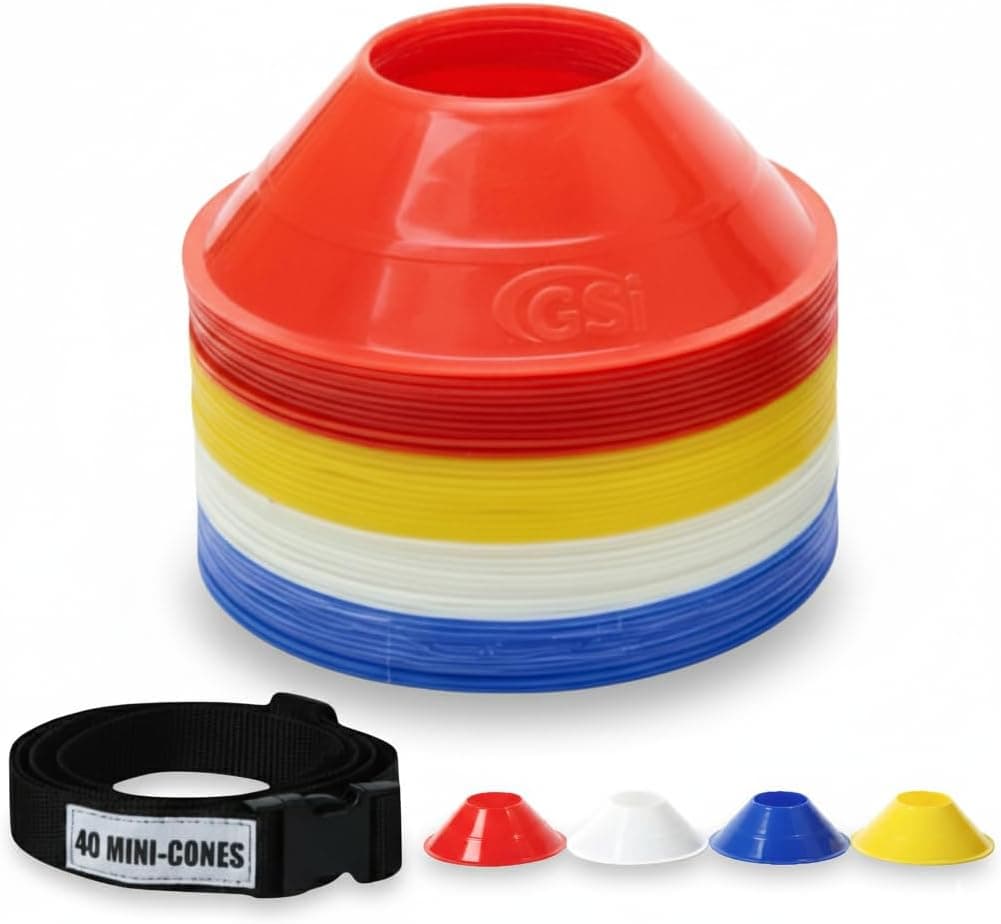
Disc Training Cones (Set of 40)
View on Amazon →
Adidas MLS Training Soccer Ball
View on Amazon →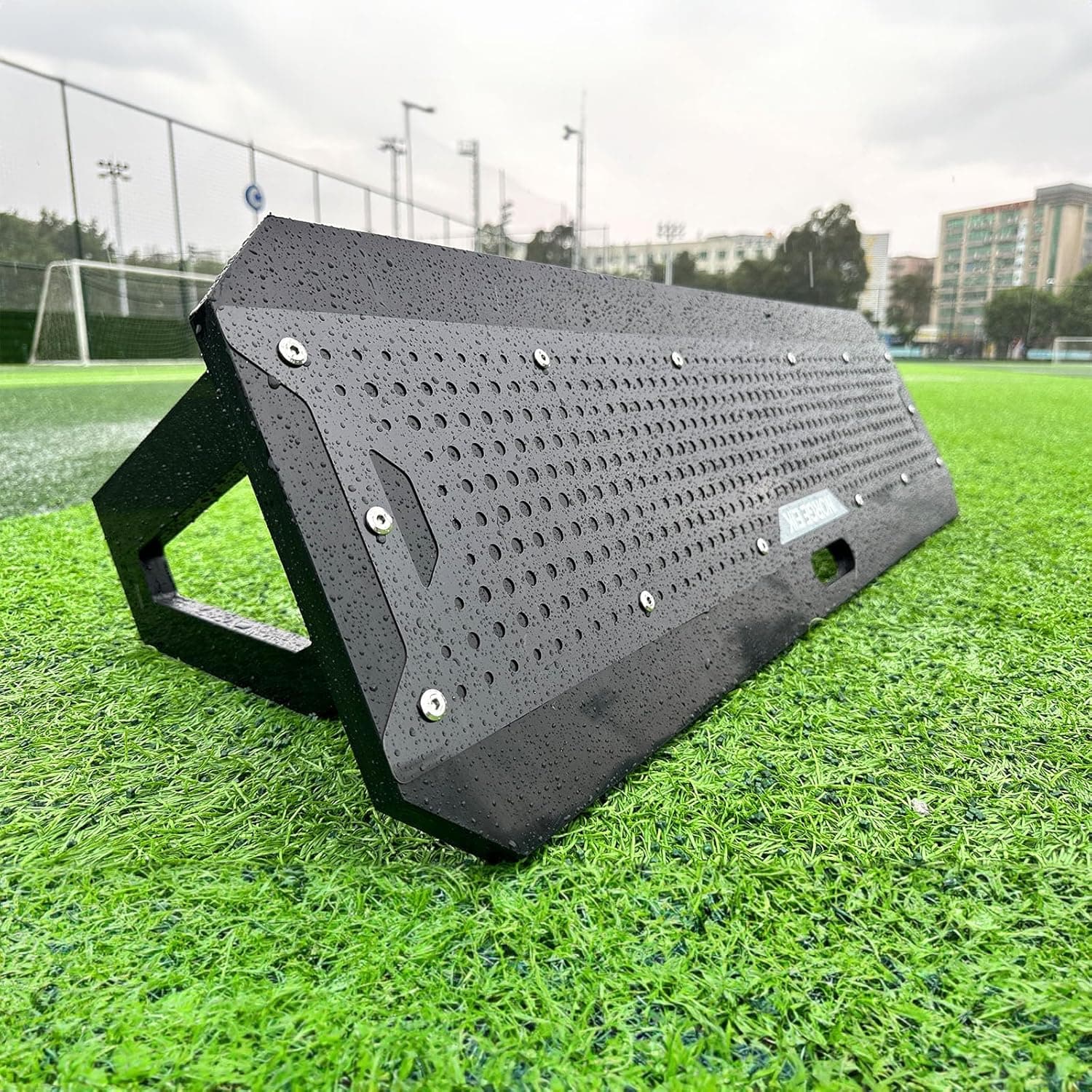
Soccer Rebounder
View on Amazon →As an Amazon Associate we earn from qualifying purchases, at no extra cost to you.