
The Dad Who Never Played Soccer But Trained His Son to the Academy
February 15, 2026
The Dad Who Never Played Soccer But Trained His Son to the Academy
My name is not important. What is important is that I never played soccer in my life. Not in high school, not in college, not even in a recreational league. I grew up playing basketball and football in the United States, and soccer was something I knew nothing about. So when my son came home from kindergarten at age five and told me he wanted to play soccer, I was completely out of my depth.
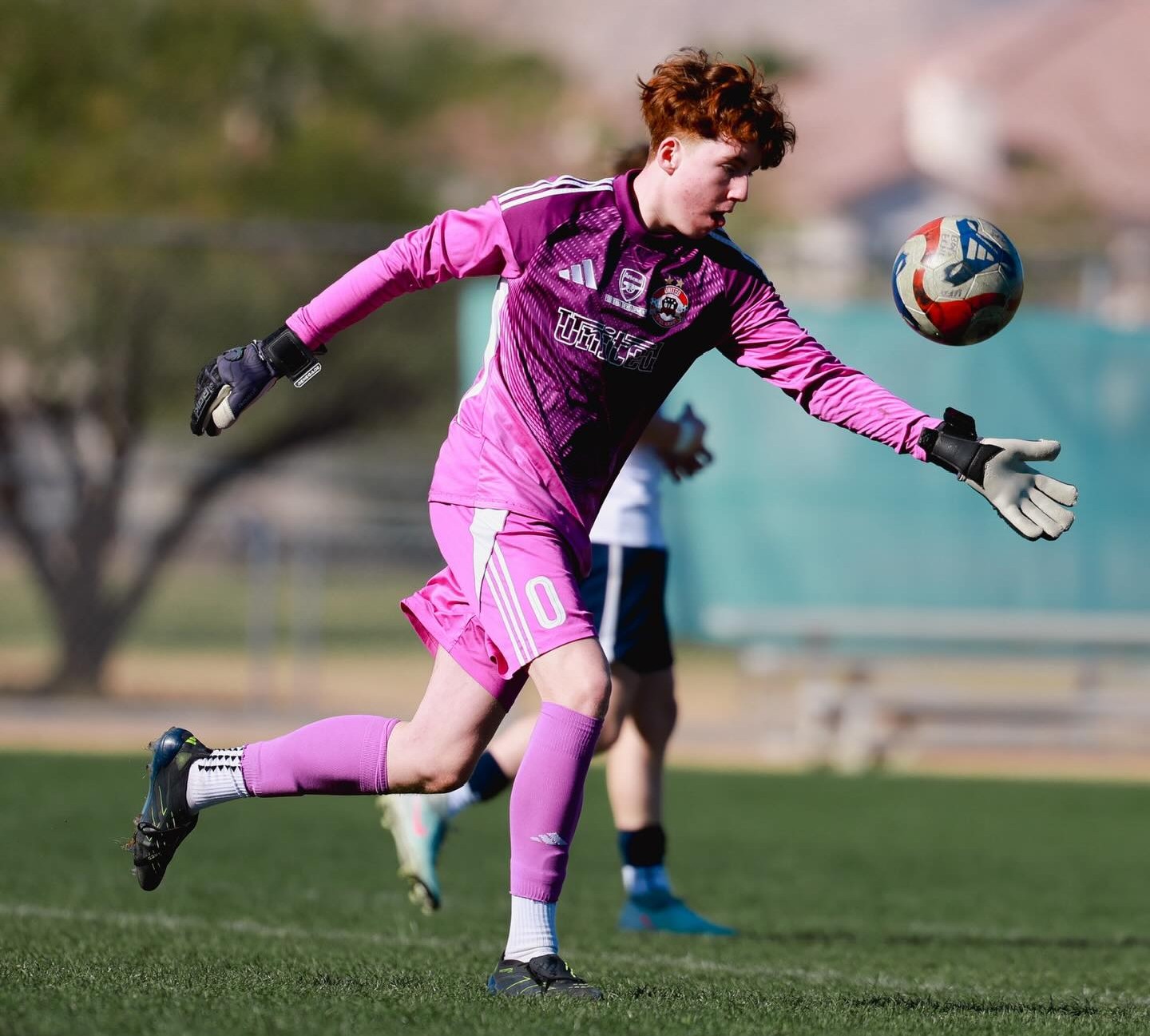
Fast forward eight years, and my son has just been accepted into a competitive academy program. He is training with some of the best young players in the state, and his coaches have told me he has genuine potential. And I trained him. Me. The dad who could not even do a proper juggle when we started.
This is our story, and I am sharing it because I want every parent out there who thinks they cannot help their child with soccer because they never played to know that you absolutely can.
Year One: The Clueless Beginning
When my son started playing rec soccer at age five, I signed up to be an assistant coach because the league needed volunteers. I had no idea what I was doing. I watched YouTube videos the night before every practice to learn drills, and I am pretty sure the kids could tell I was winging it.
But something happened during that first year that changed everything. I noticed that my son, despite being enthusiastic, was not developing as quickly as some of the other kids. The ones who were pulling ahead were the ones whose parents played soccer and were working with them at home. My son did not have that advantage because his dad could not demonstrate a single skill properly.
I realized that if I wanted my son to develop, I needed to find a way to help him train at home despite my lack of soccer knowledge. That realization set me on a path that I never could have predicted.
Finding the Right Resources
The first thing I did was start researching how to train a young soccer player. I read books, watched countless videos, and even attended a youth coaching certification course. The coaching course was helpful for understanding team training, but what I really needed was a resource for individual skill development that I could use at home with my son.
That is when I discovered Anytime Soccer Training, and it was honestly the turning point for us. The reason it worked so well for our situation was that it was designed for kids to follow along with a professional coach on screen. I did not have to demonstrate anything. I did not have to know the correct technique for a Cruyff turn or the proper form for a sole roll. The coach on screen did all of that, and my son followed along.
My role became the supporter rather than the instructor. I set up the space, I started the session, I encouraged him, and I celebrated his progress. That was something I could do regardless of my soccer background, and it turned out to be exactly what my son needed.
Years Two and Three: Building the Daily Habit
Starting at age six, we committed to daily training sessions at home. The sessions were short, usually about ten to fifteen minutes, and they focused on ball mastery and basic skills. My son would follow along with the on-screen coach, and I would sit nearby, watching and cheering him on.
In the beginning, progress was slow. There were days when my son got frustrated because he could not do what the coach was doing. There were days when I got frustrated because I could not help him troubleshoot his technique. But we stuck with it, day after day, week after week.
By the end of year two, the consistency was paying off. My son's ball control had improved dramatically. He was one of the more comfortable players on the ball in his rec league, which was a complete reversal from where he had been a year earlier. His coach noticed and recommended he try out for the travel team.
He made the travel team, which was our first major milestone. And it happened not because of genetics or natural talent, but because of hundreds of fifteen-minute training sessions in our garage.
Years Four and Five: Leveling Up
Once my son was on the travel team, the level of competition increased significantly. The other kids were better, the training was more intense, and the expectations were higher. Initially, my son was one of the weaker players on the team, and I worried that he might get discouraged.
But the daily home training habit we had built gave us a secret weapon. While the other kids were only getting better at team practice two or three times a week, my son was putting in an extra ten to fifteen minutes every single day at home. Over the course of a season, that added up to dozens of additional hours of individual skill development.
During these years, we expanded our home training beyond just ball mastery. We added first touch work using a rebounder I bought online, dribbling through cones in the backyard, and shooting practice against a target on the fence. I still could not demonstrate proper technique, but I could set up equipment, time drills, keep score, and provide encouragement.
I also started learning more about soccer by watching professional games with my son. We would watch together and he would explain things to me, which was actually a great learning experience for both of us. He was developing his tactical understanding by teaching me, and I was gaining enough knowledge to have meaningful conversations about the game.
By the end of year five, my son was one of the top players on his travel team. Not the most athletic, not the fastest, not the strongest. But the most technical. The kid with the best touch, the most creativity, and the greatest comfort on the ball. All of that was built at home.
Years Six Through Eight: The Academy Path
When my son was eleven, his travel coach pulled me aside and suggested that we look into academy programs. He said my son had the technical quality to play at a higher level and that he should be challenged more. I was shocked. The kid whose dad could not kick a ball straight was being recommended for an academy.
We went through the tryout process for a couple of different academies. The tryouts were intense, with multiple sessions over several weeks where the coaches evaluated hundreds of players. My son was not the flashiest player at the tryouts, but his technical quality stood out. His first touch was clean, his dribbling was controlled, and he could execute skills with both feet, a rarity at his age.
He was accepted into an academy program, and he has been there for two years now. The training is at a completely different level, with professional coaches, advanced tactical work, and a competitive environment that pushes him every day. But the foundation that got him there, the ball mastery, the first touch, the close control, was all built in our garage and backyard during those daily fifteen-minute sessions.
What I Learned Along the Way
This journey has taught me several important lessons that I want to share with other parents, especially those who did not play soccer:
You do not need to be a soccer expert to help your child develop. What you need is commitment, consistency, and the right resources. I could not demonstrate a single skill properly, but I could show up every day, set up the training space, and be my son's biggest supporter. That was enough.
Consistency beats talent. My son is not the most naturally gifted athlete. He is average height, average speed, and average strength. But he has an extraordinary work ethic that was built through years of daily training. Talent gets you noticed; consistency gets you to the top.
Technology is a game changer for parents without soccer backgrounds. Without platforms like Anytime Soccer Training, I genuinely do not know how we would have managed home training. The ability to have a professional coach guide my son through skills that I could not demonstrate was invaluable. It leveled the playing field for kids whose parents are not former players.
The parent-child bond through training is incredible. Some of my best memories with my son are from our training sessions. Not because of the soccer itself, but because of the time we spent together, the challenges we overcame, and the goals we achieved. Training together brought us closer in a way that nothing else has.
It is never too late to start. We did not start training at home until my son was six. Many of the kids at his academy started formal training even earlier. But it did not matter. Consistent daily practice closed the gap and eventually put him ahead. If your child is seven, eight, ten, or even twelve and you have not started home training yet, start today. It is not too late.
Advice for Non-Soccer Parents
If you are reading this and you are a parent who never played soccer, here is my practical advice for helping your child develop:
- Find a follow-along training program. Look for something like Anytime Soccer Training where your child can follow along with a professional coach. This eliminates the need for you to demonstrate skills.
- Commit to daily practice. Even just ten minutes a day. Consistency is the most important factor in skill development, and it is something you can control regardless of your soccer knowledge.
- Be the encourager, not the instructor. Your job is to create a positive, supportive training environment. Leave the technical instruction to the coaches and the training programs.
- Learn alongside your child. Watch professional games together, ask questions, and let your child teach you. It is a great bonding experience and it helps both of you learn.
- Invest in basic equipment. A good ball, some cones, and a rebounder or a flat wall to pass against. That is all you need for effective home training.
- Track progress and celebrate milestones. Keep a simple log of training days and celebrate achievements. This builds motivation and helps your child see their own progress.
- Trust the process. Improvement does not happen overnight. There will be plateaus, frustrations, and setbacks. Trust that consistent daily practice will produce results over time.
Where We Are Today
My son is now thirteen and thriving at the academy. He trains six days a week with professional coaches and plays against the best competition in our region. His dream is to play college soccer and beyond, and his coaches believe he has the ability to do so.
I still cannot juggle more than about ten times. My shooting technique is laughable, and my tactical knowledge is basic at best. But none of that mattered. What mattered was that I showed up every day, pressed play on the training session, and told my son I believed in him.
You can do this. You do not need a soccer background. You do not need to be a coach. You just need to be a committed parent with fifteen minutes a day and a willingness to support your child's dreams. That is the whole secret, and it is available to every single one of you.
Gear we use for this
The kit our own players train with at home.

Adidas MLS Training Soccer Ball
View on Amazon →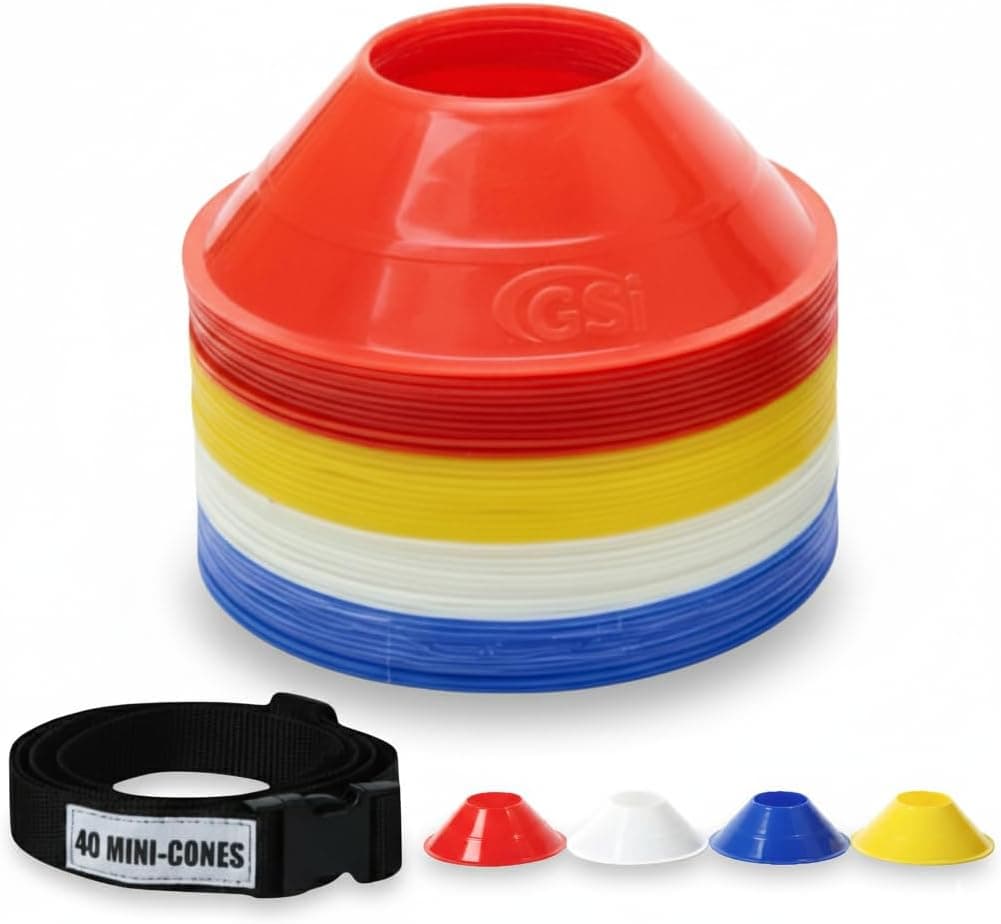
Disc Training Cones (Set of 40)
View on Amazon →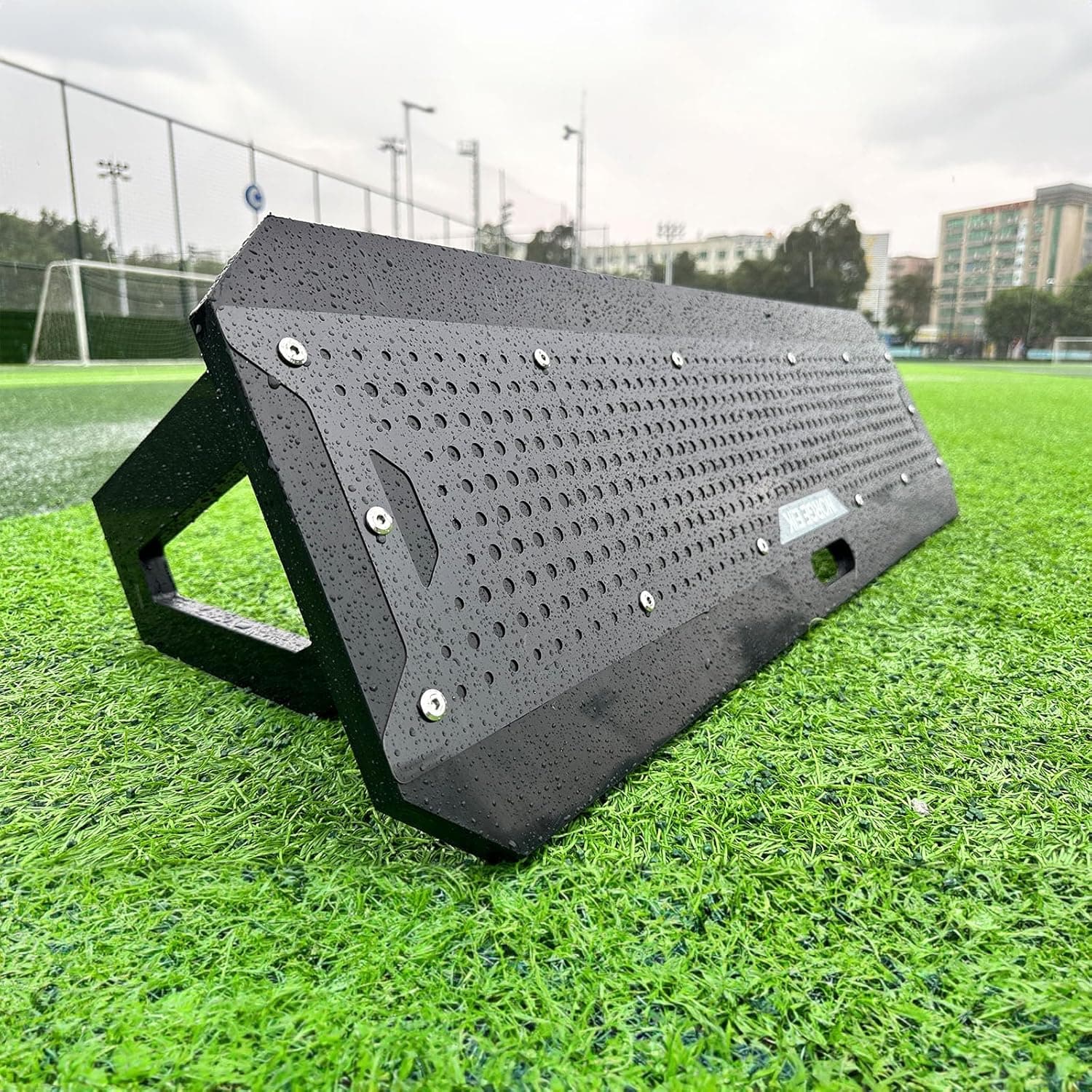
Soccer Rebounder
View on Amazon →As an Amazon Associate we earn from qualifying purchases, at no extra cost to you.