
The Complete Home Soccer Training FAQ
December 27, 2025
The Complete Home Soccer Training FAQ: Everything Parents Ask
Over the years, I have received hundreds of questions from soccer parents about home training. Many of the same questions come up again and again, which tells me these are the genuine concerns and uncertainties that families face when they are considering or starting home training.
I have compiled the most frequently asked questions into this comprehensive FAQ. Whether you are just getting started or have been training at home for a while, I hope you find answers here that help you navigate the journey with confidence.
Getting Started
Q: I have no soccer background. Can I still help my child train at home?
A: Absolutely. This is the most common concern I hear, and it should not hold you back for a second. You do not need to be a soccer expert to facilitate home training. Platforms like Anytime Soccer Training provide professional coaching through follow-along videos. Your role is to be a training partner, an encourager, and the person who makes sure the sessions happen. You can learn alongside your child, and honestly, that shared learning experience often strengthens the bond between parent and child.
Q: What equipment do I need to start?
A: At minimum, you need a soccer ball that is the right size for your child's age group: size 3 for under 8, size 4 for ages 8-12, and size 5 for 13 and up. Beyond that, a set of 6-8 small cones and access to a wall are extremely helpful but not essential. You do not need goals, rebounders, or expensive training aids to start. Those can come later if you want them.
Q: How much space do I need?
A: Less than you think. Ball mastery work and many dribbling drills can be done in a space as small as 10x10 feet. That means a small backyard, a driveway, a garage, or even a large living room with a soft ball can work. For shooting and longer passing, you will want more space, but those activities can be done at a nearby park or school field.
Q: What age should my child start home training?
A: There is no minimum age, but the approach changes dramatically based on age. For kids under 6, home training should be pure play with a ball, nothing structured. From ages 7-9, you can introduce short, structured sessions of 10-15 minutes. From 10 and up, structured training sessions of 15-25 minutes are appropriate and highly effective.
Frequency and Duration
Q: How many times per week should we train?
A: For most families, three times per week is the sweet spot. It is frequent enough to produce real improvement, but manageable enough to sustain long-term. Four sessions per week is excellent if your schedule allows. Even two sessions per week will produce noticeable results over time if done consistently.
Q: How long should each session be?
A: For most kids ages 7-12, aim for 15-20 minutes per session. For teens, 20-30 minutes is appropriate. The quality of the session matters far more than the length. A focused 15-minute session is more productive than a distracted 45-minute session. When in doubt, keep it shorter.
Q: Should we train on the same days as team practice?
A: Ideally, schedule home training on days without team practice to give your child recovery time between sessions. A common schedule is team practice on Tuesdays and Thursdays, home training on Mondays, Wednesdays, and Fridays, game on Saturday, and rest on Sunday. But adapt this to your family's schedule. The best schedule is the one you can actually stick to.
Training Content
Q: What should we work on?
A: Focus on the fundamental technical skills: first touch, passing, dribbling, ball mastery, and shooting. Within each session, pick one or two skills to focus on rather than trying to cover everything. Over the course of a week, rotate through different skills so that all areas get attention. Follow the age-specific guidance in our other articles for more detailed recommendations.
Q: How do I know if the drills are too easy or too hard?
A: Look for the sweet spot where your child succeeds about 60-70 percent of the time. If they are succeeding every time, the drill is too easy and needs to be progressed. If they are failing most of the time, it is too hard and needs to be simplified. The ideal challenge level is when they have to work for success but achieve it often enough to stay motivated.
Q: Should my child work on their weak foot?
A: Yes, absolutely, especially between ages 8 and 14 when the brain is most receptive to developing new motor patterns. Include weak-foot work in every session, even if it is just a few minutes. A good target is to spend at least 30 percent of training time on the non-dominant foot.
Q: My child only wants to shoot. Should I let them?
A: Let them shoot as part of the session, but not the entire session. Use shooting as the fun finisher or reward after completing other skill work. Over time, as they develop a training habit, you can gently introduce more variety. The priority early on is building the habit of training, so some flexibility on content is a worthwhile trade-off.
Motivation and Consistency
Q: My child does not want to train. What do I do?
A: First, examine whether the sessions are too long, too hard, or too serious. Most resistance comes from sessions that do not feel fun or rewarding. Try shortening the sessions, adding more games and challenges, and giving your child more choice in what to work on. If resistance persists, take a break and try again in a few weeks. Forcing training when a child is genuinely resistant can create negative associations with soccer that are hard to undo.
Q: How do I keep things fresh so my child does not get bored?
A: Vary the drills within each skill category, add challenges and competitions, train in different locations occasionally, and use video-based platforms like Anytime Soccer Training for new ideas and structured variety. Also, let your child choose what they want to work on some days. Autonomy is a powerful motivator.
Q: We keep starting and stopping. How do we stay consistent?
A: Consistency starts with making training non-negotiable on your calendar, just like any other appointment. Pick specific days and times and protect them. Start with a frequency you can definitely maintain, even if it is just twice a week, and build from there. Track sessions on a calendar and celebrate streaks. And when you miss a week, restart without guilt. Perfection is not the goal. Consistent imperfection is.
Results and Expectations
Q: How long before we see results?
A: In training, you will notice improvement within the first few weeks. In games, expect a timeline of 60-90 days of consistent training before trained skills begin appearing regularly in match situations. The exact timeline varies based on age, frequency, and starting level, but most families report a clear shift around the three-month mark.
Q: My child is training but I do not see improvement in games. What is wrong?
A: There is usually a lag between training improvement and game improvement. Skills practiced in a controlled environment take time to transfer to the faster, more unpredictable game setting. Keep training and be patient. Also consider whether the drills are addressing the specific skills your child needs for their game. Targeted training that addresses real weaknesses produces faster visible results than general training.
Q: Will home training conflict with what their team coach is teaching?
A: Almost never. Home training focuses on individual technical skills like touch, dribbling, passing, and shooting. These are universal and complement any team's system or coaching philosophy. If your child's team coach provides specific instructions about technique, you can incorporate those into home training. But fundamental skill development is universally beneficial regardless of coaching approach.
Practical Concerns
Q: What about bad weather?
A: Move training indoors. A garage, basement, or even a large room with a soft ball works for ball mastery, footwork, and juggling. Anytime Soccer Training has sessions designed for small indoor spaces. Alternatively, embrace moderate bad weather. Training in light rain or cold builds mental toughness and can actually be fun if you have the right attitude.
Q: My child plays multiple sports. Is there time for home soccer training?
A: Yes, as long as you keep sessions short. Even two 15-minute sessions per week alongside other sports activities is beneficial. Multi-sport participation is actually great for overall athletic development, so do not sacrifice other sports for soccer training. Just fit in what you can and be okay with less during busy multi-sport seasons.
Q: Should I hire a private trainer instead of doing home training?
A: Private training and home training are not mutually exclusive. If you can afford a private trainer and find a good one, it can be a great supplement. But home training offers advantages that private training does not: it is available every day, it costs a fraction of the price, and it builds the self-discipline of independent practice. For most families, a combination of Anytime Soccer Training for structured home sessions plus occasional private training is the best balance of effectiveness and cost.
Q: Is it better to train alone or with a partner?
A: Both have value. Solo training with a wall allows for high-volume repetition and self-paced practice. Partner training adds passing, competitive challenges, and the social element that keeps training enjoyable. Ideally, alternate between solo and partner sessions throughout the week.
The Bottom Line
Home soccer training is not complicated, expensive, or time-consuming. It is simple, affordable, and fits into even the busiest family schedules. The only requirement is consistency, and the only tool that is truly essential is a soccer ball.
If you still have questions that were not covered here, reach out to the Anytime Soccer Training community. You will find thousands of families on the same journey, happy to share what they have learned and encourage you along the way.
Start where you are. Use what you have. Do what you can. And watch your child grow into the soccer player they dream of being.
Gear we use for this
The kit our own players train with at home.
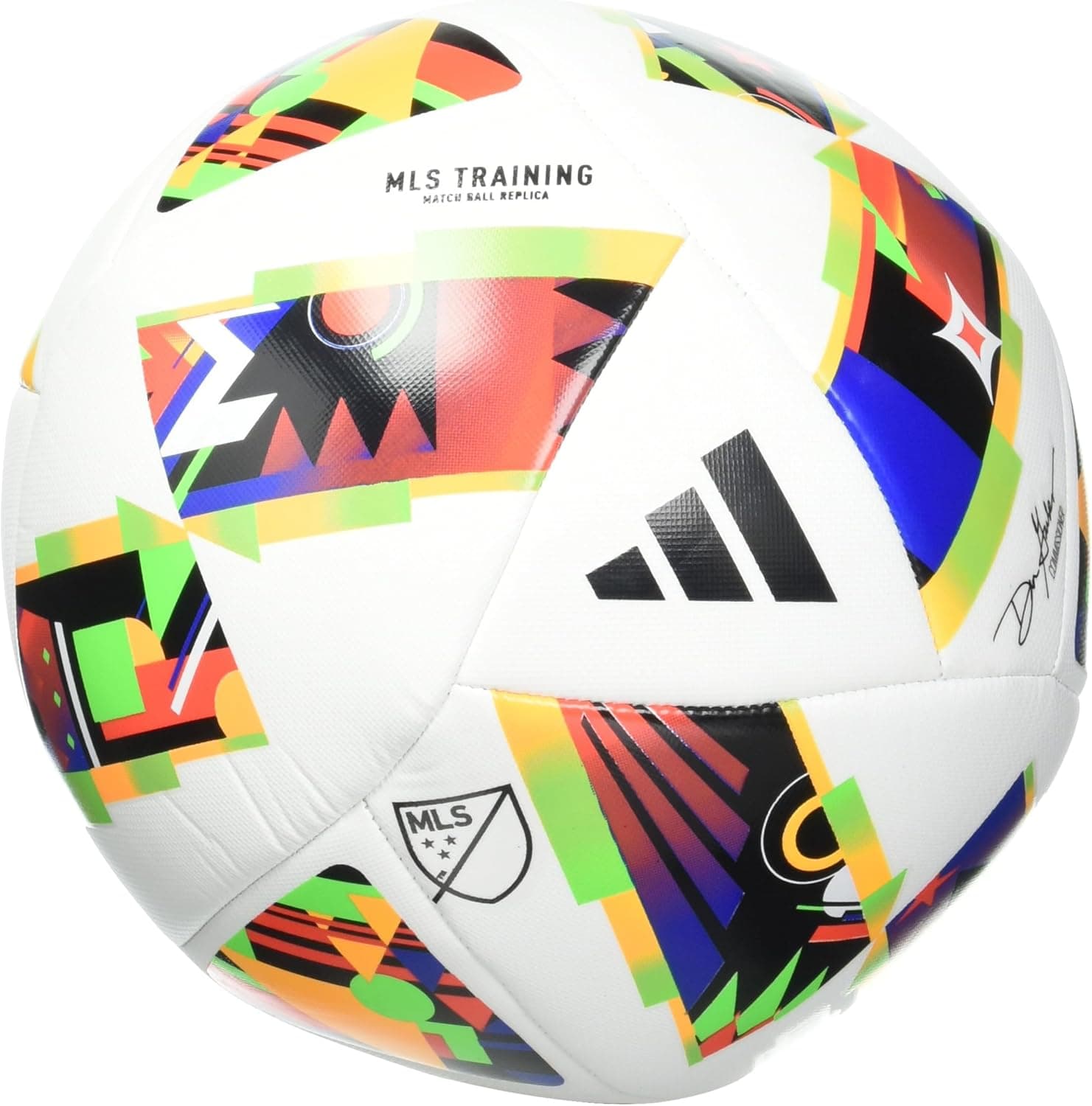
Adidas MLS Training Soccer Ball
View on Amazon →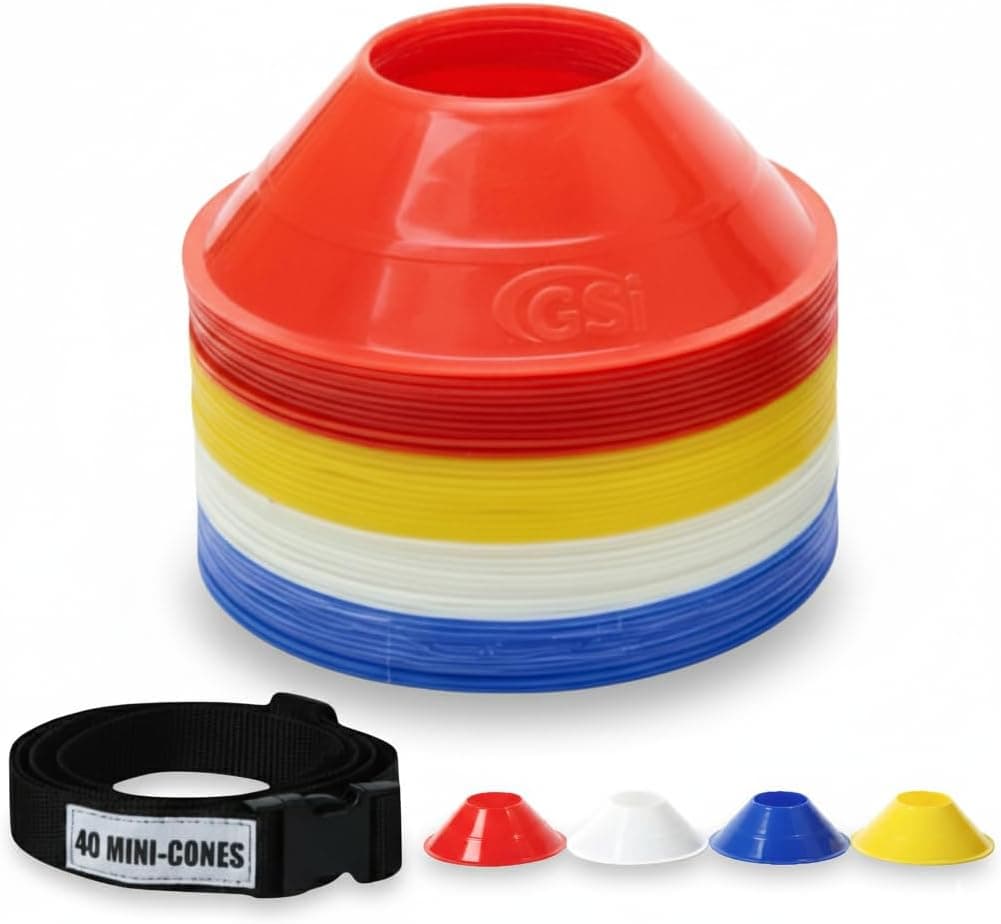
Disc Training Cones (Set of 40)
View on Amazon →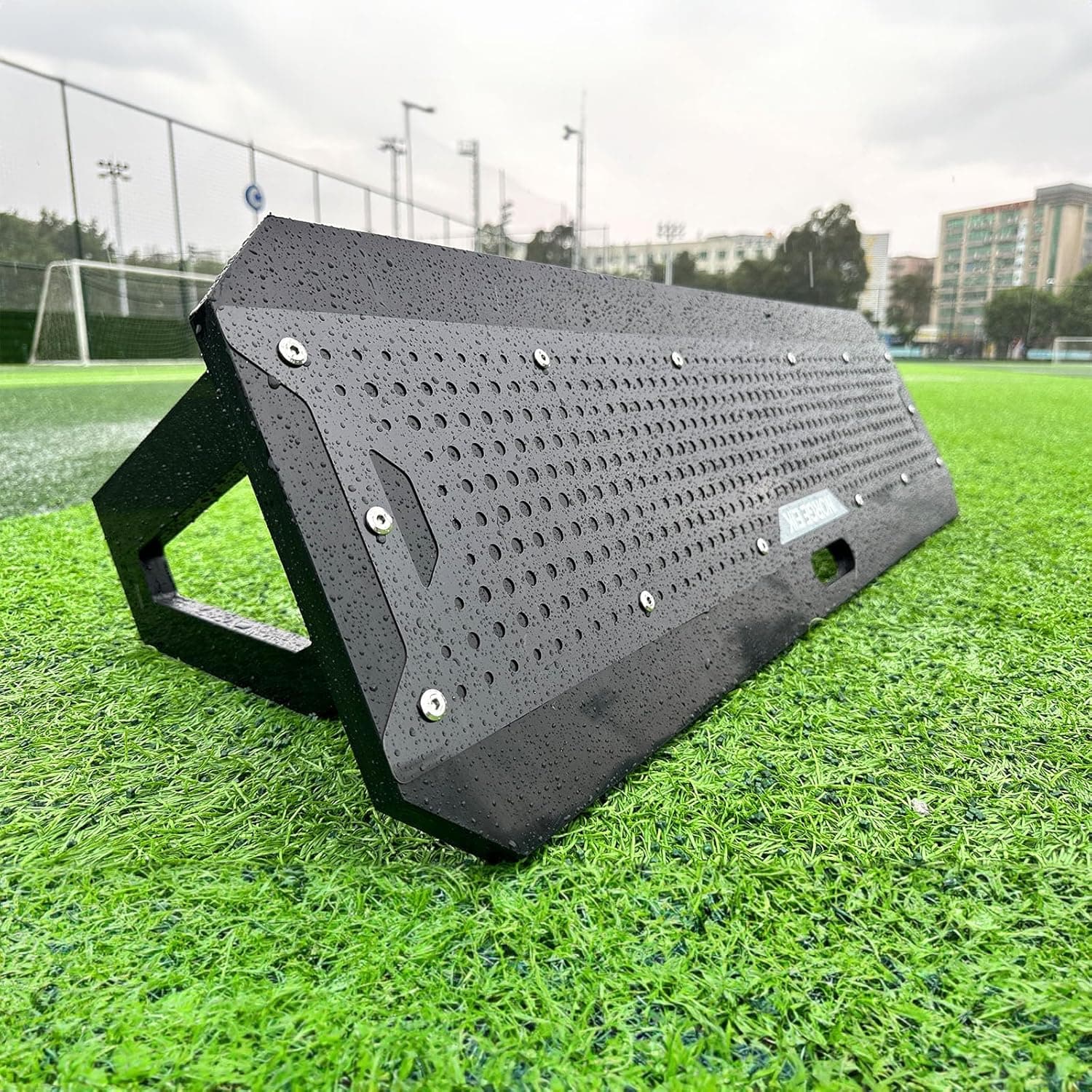
Soccer Rebounder
View on Amazon →As an Amazon Associate we earn from qualifying purchases, at no extra cost to you.