
The Complete Guide to Supporting Your Young Soccer Player
March 13, 2026

The Complete Guide to Supporting Your Young Soccer Player
Being a soccer parent is one of the most rewarding and simultaneously confusing roles you will ever take on. You want to support your child's dreams, help them improve, and give them every advantage, but you also do not want to push too hard, say the wrong thing, or make decisions that hurt their development. It is a tightrope walk, and nobody gives you a manual when you sign up.
Consider this post your manual. I have compiled everything I have learned as a soccer parent into one comprehensive guide covering every aspect of supporting your young soccer player: from the practical logistics to the emotional dynamics to the developmental philosophy. This is everything a soccer parent needs to know.
The Foundation: Your Role as a Soccer Parent
Before we get into the specifics, let us establish the most important principle: your role is to be a supportive parent, not a coach, scout, or agent. Your child already has coaches. What they need from you is unconditional love, encouragement, and a safe environment where they can pursue their passion without fear of disappointment or judgment.
This sounds simple, but it is remarkably hard to do in practice. When you invest time, money, and emotional energy into your child's soccer career, it is natural to become invested in the outcomes. But the moment your child senses that your approval is tied to their performance, the dynamic shifts from supportive to pressured, and that pressure undermines both performance and enjoyment.
The best soccer parents I have observed share a few common traits:
- They cheer for effort, not results
- They let the coach do the coaching
- They provide a positive emotional environment regardless of the game outcome
- They focus on their child's enjoyment and development rather than wins and losses
- They maintain perspective about the role of soccer in their child's overall life
Creating the Right Home Environment
The home environment plays a bigger role in your child's soccer development than most parents realize. Here is how to create an environment that supports growth:
Make soccer accessible. Keep a ball by the door, have cones in the garage, and make it easy for your child to grab equipment and start playing at any time. The fewer barriers to spontaneous practice, the more practice will happen.
Watch soccer together. Sharing the experience of watching professional games creates bonding moments and naturally develops your child's understanding of the game. Discuss what you see, ask questions, and let your child teach you things they notice. This builds their analytical skills and makes them feel like an expert.
Create a training routine. As I have discussed in many other posts, a daily home training routine is one of the most impactful things you can do for your child's development. Even just fifteen minutes a day of structured practice produces remarkable results over time. Programs like Anytime Soccer Training make this easy by providing follow-along sessions that your child can do independently.
Celebrate the journey. Put up a chart tracking training days. Display trophies and medals. Hang a poster of their favorite player. These small touches communicate that soccer is valued in your home and that your child's commitment is recognized and appreciated.
Navigating the Team Experience
Your child's team experience will be shaped largely by their coach and teammates, but you play a supporting role that matters more than you might think.
Choosing the right team: When selecting a team or club, prioritize coaching quality over club reputation. A skilled, positive coach at a modest club will do more for your child's development than a mediocre coach at a prestigious one. Ask to observe a practice before committing. Look for a coach who is organized, positive with players, focused on individual development, and gives everyone meaningful playing time.
Supporting the coach: Even if you do not agree with every decision, support the coach publicly. Volunteer to help with logistics, be on time for practices and games, and communicate respectfully when you have concerns. A positive parent-coach relationship benefits your child directly.
Managing team dynamics: Your child will inevitably face challenges with teammates: conflicts, cliques, uneven playing time, or feeling left out. Resist the urge to intervene directly in peer conflicts. Instead, coach your child on how to navigate social situations, communicate their feelings, and resolve disagreements. These are life skills that extend far beyond soccer.
Handling playing time concerns: If your child is not getting the playing time you think they deserve, start by having an honest conversation with your child about what they think. Then, if appropriate, request a private meeting with the coach. Approach it with curiosity rather than confrontation: "What can my child work on to earn more playing time?" is far more productive than "Why isn't my child playing more?"
The Financial Reality
Youth soccer can be expensive, and the costs tend to increase as your child moves to higher levels of competition. Here is how to approach the financial side wisely:
- Set a budget. Decide at the beginning of each year how much you can afford to spend on soccer and stick to it. It is easy to get caught up in the arms race of camps, private coaching, and tournaments, but more spending does not always equal better development.
- Invest in daily training first. Before spending money on tournaments, private coaches, or premium clubs, invest in a home training solution that your child will use every day. The return on investment from daily home training far exceeds the return from occasional camps or extra coaching sessions.
- Seek financial assistance if needed. Many clubs offer scholarships, payment plans, or financial aid. Do not let cost be the reason your child misses out on opportunities. Ask about available assistance.
- Be honest with your child. If financial constraints limit what you can provide, be honest about it in an age-appropriate way. Children are more understanding than we give them credit for, and knowing that their family is making sacrifices for their soccer can actually increase their appreciation and commitment.
Managing the Emotional Rollercoaster
Youth soccer is an emotional rollercoaster for both kids and parents. There are highs of great games and tournament victories and lows of tough losses, injuries, and not making a team. How you manage your own emotions and help your child manage theirs is one of the most important aspects of being a soccer parent.
Manage your own emotions first. Before you can help your child process their feelings, you need to be in control of yours. If you are visibly upset after a loss or angry about a referee call, your child will pick up on that energy. Practice staying calm and positive regardless of the outcome, even when it is hard.
Validate their feelings. When your child is upset about a bad game or disappointed about a loss, do not dismiss their feelings. Saying "It's just a game" or "Don't worry about it" can feel dismissive. Instead, validate their emotions: "I can see you're frustrated. That makes sense. It was a tough game." Then give them space to process before trying to find solutions.
Teach emotional resilience. Help your child develop the tools to bounce back from setbacks. Reframing is a powerful technique: instead of "We lost because I played terrible," try "I didn't play my best today, but I know what I can work on to be better next time." This shifts the narrative from failure to learning.
Keep perspective. In the heat of the moment, a lost game or a missed goal can feel enormous. But zoom out and remember that your child is playing a game that they love, surrounded by friends, getting exercise, and learning life skills. The specific result of any single game is insignificant in the grand scheme of their life.
Supporting Physical Health and Safety
As a soccer parent, you play a critical role in your child's physical health and safety:
- Nutrition: Active young athletes need proper fuel. Focus on balanced meals with plenty of protein, complex carbohydrates, fruits, and vegetables. Ensure they eat a proper meal two to three hours before games and have healthy snacks available after training. Hydration is equally important; water should be the primary beverage, with sports drinks reserved for extended, intense activity.
- Sleep: Sleep is when the body recovers and the brain consolidates skills. Ensure your child gets adequate sleep (nine to twelve hours for ages six to twelve, eight to ten hours for teenagers). Make sleep a non-negotiable priority, even during tournament weekends.
- Injury prevention: Ensure your child warms up properly before training and games. Watch for signs of overuse injuries like persistent pain, limping, or reluctance to train. If your child is injured, prioritize full recovery over rushing back. A child who returns too soon from an injury risks making it worse.
- Rest: Build rest days into the schedule. Growing bodies need time to recover from physical stress. At least one day per week should be free from structured physical activity.
The Long View: Development Over Decades
It is easy to get caught up in the short-term concerns of this season's results, this weekend's tournament, or this year's tryouts. But the most successful soccer parents take the long view.
Your child's soccer journey is measured in decades, not months. The choices you make today about training philosophy, competition level, and emotional support will compound over years. A foundation of strong technical skills, a love for the game, and a healthy relationship with competition will serve your child regardless of how far they go in soccer.
Some children will play professionally. Most will not. But every child who has a positive soccer experience will carry the benefits with them for life: fitness, discipline, teamwork, resilience, and the joy of pursuing something they love. Those outcomes are available to every child, regardless of talent level, if the parenting approach is right.
Daily Actions That Make a Difference
Supporting your young soccer player does not require grand gestures. It is the daily actions that add up over time:
- Show up to games and be present (not on your phone)
- Ask about their experience, not just the score
- Provide fifteen minutes of home training time each day
- Say "I love watching you play" regardless of the result
- Watch a professional game together on the weekend
- Celebrate effort and improvement, not just goals and wins
- Model a positive attitude toward challenges and setbacks
- Keep the lines of communication open about how they are feeling
These small, consistent actions create an environment where your child feels supported, valued, and free to pursue their soccer dreams with joy. And that is the greatest gift you can give them as a soccer parent.
If you are looking for a practical way to support your child's daily development, Anytime Soccer Training provides structured, follow-along sessions that make home training easy and effective. It is one simple action you can take today that will compound into significant results over time.
Gear we use for this
The kit our own players train with at home.

Size One Soccer Ball
View on Amazon →
Adidas MLS Training Soccer Ball
View on Amazon →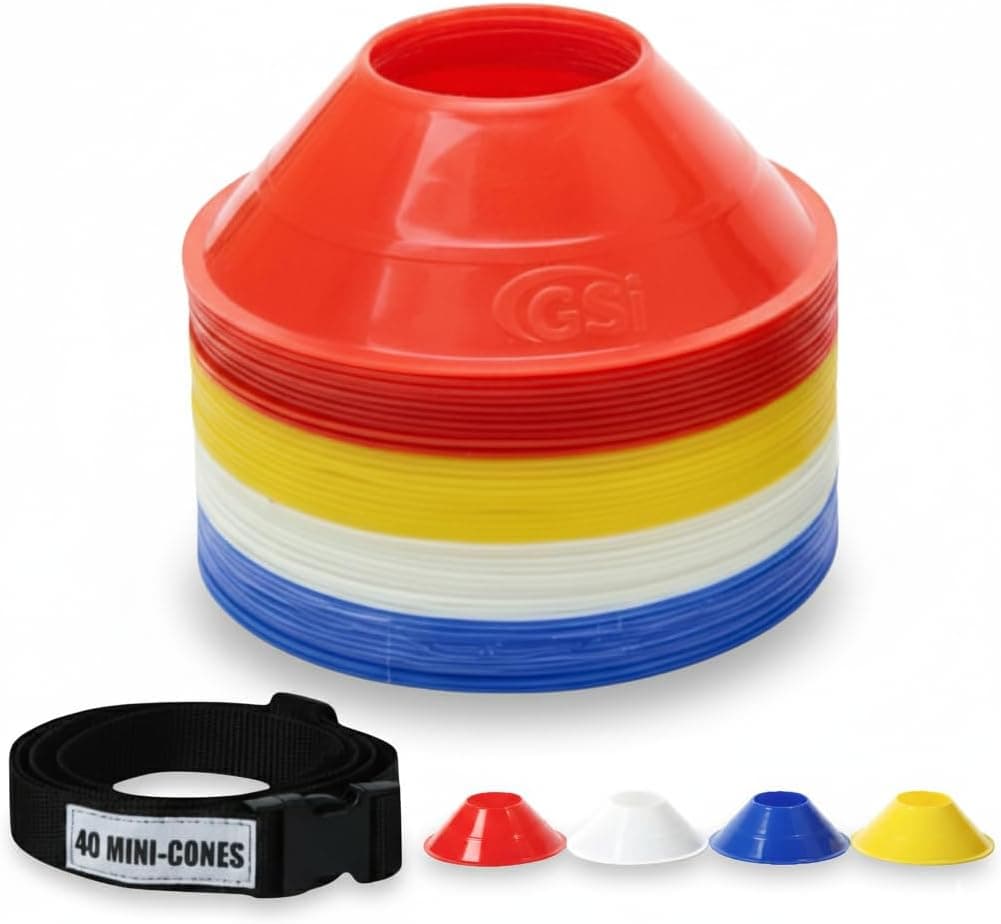
Disc Training Cones (Set of 40)
View on Amazon →As an Amazon Associate we earn from qualifying purchases, at no extra cost to you.