The Best Home Training Equipment for Youth Soccer Players
January 11, 2026
The Best Home Training Equipment for Youth Soccer Players
Walk into any sporting goods store or browse Amazon for youth soccer training equipment, and you'll be overwhelmed. Agility ladders, rebounders, speed parachutes, dribbling goggles, weighted vests, reaction balls — the list is endless, and the marketing will convince you that each item is essential for your child's development. I know because I've been there. Over the past five years, I've spent more money than I care to admit on training equipment, and I've learned exactly what's worth buying and what's a waste of money.
This guide breaks down the essential equipment that actually makes a difference, the nice-to-haves that are worth considering, and the items you should skip entirely. I'm coming at this from the perspective of a parent who has tried almost everything, not a company trying to sell you something.
The Essentials: What You Actually Need
1. A Good Soccer Ball (Appropriate Size)
This seems obvious, but I'm amazed how many families are training with a half-deflated ball from the garage that's the wrong size. Your child needs a properly inflated ball that's the right size for their age:
- Size 3: Ages 8 and under
- Size 4: Ages 8-12
- Size 5: Ages 13 and up
You don't need to spend $150 on a match ball. A good training ball in the $20-$40 range is perfect for home use. Look for one that holds air well and has a consistent bounce. I recommend having at least two balls at home — one gets lost in the bushes more often than you'd think.
Verdict: Essential. Budget $25-40 per ball.
2. Cones (Flat Disc Cones)
Flat disc cones are the most versatile training tool you can buy. Use them for dribbling courses, marking boundaries, setting up small-sided games, creating passing targets — the possibilities are endless. A set of 50 costs about $10-$15 and will last for years.
Skip the tall, rigid cones. They tip over constantly, take up more space, and don't offer any advantage over flat discs for home training purposes.
Verdict: Essential. Budget $10-15 for a set of 50.
3. A Pump with a Needle
A flat ball is the enemy of quality training. A hand pump with a needle costs $5-$10 and takes two seconds to use. Keep one in your soccer bag at all times. Check ball pressure before every session — it makes a real difference in how the ball responds.
Verdict: Essential. Budget $5-10.
4. A Wall or Rebounder
A wall is the most underrated piece of training equipment in soccer. Passing against a wall develops first touch, passing accuracy, and two-touch play more effectively than almost any drill. If you have a garage wall, the side of your house, or any flat, solid surface, you already have this.
If you don't have a suitable wall, a rebounder net is a good alternative. They range from $30 for a basic model to $150+ for adjustable-angle versions. A basic rebounder is fine for most home training needs. The adjustable ones are nice because you can change the angle to simulate different types of passes (ground balls, bouncing balls, aerial balls), but they're not necessary.
Verdict: Essential (but free if you have a wall). Budget $30-60 for a rebounder if needed.
5. A Structured Training Program
This isn't physical equipment, but it's the most important investment on this list. Having cones and a ball without a structured training program is like having a gym membership without a workout plan — you'll show up, do some random stuff, and make minimal progress.
A platform like Anytime Soccer Training provides age-appropriate, professionally designed training sessions that your child can follow along with at home. It tells you exactly what to do, how to do it, and in what order. This is what turns "kicking around in the backyard" into genuine development. The cost of a training program is a fraction of what you'd pay for private coaching, and your child can use it every day.
Verdict: Essential. This is the single best investment you can make in your child's soccer development.
The Nice-to-Haves: Worth Considering
6. Agility Ladder
Agility ladders are great for developing quick feet, coordination, and body control. They're not soccer-specific — they won't make your child a better dribbler or passer — but they develop the athletic foundation that supports soccer skill development.
I use an agility ladder as a warm-up tool. My kids do two or three ladder drills at the start of a session to get their feet moving and their brain engaged, then we move on to ball work. In that role, a ladder is valuable. As a primary training tool, it's overrated.
Verdict: Nice to have. Budget $15-25.
7. Pop-Up Goals
Small pop-up goals (3-4 feet wide) are great for finishing drills, target practice, and small-sided games. They fold flat for storage and set up in seconds. I have a pair that we use for 1v1 games and shooting practice, and they get used multiple times per week.
You don't need full-size goals in your backyard (unless you have the space and budget). Small pop-up goals are sufficient for home training and encourage accuracy over power.
Verdict: Nice to have. Budget $25-50 for a pair.
8. Shin Guards for Home Training
If you're doing 1v1 drills or any kind of competitive work with your child at home, having shin guards available is smart. Kids get more confident going into challenges when they're protected. You don't need expensive match-day guards — a basic pair for training is fine.
Verdict: Nice to have. Budget $10-15.
9. Training Pinnies/Bibs
If your child trains with friends or siblings, a set of colored pinnies makes it easy to create teams and add structure to small-sided games. A set of 6-12 pinnies costs about $10-$15 and is useful for any group training situation.
Verdict: Nice to have for families with multiple kids or group training. Budget $10-15.
10. A Good Pair of Training Shoes
Your child's game cleats are for games. For home training on grass, a pair of turf shoes or multi-ground trainers is ideal. They provide better traction than sneakers without the aggressive studs of cleats, which can be uncomfortable on hard ground and wear out faster with daily use.
If your child trains on a hard surface (driveway, concrete), flat-soled indoor soccer shoes are the way to go. They provide excellent feel for the ball and grip on hard surfaces.
Verdict: Nice to have. Budget $40-70.
What to Skip: Don't Waste Your Money
Speed Parachutes
These look cool on Instagram but are essentially useless for youth soccer players. Speed development in young players comes from proper running form, general athleticism, and playing the game — not from dragging a parachute behind them. Save your money.
Weighted Vests
Not appropriate for youth players. Period. Young bodies are still developing, and adding external weight to running and jumping activities increases injury risk without providing meaningful performance benefits. Speed and strength will develop naturally through age-appropriate training and play.
Dribbling Goggles (Blacked-Out Bottom)
These goggles block your lower vision to force you to dribble without looking at the ball. In theory, this sounds great. In practice, they're disorienting for young players, create frustration rather than learning, and develop an artificial constraint that doesn't translate well to actual game play. Instead, play games that naturally encourage heads-up dribbling, like the "Shark Attack" game mentioned in other articles.
Expensive Rebounders ($200+)
The $30-$60 rebounders work just as well as the $200+ premium models for home training purposes. The expensive ones might have slightly better build quality and fancier angle adjustments, but for a youth player doing wall passing drills in the backyard, the basic model gets the job done.
Mannequin Defenders
Those life-size foam defenders you see at professional training grounds? They cost $100-$200 each, take up enormous amounts of space, and provide minimal benefit for home training. You can simulate a defender with a cone, a trash can, or literally any object your child needs to dribble around. Don't fall for the marketing.
Reaction Light Systems
These are the colored light pods that flash to test reaction time. They're $200-$300 for a set and are designed for high-level athletic training. For youth players, reaction time develops naturally through playing the game and doing age-appropriate agility work. These are a luxury item that belongs in a professional training facility, not your backyard.
My Recommended Starter Kit
If you're setting up for home training from scratch, here's what I'd buy:
- Two properly sized soccer balls: $50-$80
- Set of 50 flat disc cones: $10-$15
- Ball pump with needle: $5-$10
- Basic rebounder (if no wall available): $30-$60
- Anytime Soccer Training subscription: Best investment you'll make
Total for physical equipment: $95-$165
That's it. With these items and a structured training program, your child has everything they need for effective home training. You can add agility ladders, pop-up goals, and other extras later, but the core kit above will serve you well for months or even years.
The Secret: It's Not About the Equipment
Here's the truth that equipment manufacturers don't want you to hear: the equipment matters far less than the consistency and quality of training. A child who trains for 15 minutes a day with just a ball and a wall, following a structured program like Anytime Soccer Training, will develop faster than a child who has $1,000 worth of gear but only uses it occasionally.
I've seen kids transform their game using nothing more than a ball in their living room, doing toe taps and sole rolls while watching TV. The magic isn't in the equipment — it's in the daily repetition, the focused practice, and the progressive skill building.
So before you add another piece of equipment to your Amazon cart, ask yourself: is my child consistently using what we already have? Do they have a structured training plan to follow? Are they putting in daily touches? If the answer to any of these is no, the solution isn't more gear — it's better habits and a better plan.
Invest in the fundamentals first: a good ball, some cones, a wall to pass against, and a quality training program. Master those, and you'll be amazed at how much progress your child makes without needing a single piece of fancy equipment.
Gear we use for this
The kit our own players train with at home.
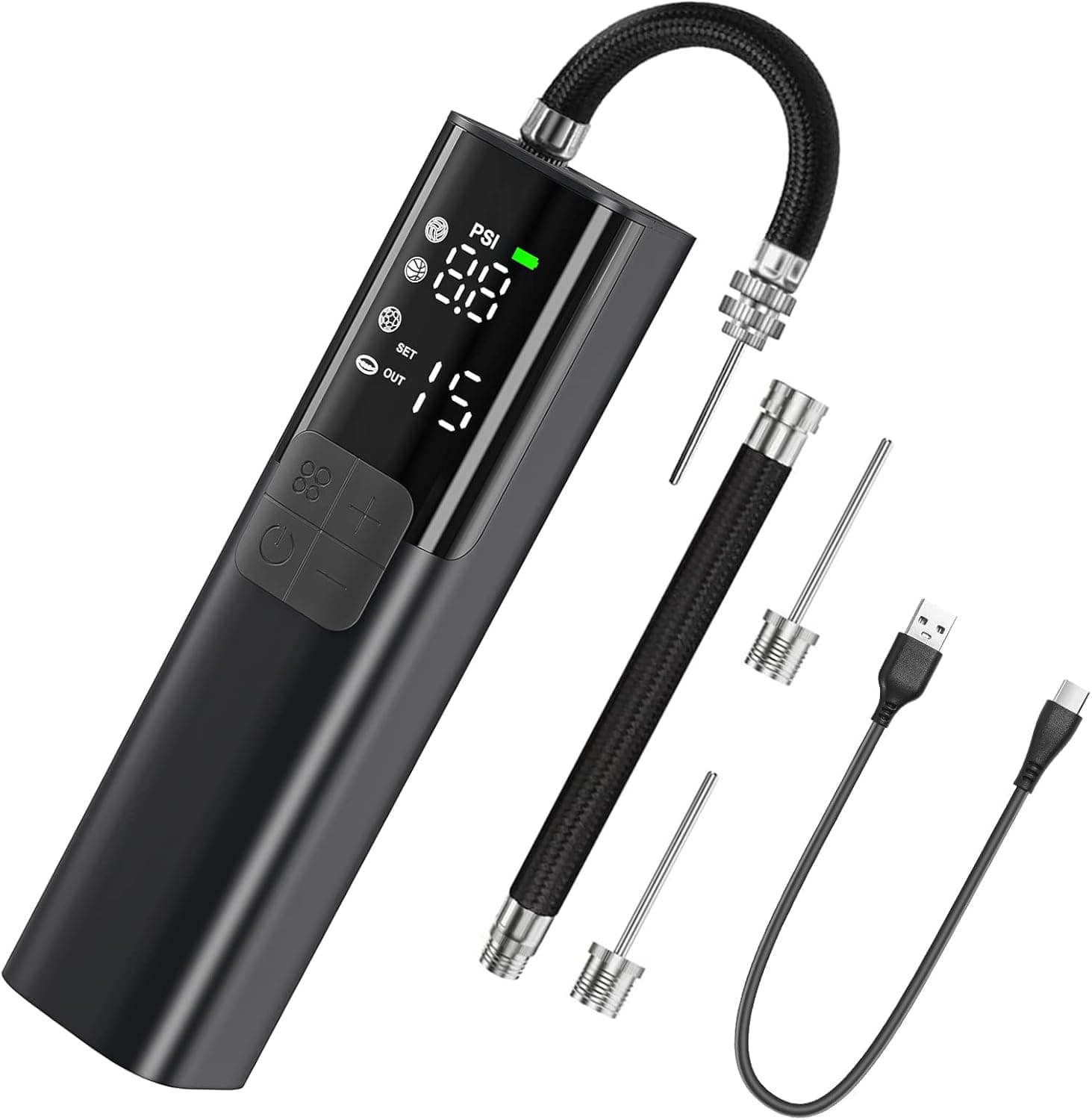
Portable Ball Pump
View on Amazon →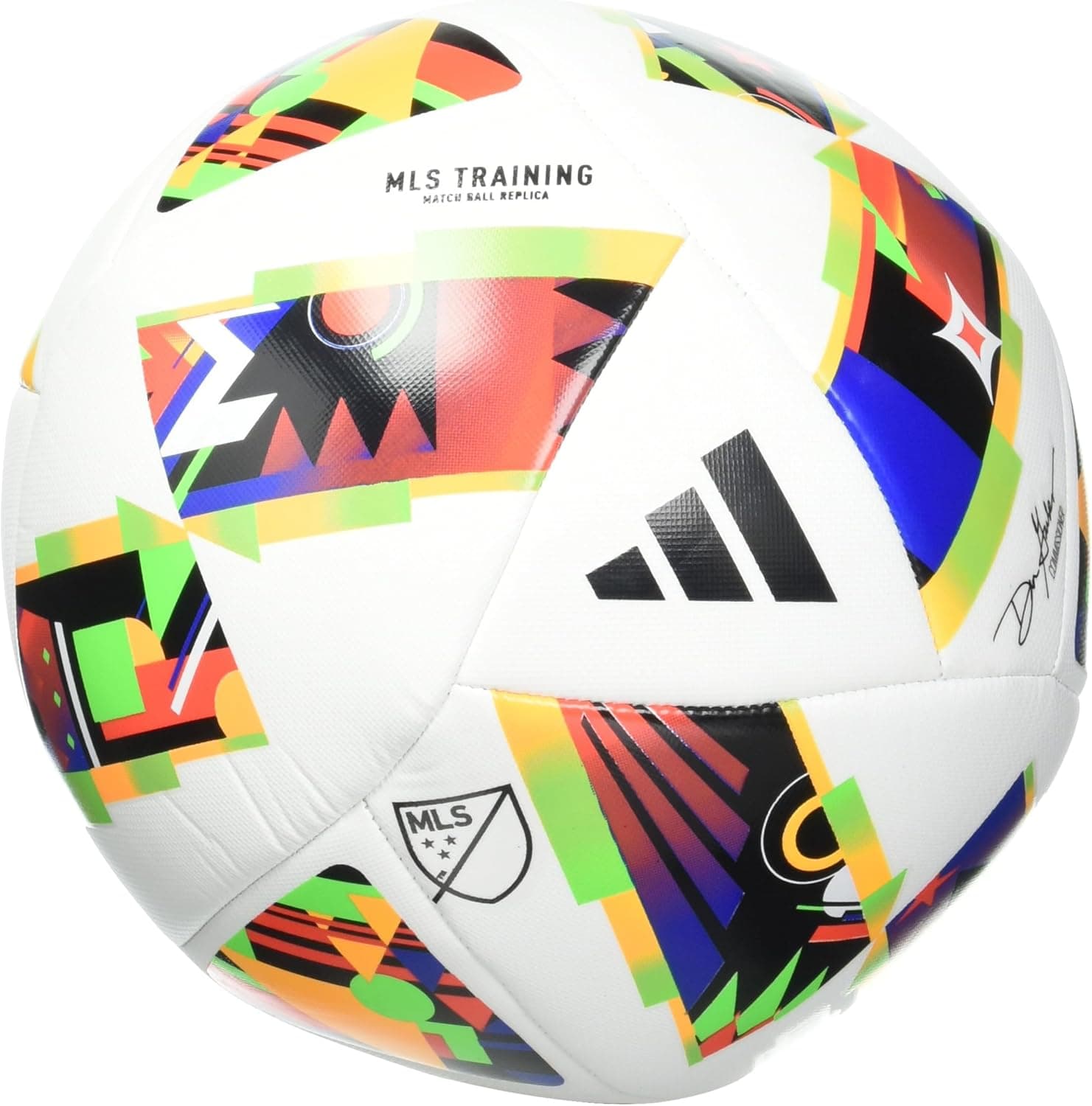
Adidas MLS Training Soccer Ball
View on Amazon →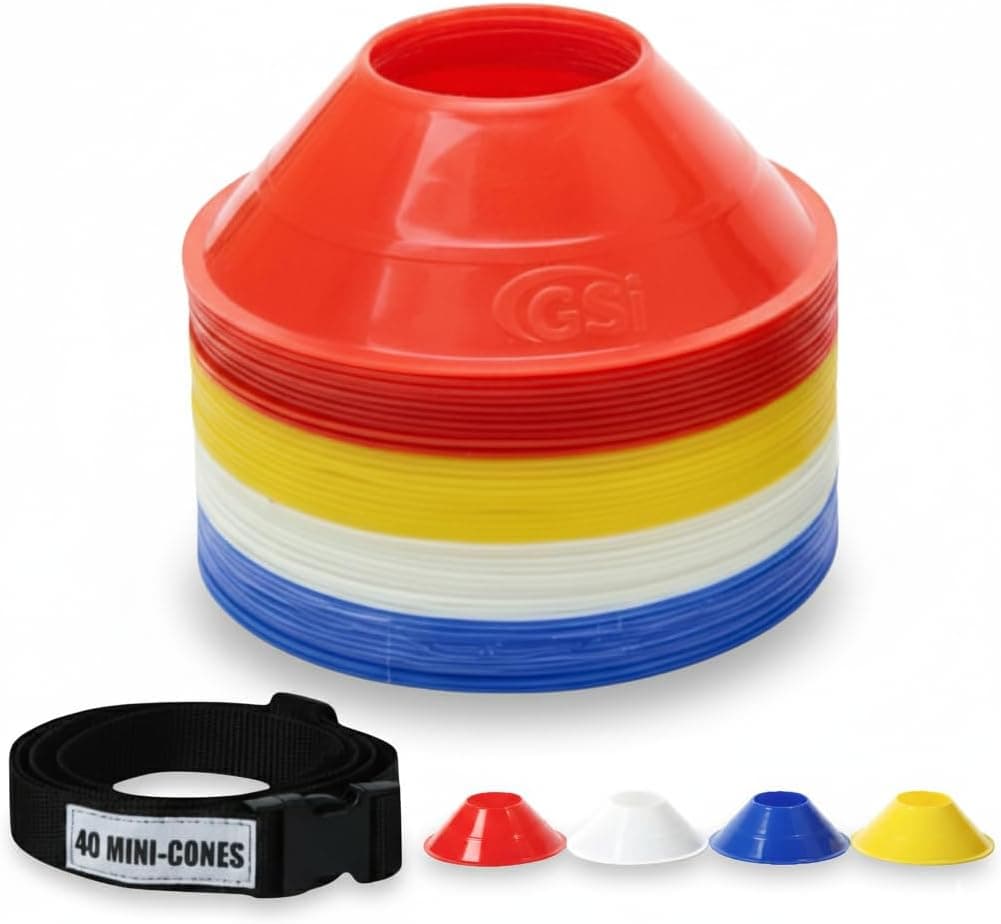
Disc Training Cones (Set of 40)
View on Amazon →As an Amazon Associate we earn from qualifying purchases, at no extra cost to you.