
The 7-Day Soccer Training Plan What to Do Each Day
December 27, 2025
Your Complete Weekly Training Blueprint
One of the most common questions I get from other soccer parents is deceptively simple: "What should my kid actually do each day?" They know home training is important. They've bought the cones. They've got a ball. But when their child walks outside, they both stare at each other and think, "Now what?"
I was in exactly that position two years ago. So I built a weekly training plan — a simple, repeatable seven-day framework that covers all the key skill areas without being overwhelming. We've refined it over dozens of cycles, and it's become the backbone of my son's development.
Here's the plan, day by day, with specific drills and time frames for each session. The whole thing assumes 20-25 minutes per training day, five days of training, and two days of rest or free play. Adjust as needed for your family's schedule.
Day 1 (Monday): Ball Mastery
Ball mastery is the foundation of everything in soccer. These drills develop foot-eye coordination, close control, and comfort on the ball. Start every week here.
Session Breakdown (20 minutes)
Warm-Up: Toe Taps (2 minutes)
Alternately tap the top of the ball with the sole of each foot. Start slow, build speed. This gets blood flowing and feet connected to the ball. Target: 50 taps without losing the ball, then increase speed.
Sole Rolls (3 minutes)
Roll the ball forward and back with the sole of your foot. Right foot for 90 seconds, then left foot. Focus on smooth, controlled movement. Then try lateral rolls — side to side across the body.
Inside-Outside Dribbling (3 minutes)
Push the ball with the inside of your foot, then the outside, in a zigzag pattern. Right foot first, then left, then alternating. Keep the ball within arm's reach at all times.
Foundation Moves Circuit (7 minutes)
Cycle through these moves, 10 repetitions each with each foot:
- Pull-back turn
- Inside cut (Cruyff turn)
- Outside cut
- Step-over
- Scissors
The key is quality over speed. Each move should be clean and controlled before adding pace.
Ball Mastery Combo (5 minutes)
String together multiple touches in a flowing sequence: toe tap, sole roll, inside touch, outside touch, pull-back, turn. Try to create a smooth rhythm. This is where Anytime Soccer Training really shines — their ball mastery sequences are expertly designed to progress from simple to complex.
Day 2 (Tuesday): First Touch and Receiving
First touch separates good players from great ones. Today is all about controlling the ball cleanly in various situations.
Session Breakdown (20 minutes)
Wall Passing: Inside of Foot (4 minutes)
Stand 5-6 feet from a wall. Pass with the right foot, receive with the right foot. Two-touch (pass, control, pass). Then switch to one-touch. Then switch to left foot. Count consecutive clean touches — try to beat yesterday's record.
Wall Passing: Outside of Foot (3 minutes)
Same drill but receive with the outside of the foot, letting the ball roll across your body. This simulates receiving a pass and turning in one movement. Both feet.
Receive and Turn (4 minutes)
Pass against the wall. As the ball comes back, turn with it using different techniques: inside hook, outside hook, sole drag, Cruyff. Practice turning both left and right.
Bounce Control (4 minutes)
Throw the ball against the wall at various heights. Control the rebound with one touch — foot, thigh, chest. The goal is to kill the ball dead within one foot of your body.
Rapid Fire (5 minutes)
Stand close to the wall (3-4 feet) and pass back and forth as fast as possible, alternating feet. This develops quick feet, fast reactions, and sharp first touch under speed. Set a timer and count touches in 60 seconds.
Day 3 (Wednesday): Dribbling and 1v1 Moves
Today is about carrying the ball with purpose and beating defenders. These are the flashy skills that kids love to practice.
Session Breakdown (25 minutes)
Speed Dribbling (5 minutes)
Set up two cones 20 yards apart. Dribble from one to the other as fast as possible while keeping the ball within playing distance. Time each run. Try multiple surfaces: laces only, inside only, outside only.
Cone Weave (5 minutes)
Set up 6-8 cones in a line, 3 feet apart. Weave through them using close control. Time each run. Progress from slow and controlled to fast and tight. Use different techniques: inside-outside, outside only, sole taps.
1v1 Moves Against Cones (10 minutes)
Place a cone as a "defender." Approach it at dribbling speed and execute a move to beat it:
- Step-over and accelerate
- Scissors and go
- Body feint
- Cruyff turn
- Elastico (advanced)
- Drag-back and go
Do each move 5 times with each foot. Focus on selling the fake — change of pace and direction should be sharp and convincing.
Free Dribbling (5 minutes)
In a small area (10x10 yards), dribble freely. Try to incorporate the moves practiced above. Change direction randomly. Vary speed. Be creative. This is unstructured dribbling practice where your child can experiment and play.
Day 4 (Thursday): Weak Foot Development
Dedicated weak foot work is one of the highest-impact things a young player can do. Today, everything happens with the non-dominant foot.
Session Breakdown (20 minutes)
Weak Foot Toe Taps (2 minutes)
Same as Monday's toe taps, but the majority of taps are with the weak foot. The goal is simply building comfort and coordination with that foot.
Weak Foot Wall Passes (5 minutes)
All wall passing drills from Tuesday, but exclusively with the weak foot. Two-touch, then one-touch. This will feel frustrating at first — that's exactly why it's important.
Weak Foot Dribbling (5 minutes)
Cone weave and speed dribbling using only the weak foot. Accept that it will be slower and less controlled. Progress will come with repetition.
Weak Foot Juggling (3 minutes)
Juggle using only the weak foot. Even catching between juggles is fine — the goal is getting comfortable striking the ball with this foot. Track the record separately from the dominant foot.
Both Feet Combo (5 minutes)
Finish with drills that alternate feet: inside-outside dribbling alternating feet, wall passes alternating feet, juggling alternating feet. This integrates the weak foot into normal play patterns.
Day 5 (Friday): Juggling and Freestyle
Friday is the fun day. Juggling develops touch, coordination, and concentration. Freestyle develops creativity and confidence. Both build a deep, intuitive connection with the ball.
Session Breakdown (20 minutes)
Juggling Warm-Up (3 minutes)
Start with catch-juggle-catch sequences. One touch, catch. Two touches, catch. Build up to as many consecutive touches as possible.
Record Attempt (5 minutes)
Go for the personal best. Focused, determined effort to hit a new high score. Record the result.
Juggling Variations (5 minutes)
- Thigh only: juggle using alternating thighs
- Head juggling: keep the ball up with headers
- Foot-thigh combo: alternate between foot and thigh
- Weak foot only: separate weak foot record
Freestyle Time (7 minutes)
This is pure creative play. Try tricks: around the world, rainbow flick, stall moves, combination tricks. Watch a freestyle video for inspiration and try to recreate a move. There's no right or wrong here — just play.
Day 6 (Saturday): Rest or Free Play
No structured training today. If your child wants to play soccer, encourage it — but make it unstructured. Pickup games, backyard play, or just messing around with the ball. The body and mind need downtime to consolidate the week's learning.
Day 7 (Sunday): Game Day or Active Recovery
If your child has a game, great — that's the perfect way to test the week's training in a real environment. If no game, use this day for light activity: a family bike ride, swimming, or playing another sport entirely. Rest and cross-training are essential components of development.
How to Progress the Plan Over Time
This plan should evolve as your child improves. Every two weeks, make small adjustments:
- Increase the speed of ball mastery routines
- Add more difficult moves to the 1v1 repertoire
- Reduce the wall distance for passing drills (closer = faster = harder)
- Set higher juggling targets
- Introduce new drills from Anytime Soccer Training to keep things fresh
The platform is particularly valuable here because it automatically progresses the difficulty of its programs. As your child completes sessions, the next ones become slightly more challenging — keeping them in the optimal learning zone without you having to redesign the curriculum yourself.
Tips for Sticking With It
- Same time every day. Habit formation requires consistency. Pick a time and protect it.
- Track completion. A calendar with check marks or stars builds visual momentum.
- Celebrate weekly wins. Every Friday, review the week's progress. New juggling record? Faster cone time? Cleaner weak foot? Celebrate it.
- Buddy system. Train with a friend when possible. Everything is better with company.
- Music helps. Let your child play their favorite music during sessions. It creates a fun, energetic atmosphere.
The Compound Effect
Here's the most powerful thing about this plan: the results compound over time. Week one, you might not notice much difference. Week four, there are small improvements. Week eight, the changes are visible. By week twelve, the transformation can be dramatic.
This is the power of daily, consistent, focused training. Small investments of time — just 20 minutes — accumulate into massive results. It's not about any single session. It's about the hundreds of sessions that, stacked together, build a skilled, confident, technically proficient soccer player.
Print this plan out. Pin it to the wall. Start Monday. And in three months, you won't believe the difference.
Gear we use for this
The kit our own players train with at home.

Adidas MLS Training Soccer Ball
View on Amazon →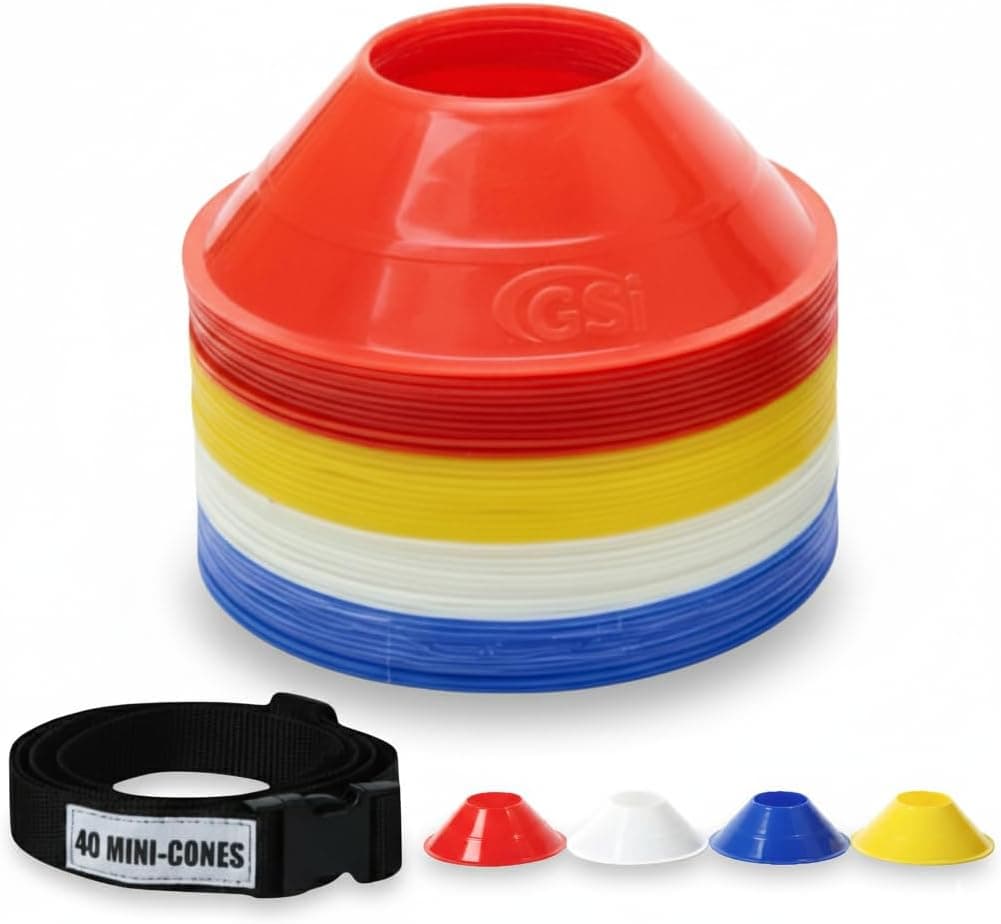
Disc Training Cones (Set of 40)
View on Amazon →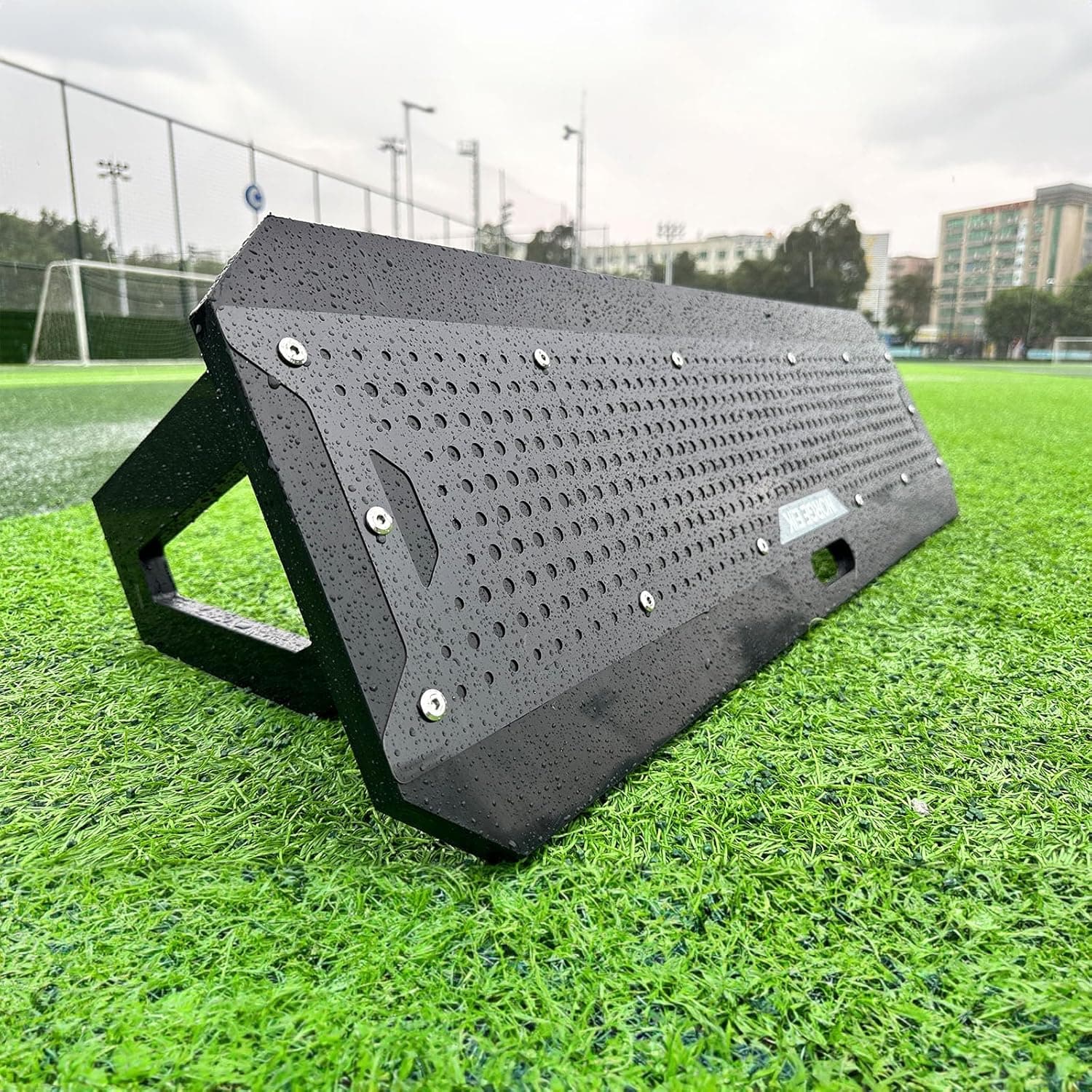
Soccer Rebounder
View on Amazon →As an Amazon Associate we earn from qualifying purchases, at no extra cost to you.