
Summer Transformation Stories
December 25, 2025
Summer Transformation Stories: How Dedicated Training Changed These Young Players
Every fall, when new soccer seasons kick off, coaches across the country notice the same thing: some kids come back from summer break dramatically improved. Their touch is sharper. Their confidence is higher. Their skills have taken a visible leap forward. And almost without exception, when coaches ask what happened, the answer is the same: they trained over the summer.
Summer is the single biggest opportunity window in youth soccer development. The combination of free time, good weather, and freedom from the weekly grind of the competitive season creates perfect conditions for intensive skill work. The families who take advantage of this window produce transformations that are genuinely remarkable.
Here are four real stories from families in our community who used their summers intentionally and saw results that exceeded their expectations.
Story 1: Maya's Weak Foot Transformation (Age 11)
Maya was a talented right-footed midfielder who was being held back by one thing: she could not use her left foot. Not just a little weak but virtually non-existent. Every coach she had ever played for mentioned it. Every time an opponent forced her onto her left, she would either switch back to her right or give the ball away.
Maya's mom, Janet, decided that summer was going to be the summer of the left foot. They created a simple plan: every training session would include dedicated left-foot work, and two sessions per week would be entirely left-foot focused.
They followed Anytime Soccer Training sessions modified to emphasize the weak foot. Wall passing with the left foot only. Dribbling through cones left foot only. Juggling starting with the left. Shooting with the left. The first few weeks were miserable. Maya's left foot felt like a foreign object. She could barely control the ball and passes were going everywhere except where she intended.
But Janet held firm on the plan, keeping sessions short and positive. By week four, the left foot was starting to cooperate. By week eight, Maya could complete most drills with her left foot at maybe 60 percent of her right foot's quality. By the end of summer, that gap had closed to maybe 75 percent.
When fall season started, Maya's coach pulled Janet aside after the second practice and asked what had happened. He said Maya's left foot had gone from a liability to an asset over the summer. She was now comfortable receiving and passing with either foot, which made her twice as difficult to defend and opened up angles of play that were previously unavailable to her.
The numbers: Maya trained four times per week for 12 weeks, averaging 20 minutes per session. Total summer investment: approximately 16 hours of training. The transformation was visible, measurable, and permanent.
Story 2: Ethan Goes from Bench to Starter (Age 13)
Ethan spent the entire spring season on the bench. He was on the B team at his club, and even on that team, he was getting minimal playing time. He was not the least skilled player, but he lacked the confidence and assertiveness to compete for a spot in the lineup.
Ethan's dad, Robert, recognized that the issue was not purely technical. It was a combination of technical gaps and the confidence deficit that those gaps created. They decided to attack both simultaneously over the summer.
The plan was comprehensive: five training sessions per week, 25-30 minutes each, covering technical skills through Anytime Soccer Training, plus fitness work to build physical confidence.
What Robert did exceptionally well was create small wins for Ethan throughout the summer. Every week, they identified one measurable goal: add five touches to the juggling record, complete the cone weave one second faster, hit five out of ten passing targets. Each goal was achievable but required genuine effort. And each time Ethan hit a goal, Robert made sure to celebrate it meaningfully.
The accumulation of small wins over 12 weeks was transformative for Ethan's confidence. He could see and feel his own improvement. By the end of summer, he was a visibly different player. His touch was cleaner, his fitness was significantly better, and most importantly, he carried himself with an assertiveness that had been completely absent in the spring.
When fall tryouts came, Ethan made the A team. His coach later told Robert that Ethan's improvement was the most dramatic he had seen in a single off-season. Ethan went from a bench player on the B team to a regular starter on the A team in the span of one summer.
The numbers: Five sessions per week for 12 weeks at 25-30 minutes each. Total summer investment: approximately 25-30 hours. Combined technical and fitness work with intentional confidence building.
Story 3: The Sibling Challenge (Ages 8 and 10)
The Chen family has two soccer-playing kids: Lily who is 10 and James who is 8. Their parents came up with a summer challenge that leveraged sibling rivalry in the best possible way.
They created a summer-long points competition. Each day, the kids could earn points by completing training activities. A 15-minute Anytime Soccer Training session was worth 3 points. Juggling for 5 minutes was worth 1 point. A shooting practice was worth 2 points. A 1v1 game against each other was worth 2 points for the winner and 1 point for the loser. Points were tracked on a chart on the refrigerator.
The competition lit a fire under both kids. Neither wanted to fall behind on the points chart, so they were voluntarily training almost every day. The sibling dynamic created natural accountability and motivation that no amount of parental encouragement could have achieved.
By the end of summer, both kids had accumulated well over 100 training sessions between them. Lily's technical skills had jumped significantly, particularly her ball mastery and 1v1 moves. James, motivated by trying to keep up with his older sister, had improved his overall ball comfort at a pace that surprised everyone.
The best part, according to their parents, was that the competition brought the siblings closer together rather than creating conflict. They trained together, challenged each other, and celebrated each other's milestones. The chart on the refrigerator became a source of family pride.
The numbers: Combined, the siblings completed over 100 training sessions during the summer. The gamification of the process sustained motivation throughout the entire break without any parental nagging or forcing.
Story 4: Comeback from Injury (Age 14)
Aiden suffered a broken collarbone in the last game of the spring season. He was devastated. Not just because of the pain, but because he knew that a standard six-week recovery period would eat into the summer training time he had planned.
Aiden's mom, Lisa, reframed the situation. The first three weeks of summer would be rest and recovery. No physical activity at all. But they would use that time for mental training: visualization, game analysis, and goal setting for the rest of the summer.
Aiden watched professional matches daily, studying the movement and decision-making of players in his position. He practiced visualization for 10 minutes each morning, imagining himself performing skills and scenarios on the field. He set specific, measurable goals for when he was cleared to return to physical training.
When he was cleared to train at week four, Aiden started with gentle ball mastery work and gradually increased intensity. By week six, he was doing full Anytime Soccer Training sessions. By week eight, he was incorporating fitness work. By the end of summer, he was not just back to his pre-injury level but had surpassed it.
Lisa attributes the successful comeback to two factors: the mental work during recovery primed Aiden's brain for rapid skill acquisition when physical training resumed, and the structured return-to-play approach prevented re-injury while still maximizing the available training time.
The numbers: Three weeks of mental training only, followed by nine weeks of progressive physical training. Total physical training investment: approximately 20 hours. Mental training investment: approximately 10 hours. The combination produced a comeback that exceeded pre-injury performance levels.
The Common Threads
Looking across all four stories, several common elements emerge:
- Consistency over intensity: None of these families did marathon training sessions. They did moderate, regular sessions of 15-30 minutes, sustained over the entire summer.
- Clear goals: Each family had specific targets they were working toward, not vague aspirations to get better.
- Structured resources: All four families used Anytime Soccer Training to provide the structure and coaching expertise they could not provide themselves.
- Parental support without parental coaching: Parents provided the environment, encouragement, and accountability. They did not try to be the coach.
- Fun was non-negotiable: Despite the serious commitment, every family maintained the fun factor throughout the summer. Training never became a punishment or a chore.
Your Summer Transformation
These stories are not about exceptional athletes or families with special resources. They are about ordinary families who made a decision to use the summer intentionally and followed through consistently. Every family reading this has the same opportunity.
The next summer is coming. The question is whether your child will spend it getting better or getting rusty. The difference is not talent or resources. It is commitment, consistency, and the willingness to show up for 20 minutes a day with a ball and a purpose.
Your transformation story starts with a decision. Make it today.
Gear we use for this
The kit our own players train with at home.

Adidas MLS Training Soccer Ball
View on Amazon →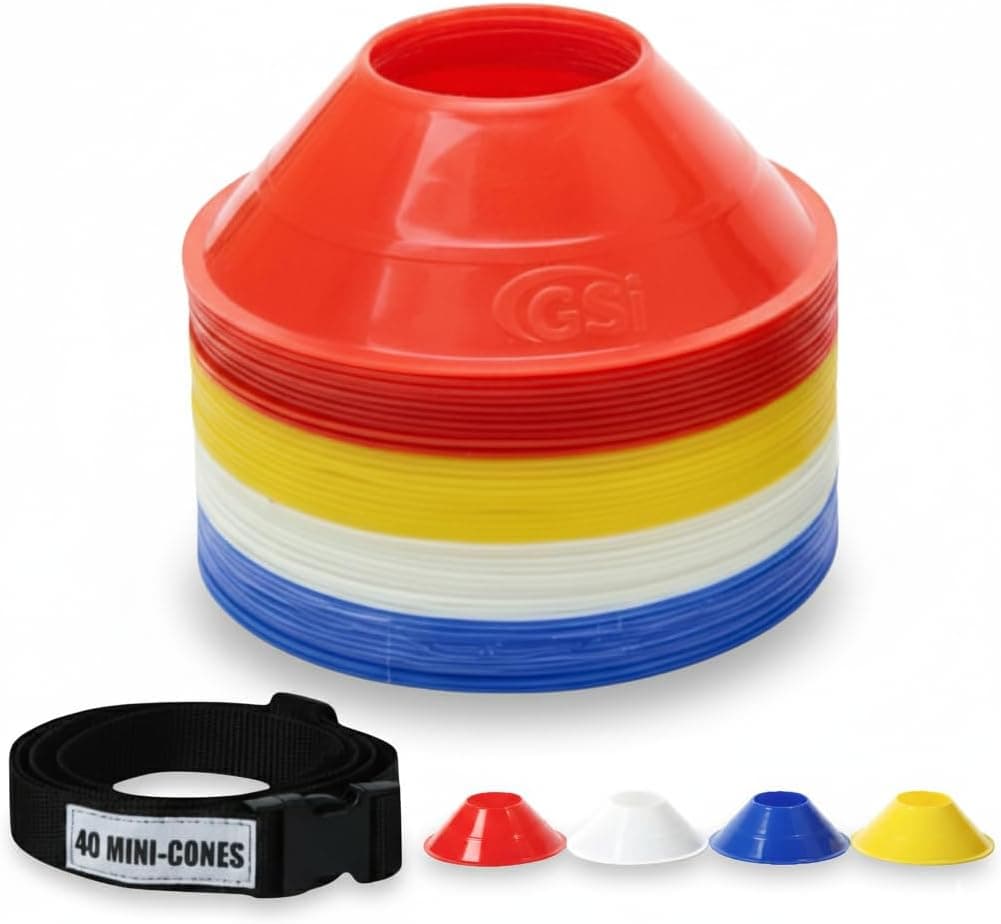
Disc Training Cones (Set of 40)
View on Amazon →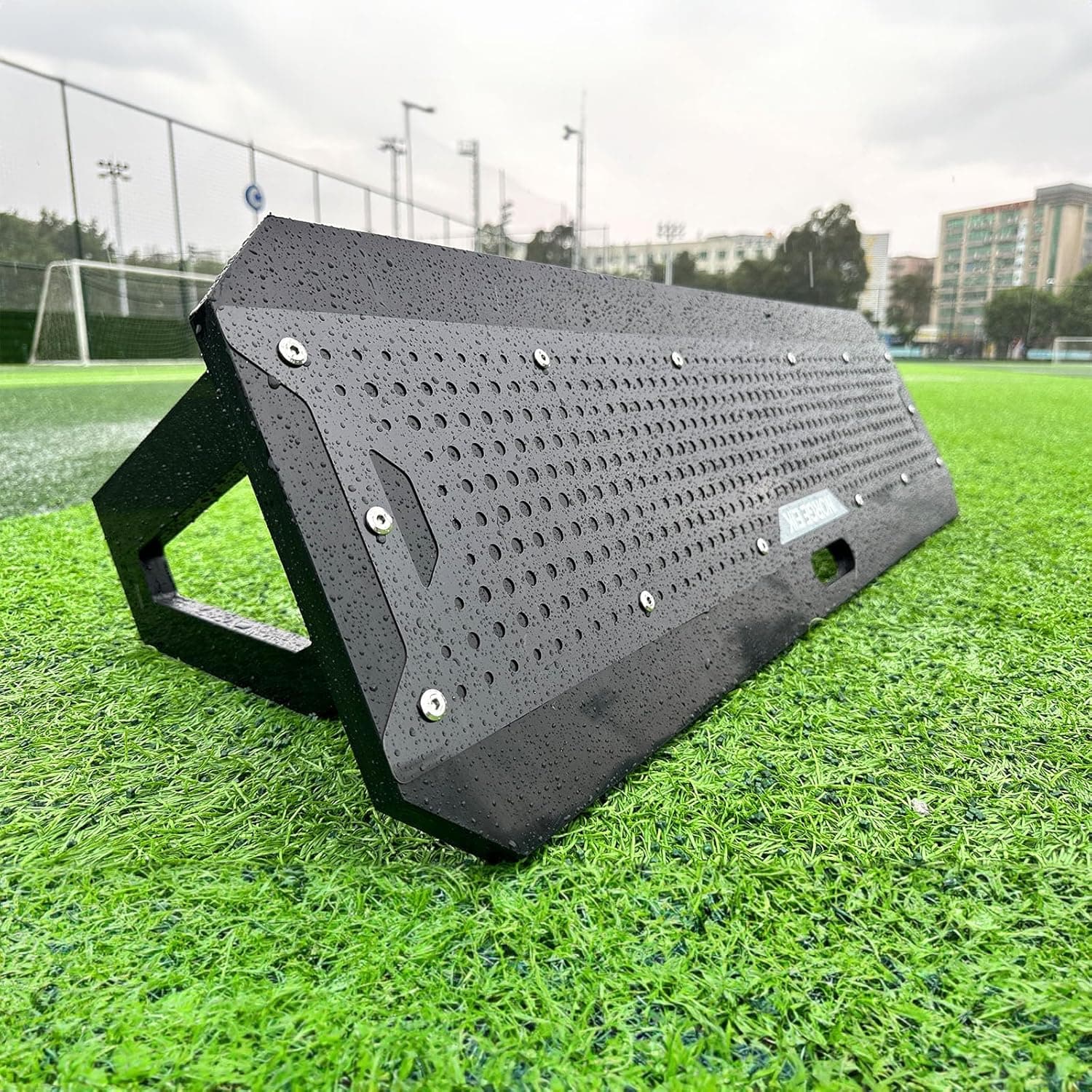
Soccer Rebounder
View on Amazon →As an Amazon Associate we earn from qualifying purchases, at no extra cost to you.