
Summer Soccer Training Plan for Kids at Home
March 1, 2026
Summer Soccer Training Plan for Kids at Home
Summer break is both the best opportunity and the biggest risk for your child's soccer development. It is the best opportunity because there is more free time than any other period of the year. It is the biggest risk because without structure, kids often go the entire summer without touching a ball, and when fall season starts, they have lost ground instead of gained it.
I learned this the hard way. My son's first summer after starting competitive soccer, we did absolutely nothing. He played video games, went swimming, hung out with friends, and did not train at all. When fall season started, he was noticeably behind the kids who had kept training over the summer. His touch was rusty, his confidence was down, and it took him weeks to get back to where he had been in the spring.
After that experience, I created a summer training plan that keeps skills sharp and even accelerates development, all while leaving plenty of time for your child to enjoy their summer. Here is the plan, and I will explain why each element matters.
The Philosophy: Train Smart, Not Hard
Summer training should not feel like a boot camp. Your child deserves to enjoy their break, and rest is an important part of long-term development. The goal is to maintain a daily training habit that is short enough to feel manageable but consistent enough to produce real improvement.
My recommended framework for summer is:
- Daily training: Fifteen to twenty minutes per day, five to six days per week
- One rest day per week: Complete rest from structured training
- Unstructured play: Encourage pickup games, backyard soccer, and free play as often as possible in addition to structured training
- Flexibility: If there is a family vacation, a birthday party, or a day when your child just needs a break, skip the session without guilt
Over a ten-week summer, this plan produces approximately fifteen to twenty hours of focused individual training. That is a massive amount of development time that most kids waste. And because the daily sessions are short, your child still has the rest of the day for summer fun.
Week-by-Week Training Plan
Weeks 1-2: Foundation Reset
The first two weeks are about re-establishing the training habit and refreshing fundamental skills. Even if your child has been training consistently during the season, a foundation reset is valuable because it reinforces the basics that everything else is built on.
Daily session structure (fifteen minutes):
- Ball mastery warm-up: five minutes of foundation touches, sole rolls, tick tocks, and inside-outside patterns
- First touch work: five minutes of wall passes, focusing on clean receiving with both feet
- Free choice skill: five minutes of whatever your child wants to work on
This is also a great time to start fresh with a structured program like Anytime Soccer Training. Begin a new ball mastery program or restart one from the beginning with the goal of achieving smoother, faster, and more confident execution.
Weeks 3-4: Dribbling Focus
With the foundation refreshed, weeks three and four shift the focus to dribbling and close control. These are skills that benefit enormously from repetition and are perfect for home training.
Daily session structure (fifteen to twenty minutes):
- Ball mastery warm-up: three minutes
- Cone dribbling: seven minutes of dribbling through cone setups using different techniques (inside foot only, outside foot only, alternating feet, sole drags)
- Moves and turns: five to seven minutes of practicing specific moves like the inside cut, outside cut, Cruyff turn, and step-over at cones
- One-on-one challenge or free play: three minutes
Weeks 5-6: Passing and Receiving
The midpoint of summer is perfect for focusing on passing and receiving, skills that are critical for team play and often underdeveloped in young players.
Daily session structure (fifteen to twenty minutes):
- Ball mastery warm-up: three minutes
- Wall passing: seven minutes of passing against a wall or rebounder, focusing on accuracy with the inside of the foot, receiving cleanly, and one-touch passing
- Directional first touch: five minutes of receiving the ball and directing it to a specific spot rather than just stopping it dead
- Weak foot focus: three to five minutes of passing and receiving exclusively with the weaker foot
Wall passing is one of the most underrated training activities for young players. The wall provides a perfect, tireless training partner that returns every pass. Encourage your child to set passing targets on the wall and track their accuracy.
Weeks 7-8: Shooting and Finishing
As the fall season approaches, shifting focus to shooting and finishing gets your child excited for games and works on one of the most thrilling aspects of soccer.
Daily session structure (fifteen to twenty minutes):
- Ball mastery warm-up: three minutes
- Shooting technique: seven minutes of shooting at targets, focusing on proper technique (plant foot placement, striking through the ball, aiming for corners)
- Finishing scenarios: five minutes of combining dribbling or receiving with a shot, simulating game-like situations
- Weak foot shooting: three to five minutes
If you have a mini goal, set up targets in the corners. If you are using a wall, mark target areas with tape. Keeping score and tracking accuracy makes this incredibly fun and competitive for kids.
Weeks 9-10: Game Preparation
The final two weeks of summer should prepare your child for the upcoming season. The focus shifts to combining skills in game-like scenarios and building confidence.
Daily session structure (fifteen to twenty minutes):
- Ball mastery warm-up: three minutes
- Combination sequences: seven minutes of drills that combine multiple skills, like receiving, dribbling through cones, and finishing with a shot
- One-on-one games: five minutes of competitive play against a parent, sibling, or friend
- Juggling challenge: three to five minutes of working toward a new personal record
The combination sequences are important because they bridge the gap between isolated skill training and game situations. When your child can chain together receiving, dribbling, and shooting in a fluid sequence, they are ready for the competitive season.
Tracking Progress Through the Summer
One of the most motivating things you can do is track your child's progress throughout the summer. Create a simple chart or journal that records:
- Training days completed: Check off each day to build streak momentum
- Juggling record: Record their personal best and track how it improves over the summer
- Skills mastered: Keep a list of new moves or skills they can consistently execute
- Cone dribbling time: Time a standard cone course at the beginning and end of summer to see speed improvement
- Shooting accuracy: Track the number of shots on target out of ten attempts
At the end of summer, sit down with your child and review their progress together. Comparing where they started in week one to where they are in week ten is incredibly motivating and gives them confidence heading into the new season.
Dealing with Summer Challenges
Heat: During hot summer months, train during the cooler parts of the day, either early morning or evening. Hydration is critical, so make sure your child drinks water before, during, and after training. If it is dangerously hot, move training indoors or skip the session entirely.
Vacation: If your family goes on vacation, do not stress about missing training days. Bring a ball along and do some informal ball work at the beach, the park, or wherever you are staying. If training does not happen at all during vacation, that is fine. A week off will not undo months of progress.
Motivation dips: There will be days during summer when your child does not want to train. This is normal. On those days, scale back to the minimum. Even five minutes of ball mastery is better than nothing. Maintaining the habit, even at a reduced level, is more important than every individual session being perfect.
No training partner: Most of this plan can be done solo, which is one of its strengths. A wall or rebounder serves as a passing partner, and cone drills are individual activities. If your child has a friend who also plays soccer, invite them for joint sessions when possible, as training with a friend is always more fun and motivating.
The Summer Advantage
Kids who train consistently over the summer have a significant advantage when the fall season begins. While other players are shaking off rust and getting back to where they were in the spring, your child will be ahead of where they were, with sharper skills, better confidence, and a fitness base that comes from daily activity.
I have seen this play out year after year. The kids who come back from summer improved are always the ones who trained at home. The kids who did nothing over the summer spend the first month of the season just trying to catch up. Over multiple years, this gap compounds significantly.
Anytime Soccer Training makes summer training easy because the sessions are ready to go. Your child does not have to plan anything; they just pick a session, press play, and follow along. The progressive structure ensures they are always working on the right skills at the right level, and the variety keeps things fresh over a ten-week summer.
Do not let this summer be wasted time. A small daily commitment will produce results that show up immediately when the new season starts. Your future self, watching your child dominate in the first game of fall, will thank you for starting this plan today.
Gear we use for this
The kit our own players train with at home.
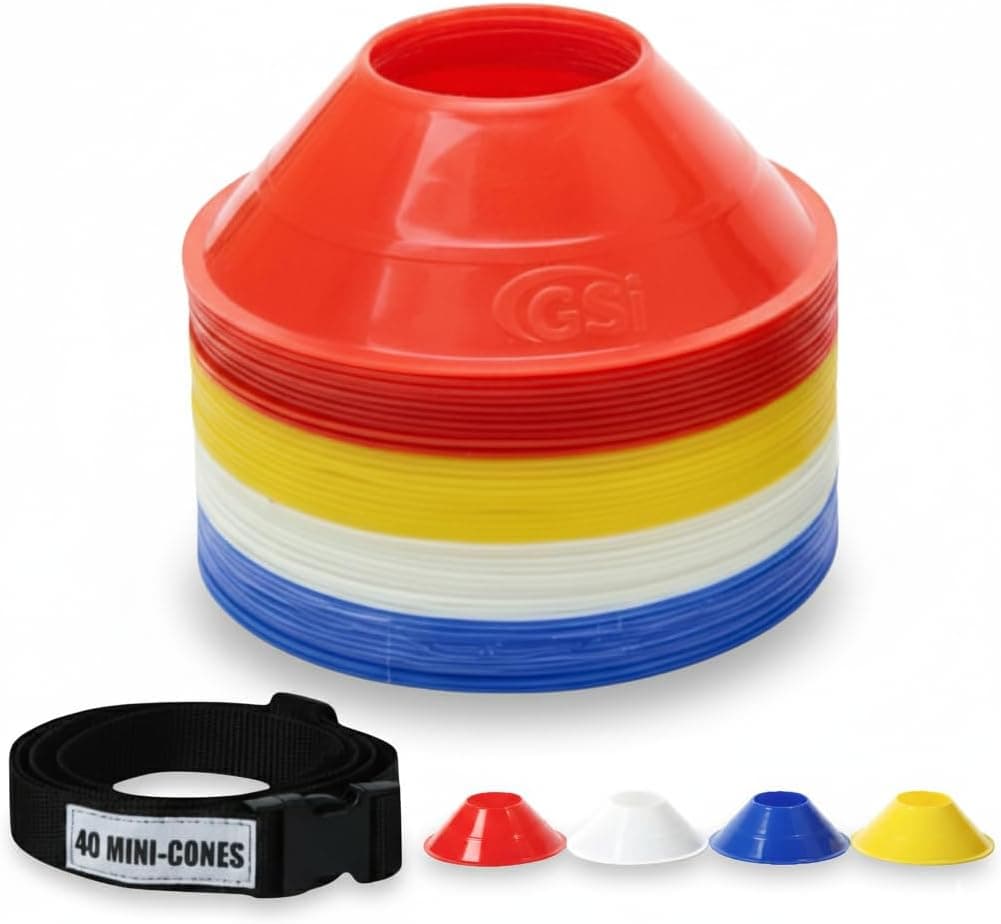
Disc Training Cones (Set of 40)
View on Amazon →
Adidas MLS Training Soccer Ball
View on Amazon →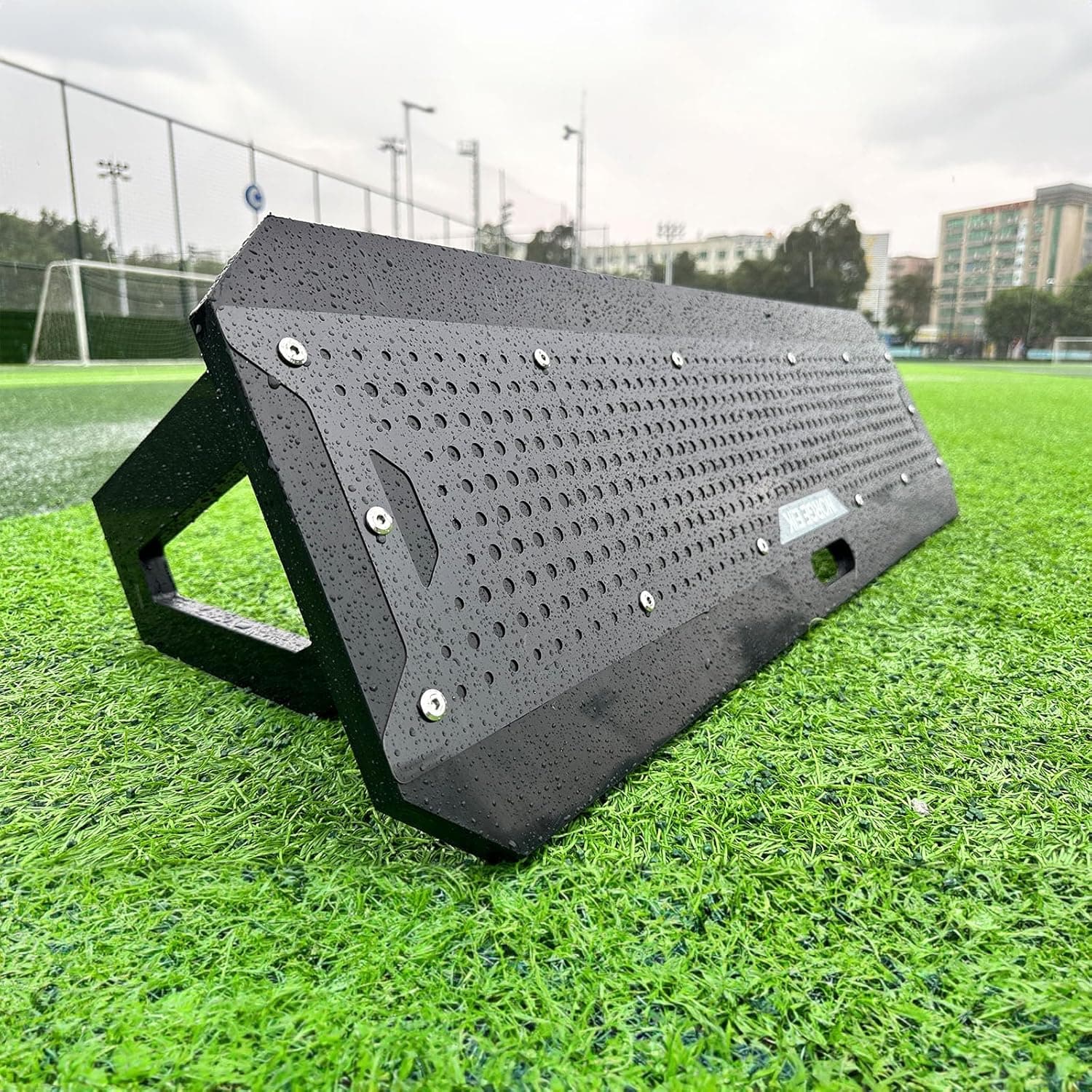
Soccer Rebounder
View on Amazon →As an Amazon Associate we earn from qualifying purchases, at no extra cost to you.