Success Without Private Coaches How They Did It
December 5, 2025
The Private Coaching Pressure Cooker
If you spend any time around competitive youth soccer, you'll start hearing it within the first week. "We've got Jayden working with a private trainer twice a week." "Our daughter's private coach used to play in MLS." "Have you found a good private coach yet? Everyone's doing it."
The implication is clear: if you're not paying $80-150 per hour for one-on-one instruction, you're falling behind. Your child is being left in the dust by all those other kids with their personal trainers and their specialized curricula.
I bought into this narrative for two full years. We spent thousands of dollars on private coaching for my son between the ages of 9 and 11. And honestly? The results were underwhelming. He improved, sure. But did he improve $8,000 worth? I have my doubts.
What really changed things for us was when we couldn't afford private coaching anymore. Life happened — job change, unexpected expenses, the usual. We had to find another way. And what we found was not only more effective but more sustainable, more enjoyable, and far more empowering for my son.
This article isn't anti-private coaching. Good private coaches absolutely exist and can make a real difference. But I want to share the stories of families — including mine — who found success through alternative paths. Because the idea that private coaching is the only way to develop a young soccer player is simply not true.
The Myth of the Magic Coach
There's a seductive idea in youth soccer: that somewhere out there, there's a coach with the perfect drills, the perfect eye, the perfect methodology who will unlock your child's potential. Find that coach, hand over your credit card, and watch your kid transform into the next Messi.
The reality is far more mundane. Player development is driven primarily by repetition, not instruction. The best private coach in the world can't replicate what thousands of purposeful touches on the ball will do. They can show your child what to practice and correct their form, but the actual development happens through repetition — and that repetition doesn't require a $100-per-hour audience.
Research from the Norwegian School of Sport Sciences found that the single biggest predictor of technical skill development in young soccer players was the amount of time spent in self-directed practice and play — not the number of coached sessions they attended. The players who made it to the highest levels consistently reported spending more time training on their own than in organized sessions.
Family #1: The Garcias — YouTube, a Wall, and Determination
I met Carlos Garcia at a tournament in Ohio two years ago. His son, Mateo, was easily the most technically skilled player in the U11 bracket. Smooth on the ball, great first touch, could use both feet comfortably. I assumed he had the best private coach in the state.
"We've never had a private coach," Carlos told me. "Not once."
Instead, Carlos and Mateo had built a daily training routine using free YouTube tutorials, a concrete wall behind their apartment building, and later, structured programs on platforms like Anytime Soccer Training. Every day after school, Mateo spent 20-30 minutes working on specific skills. Passing against the wall. Dribbling through cones. Juggling. Moves and turns.
"The key was consistency," Carlos explained. "Not intensity. Not fancy drills. Just showing up every day and getting touches on the ball."
Mateo is now playing for a top club in his state, and college scouts are already watching him — all without a single dollar spent on private coaching.
What We Can Learn From the Garcias
- Consistency beats intensity. Twenty minutes every day trumps one intense hour per week.
- Walls are the best training partners. A ball and a wall provide unlimited passing, receiving, and shooting repetitions.
- Structured guidance doesn't have to be expensive. Online platforms provide the same technical instruction at a fraction of the cost.
Family #2: The Johnsons — The Sibling Advantage
Sarah Johnson has three kids who all play soccer — ages 9, 11, and 13. Private coaching for even one of them was a stretch. For all three? Completely out of the question.
"I felt terrible about it at first," Sarah told me. "All the other parents on the team were talking about their kids' private sessions, and I felt like I was shortchanging mine."
But Sarah discovered something that research has long supported: playing with and against siblings is one of the most effective forms of training. Her three kids played together in the backyard almost every evening. The older one challenged the younger ones. The younger ones forced the older one to slow down and coach. They played one-on-one, two-on-one, and invented their own games with their own rules.
"It was like free private coaching, but better," Sarah laughed. "Because they were competing and having fun and getting hundreds of touches every session."
All three Johnson kids now play at competitive levels, and the middle child was recently selected for the state Olympic Development Program. Sarah credits the backyard battles, supplemented by guided home training sessions from Anytime Soccer Training for skill-specific work.
What We Can Learn From the Johnsons
- Sibling play is incredibly valuable. If you have multiple kids who play, get them training together.
- Unstructured competition drives development. One-on-one battles in the backyard create game-like intensity without the game-day pressure.
- Parent guilt about not having a private coach is misplaced. There are many paths to development.
Family #3: Our Story — From Private Coaching to Self-Directed Training
As I mentioned, we spent two years investing heavily in private coaching for my son, Tyler. The sessions were good — his coach was knowledgeable and professional. But looking back, I realize that a lot of what Tyler did in those sessions, he could have done on his own with the right guidance.
When we had to stop the private sessions, I was worried Tyler would regress. Instead, something unexpected happened: he started taking more ownership of his development. With a structured home training program from Anytime Soccer Training and some basic equipment (cones, a rebounder, and a good ball), Tyler began training on his own four to five times per week.
The transformation wasn't just physical. Mentally, Tyler became more confident because he knew his improvement was his own. He wasn't relying on a coach to make him better — he was making himself better. That sense of ownership and self-efficacy has carried over into everything he does, on and off the field.
Within six months, Tyler's coach at his club pulled me aside. "Whatever you're doing with Tyler outside of practice, keep doing it. He's improved more in the last few months than in the previous year."
What Our Story Teaches
- Self-directed training builds ownership and confidence. When kids train themselves, they develop a growth mindset.
- Structure matters, but it doesn't have to come from a person standing next to your child. Well-designed programs provide all the structure needed.
- The transition from coached to self-directed can actually accelerate development.
The Real Cost of Private Coaching
Let's talk numbers for a moment, because they're significant:
- Average private coaching session: $80-$150 per hour
- Two sessions per week, 40 weeks per year: $6,400-$12,000 annually
- Multiple children: multiply accordingly
Now compare that to the cost of self-directed home training:
- Cones and markers: $15 (one-time purchase)
- Good soccer ball: $25-40 (replace annually)
- Rebounder net (optional): $50-100
- Anytime Soccer Training subscription: a fraction of a single private session per month
The financial gap is enormous. And when the development outcomes are comparable — or in some cases better — it raises a serious question about where your soccer dollars are best spent.
When Private Coaching Does Make Sense
I want to be balanced here. There are situations where private coaching can be genuinely valuable:
- Goalkeeper-specific training: GK skills are specialized enough that expert instruction is genuinely helpful.
- Injury rehabilitation: A skilled coach can help a player rebuild confidence and technique after injury.
- Specific tactical preparation: For older players (U14+) preparing for high-level tryouts, targeted positional coaching can provide an edge.
- When a child specifically asks for it: If your kid is motivated and engaged, a good private coach can channel that energy effectively.
The point isn't that private coaching is bad. It's that it's not the only path, and it's not always the best path, especially for players in the U10-U12 age range where technical repetition and love of the game should be the primary focus.
Building Your Own Alternative Path
If you're ready to move away from the private coaching treadmill — or if you never got on it in the first place — here's a practical framework for developing your young player at home:
Step 1: Identify Focus Areas
Talk to your child's team coach. Ask them what areas need the most work. This gives you a starting point for home training that's directly relevant to your child's needs.
Step 2: Create a Simple Schedule
Three to four sessions per week, 15-25 minutes each. Don't overdo it. Consistency over intensity, always.
Step 3: Use Quality Guided Programs
This is where platforms like Anytime Soccer Training become invaluable. They provide the structure, progression, and variety that keep training effective and engaging. It's like having a private coach's curriculum without the private coach's price tag.
Step 4: Track Progress
Simple metrics like juggling records, timed dribbling courses, or accuracy challenges give your child tangible evidence of improvement. This fuels motivation.
Step 5: Keep It Fun
If your child dreads training, something's wrong. Mix in challenges, games, and freestyle sessions. Let them play music. Let them get creative. The goal is to develop a training habit that they actually enjoy.
The Bottom Line
The families I've met who have found success without private coaches all share a few things in common: they prioritize consistency, they make training enjoyable, they use quality resources for guidance, and they trust the process. They don't panic when other parents talk about their kids' private sessions. They stay the course and let the results speak for themselves.
Your child doesn't need a private coach to reach their potential in soccer. They need a ball, some space, a good program to follow, and a parent who supports their journey without adding pressure. That's the alternative path. And it works.
Gear we use for this
The kit our own players train with at home.
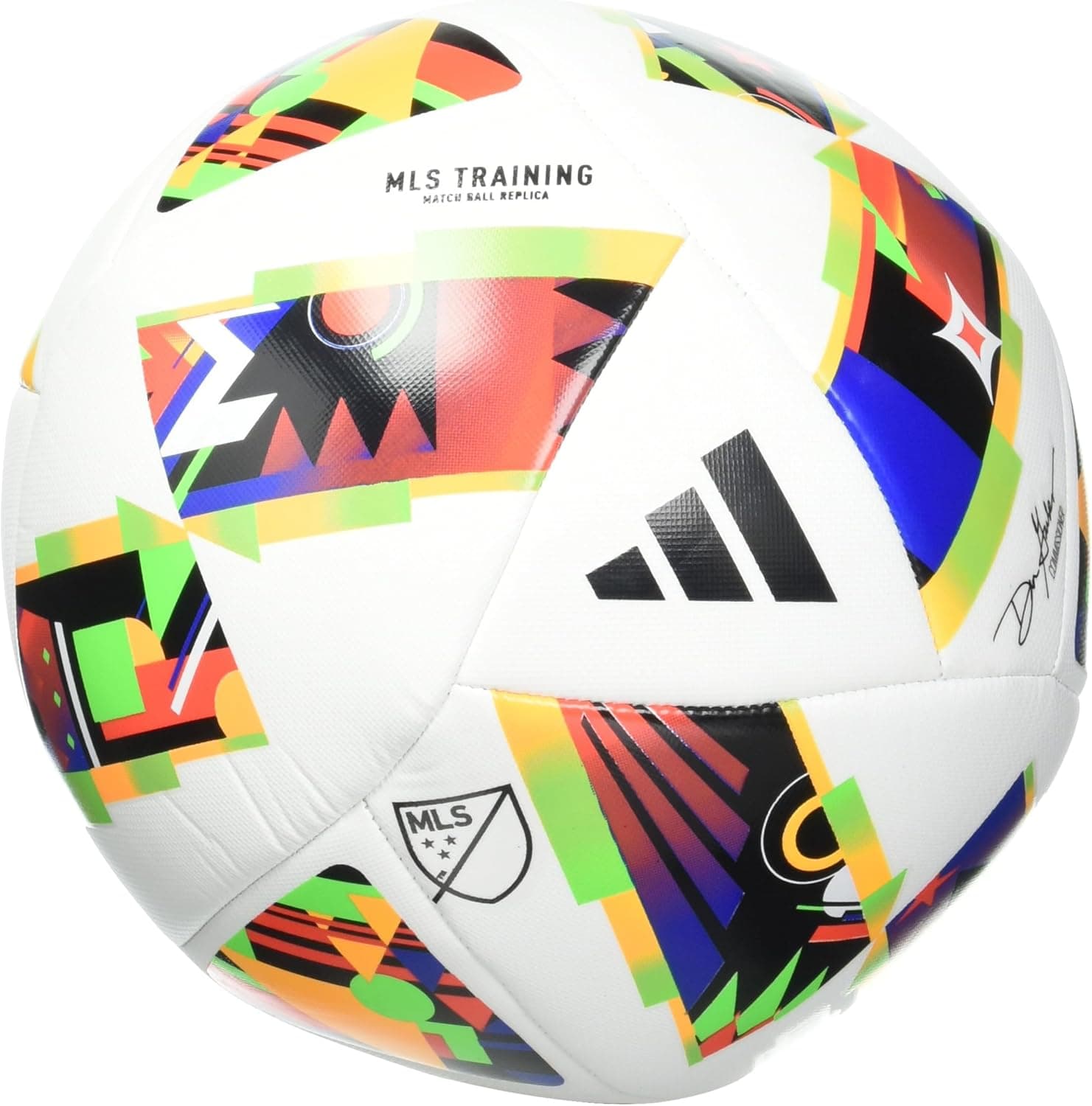
Adidas MLS Training Soccer Ball
View on Amazon →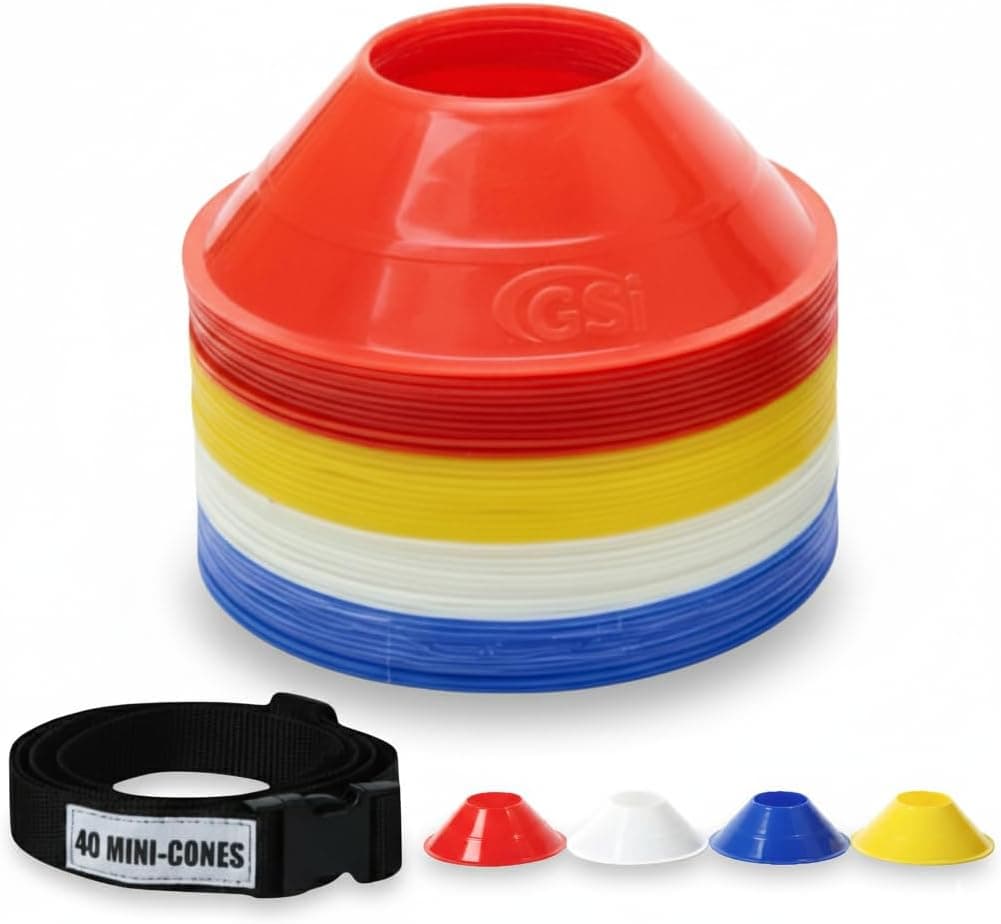
Disc Training Cones (Set of 40)
View on Amazon →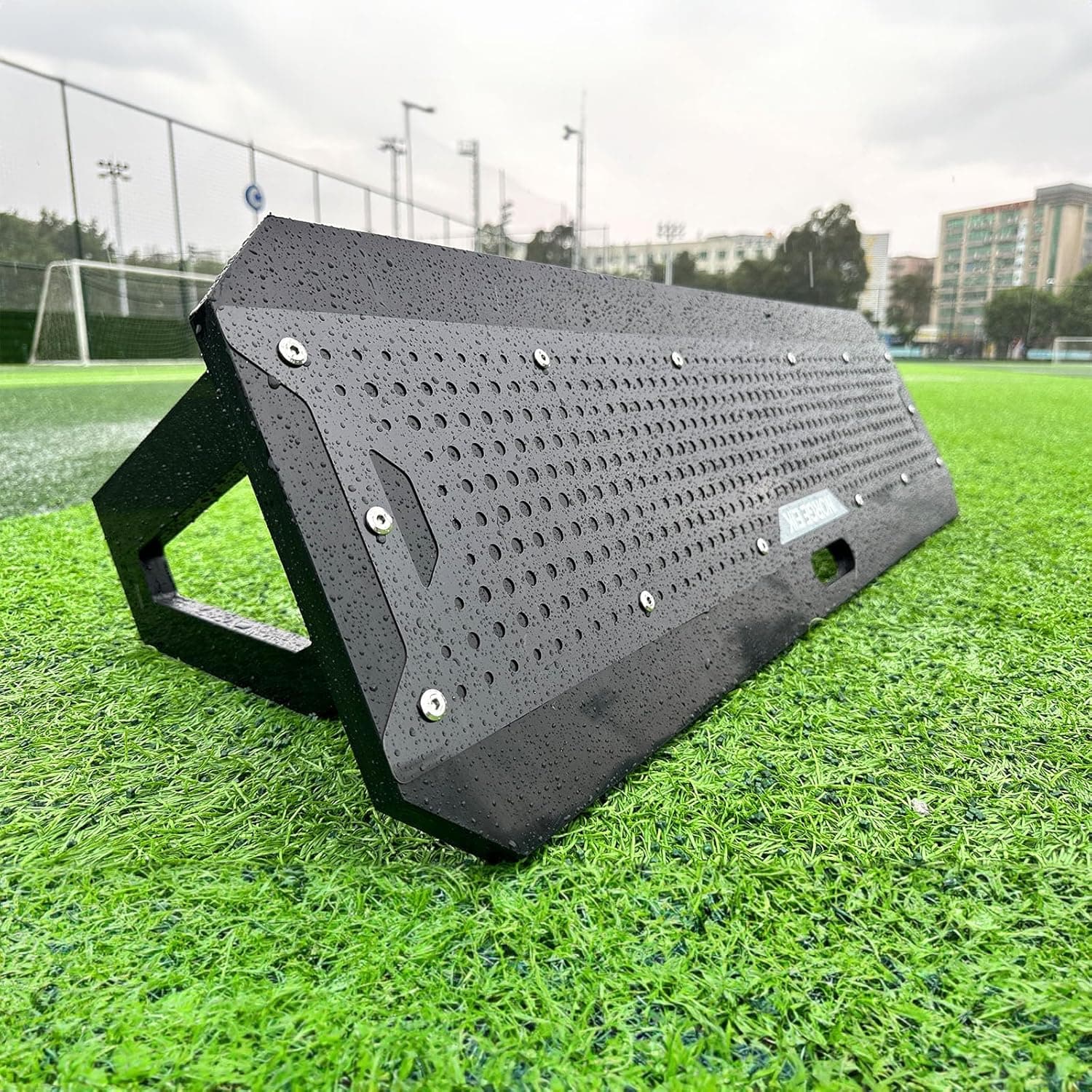
Soccer Rebounder
View on Amazon →As an Amazon Associate we earn from qualifying purchases, at no extra cost to you.