
Soccer Training While Traveling
December 19, 2025
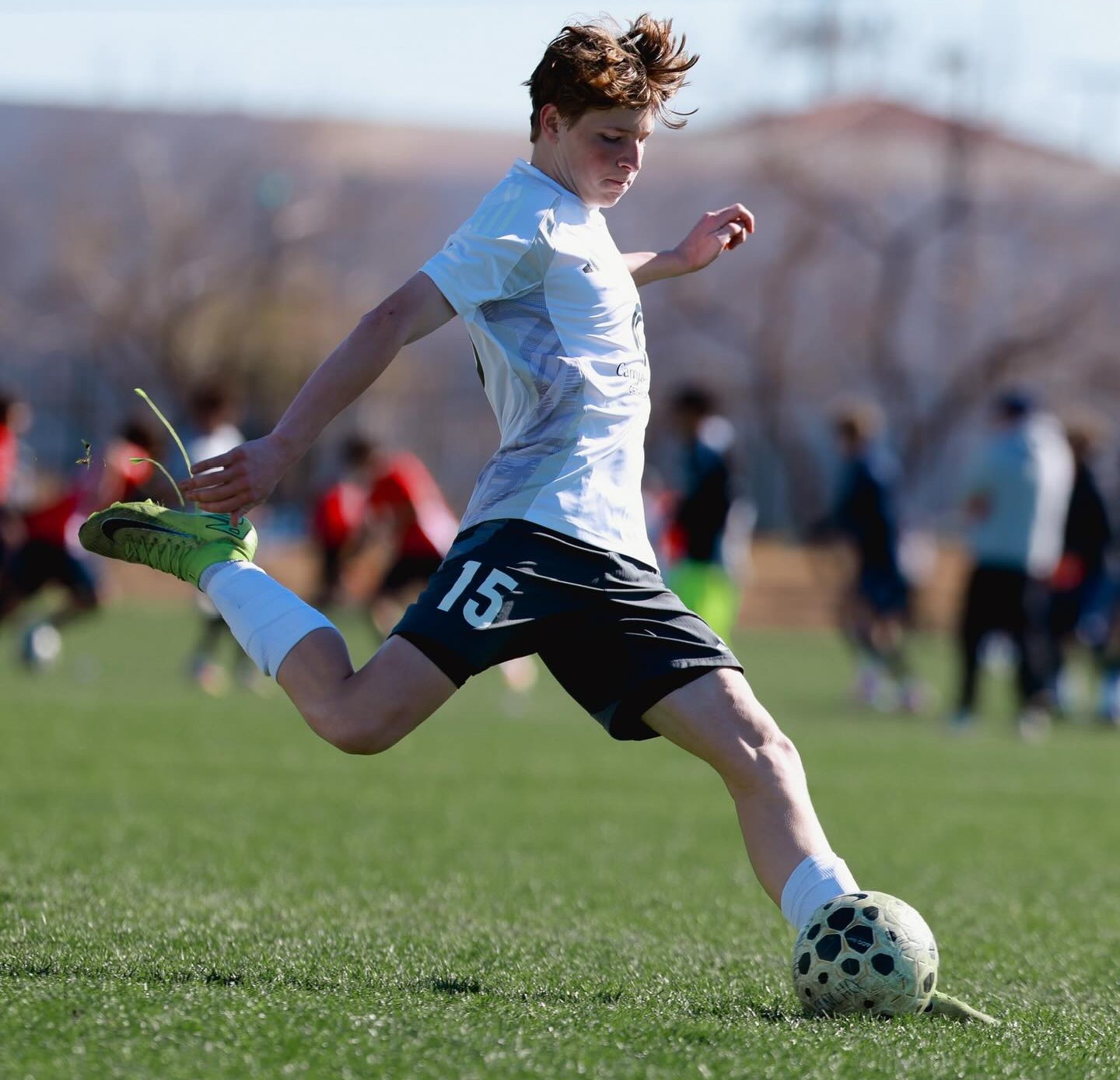
Soccer Training While Traveling: Maintaining Consistency on the Road
Family vacations, holiday trips, visiting relatives, summer road trips. Traveling is a part of life, and for soccer families, it often raises a stressful question: how do we maintain our child's training while we are away from home? The backyard is gone, the cones are in the garage, and the daily routine that keeps your child's development on track has been disrupted.
I have navigated this challenge many times with my own family, and I want to share what I have learned about keeping the training habit alive while traveling. The good news is that maintaining soccer development on the road is not only possible, it can actually be a fun and memorable part of your family trips.
The Mindset Shift: Maintenance Over Improvement
The first thing to accept is that travel training is about maintenance, not major improvement. You are not going to make big developmental leaps during a week-long vacation, and that is perfectly fine. The goal is to maintain your child's connection to the ball, keep their touch fresh, and preserve the training habit so that returning home does not feel like starting over from scratch.
This mindset shift takes the pressure off both you and your child. You do not need to replicate a full training session. You just need to touch the ball regularly and keep the routine alive, even in abbreviated form.
What to Pack
Your travel soccer kit does not need to be elaborate. Here is what I always bring:
- A size-appropriate soccer ball: This is non-negotiable. A ball takes up minimal space in a suitcase or car and is the only essential piece of equipment. If you are flying and space is tight, pack a deflated ball and a small hand pump.
- A phone or tablet: You are probably already bringing this. Load it with Anytime Soccer Training sessions that can be done in small spaces. Having structured sessions available means you do not need to improvise.
- 4-6 small flat cones: These pack flat and weigh almost nothing. They are not essential but helpful for setting up quick drills in any space you find.
That is it. Ball, device, optional cones. Everything else can be improvised.
Finding Training Space While Traveling
You would be amazed at how many usable training spaces exist once you start looking for them:
- Hotel parking lots: Early morning or late evening, hotel parking lots are often nearly empty and provide smooth, flat surfaces perfect for ball work.
- Parks and green spaces: Almost every city and town has public parks. A quick search on your phone can locate one nearby wherever you are staying.
- Beaches: Training on sand is actually incredible for building foot strength and balance. Beach dribbling and passing is harder than on grass, which means less time is needed for an effective session.
- Hotel hallways and conference rooms: For very basic ball mastery work, an empty hallway can work in a pinch. Use a softer ball or lower the intensity to avoid disturbing other guests.
- Relatives' yards: If you are visiting family, their backyard becomes your temporary training ground.
- Campgrounds: Many campgrounds have open recreational areas perfect for a quick training session.
Travel-Friendly Drills That Need Minimal Space
Ball Mastery Routines (5-10 Minutes, No Space Needed)
Ball mastery work can be done in a space as small as 5x5 feet. These drills keep the feet active and maintain the ball connection:
- Sole rolls: Roll the ball forward and back under each foot alternating. Then side to side.
- Tick-tocks: Tap the ball back and forth between the insides of both feet. Gradually increase speed.
- Pull-push: Pull the ball back with the sole, push it forward with the laces. Repeat rhythmically.
- Around the world: Move the ball in a circle around your body using different surfaces of both feet.
- V-pulls: Pull the ball back with the sole and push it forward at an angle with the inside of the foot, creating a V pattern.
These can all be done on a hotel room floor with a soft ball, in a garage, on a patio, or in any flat space you can find.
Juggling (5 Minutes, No Space Needed)
Juggling is the ultimate travel training exercise. All you need is a ball and enough vertical clearance to toss it a few feet in the air. Challenge your child to maintain or beat their juggling record during the trip. Track daily attempts and create a vacation juggling challenge.
Wall Work (10 Minutes, Any Wall)
If you can find a suitable wall, which is available in virtually every environment, you have a complete passing and first touch training station. Hotel exteriors, park walls, handball courts, building walls, or garage doors all work. Five minutes of wall passing per foot keeps the passing technique sharp and the first touch engaged.
Dribbling in Limited Space (5-10 Minutes)
Set up whatever markers you have, even shoes or water bottles, in a small area and practice close-control dribbling. The smaller the space, the more it challenges close control. Use the constraints as a feature rather than a limitation.
A Sample Travel Training Schedule
Here is what a realistic travel training week might look like:
- Day 1 (Travel day): 5 minutes of juggling at a rest stop or upon arrival
- Day 2: 10 minutes of ball mastery in the hotel room or yard
- Day 3: 15 minutes at a local park: wall passing plus dribbling
- Day 4: Rest day, enjoy the vacation
- Day 5: 10 minutes of juggling plus ball mastery
- Day 6: 15 minutes of full session if space allows, or Anytime Soccer Training small-space session
- Day 7 (Travel day): 5 minutes of juggling before departing
Notice that no single session is longer than 15 minutes. The total investment over a week-long trip is about 60 minutes of training, spread across brief, manageable sessions. This is enough to maintain touch and habit without dominating the vacation.
Making Travel Training Fun
Travel training should never feel like a chore that is competing with vacation activities. Here are ways to make it enjoyable:
- Explore new environments: Training at a beach, a mountain park, or a city plaza is a novelty that kids enjoy. The change of scenery makes the same drills feel fresh and exciting.
- Family challenges: Set up family juggling competitions or passing accuracy contests. Everyone participates, even non-soccer-playing family members. Keep it light and funny.
- Soccer scavenger hunt: Challenge your child to train in as many unique locations as possible during the trip. A hotel rooftop, a beach, a mountain trail, a famous landmark. Take photos at each spot.
- Local pickup games: If you are traveling domestically or internationally, finding a local pickup game is an incredible cultural experience. Kids playing soccer in a park are universally welcoming. Your child gets to play with new people in a new environment, which is developmental gold.
- Professional soccer experiences: If you are near a city with a professional or semi-professional team, attending a match during your trip combines entertainment with inspiration. Watching live soccer often motivates kids to train with renewed enthusiasm.
Returning Home: The Reentry
The trip is over and you are back home. If you maintained even minimal ball contact during the trip, the return to your regular training routine will be smooth. Most kids find that after a few days back on their normal schedule, they are right back to where they were before the trip.
If you did take a complete break during the trip, that is okay too. Do not punish your child with an extra-intense makeup session. Just ease back into the normal routine. It typically takes about a week of regular training to fully shake off any rust from a break.
The Big Picture
The willingness to maintain training while traveling sends a powerful message to your child about commitment and consistency. It teaches them that their goals do not take a vacation just because they do. It shows them that dedicated people find a way to keep working regardless of circumstances.
But it also teaches balance. Training 10 minutes a day during a vacation while spending the rest of the time enjoying family activities models a healthy relationship with their sport. Soccer is important but it is not everything. It coexists with the rest of life, and learning to maintain commitments while also relaxing and having fun is a valuable life skill.
Pack the ball. Keep it simple. Have fun. And come home ready to pick up exactly where you left off.
Gear we use for this
The kit our own players train with at home.
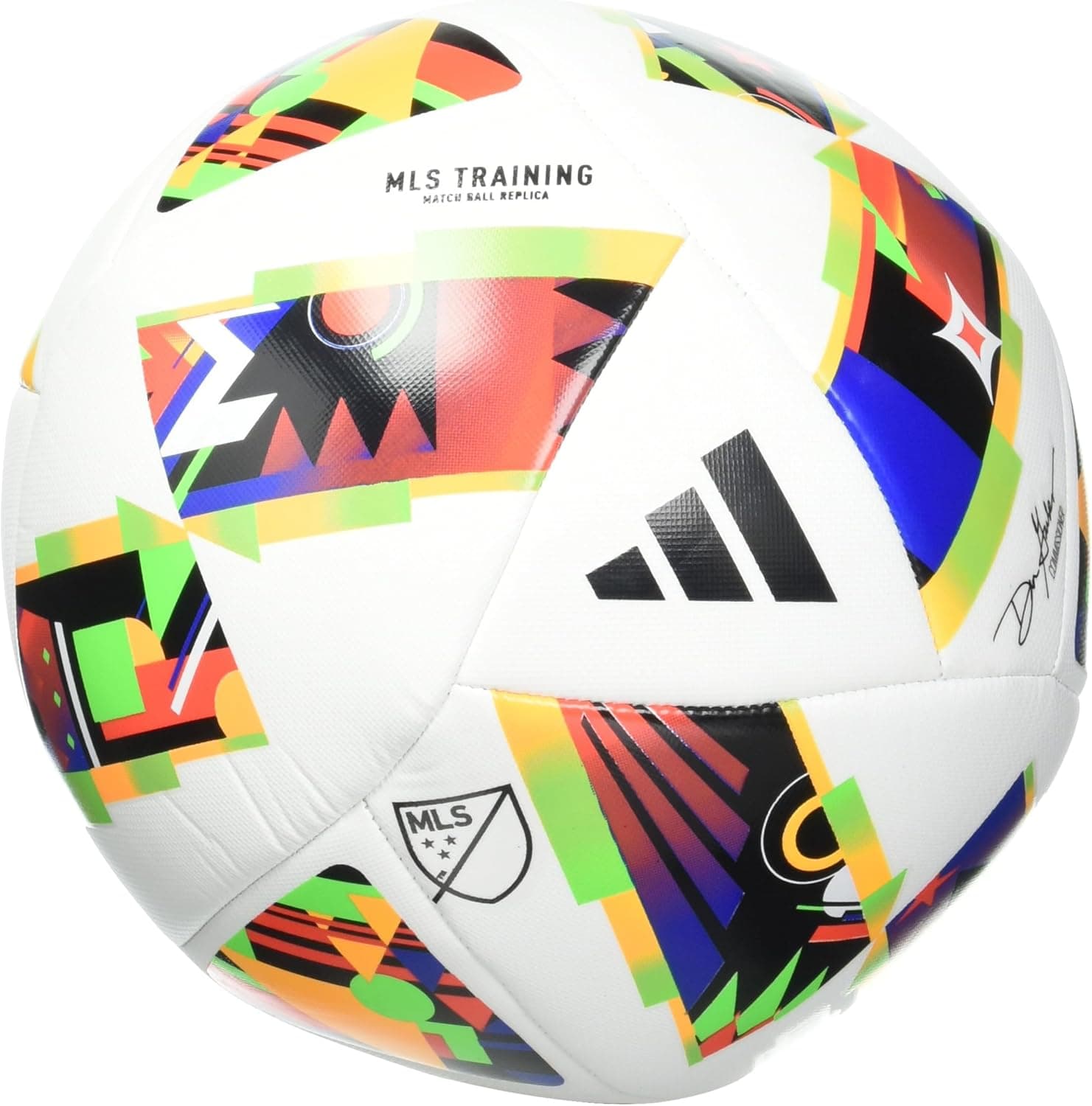
Adidas MLS Training Soccer Ball
View on Amazon →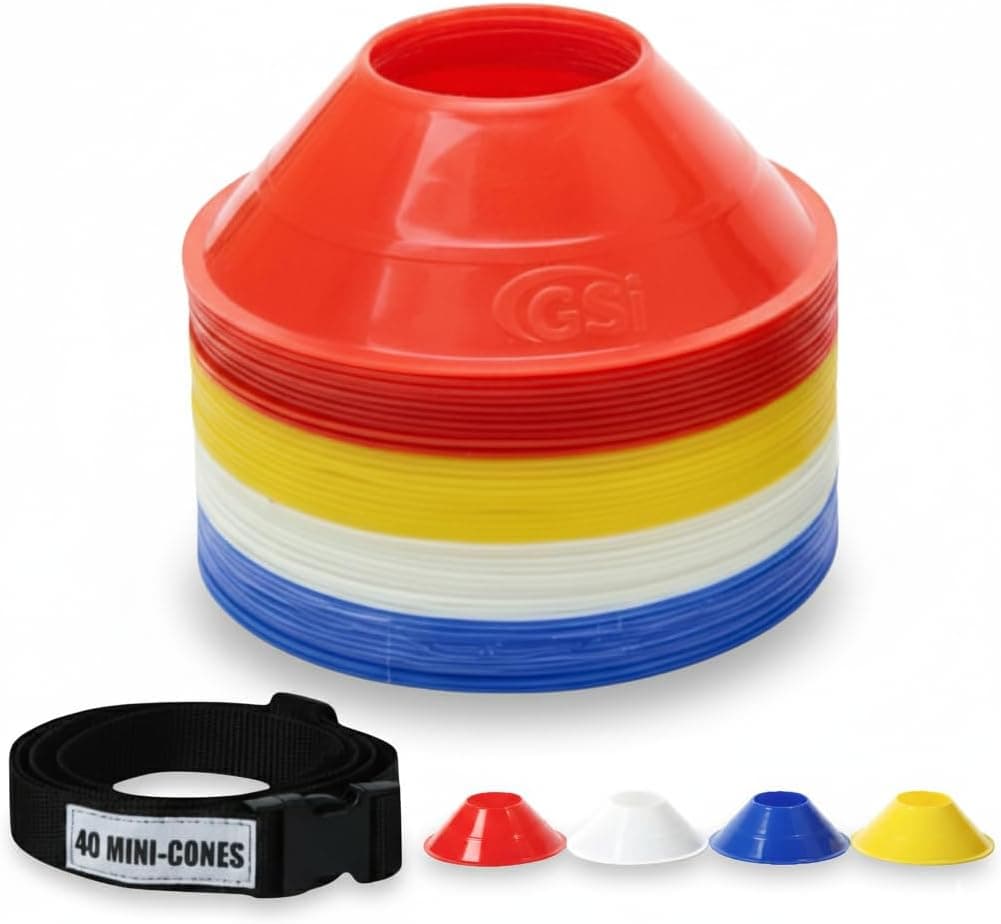
Disc Training Cones (Set of 40)
View on Amazon →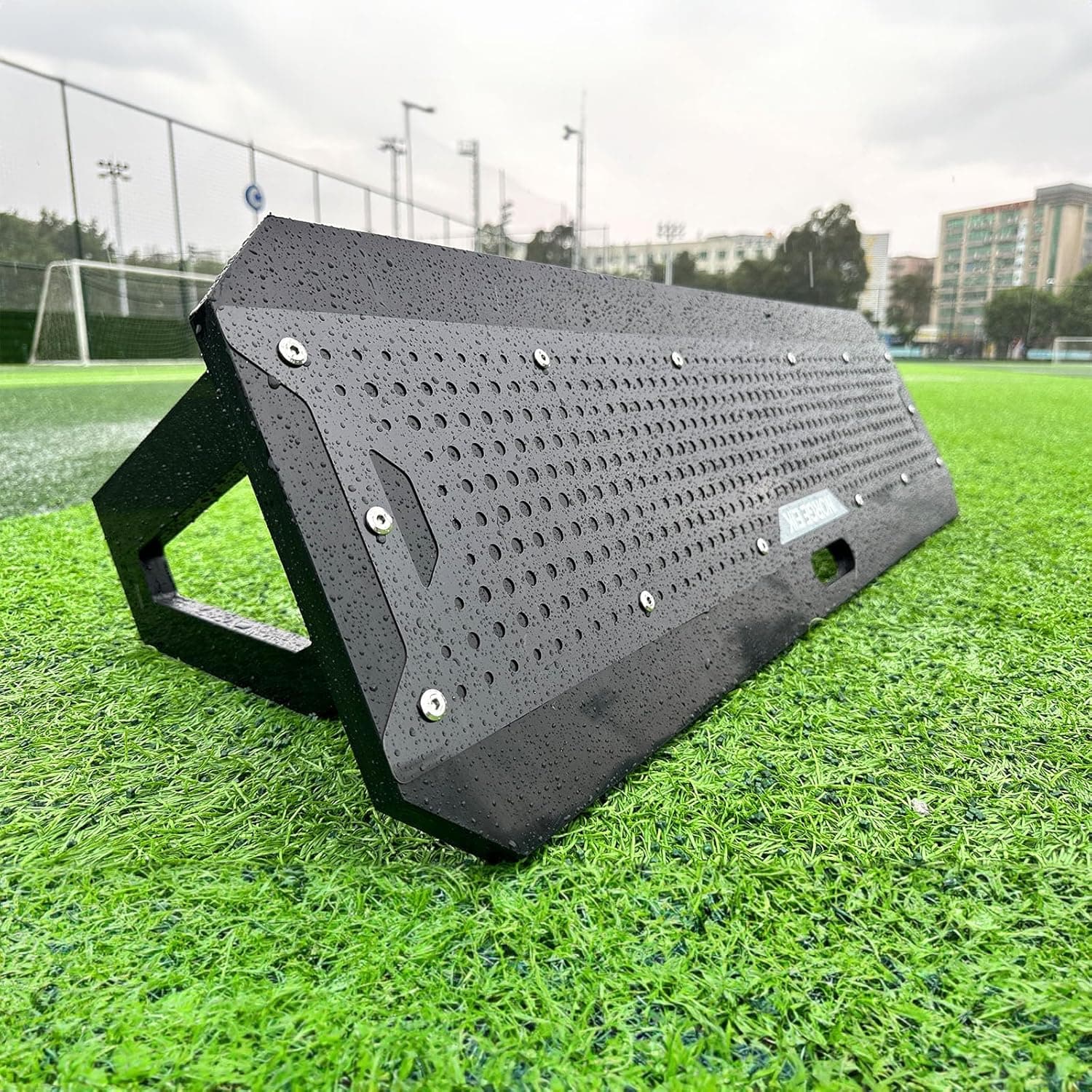
Soccer Rebounder
View on Amazon →As an Amazon Associate we earn from qualifying purchases, at no extra cost to you.