
Simple Drills That Deliver Big Results
February 14, 2026
Simple Drills That Deliver Big Results
There's a misconception in youth soccer training that effective drills need to be complicated. Parents watch professional training videos and try to recreate elaborate setups with multiple cones, multiple players, and intricate passing patterns. The reality? The drills that produce the most improvement for youth players are almost embarrassingly simple. They require minimal equipment, minimal space, and minimal setup time — but they deliver maximum results when done consistently.
In this article, I'm sharing the ten simplest, most effective drills for youth soccer development. Each one can be done alone or with one partner, requires nothing more than a ball and maybe a few cones, and takes 5-10 minutes. These are the drills that, when done daily, separate the players who improve from the players who plateau.
Drill 1: Wall Passing (5-10 minutes)
What you need: A ball and a wall (garage, side of house, any flat surface).
How to do it: Stand 5-8 feet from the wall. Pass with the right foot, receive with the left. Pass with the left, receive with the right. Focus on a clean first touch that sets the ball where you want it. Count consecutive clean passes — try to beat your record.
Why it works: This is the single most effective drill for developing first touch and passing accuracy. The wall is a perfect training partner — it never misses, it returns the ball at exactly the speed you send it, and it's always available. Professional players at the highest level still do wall passing as part of their regular training. For youth players, it develops the two most fundamental skills in soccer: controlling the ball and moving it accurately.
Progressions: Increase distance. Use only one foot. Receive on the half-turn. Add a one-touch constraint. Move laterally while passing.
Drill 2: Toe Taps (3-5 minutes)
What you need: A ball.
How to do it: Stand over the ball and alternate tapping the top with the sole of each foot. Start at a comfortable pace and build speed. Focus on rhythm and consistency.
Why it works: Toe taps develop the fundamental foot-ball connection that underpins all technical skills. They build coordination, rhythm, and comfort with the ball under your feet. They also serve as an excellent warm-up that activates the neuromuscular pathways used in soccer movement. Despite their simplicity, toe taps are used by professional players worldwide as a daily ball mastery exercise.
Progressions: Set a timer and count reps. Add a clap between taps. Do double-taps (two quick taps per foot before switching). Close your eyes for an extra challenge.
Drill 3: Cone Weave (5-10 minutes)
What you need: A ball and 5-6 cones (or water bottles, shoes, or any objects).
How to do it: Set up cones in a straight line, about 3 feet apart. Dribble through them using inside and outside touches, keeping the ball as close to your feet as possible. Go through, turn, and come back.
Why it works: Cone weaves develop close-control dribbling, the ability to change direction while maintaining possession, and comfort using different surfaces of the foot. The repetitive nature builds muscle memory for the movements used in game-speed dribbling. This is a foundational drill used in academy programs worldwide.
Progressions: Increase speed. Use only one foot. Use only outside of foot. Decrease cone spacing. Add a move (pull-back, Cruyff turn) at the end. Time yourself and try to beat your record.
Drill 4: Sole Rolls (3-5 minutes)
What you need: A ball.
How to do it: Using the sole of one foot, roll the ball forward and backward, side to side, and in circles. Switch feet after 30 seconds. Focus on keeping the ball under complete control with gentle pressure.
Why it works: Sole rolls develop the ability to manipulate the ball with the bottom of the foot, which is essential for close-control dribbling, shielding, and creative play. They build proprioception — the awareness of where the ball is relative to your foot without looking at it. This drill is a staple of Brazilian and Spanish training methodology.
Progressions: Roll the ball in more complex patterns (figure-8 around both feet). Roll while walking forward, backward, and sideways. Roll at speed. Combine sole rolls with other ball mastery moves.
Drill 5: Inside-Inside Passing (5 minutes)
What you need: A ball.
How to do it: Using the inside of both feet, tap the ball back and forth between your feet while moving forward. The ball should travel a few inches with each touch. Walk first, then jog, then run. Keep the ball moving in a straight line.
Why it works: This is the fundamental dribbling motion used in soccer — moving the ball forward with quick, controlled touches using the inside of the foot. It develops the rhythm, timing, and touch quality that make a player comfortable dribbling at pace. It also builds comfort using both feet equally, which is critical for balanced play.
Progressions: Increase speed. Add direction changes every 10 yards. Alternate with outside-outside (using the outside of both feet). Combine inside and outside touches in patterns.
Drill 6: Juggling (5-10 minutes)
What you need: A ball.
How to do it: Keep the ball in the air using your feet. Beginners: drop the ball from your hands, kick it up once, catch it. Build to two, three, and more touches before catching. Intermediate and advanced players: continuous juggling, adding thighs, head, and different patterns.
Why it works: Juggling develops touch, coordination, concentration, and aerial ball control. It also builds confidence — there's a tangible sense of achievement in beating your juggling record. Many coaches consider juggling ability to be the best single indicator of a player's overall comfort with the ball.
Progressions: Set record targets (10, 25, 50, 100). Juggle with only the weaker foot. Add body parts (thighs, head). Create patterns (right foot, left foot, right thigh, left thigh). Walk while juggling.
Drill 7: Pull-Back Turn (5 minutes)
What you need: A ball and 1 cone.
How to do it: Dribble toward the cone. When you reach it, use the sole of your foot to pull the ball backward, turn 180 degrees, and dribble away. Alternate between right and left foot. Focus on a smooth, quick motion.
Why it works: The pull-back is one of the most practical and commonly used moves in soccer. Players use it dozens of times per game to change direction, evade pressure, and create space. Practicing it until it's automatic means your child will have a go-to move that works in virtually any game situation.
Progressions: Increase speed of approach. Add a second move after the pull-back (cut, step-over). Pull-back and accelerate in a new direction. Do it under pressure in a 1v1.
Drill 8: Target Passing (5-10 minutes)
What you need: A ball and a target (cone, post, spot on a wall).
How to do it: From 10-15 yards away, pass the ball trying to hit the target. Use the inside of the right foot for 10 passes, then the left foot for 10 passes. Track your accuracy.
Why it works: Passing accuracy is a skill that deteriorates without practice and improves rapidly with focused work. This drill develops the ability to place the ball precisely where you want it, which translates directly to game passing. The target provides immediate feedback — you either hit it or you don't — which accelerates learning.
Progressions: Increase distance. Use smaller targets. Add movement before the pass (receive from a wall, then pass to the target). Use the outside of the foot. Use the instep (laces) for longer-distance passes.
Drill 9: Quick Feet Box (5 minutes)
What you need: A ball.
How to do it: Using both feet and all surfaces (sole, inside, outside), move the ball in a square pattern: pull back with right sole, push left with right inside, push forward with left sole, push right with left inside. Repeat continuously. Start slow, build speed.
Why it works: The quick feet box develops multi-directional ball control, quick foot transitions, and comfort using all surfaces of both feet. It's a ball mastery drill that ties together multiple individual skills into a fluid, continuous movement. Once mastered, it gives players a level of ball comfort that is visible in everything they do on the field.
Progressions: Reverse direction. Vary the box size. Add speed bursts every fourth repetition. Create new patterns (triangles, diamonds, random).
Drill 10: 1v1 to Goal (10 minutes)
What you need: A ball, a small goal or target, and a partner (parent, sibling, friend).
How to do it: Mark a starting point about 15 yards from the goal. The attacker tries to beat the defender and score. After each attempt, switch roles. Play to five goals and start a new round.
Why it works: 1v1 is the purest form of soccer. It develops attacking skills (dribbling, moves, finishing), defending skills (positioning, tackling, body shape), decision-making under pressure, and competitive mentality. Every skill your child practices in isolation is tested and refined in a 1v1 context. This is the drill that ties everything else together.
Progressions: Add constraints ("attacker must use a move before shooting"). Change the starting position (attacker facing away from goal, must turn and attack). Add a time limit (attacker has 10 seconds to score).
The Power of Simplicity
These ten drills are not revolutionary. They're not secret. They're the same drills that academy coaches, professional players, and development experts have been using for decades. Their power lies not in their complexity but in their effectiveness when done consistently.
A child who does three or four of these drills for 15 minutes a day, five days a week, will improve dramatically over a season. That's a promise backed by every development coach I've ever spoken with. The challenge isn't finding the right drill — it's maintaining the daily habit.
This is where platforms like Anytime Soccer Training add enormous value. They package simple, effective drills into structured, engaging sessions that children actually want to do. Instead of you standing in the backyard saying "Do 50 more wall passes," your child follows along with a professional coach who keeps the session varied, progressive, and fun. Same drills, better delivery, more consistency.
Don't overcomplicate your child's training. Simple drills, done daily, produce big results. Start with these ten, stay consistent, and watch the transformation happen.
Gear we use for this
The kit our own players train with at home.
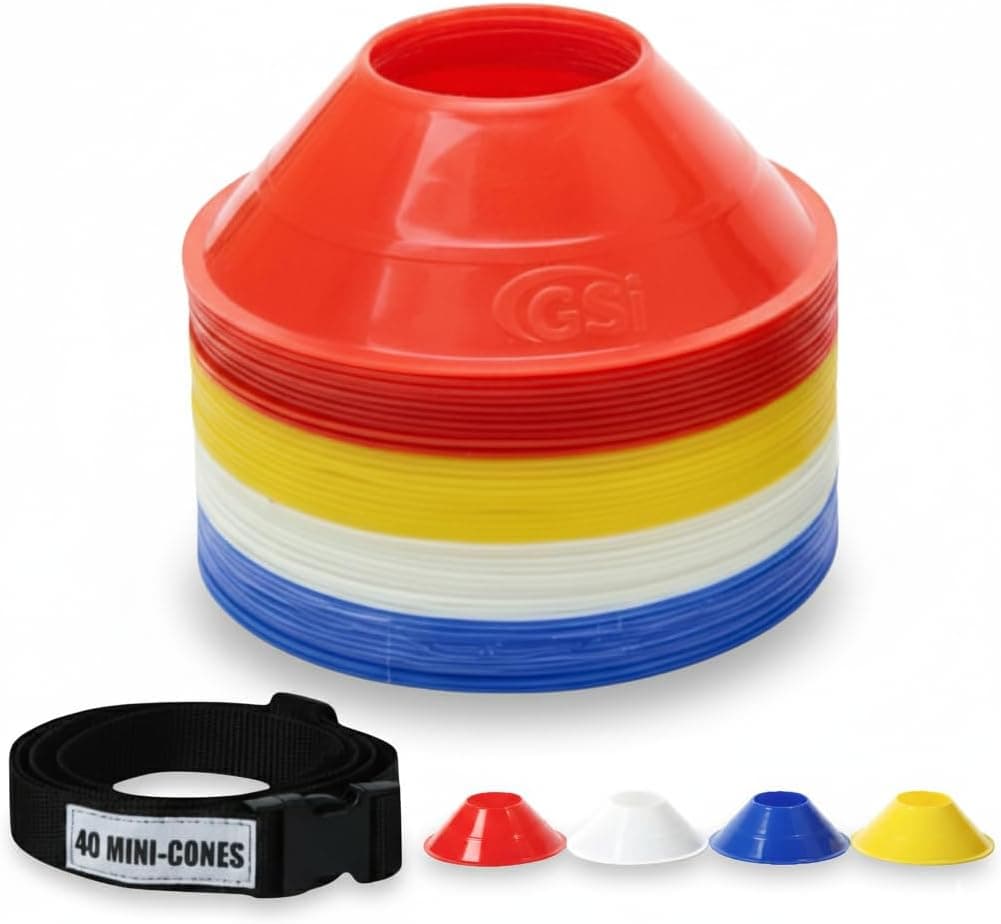
Disc Training Cones (Set of 40)
View on Amazon →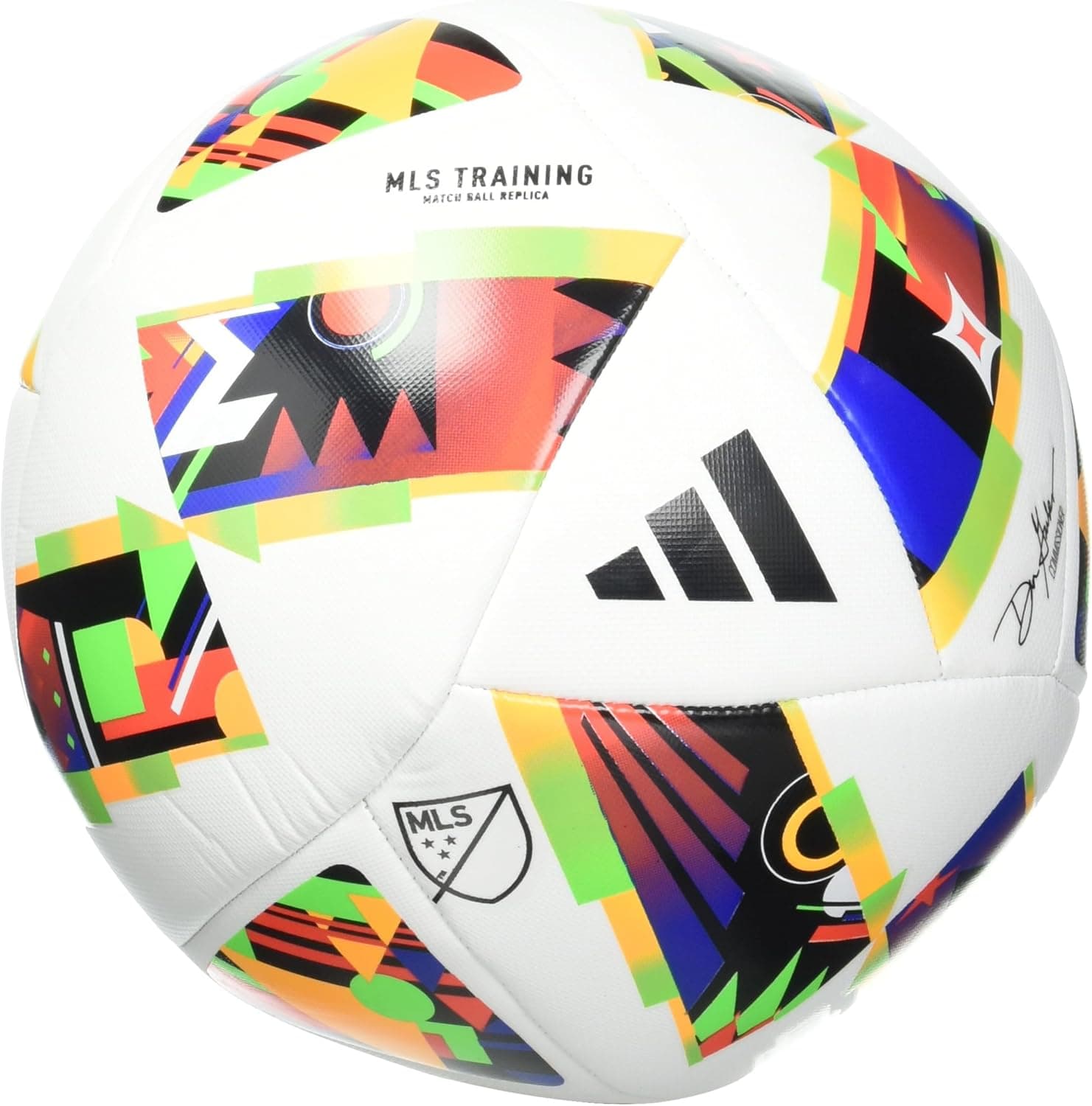
Adidas MLS Training Soccer Ball
View on Amazon →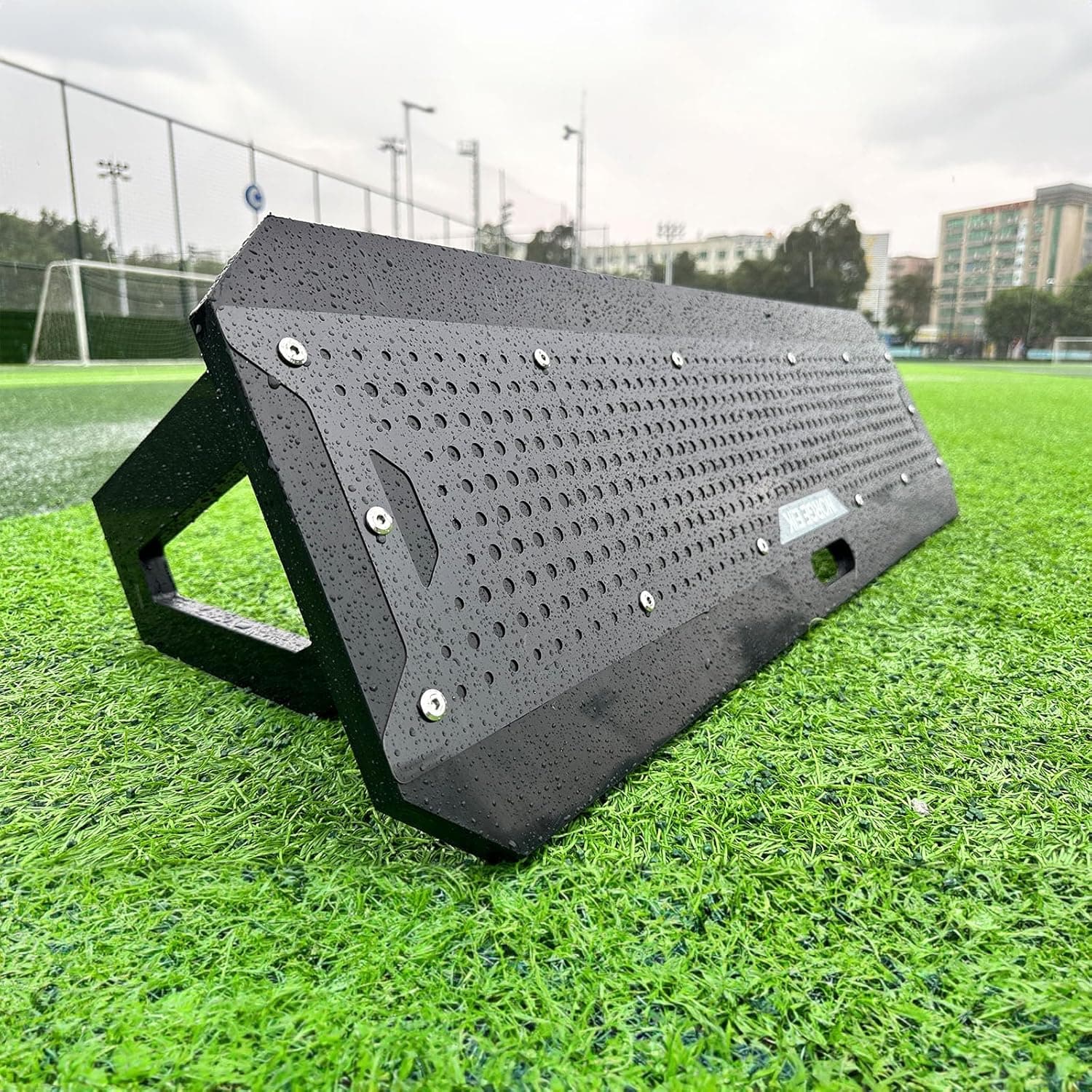
Soccer Rebounder
View on Amazon →As an Amazon Associate we earn from qualifying purchases, at no extra cost to you.