
Signs Your Child May Be Losing Interest in Soccer and What to Do
January 14, 2026
Signs Your Child May Be Losing Interest in Soccer and What to Do
There's a statistic that haunts every youth sports parent: by age 13, 70% of kids drop out of organized sports. Seventy percent. That means the majority of children who start playing soccer at age five or six will quit before they reach high school. And in most cases, the signs were there long before the child finally said, "I don't want to play anymore."
As a parent who nearly lost one child to soccer burnout and successfully re-engaged another, I've learned to read the early warning signs — and more importantly, I've learned what to do about them. This article is your early detection system. If you catch these signals early and respond thoughtfully, you can often reignite your child's passion before it goes out entirely.
The Early Warning Signs
1. The Pre-Practice Resistance
This is usually the first sign. Your child used to get ready for practice eagerly, and now you're having to prod, remind, and negotiate. They might say things like:
- "Do I have to go today?"
- "My stomach hurts" (with suspicious timing)
- "Can I skip just this once?"
Occasional reluctance is normal — even adults sometimes don't feel like going to the gym. But if the resistance becomes a pattern, appearing before most practices and games, it's a signal worth paying attention to.
What this usually means: Practice has become more stressful than enjoyable. This could be due to a difficult coach, social issues with teammates, feeling outmatched skill-wise, or simply being over-scheduled and exhausted.
2. The Post-Game Silence
Think about how your child used to talk about soccer. Did they used to recap every goal, every play, every funny moment from the game? If that chatter has been replaced by one-word answers or silence, something has shifted.
Watch for these conversation patterns:
- You: "How was the game?" Them: "Fine."
- You: "Did you have fun?" Them: Shrug.
- You: "Anything exciting happen?" Them: "Not really."
What this usually means: Your child is emotionally disengaging from soccer. The game is no longer a source of stories, excitement, or pride. It's becoming just another obligation.
3. The Disappearing Ball
Kids who love soccer touch a ball constantly. They dribble in the house (to your annoyance), juggle in the backyard, kick against the wall. When the ball stops appearing outside of structured practice, it's a significant indicator.
What this usually means: Soccer has shifted from "play" to "work" in your child's mind. When a sport is play, kids do it voluntarily in their free time. When it becomes work, they only engage when required.
4. Body Language at Games
Watch your child's body language during games and practice. Disengaged kids often show these physical signs:
- Standing with hands on hips during play (rather than moving and positioning)
- Walking instead of running
- Not celebrating goals or good plays
- Looking at the sideline frequently (either at you or at the clock)
- Avoiding the ball rather than seeking it
What this usually means: Your child is physically present but mentally checked out. They're going through the motions without emotional investment.
5. Comparing to Other Activities
"Why can't I do gymnastics instead?" "My friend does basketball and it's way more fun." "I wish I could have Saturdays free to play video games."
When your child starts favorably comparing other activities to soccer, they're telling you that soccer has dropped in their internal ranking of things they enjoy.
What this usually means: The enjoyment-to-effort ratio has tipped. They're putting in effort for soccer that doesn't feel rewarding, while other activities seem more appealing by comparison.
Why Kids Lose Interest: The Root Causes
Before I get into solutions, it's important to understand the common reasons behind disengagement. The fix depends on the cause:
- Over-scheduling: Too many practices, games, and tournaments can exhaust kids physically and mentally. If soccer leaves no time for free play, friends, or rest, burnout is inevitable.
- Parental pressure: When parents are overly invested in outcomes, kids feel the weight of expectations. Performance anxiety is a joy killer. (I wrote about this in detail in another article about the mistakes I made with my own son.)
- Coach-related issues: A coach who yells, criticizes publicly, plays favorites, or focuses exclusively on winning can make soccer miserable. Kids will rarely tell you directly that they don't like their coach — they'll just say they don't like soccer anymore.
- Social dynamics: Bullying, cliques, or feeling like an outsider on the team can drain all the fun out of soccer. The social environment is often more important to a child's experience than the soccer itself.
- Skill stagnation: When a child feels like they're not improving, they lose motivation. This is especially common at ages 10-12, when the game becomes more tactical and the skill gap between players widens.
- Lack of autonomy: As kids get older, they need more ownership over their activities. If they feel like soccer is something that's being done to them rather than by them, they'll resist.
What to Do: A Response Plan
Step 1: Have an Honest, No-Pressure Conversation
The first and most important step is to talk to your child — but the how matters enormously. Don't ask during or right after a game. Choose a calm, neutral moment. Maybe during a car ride (the side-by-side seating takes pressure off eye contact) or during a quiet evening.
Start with open-ended questions:
- "What's your favorite thing about soccer right now? What's your least favorite thing?"
- "If you could change one thing about your team or your soccer experience, what would it be?"
- "On a scale of 1-10, how much fun is soccer for you right now?"
Listen without interrupting. Don't defend the coach, don't explain why their feelings are wrong, and don't immediately try to fix things. Just listen. The goal of this conversation is diagnosis, not treatment.
Step 2: Address the Root Cause
Based on what your child tells you (and what you observe), address the specific issue:
- If it's over-scheduling: Reduce the load. Drop a practice, skip a tournament, create protected free time. Your child's love of the game is more important than any single season of development.
- If it's parental pressure: Look in the mirror. Are you coaching from the sideline? Critiquing in the car? Setting performance expectations? Pull back. Way back. Your only job at games is to cheer and provide snacks.
- If it's coach-related: Depending on the severity, either have a conversation with the coach or consider switching teams. A bad coach can do lasting damage to a child's relationship with sport.
- If it's social dynamics: Talk to the coach about team culture. If the issue is serious (bullying), address it directly with the coach and potentially other parents. If your child simply doesn't connect with their current teammates, a team change might be the answer.
- If it's skill stagnation: This is where supplemental training can make a massive difference. A child who feels like they're improving is a child who stays motivated. Platforms like Anytime Soccer Training provide structured, progressive skill development that helps kids see tangible improvement. When your child beats a personal record or successfully executes a new move in a game, it reignites their sense of progress and excitement.
- If it's lack of autonomy: Give your child more control. Let them choose which extra training they do. Let them decide if they want to attend optional sessions. Let them pick their position preferences to discuss with the coach. The more ownership they have, the more invested they'll be.
Step 3: Reintroduce Fun
Whatever the root cause, a dose of pure fun can work wonders. Here are some ways to make soccer feel like play again:
- Organize a backyard pickup game with friends — no coaches, no positions, no rules beyond "have fun."
- Watch a professional game together and let your child pick the teams. Make it an event with snacks and commentary.
- Try futsal or street soccer. Different formats of the game can reignite interest by providing a fresh challenge in a new context.
- Do trick challenges together. Can you juggle five times? Can they nutmeg you? Keep it silly and light.
- Take a break. Sometimes a week or two away from soccer is exactly what a child needs. Absence makes the heart grow fonder — for soccer too.
Step 4: Check In Regularly
Don't assume one conversation fixes everything. Make it a habit to check in with your child about their soccer experience every few weeks. Keep the conversations brief and casual. You're monitoring the temperature, not conducting an investigation.
Look for positive indicators:
- Voluntarily kicking the ball around at home
- Talking about soccer without being prompted
- Showing enthusiasm before games and practices
- Wanting to watch professional soccer
- Asking to train more (on their own initiative)
When Quitting Is the Right Answer
I want to be honest about this: sometimes the right answer is to let your child stop playing soccer. If you've addressed the root causes, reintroduced fun, given them autonomy, and they still don't want to play — respect their decision. Forcing a child to continue an activity they genuinely dislike teaches them that their feelings don't matter, and it creates negative associations with physical activity that can last a lifetime.
That said, there's a difference between wanting to quit because of a solvable problem (bad coach, social issues, burnout) and wanting to quit because the genuine interest isn't there anymore. Your job as a parent is to determine which one it is and respond accordingly.
A Final Thought on Prevention
The best way to deal with declining interest is to prevent it. Here are the principles that keep kids engaged in soccer long-term:
- Keep the ratio right: At least 80% of soccer experiences should be fun. If your child is enjoying themselves most of the time, the 20% that's challenging or difficult becomes growth rather than misery.
- Protect free play: Ensure your child has unstructured time to play soccer (or any sport) without coaching, drills, or performance expectations. Free play is where creativity and love of the game are born.
- Celebrate the journey, not just results: Praise effort, improvement, and enjoyment — not just goals and wins. Help your child find satisfaction in the process of getting better.
- Use smart supplemental training: Platforms like Anytime Soccer Training keep development happening in a way that kids enjoy, preventing the frustration of stagnation while maintaining the fun factor.
Your child's relationship with soccer is precious and fragile. Watch for the warning signs, respond with empathy and action, and always prioritize the love of the game over any other objective. A child who loves soccer will play for life. A child who's forced to play soccer will quit the moment they can.
Gear we use for this
The kit our own players train with at home.

Adidas MLS Training Soccer Ball
View on Amazon →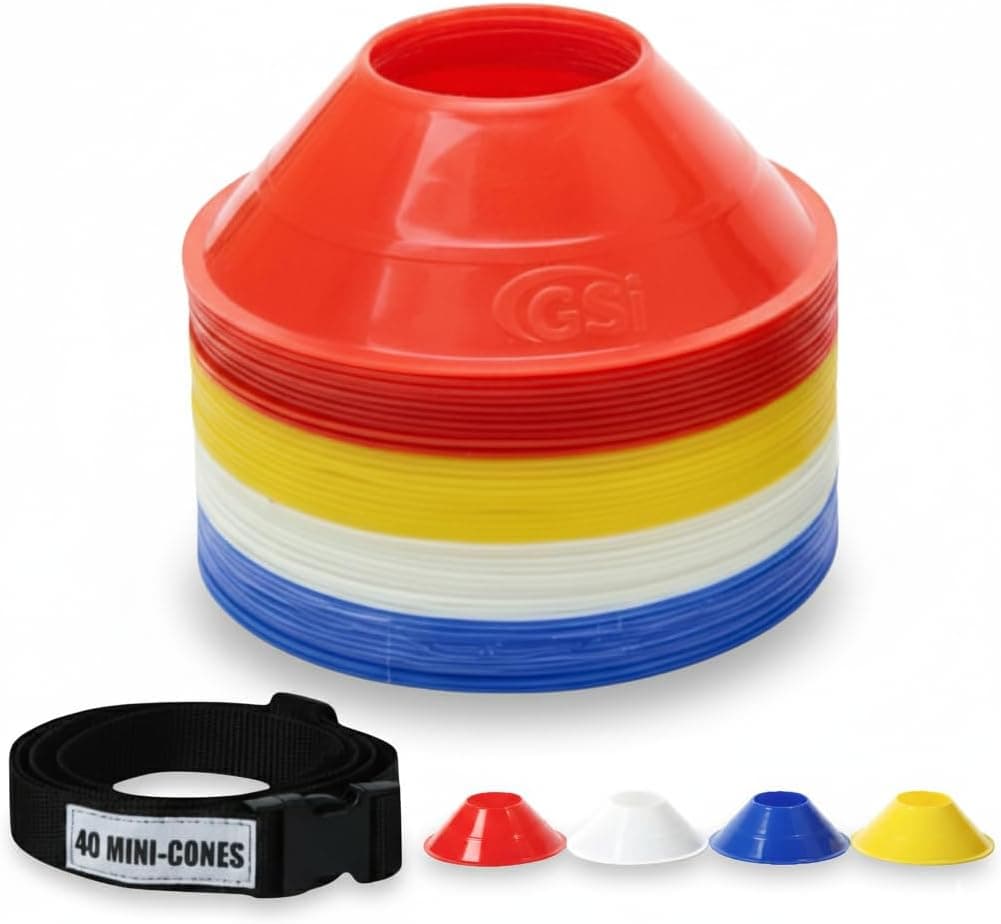
Disc Training Cones (Set of 40)
View on Amazon →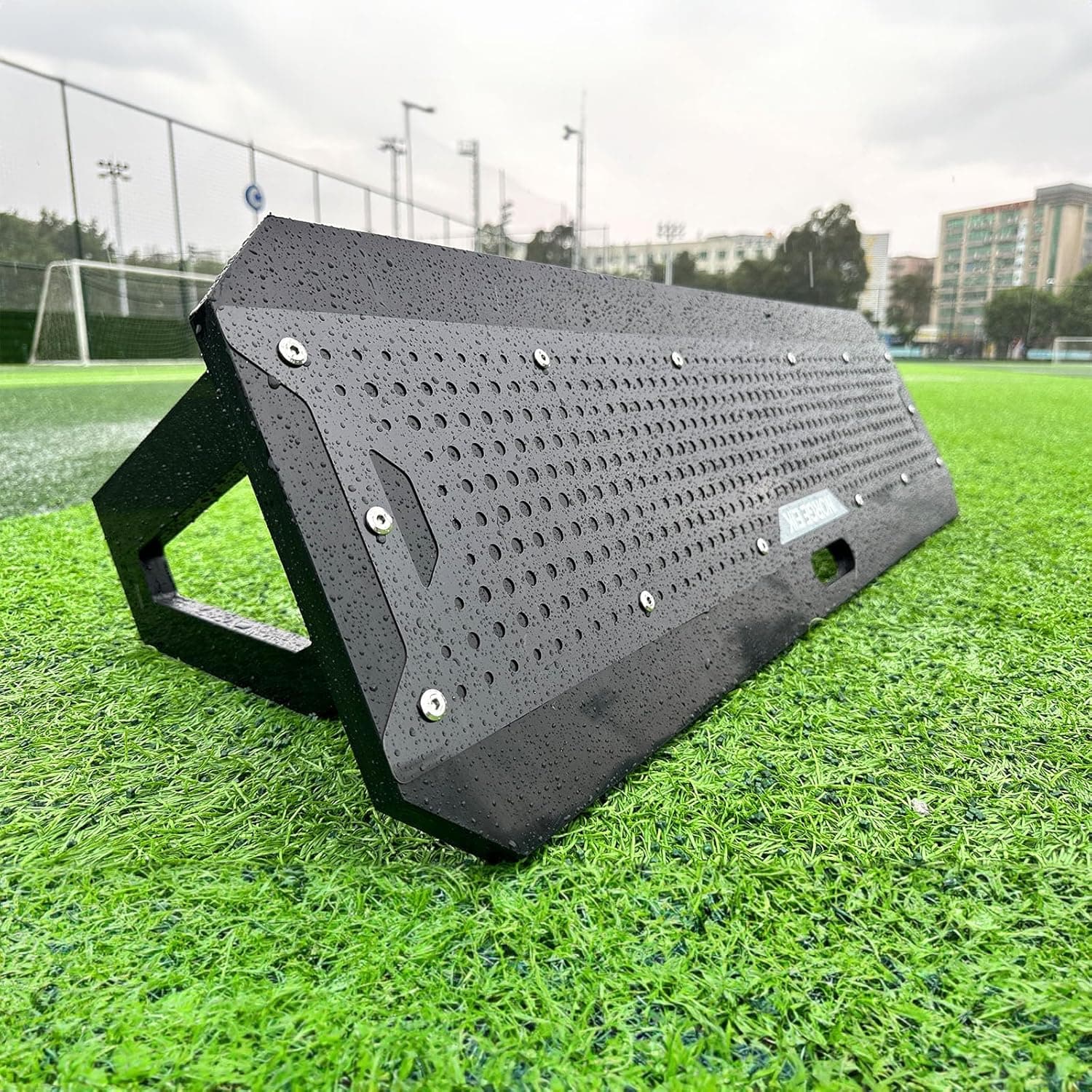
Soccer Rebounder
View on Amazon →As an Amazon Associate we earn from qualifying purchases, at no extra cost to you.