
Real Results 90 Days of Consistency
November 25, 2025
Real Results: What 90 Days of Consistent Home Training Actually Looks Like
Ninety days. That is roughly three months, one full school quarter, or about thirteen weeks. It does not sound like a long time, but when it comes to consistent home soccer training, ninety days is long enough to produce results that will genuinely surprise you.
I am not talking about vague, feel-good improvement that you have to squint to notice. I am talking about visible, measurable, undeniable progress that coaches comment on, teammates notice, and your child feels in their bones. I have seen it happen with my own kids and with dozens of families in the Anytime Soccer Training community. And today I want to share what that ninety-day journey actually looks like, week by week, so you know what to expect.
The Commitment: What We Are Talking About
Before we get into the timeline, let me define what consistent home training means in this context. We are talking about:
- 3 to 4 sessions per week
- 15 to 25 minutes per session
- Focused, intentional work on specific skills, not just kicking a ball around
- Following a structured program or set of progressive drills
That is it. We are not talking about marathon training sessions or six-day-a-week commitments. We are talking about a modest, sustainable amount of focused training that any family can fit into their schedule. The magic is not in the volume. It is in the consistency.
Weeks 1-2: The Awkward Start
The first two weeks are the hardest and the least rewarding. Everything feels awkward. If your child is new to home training, they might resist the structure. If you are serving as their training partner, you might feel unsure about what you are doing. The drills feel clunky. Progress is invisible.
What you will notice:
- Your child may complain or negotiate to do less
- Sessions feel longer than they actually are
- Frustration with drills that feel too hard
- No visible improvement in game performance
What to do: Keep sessions short and positive. End on a high note every time, even if you have to cut a session short. Use Anytime Soccer Training follow-along videos to take the pressure off you as the parent to lead the session. The video does the coaching while you just participate and encourage.
The only goal during weeks one and two is to establish the habit. Showing up matters more than the quality of the session. Just get out there and touch the ball.
Weeks 3-4: Finding the Rhythm
By week three, something starts to shift. The training routine begins to feel normal rather than forced. Your child knows what to expect. They might even start the session without being asked. The drills that felt impossible in week one are starting to click.
What you will notice:
- Less resistance to training time
- Improved coordination and fluidity in drills
- Your child starts setting small personal goals like beating their juggling record
- Still minimal transfer to game performance, but training quality improves
What to do: Start tracking some simple metrics. How many juggles? How many consecutive wall passes without a mistake? How fast through the cone course? These numbers give your child concrete evidence of improvement that they can see even when game performance has not changed yet.
Weeks 5-8: The Underground Growth
This is the phase that I call underground growth because a lot is happening beneath the surface even though external results are still spotty. Your child's neural pathways are strengthening. Muscle memory is forming. Confidence in training is building. But game situations, which are faster, more chaotic, and more stressful, have not caught up yet.
What you will notice:
- Significant improvement in training performance
- Your child can do drills that were impossible in week one
- Occasional flashes of trained skills appearing in games, but inconsistently
- Growing confidence and enthusiasm for training
- You start hearing things like can we do a longer session today
What to do: Start increasing the challenge level of drills. If your child has been doing the beginner version, move to intermediate progressions. Add speed, add complexity, add the weak foot. This is when platforms like Anytime Soccer Training really shine because the progressive structure ensures your child is always working at the right level.
Weeks 9-12: The Breakthrough
Here it comes. Around the two to three month mark, the accumulated training starts to show up consistently in game situations. This is the moment that makes all the early grinding worth it.
What you will notice:
- Trained skills appearing in games regularly, not just occasionally
- Noticeably cleaner first touch compared to three months ago
- Increased confidence on the ball, willingness to try things
- Comments from coaches about improvement
- Your child starts to self-identify as someone who trains, which shifts their identity and motivation
- Opponents that used to be dominant are now beatable
What to do: Celebrate! Not with expensive rewards, but with genuine recognition of the work your child has put in. Compare current training metrics to week one and share the numbers. Show them how far they have come. This evidence of their own growth becomes fuel for the next ninety days.
Real Numbers from Real Families
I want to share some concrete examples of what ninety days of consistency has produced for families in our community. These are real numbers, though names have been changed for privacy:
Emma, age 9:
- Juggling: Day 1 could do 3 touches. Day 90 could do 47 consecutive touches.
- Cone weave: Day 1 took 28 seconds. Day 90 took 14 seconds.
- Weak foot passing accuracy against wall targets: Day 1 hit 2 out of 10. Day 90 hit 7 out of 10.
Lucas, age 11:
- Juggling: Day 1 could do 22 touches. Day 90 could do 150 plus.
- Learned 4 new 1v1 moves and used all of them successfully in games.
- Made a select team he had been cut from six months earlier.
Mia, age 7:
- Could not dribble through a cone course without losing the ball on Day 1.
- By Day 90, could complete the course with both feet without losing possession.
- Scored her first two goals of the season during weeks 10 and 12.
Why 90 Days Is the Magic Number
Research on habit formation and skill acquisition supports the roughly ninety-day timeline for meaningful change. It takes approximately 66 days for a new behavior to become automatic, according to research from University College London. Adding a few weeks beyond that for the new skills to transfer from controlled training environments to dynamic game situations gets you to roughly ninety days.
There is also a psychological component. After ninety days of consistent effort, your child has accumulated enough evidence of their own growth that their self-concept begins to shift. They stop seeing themselves as a kid who is trying to get better at soccer and start seeing themselves as a kid who trains. That identity shift is powerful because it makes continued training feel natural rather than forced.
Common Obstacles and How to Overcome Them
- Missing a week: It happens. Do not let one missed week become two. Just restart without guilt or dramatic recommitment speeches. Pick up where you left off.
- Motivation dips: Usually happen around weeks 4-6 when the novelty has worn off but results have not appeared. Push through by keeping sessions short and fun. Change up the drills for variety.
- Weather or space limitations: Have an indoor backup plan. Ball mastery work and juggling can be done in a garage, basement, or even a living room with a soft ball. Anytime Soccer Training has indoor-friendly sessions for exactly these situations.
- Sibling or family schedule conflicts: Make training time non-negotiable by putting it on the family calendar. Treat it like any other appointment. Consistency requires intentional scheduling.
Your 90-Day Challenge
I want to challenge you to commit to ninety days of consistent home training with your child. Not a vague goal to practice more, but a specific, measurable commitment:
- Pick 3 days per week
- Set a specific time for each training day
- Start with 15-minute sessions
- Use Anytime Soccer Training for structure and variety
- Track at least one metric weekly so you can see progress
- Mark each completed session on a calendar so the streak becomes visible
Ninety days from now, you will look back at this starting point and be amazed at how far your child has come. Not because of any magic program or secret drill, but because of the simple, powerful truth that consistency produces results. Every time. Without exception.
Start today. The next ninety days are going to pass whether you train or not. Imagine where your child could be if you use them well.
Gear we use for this
The kit our own players train with at home.

Adidas MLS Training Soccer Ball
View on Amazon →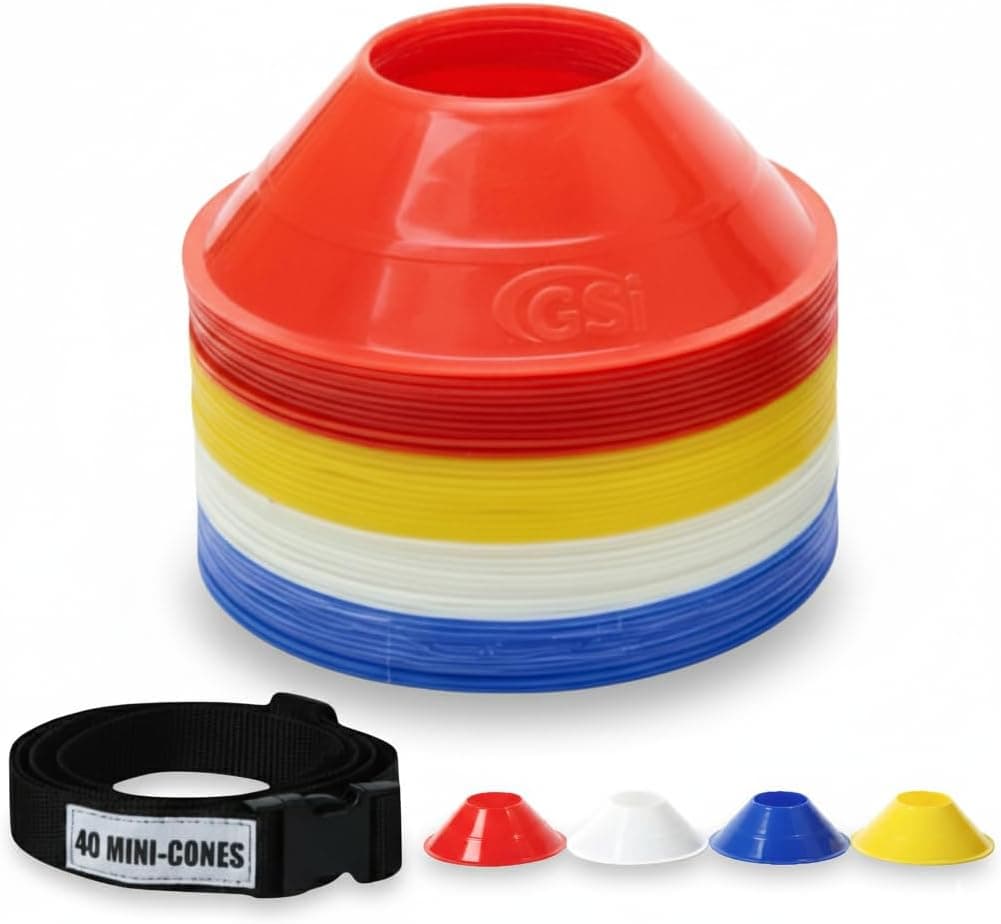
Disc Training Cones (Set of 40)
View on Amazon →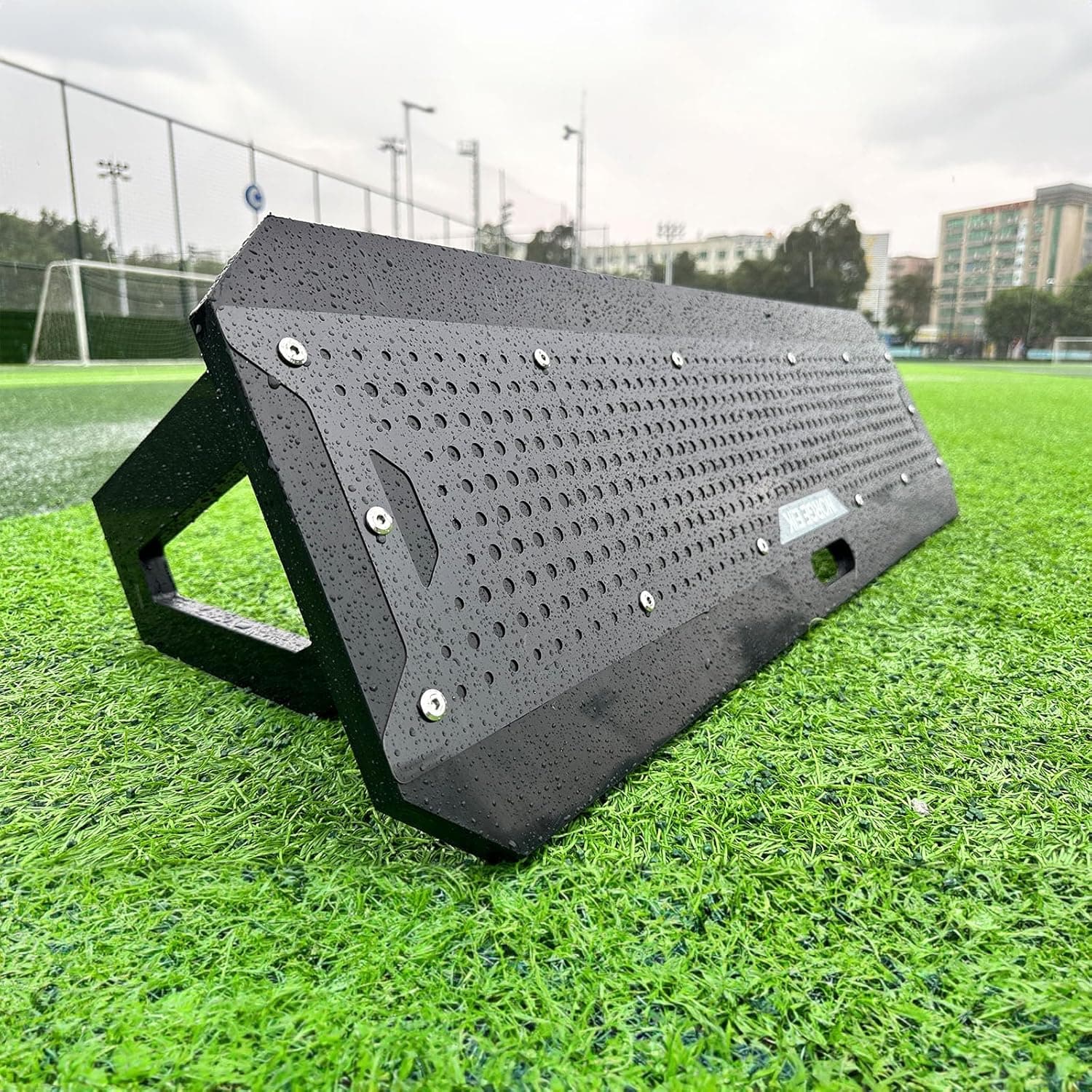
Soccer Rebounder
View on Amazon →As an Amazon Associate we earn from qualifying purchases, at no extra cost to you.