
Rainy Day Soccer Drills for Indoors
December 7, 2025
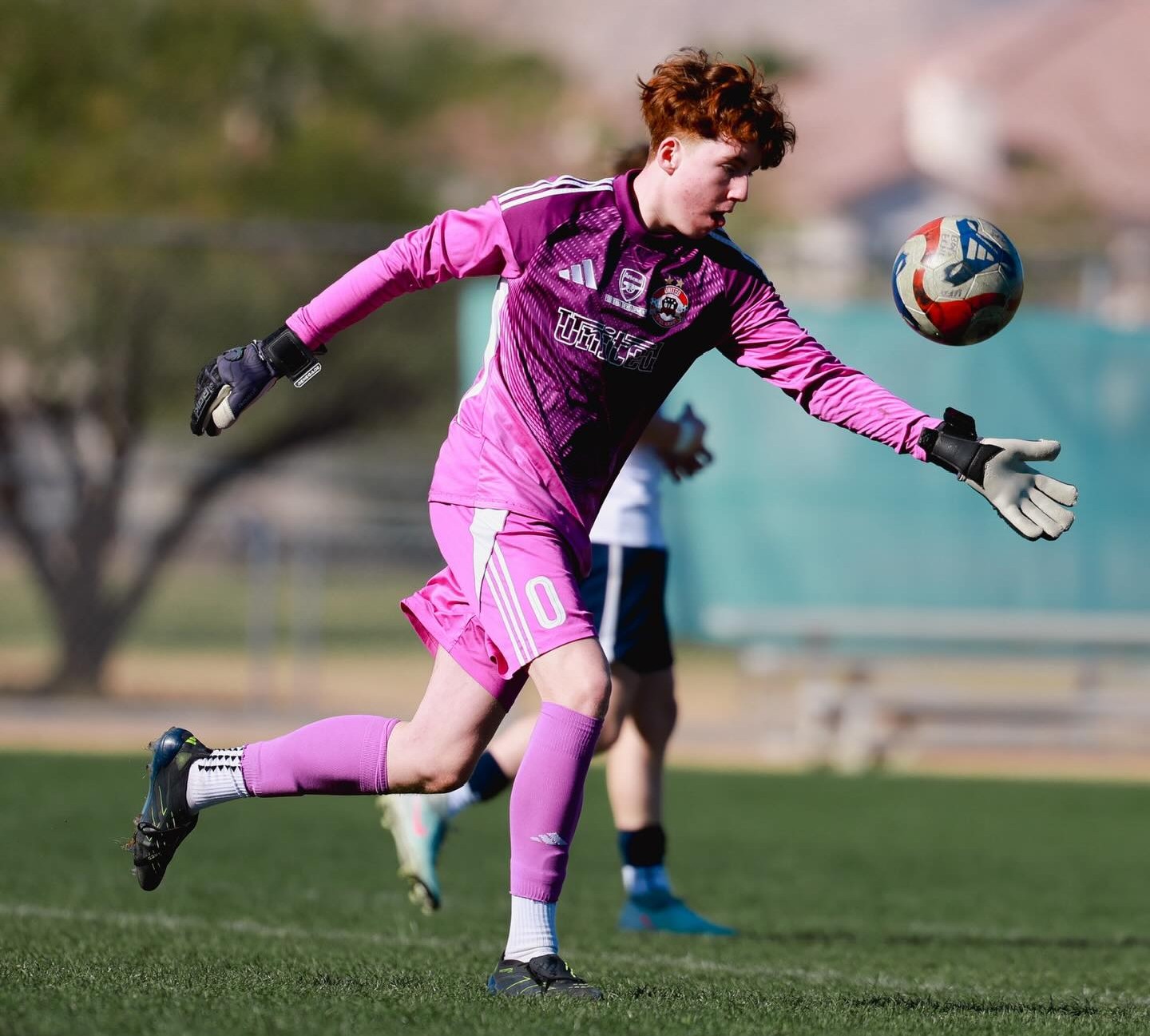
When the Weather Won't Cooperate, Train Inside
It was a dark, rainy Tuesday afternoon in November. Practice had been cancelled — the third time that month — and my daughter was pacing the living room like a caged animal. "I want to play soccer," she announced, for roughly the seventh time in twenty minutes. "I know, sweetheart. It's pouring outside." "So? Can't we do something inside?"
That conversation was the beginning of what has become our family's secret weapon: indoor soccer training. What started as a rainy-day desperation move has evolved into a regular part of our training routine, and honestly, some of the biggest technical improvements I've seen in my kids have come from training inside the house.
Sound crazy? It's not. In fact, there are real advantages to indoor training that outdoor sessions can't replicate. And with the right approach, you can run effective, fun, and furniture-safe training sessions right in your living room, garage, or basement.
Why Indoor Training Actually Works
Before we get to the drills, let's talk about why indoor training is so effective for developing young soccer players.
Smaller Space = More Touches
When you're working in a confined area — a 10x12 foot living room, for example — every drill requires close control. There's no room to push the ball out and run after it. Your child has to keep the ball tight, use soft touches, and develop the kind of close-quarters mastery that directly translates to game situations where defenders are closing in.
Professional players know this intuitively. Futsal, the small-sided indoor game that produced legends like Neymar, Ronaldinho, and Messi, is played in tight spaces precisely because it accelerates technical development. Your living room is basically a one-person futsal court.
Soft Ball = Better Technique
You'll want to use a soft ball indoors — a futsal ball, a size 3 foam ball, or even a rolled-up pair of socks in a pinch. These softer balls actually improve technique because they demand more precise contact. You can't muscle a foam ball into submission. You have to caress it, guide it, and control it with finesse. Those habits carry over beautifully to outdoor play with a regulation ball.
No Distractions = Focused Practice
Outdoor training comes with a lot of distractions: other kids, dogs, weather, the ice cream truck. Indoor training in your own home eliminates all of that. It's just your child, the ball, and the drill. This focused environment can lead to more productive practice in less time.
Setting Up Your Indoor Training Space
You don't need a gymnasium to train indoors. Here's how to make almost any indoor space work:
The Living Room
Clear a space roughly 8x10 feet. Move fragile items off low tables and shelves. Use a soft ball (this is non-negotiable — a regulation soccer ball will destroy your home). Lay down a yoga mat or towel to mark your training area. The carpet actually works well for ball mastery drills because it slows the ball slightly, requiring more deliberate touches.
The Garage
If you have a garage with some clear floor space, this is the ideal indoor training venue. The hard floor mimics a futsal court, you don't have to worry about breaking anything, and you can even use a slightly harder ball. Clear out a 10x15 foot area and you're in business.
The Basement
A finished or unfinished basement can be perfect. Low ceilings might limit some exercises, but for ball mastery, footwork, and ground-level skills, a basement is excellent. Just make sure the floor isn't too slippery — a pair of indoor shoes or bare feet on carpet works best.
The Drills: Indoor Soccer Training That Works
Here's our collection of go-to indoor drills, organized by skill area. Each one has been tested extensively in our home, and I can confirm that no furniture was harmed in the process (mostly).
Ball Mastery Drills (10-15 minutes)
These are the foundation of indoor training. Ball mastery drills develop the foot-eye coordination, comfort on the ball, and close control that underpin every other soccer skill.
Toe Taps: Stand with the ball in front of you. Alternately tap the top of the ball with the sole of each foot, like running in place on top of the ball. Start slowly and build speed. Goal: 50 taps without losing the ball, then 100. This is a staple drill on Anytime Soccer Training and it never gets old because you can always go faster.
Inside-Outside Rolls: Using one foot, roll the ball from inside to outside using the sole of your foot. Then switch feet. Then alternate. This develops the lateral movement and close control needed for dribbling in tight spaces.
The Box: Using the insides and soles of both feet, move the ball in a square pattern: push forward with the sole, push right with the inside, pull back with the sole, push left with the inside. Do it in both directions. This drill is a full foot-coordination workout.
Foundation Moves: Practice the fundamental dribbling moves in place or within a small area: step-over, scissors, Cruyff turn, pull-back, inside cut, outside cut. Indoor space forces you to execute these with precision and control. Do each move 10 times with the right foot and 10 with the left.
Juggling Progressions (5-10 minutes)
Juggling is the perfect indoor activity. It requires minimal space, develops touch and coordination, and has a built-in competitive element (beating your personal record).
Thigh-Foot Combo: Juggle using alternating thighs and feet. This develops a different kind of touch than foot-only juggling and challenges coordination.
Sole Juggling: Tap the ball up with the sole of your foot and catch it on the sole of the same foot. This is much harder than it sounds and develops incredible foot sensitivity.
Weak Foot Challenge: Do all juggling with your non-dominant foot only. Set a separate personal record for your weak foot and try to improve it every session. Closing the gap between your strong and weak foot is one of the highest-impact things a young player can do.
Seated Juggling: Sit on the floor with legs extended and juggle using only your feet. This is an advanced challenge that develops core strength alongside ball control.
Footwork and Agility (5-10 minutes)
You can develop soccer-relevant agility without a field. These drills improve the quick feet and directional changes that make players elusive in games.
Ladder Drill (No Ladder Required): Use tape on the floor to create a simple agility ladder — six to eight squares. Run through standard ladder patterns: single step, double step, in-and-out, lateral shuffle. Do each pattern three times, trying to increase speed each round.
Cone Dance: Set up three to four small cones or cups in a tight cluster. Dribble around and through them using quick, controlled touches. Change direction sharply. Use different surfaces of the foot. The tighter the space, the more beneficial this drill becomes.
Reaction Ball Game: Drop a reaction ball (or a crumpled piece of paper) and try to trap it before the second bounce. This develops the quick reactions and explosive first step that are crucial in soccer.
Wall Work (If You Have a Garage or Basement Wall)
A solid wall is the best training partner in soccer. If you have access to one indoors, use it relentlessly.
Quick Passing: Stand 4-6 feet from the wall and pass the ball back and forth as quickly as you can, alternating feet. Two-touch, then one-touch. Time yourself: how many passes can you make in 60 seconds?
Receive and Turn: Pass the ball against the wall, receive it with your back to the wall, and turn. Practice different receiving techniques: inside foot, outside foot, sole, thigh. This simulates receiving a pass in a game and immediately turning to play forward.
Volley Control: Throw the ball against the wall and control the rebound with one touch. Vary the height and speed of your throws to practice different types of control.
Sample Indoor Training Sessions
Here are three complete sessions you can run inside, each taking about 20 minutes:
Session A: Ball Mastery Focus
- Toe taps: 2 minutes (build speed gradually)
- Inside-outside rolls: 2 minutes each foot
- The Box drill: 3 minutes (both directions)
- Foundation moves: 5 minutes (all moves, both feet)
- Juggling challenge: 5 minutes
- Cool down: 1 minute of soft touches and stretching
Session B: Footwork and Agility
- Tape ladder patterns: 5 minutes
- Cone dance with ball: 5 minutes
- Quick feet toe taps: 2 minutes
- Juggling: 5 minutes
- Sole rolls and pull-backs: 3 minutes
Session C: Complete Circuit
- Ball mastery warm-up: 3 minutes
- Wall passing (if available): 5 minutes
- Dribbling moves in tight space: 5 minutes
- Juggling: 3 minutes
- Footwork patterns: 4 minutes
Of course, the easiest approach is to pull up a session on Anytime Soccer Training and follow along. Their programs are designed to be done in small spaces, and the guided format means your child doesn't need you to stand there directing traffic — they can follow the session independently.
Making It Fun: Indoor Training Games
Drills are great, but games are better — especially for younger players. Here are some indoor games that sneak in serious skill development:
Soccer Bowling: Set up empty water bottles or plastic cups in a bowling pin formation. Your child "bowls" by passing the ball to knock them down. Award points for strikes and spares. This is first-touch and passing accuracy training disguised as a game.
Keep It Up: The classic game — how long can you keep the ball off the ground using only your feet? Play it as a family. Compete for the highest score. This is juggling practice that doesn't feel like practice.
Sock Ball Dance-Off: Roll up a pair of socks into a ball. Play music. Each person has to do ball mastery moves to the beat. Take turns choosing moves. The sillier, the better. This develops comfort on the ball while keeping the mood light and fun.
Target Practice: Set up a target on the wall (a piece of tape, a drawing, a small goal drawn with chalk). Take turns trying to hit it from different distances and angles. Award points for accuracy. This is passing and shooting practice in disguise.
The Consistency Advantage
Here's the real power of indoor training: it eliminates weather as an excuse. Rain, snow, extreme heat, darkness — none of it matters when you can train inside. This means your child can maintain a consistent training habit year-round, regardless of the weather.
Consistency is the single most important factor in skill development. A player who trains for 15 minutes five days a week, rain or shine, will develop faster than a player who trains for an hour twice a week when the weather cooperates. Indoor training makes that consistency possible.
Over the past year, my daughter has missed exactly zero training days due to weather. Not one. And the difference in her technical ability compared to a year ago is remarkable. Her close control is tighter, her weak foot is more confident, and her ball mastery routines are smoother and faster than ever.
Getting Started Today
You don't need to wait for a rainy day to start indoor training. Here's your action plan:
- Get a soft ball (futsal ball or foam ball — $10-15)
- Clear a small space in your home
- Start with 10-15 minutes of ball mastery drills
- Build up to 20-minute sessions three to four times per week
- Use Anytime Soccer Training for guided sessions that are designed for small spaces
The next time it rains, instead of cancelling training, move it inside. Your child's feet will thank you, and their game-day performance will show the difference. The best players in the world developed their skills in small spaces. Your living room might just be the secret training ground that takes your child's game to the next level.
Gear we use for this
The kit our own players train with at home.
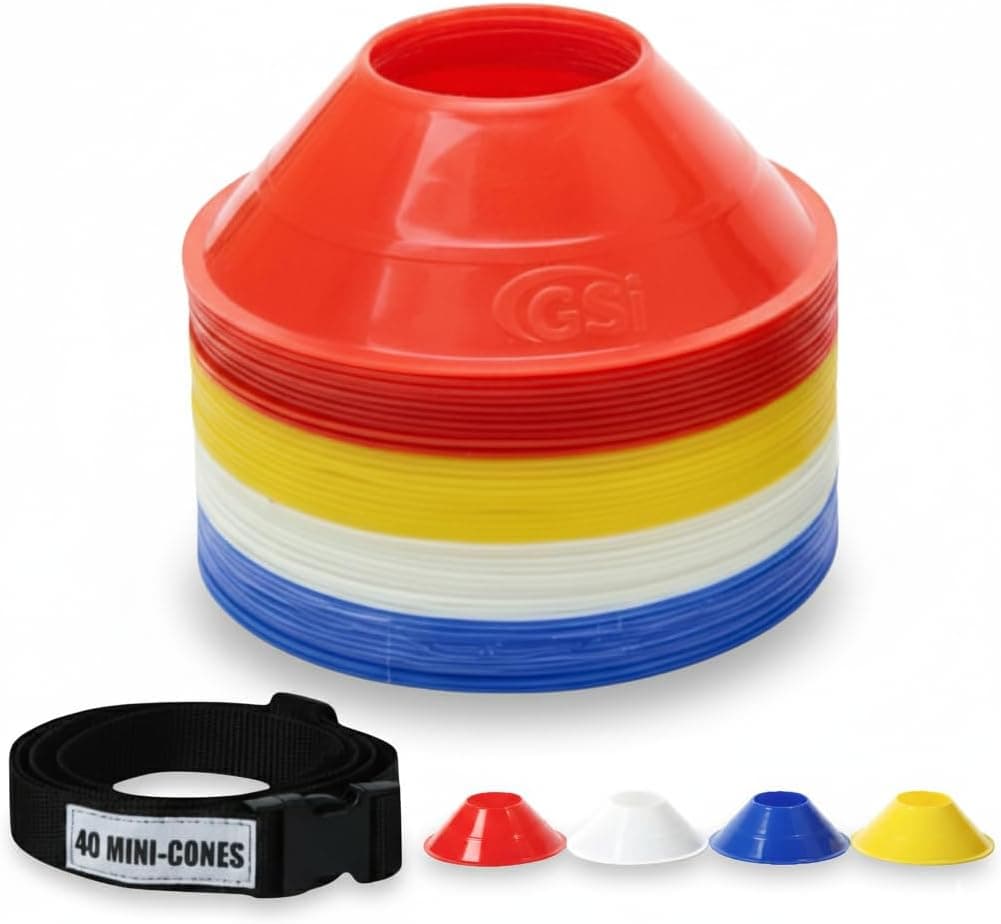
Disc Training Cones (Set of 40)
View on Amazon →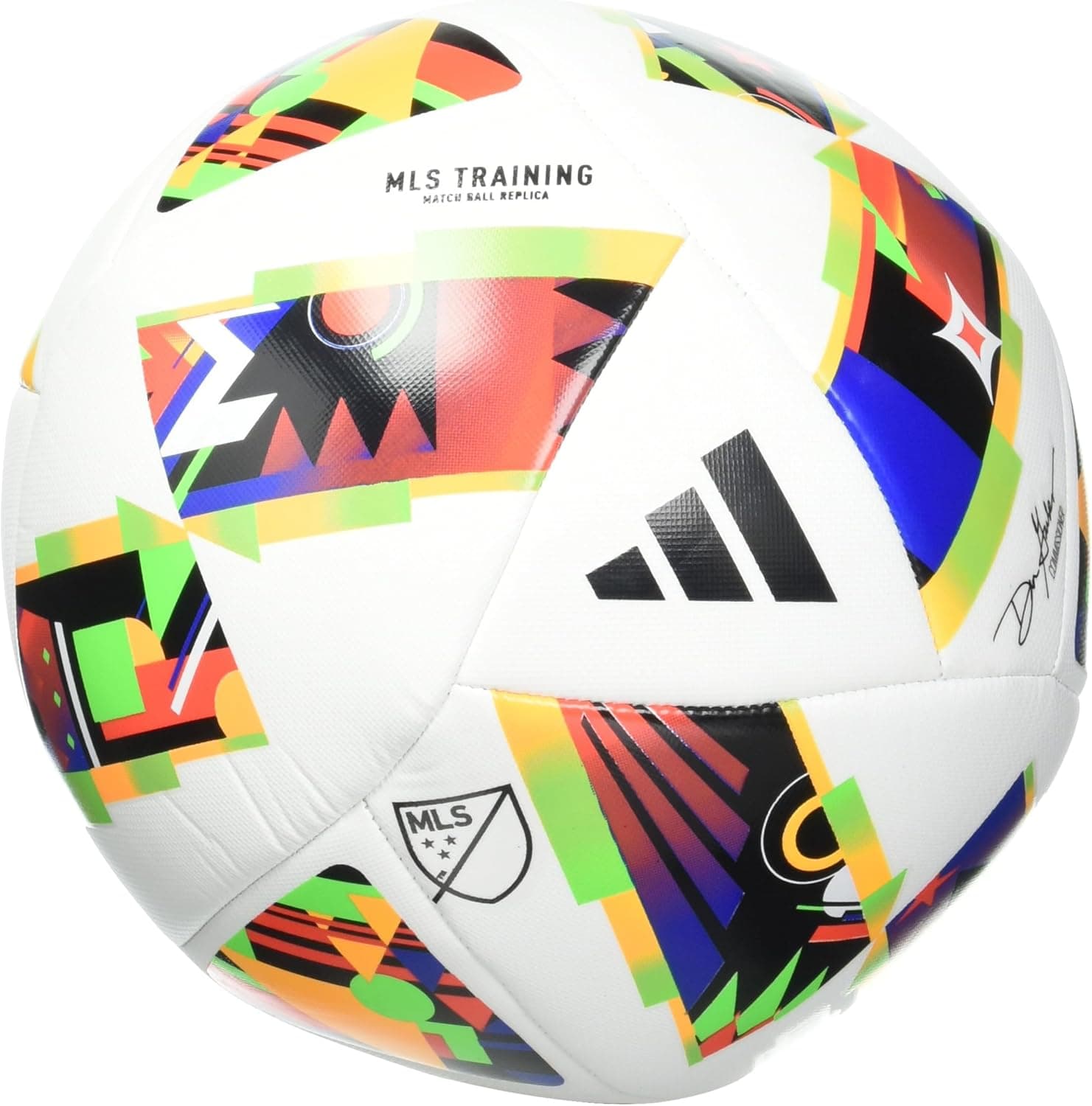
Adidas MLS Training Soccer Ball
View on Amazon →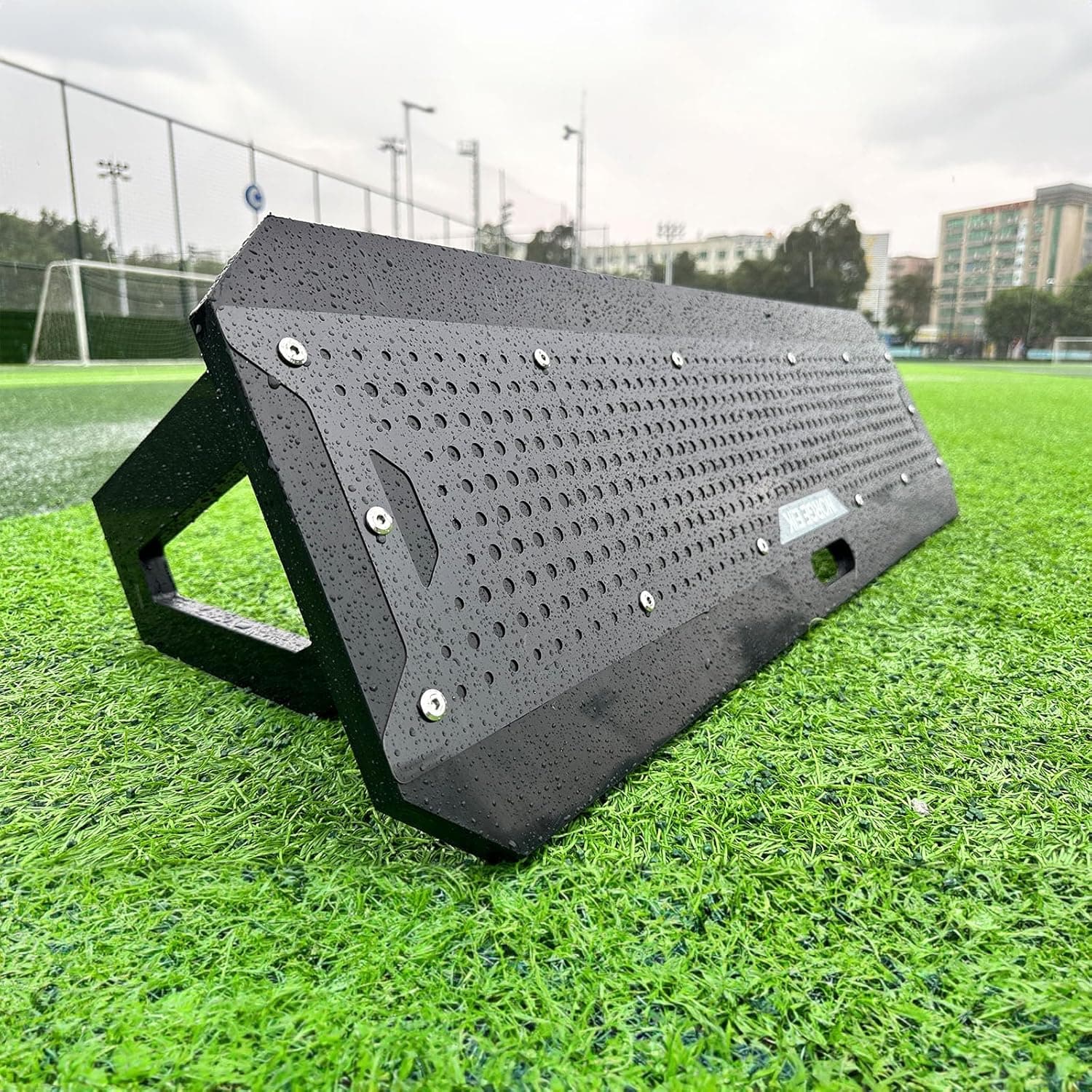
Soccer Rebounder
View on Amazon →As an Amazon Associate we earn from qualifying purchases, at no extra cost to you.