
Preparing for Tryouts Home Prep Tips That Work
March 5, 2026
Preparing for Tryouts: Home Prep Tips That Work
Tryout season is one of the most stressful times in youth soccer, both for kids and parents. The anxiety of being evaluated, the fear of not making the team, and the uncertainty of the outcome can be overwhelming. But here is the thing: the best time to prepare for tryouts is not the week before they happen. It is the months of consistent training leading up to them.
That said, even if you have been training consistently, there are specific things you can focus on in the weeks before tryouts to give your child the best chance of success. I have been through the tryout process multiple times with my sons, and I want to share what I have learned about what evaluators look for and how to prepare at home.
What Evaluators Are Actually Looking For
Understanding what tryout evaluators look for is the first step in preparing effectively. Contrary to what many parents think, evaluators at reputable clubs are not just looking at who scores the most goals or who runs the fastest. Here is what they are actually evaluating:
- Technical ability: Can the player control the ball? Is their first touch clean? Can they dribble under pressure? Can they pass accurately? These fundamental technical skills are the most important factor at most tryouts.
- Comfort on the ball: Does the player look relaxed and confident with the ball at their feet, or do they look panicked and rushed? Evaluators can tell the difference between a player who has put in the work and one who has not.
- Coachability: Does the player listen to instructions and try to implement feedback? A coach wants players who are willing to learn and adapt.
- Attitude and effort: Is the player working hard regardless of the score or the situation? A positive attitude and maximum effort make a strong impression.
- Decision making: Does the player make good choices with the ball? Do they know when to pass and when to dribble?
- Athleticism: Speed, agility, and endurance are noticed, but they are rarely the deciding factor for younger age groups where technical ability is prioritized.
Notice what is not on this list: scoring goals. Many kids go into tryouts thinking they need to score a hat trick to make the team. In reality, evaluators are watching every moment, not just the goals. A player who receives the ball cleanly, makes a smart decision, and delivers an accurate pass will impress evaluators far more than a player who scores one goal but looks lost the rest of the time.
The Four-Week Tryout Prep Plan
Ideally, your child has been training consistently for months before tryouts. But even if they have, the four weeks leading up to tryouts are a great time to sharpen specific skills and build confidence. Here is a week-by-week plan:
Week 1: Ball Mastery Intensive
The foundation of looking good at tryouts is being comfortable on the ball. Spend this week doing extra ball mastery work to make sure your child's touch is as sharp as possible.
- Daily fifteen-minute ball mastery session using Anytime Soccer Training or similar follow-along program
- Additional five minutes of juggling practice (great for touch and confidence)
- Focus on both feet, not just the dominant foot. Evaluators notice when a player can use both feet.
Week 2: First Touch and Passing
Clean receiving and accurate passing are two skills that immediately stand out at tryouts. A player with a great first touch looks calm and composed, even in a pressure situation.
- Ten minutes daily of wall passing and receiving, focusing on both feet
- Practice directional first touches: receiving the ball and pushing it into space rather than just stopping it dead
- Work on one-touch and two-touch passing patterns to develop quicker decision making
Week 3: Dribbling and One-on-One Situations
Tryouts almost always include small-sided games and one-on-one scenarios. Being able to beat a defender and protect the ball are valuable skills that catch evaluators' eyes.
- Practice two or three go-to moves that your child can execute confidently: inside cut, outside cut, and one other move of their choice
- Cone dribbling at game speed to develop close control under pace
- One-on-one games against a parent, sibling, or friend to simulate tryout situations
Week 4: Game Simulation and Confidence Building
The final week before tryouts is about putting it all together and building confidence. This is not the time to learn new skills; it is the time to sharpen existing ones.
- Combination drills that chain together receiving, dribbling, and finishing
- Small-sided games that simulate the tryout environment
- Keep sessions lighter and shorter to ensure your child arrives at tryouts fresh and confident rather than fatigued
- Focus on positive reinforcement and building your child's belief in their abilities
The Mental Preparation
Physical preparation is important, but mental preparation can be the difference between a tryout that goes well and one that does not. Here is how to prepare your child mentally:
Manage expectations. Have an honest conversation with your child about the tryout process. Explain that many talented players do not make teams, and that the outcome does not define their worth or potential. If they make the team, great. If they do not, they will keep working and try again.
Reframe nervousness as excitement. Teach your child that the butterflies in their stomach are not fear; they are excitement. The physical sensations of nervousness and excitement are identical. Choosing to interpret them as excitement rather than fear can dramatically improve performance.
Focus on controllables. Your child cannot control the evaluators' decisions, the other players at the tryout, or the outcome. What they can control is their effort, their attitude, and their preparation. Focusing on controllables reduces anxiety and empowers your child to give their best regardless of the circumstances.
Visualize success. Have your child spend a few minutes each day in the week before tryouts visualizing themselves performing well. Seeing themselves receive the ball cleanly, beat a defender, make a great pass, and play with confidence. Visualization is used by professional athletes and is supported by research as an effective performance tool.
Practical Tips for Tryout Day
On the day of the tryout, small details can make a difference. Here are some practical tips:
- Arrive early. Get there at least fifteen to twenty minutes before the scheduled start time. This gives your child time to warm up, get comfortable with the environment, and settle their nerves.
- Warm up properly. Before the tryout starts, have your child do some light jogging, dynamic stretches, and ball touches. They should be physically warm and mentally focused when the tryout begins.
- Eat and hydrate. Make sure your child has a balanced meal two to three hours before the tryout and stays hydrated throughout the day. Low blood sugar and dehydration both impair performance.
- Dress appropriately. Clean, properly fitted gear shows that your child takes the process seriously. Make sure cleats are broken in (not brand new) and everything fits properly.
- Encourage full effort from start to finish. Evaluators watch the entire tryout, not just specific drills. Your child should be giving maximum effort even during water breaks and transitions.
What to Do If They Do Not Make the Team
Despite the best preparation, there is always a chance that your child will not make the team. If that happens, how you handle it will have a lasting impact on their relationship with soccer and with failure.
Let them feel their emotions. Disappointment, sadness, and frustration are all valid responses. Do not try to immediately fix their feelings or tell them to get over it. Let them process.
Avoid blaming the evaluators. Even if you think the decision was wrong, criticizing the evaluators in front of your child teaches them to externalize failure rather than learn from it. Instead, focus on what your child can control going forward.
Seek constructive feedback. If the club offers feedback, take advantage of it. Understanding specifically what the evaluators felt your child needed to improve gives you a roadmap for the next tryout.
Make a plan. Channel the disappointment into action. If your child wants to try again, work together on a development plan that addresses the areas where they fell short. This is where consistent home training with Anytime Soccer Training becomes incredibly valuable because it allows your child to systematically work on specific skills.
Keep perspective. Not making a team is a temporary setback, not a permanent verdict. Many professional soccer players were cut from teams as children. What matters is not whether you get knocked down but whether you get back up.
The Long Game
Tryout preparation should not be a four-week scramble. It should be the natural result of consistent, year-round development. If your child trains at home for fifteen minutes a day throughout the year, they will walk into any tryout with genuine confidence because they know they have put in the work.
The kids who succeed at tryouts are rarely the ones who crammed in the weeks leading up. They are the ones who have been developing their skills day by day, month by month, building a foundation of technical ability that shows up when it matters most.
Start the daily training habit now, and when tryout season comes, your child will be ready. Not just physically, but mentally and emotionally. They will walk onto the field knowing they belong there, and that confidence is something evaluators can see from across the pitch.
Gear we use for this
The kit our own players train with at home.

Adidas MLS Training Soccer Ball
View on Amazon →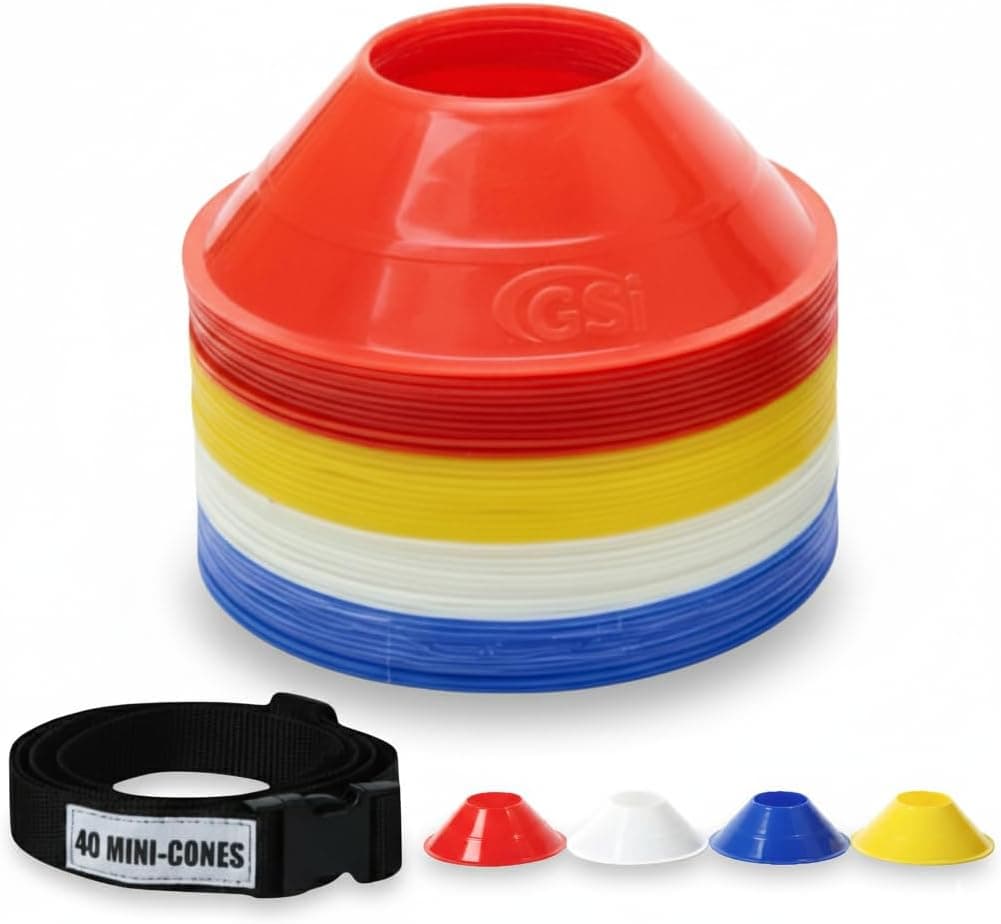
Disc Training Cones (Set of 40)
View on Amazon →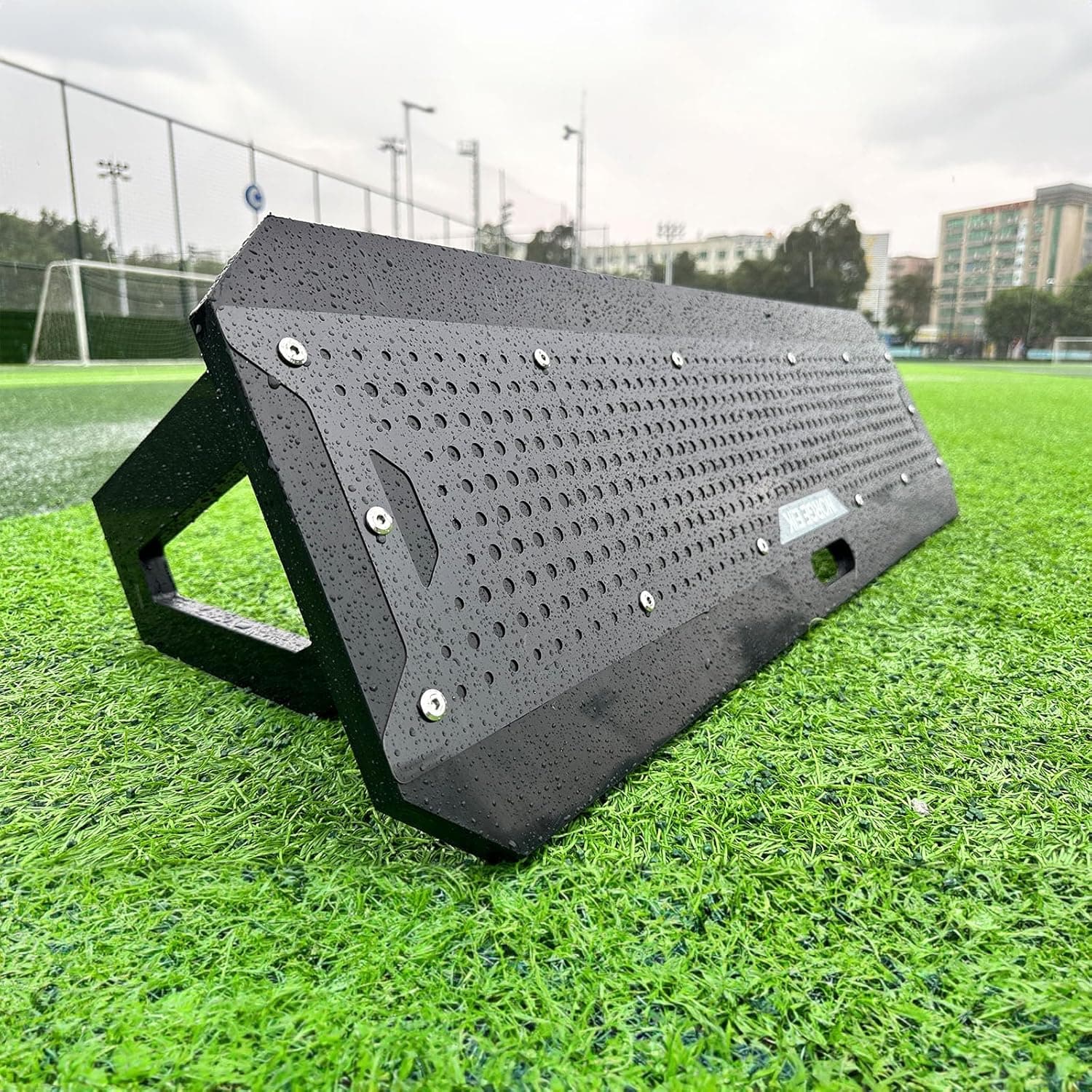
Soccer Rebounder
View on Amazon →As an Amazon Associate we earn from qualifying purchases, at no extra cost to you.