
Pre-Tryout Training 4-Week Plan
January 28, 2026
Pre-Tryout Training: 4-Week Plan
Tryout season is one of the most stressful times in youth soccer. Whether your child is trying out for a club team for the first time, hoping to move up a level, or just trying to keep their spot, the pressure can feel immense — for both of you. The good news is that four weeks of focused, intentional preparation can make a meaningful difference in your child's tryout performance and confidence.
This isn't about cramming. You can't undo months of inactivity in four weeks. But you can sharpen existing skills, build fitness, develop a tryout mindset, and ensure your child walks onto that field feeling prepared and confident. Here's the complete plan.
Before You Start: Assessment
Before diving into the training plan, spend a few minutes honestly assessing where your child stands in these key areas:
- Ball mastery and first touch: Can they control the ball cleanly? Can they receive under pressure?
- Dribbling: Can they beat a defender? Do they have multiple moves?
- Passing: Accurate with both feet? Can they play under pressure?
- Fitness: Can they run hard for 60+ minutes? Can they sprint repeatedly?
- Confidence: Do they play freely, or do they hide from the ball?
Rate each area on a 1-5 scale. This helps you prioritize. If fitness is a 2 but ball mastery is a 4, you know where to focus. If everything is a 3, you need a balanced approach.
Week 1: Foundation and Fitness Baseline
Goal: Establish daily training habit, build fitness base, sharpen fundamentals.
Daily schedule (5 days this week, 25-30 minutes per day):
- Minutes 1-10: Ball mastery warm-up. Toe taps, sole rolls, inside-outside, pull-backs, Cruyff turns. These should become automatic by the end of the week. Use an Anytime Soccer Training ball mastery session if available — the guided format ensures quality and progression.
- Minutes 10-20: Skill focus. Monday and Wednesday: dribbling (cone weaves, moves against imaginary defenders, figure-8 patterns). Tuesday and Thursday: first touch and passing (wall work — inside foot, outside foot, receiving on the half-turn). Friday: shooting accuracy (pick a target on the wall or use pop-up goals).
- Minutes 20-25: Fitness component. Start building endurance with a 5-minute continuous run at moderate pace. On two days, add four 20-yard sprints with 30 seconds rest between them. This establishes a fitness baseline without overloading.
- Minutes 25-30: Fun finish. Juggling challenge, 1v1 game, or free play. End every session positively.
Mindset focus this week: Set the intention. Talk to your child about the upcoming tryout. What are their goals? What do they want to demonstrate? Establish that the next four weeks are a focused preparation period. Frame it as exciting, not stressful: "We have four weeks to get you feeling sharp and confident."
Week 2: Intensify Skills and Add Game Scenarios
Goal: Increase training intensity, add game-realistic scenarios, continue fitness building.
Daily schedule (5 days, 30-35 minutes per day):
- Minutes 1-8: Ball mastery warm-up. Increase the speed and complexity. Add combination moves: pull-back to inside cut, step-over to outside cut. The warm-up should feel easy because the fundamentals are locking in.
- Minutes 8-20: Skill focus with game pressure. Monday: dribbling in a confined space (mark a small square and practice keeping the ball under control while changing direction). Tuesday: one-touch and two-touch passing against the wall (simulate quick passing under pressure). Wednesday: 1v1 attacking moves against a parent, sibling, or friend. Thursday: receiving and turning — pass against the wall, receive on the half-turn, and accelerate away. Friday: combination play — dribble, pass against wall, receive, shoot.
- Minutes 20-28: Fitness progression. Increase continuous running to 8-10 minutes. Add six 20-yard sprints with 20 seconds rest. On one day, do a shuttle run: sprint 10 yards, back, 20 yards, back, 30 yards, back. This mimics the stop-start nature of soccer.
- Minutes 28-35: Game play or challenge. If possible, arrange a 1v1 or small-sided game. Competition simulates tryout pressure and puts skills into a realistic context.
Mindset focus this week: Introduce the concept of "tryout mode." At tryouts, coaches are watching everything — not just technical skill but effort, attitude, and body language. Practice sprinting to every drill, clapping hands to stay engaged, and talking on the field. These habits should become automatic before the tryout.
Week 3: Peak Training and Tactical Awareness
Goal: Reach peak training intensity, develop tactical awareness for tryout situations, build mental preparation.
Daily schedule (5 days, 30-35 minutes per day):
- Minutes 1-8: Dynamic warm-up with ball. Dribbling at pace through a cone course, incorporating moves. This warm-up should look smooth, confident, and fast.
- Minutes 8-22: Tryout-specific scenarios. Think about what typically happens at a tryout and practice those situations: Passing in groups (simulate by doing quick wall passing at various distances). Dribbling through traffic (weave through tightly-spaced cones at game speed). Small-sided game situations (if you can get a friend or sibling involved, play 1v1 or 2v2). Shooting after receiving a pass (pass against wall, receive, shoot at target). Defensive positioning (shadow defensive movement — practice getting into defensive stance and shuffling).
- Minutes 22-30: Fitness peak. Run for 12-15 minutes continuously. Sprint work: eight 20-yard sprints with 15 seconds rest. One day of interval training: 30 seconds hard running, 30 seconds light jog, repeat 8-10 times.
- Minutes 30-35: Visualization and review. Spend the last five minutes of two or three sessions this week on mental preparation. Have your child sit, close their eyes, and visualize the tryout. Imagine arriving confident, warming up well, performing skills cleanly, sprinting in every drill, and playing with energy and joy. Visualization is a proven performance enhancement technique used by elite athletes at every level.
Mindset focus this week: Address nervousness directly. It's normal to be nervous before a tryout. Talk about how to channel nervous energy into positive performance energy. Develop a pre-tryout routine: specific warm-up, specific breathing exercise, specific positive self-talk phrases. "I'm prepared. I'm ready. I'm going to play my game."
Week 4: Taper, Sharpen, and Peak for Tryout Day
Goal: Reduce training volume, maintain intensity, ensure freshness and confidence for tryout day.
Daily schedule (4-5 days, 20-25 minutes per day):
- Minutes 1-8: Light ball mastery warm-up. Keep it familiar and comfortable. This week is about maintaining feel, not building new skills.
- Minutes 8-18: Quick, sharp skill work. Shorter, higher-quality repetitions. Everything should be crisp. Dribbling should be fast and tight. Passes should be accurate. First touch should be clean. If something feels off, don't grind on it — move to something that feels good. Confidence is the priority this week.
- Minutes 18-22: Light fitness maintenance. Reduce running volume by 50%. Short, sharp sprints only. No long runs. The goal is to arrive at tryouts feeling fresh and energetic, not tired and heavy.
- Minutes 22-25: Positive visualization and mental prep. Continue daily visualization of a successful tryout. Keep it brief and positive.
The day before tryout: Very light session — 10-15 minutes of easy ball work. No fitness, no pressure. Early to bed, good nutrition, full water bottle packed for tomorrow.
Tryout day: Arrive early. Do a thorough warm-up with the ball — the same warm-up your child has been doing for four weeks. This routine provides comfort and confidence. Remind your child of three things: give 100% effort on everything, play with a positive attitude, and have fun.
The Anytime Soccer Training Advantage
Throughout this four-week plan, Anytime Soccer Training serves as an invaluable resource for the skill-focused portions of each session. Rather than you trying to design drills and demonstrate techniques (which, let's be honest, most of us parents aren't qualified to do), your child can follow expert-guided sessions that are specifically designed for their age and level.
The platform is particularly useful during the pre-tryout period because it provides structure and variety. Your child gets a different session each day, working on different skills in a progressive sequence, without either of you having to plan it. This removes the cognitive load and lets both of you focus on execution and consistency.
What Coaches Notice at Tryouts (That Most Parents Miss)
Let me share some insights from coaches I've spoken with about what they look for beyond obvious skill:
- First impression: Does the player arrive looking prepared, energetic, and focused? Or do they seem disinterested and unprepared?
- Effort between drills: Does the player jog to the next station or sprint? Do they collect balls without being asked? These small behaviors signal coachability and work ethic.
- Response to mistakes: Every player will make mistakes at tryouts. Does the player recover quickly and stay positive, or do they hang their head and disengage?
- Communication: Does the player talk on the field? Call for the ball? Encourage teammates? Communication shows confidence and game awareness.
- Adaptability: If asked to play a different position or do an unfamiliar drill, does the player embrace the challenge or resist?
Practice all of these behaviors during the four-week preparation period so they're natural by tryout day.
Final Thoughts
Four weeks isn't enough to completely transform a player. But it is enough to sharpen skills, build confidence, and ensure your child shows up to tryouts as the best version of themselves. The plan works because it's progressive (building from foundation to peak), balanced (technical, physical, and mental), and realistic (25-35 minutes per day, five days per week).
More than anything, the four-week plan demonstrates to your child that they have agency over their performance. They're not just hoping for a good tryout — they're preparing for one. That mindset shift, from passive hope to active preparation, is powerful. It changes how they walk onto the field, how they carry themselves during drills, and how they respond to pressure.
Start the plan, stay consistent, use the tools available to you (including Anytime Soccer Training for structured skill work), and watch your child walk into tryouts feeling prepared, confident, and ready to show what they can do.
Gear we use for this
The kit our own players train with at home.

Adidas MLS Training Soccer Ball
View on Amazon →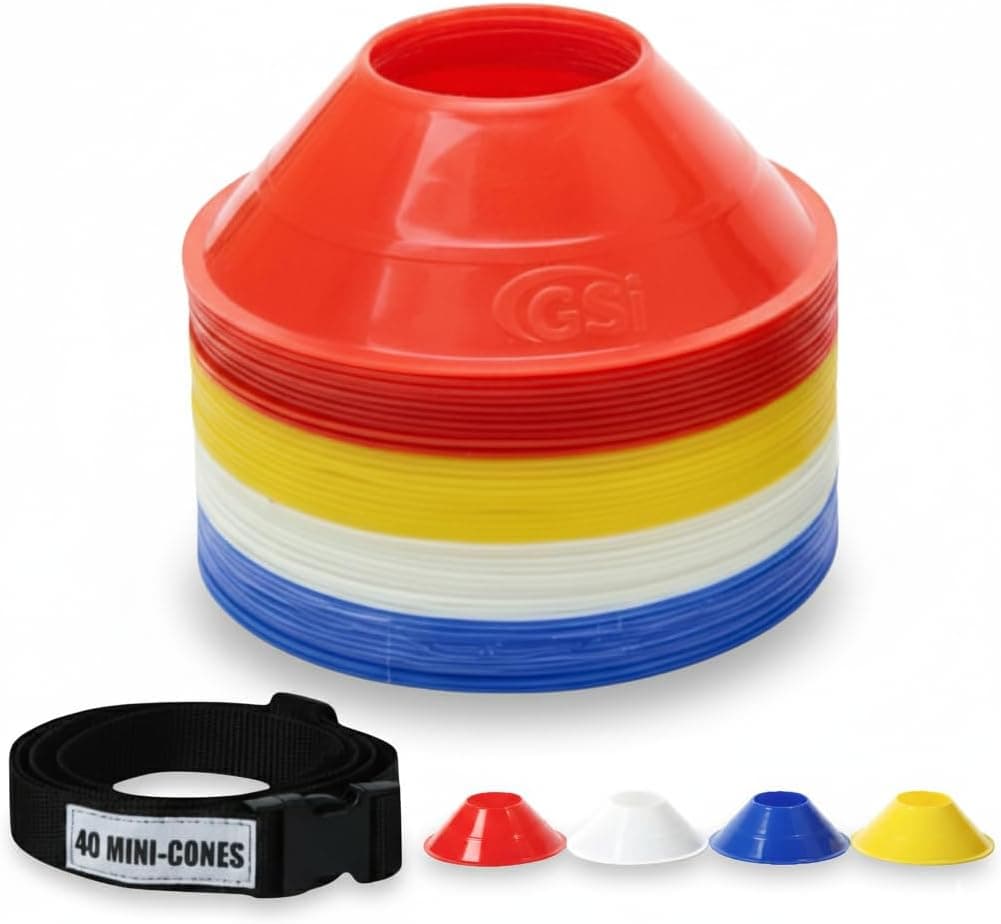
Disc Training Cones (Set of 40)
View on Amazon →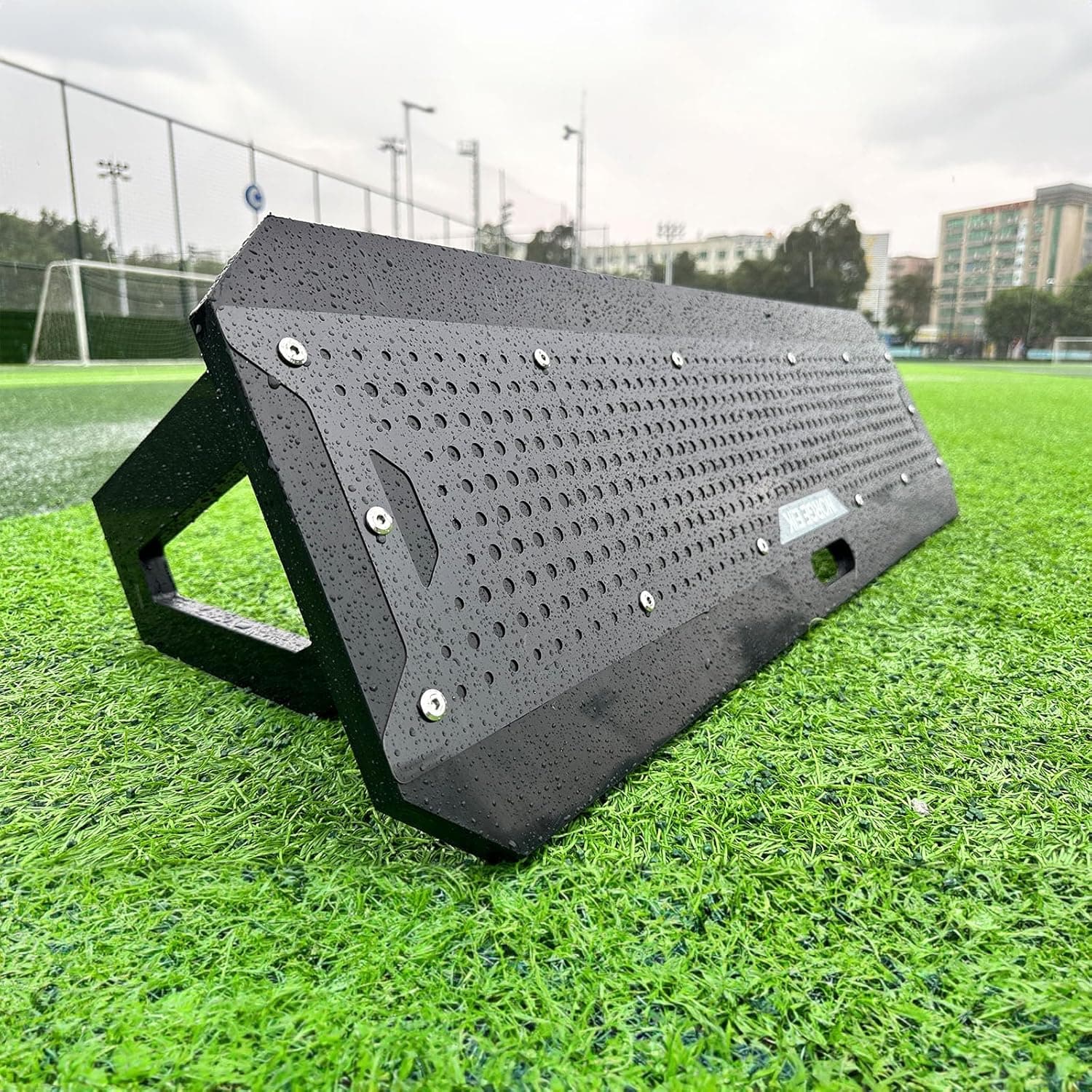
Soccer Rebounder
View on Amazon →As an Amazon Associate we earn from qualifying purchases, at no extra cost to you.