
Pre-Season Training at Home
December 17, 2025
Pre-Season Training at Home: Getting Ready for the Upcoming Season
The weeks before a new soccer season begins are some of the most valuable training time available to your child. Most kids show up to the first practice rusty, out of shape, and a step slow after weeks or months of inactivity. But it does not have to be that way. A few weeks of intentional pre-season home training can help your child arrive at the first practice sharper, fitter, and more confident than they have ever been on day one.
Think of pre-season training as a head start. While other kids are spending the first few weeks of the season shaking off rust, your child can hit the ground running. The difference is noticeable, and coaches always take note of the players who come in prepared.
When to Start Pre-Season Training
Ideally, begin your pre-season home training four to six weeks before the first team practice. This gives enough time to rebuild fitness, sharpen technical skills, and establish a training rhythm without rushing or overloading.
If you have less time, even two weeks of focused preparation is significantly better than nothing. The point is to enter the season with some momentum rather than starting from a dead stop.
The Three Pillars of Pre-Season Preparation
Pillar 1: Technical Sharpness
After time away from regular soccer, the first thing to deteriorate is touch. The ball feels slightly foreign. First touches are heavier than usual. Passes are a little off target. This is completely normal and resolves quickly with focused technical work.
Pre-season technical priorities:
- First touch: Wall passing with focus on clean receiving. Start slow and build speed. Aim for 100 quality touches per foot per session.
- Ball mastery: Cone weaves, sole rolls, inside-outside touches. These wake up the feet and rebuild the connection between brain, foot, and ball.
- Weak foot maintenance: Spend extra time on the non-dominant foot. This is often the skill that atrophies most during breaks.
- Juggling: Daily juggling sets help rebuild touch quickly. Track the count and watch it climb back toward pre-break levels.
Anytime Soccer Training has specific programs designed for getting back into soccer shape, which are perfect for the pre-season period. The progressive structure rebuilds skills systematically rather than throwing everything at your child at once.
Pillar 2: Soccer Fitness
Soccer fitness is different from general fitness. It requires a combination of aerobic endurance for sustained effort over a full game, anaerobic capacity for repeated sprints and high-intensity actions, and agility for quick changes of direction.
You do not need a complex fitness program for pre-season. Here are simple, effective approaches:
Aerobic base (weeks 1-3):
- Start with 15-20 minute jogs or bike rides three times per week
- Gradually increase duration to 25-30 minutes
- Keep the pace conversational, meaning your child should be able to talk while running
Soccer-specific fitness (weeks 3-6):
- Interval runs: 30 seconds hard, 60 seconds easy, repeat 8-10 times
- Shuttle runs: 10 yards out and back, 20 yards out and back, 30 yards out and back, with brief rest between sets
- Ball-at-feet fitness: dribble at moderate pace, sprint with the ball for 10 yards, jog, repeat. This combines fitness work with ball contact.
Agility work:
- Set up a small cone course and practice quick changes of direction
- Ladder drills if you have an agility ladder, or tape lines on the ground as a substitute
- React-and-sprint drills where a parent calls a direction and the child sprints that way
Pillar 3: Mental Preparation
The mental side of pre-season preparation is often overlooked but can make a significant difference in how your child starts the season.
Goal setting: Sit down with your child and set two or three specific, measurable goals for the upcoming season. Not outcome goals like score twenty goals, but process goals like use my weak foot in every game or communicate more on the field. Writing these goals down and posting them where your child can see them daily creates focus and intentionality.
Visualization: Spend a few minutes each day in the final week before the season starts visualizing successful play. See yourself making great touches, beating defenders, scoring goals, and playing with confidence. This primes the brain for performance.
Positive self-talk: Help your child develop a few positive affirmations they can use during games and training. Simple statements like I am prepared, I work hard, or I can handle this provide a mental anchor during challenging moments.
A Sample 4-Week Pre-Season Plan
Week 1: Rebuild the Foundation
- Monday: Ball mastery and first touch (15 min) plus light jog (15 min)
- Wednesday: Juggling and passing (15 min) plus light jog (15 min)
- Friday: Dribbling and shooting (15 min) plus light jog (15 min)
Week 2: Increase Intensity
- Monday: First touch and 1v1 moves (20 min) plus jog (20 min)
- Wednesday: Passing accuracy and shooting (20 min) plus jog (20 min)
- Friday: Full skill session from Anytime Soccer Training (20 min) plus intervals (15 min)
Week 3: Add Speed and Specificity
- Monday: Speed dribbling and moves (20 min) plus intervals (15 min)
- Wednesday: Passing and first touch under speed (20 min) plus shuttle runs (10 min)
- Friday: Shooting under fatigue (20 min) plus agility work (10 min)
- Saturday: Extended free play or pickup game (30-45 min)
Week 4: Game Readiness
- Monday: Full skill session combining multiple skills (25 min) plus fitness (15 min)
- Wednesday: Game simulation, position-specific work, set pieces (25 min) plus intervals (10 min)
- Friday: Light session, focus on confidence boosters and visualization. Goal setting conversation.
- Weekend: Ready for the first practice or game.
Equipment You Need
Pre-season home training requires minimal equipment:
- A soccer ball, ideally the same size used in games
- 6-10 cones or markers of any kind
- A wall or rebounder for passing work
- A goal or target area for shooting, even a fence with a marked target works
- Access to Anytime Soccer Training on a phone or tablet for structured sessions
- Running shoes for fitness work on days when cleats are not needed
Managing Pre-Season Expectations
A few important reminders as you begin pre-season training:
- Start easy and build up. Your child's body needs time to readjust to physical activity. Going too hard in week one risks injury and discouragement.
- Soreness is normal. After the first few sessions, some muscle soreness is expected. This is different from pain. Soreness resolves with rest and light activity. Pain needs attention.
- Skip days if needed. The plan is a guide, not a mandate. If your child is especially tired or sore, take an extra rest day. Consistency over weeks matters more than hitting every single session.
- Keep it positive. Pre-season should build excitement for the upcoming season, not dread. End every session on a positive note.
The First Practice Payoff
There is a distinct satisfaction in watching your child arrive at the first practice of the season and immediately stand out. While other kids are huffing and puffing and shanking passes, your child is moving with confidence, touching the ball cleanly, and looking like they have been playing all along, because they have.
Coaches notice. Teammates notice. And most importantly, your child notices. The confidence that comes from being prepared is powerful, and it sets a positive tone for the entire season ahead.
Give your child the gift of a head start. Start the pre-season training today, and watch them arrive at day one ready to compete.
Gear we use for this
The kit our own players train with at home.
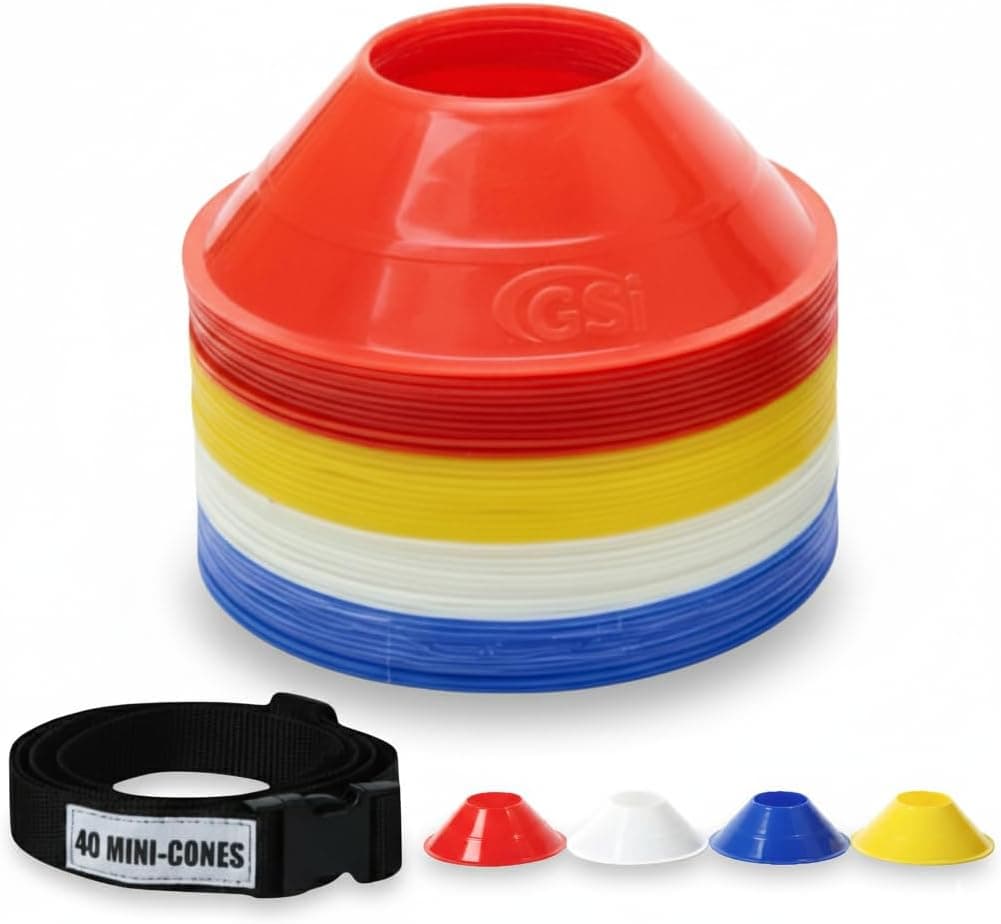
Disc Training Cones (Set of 40)
View on Amazon →
Adidas MLS Training Soccer Ball
View on Amazon →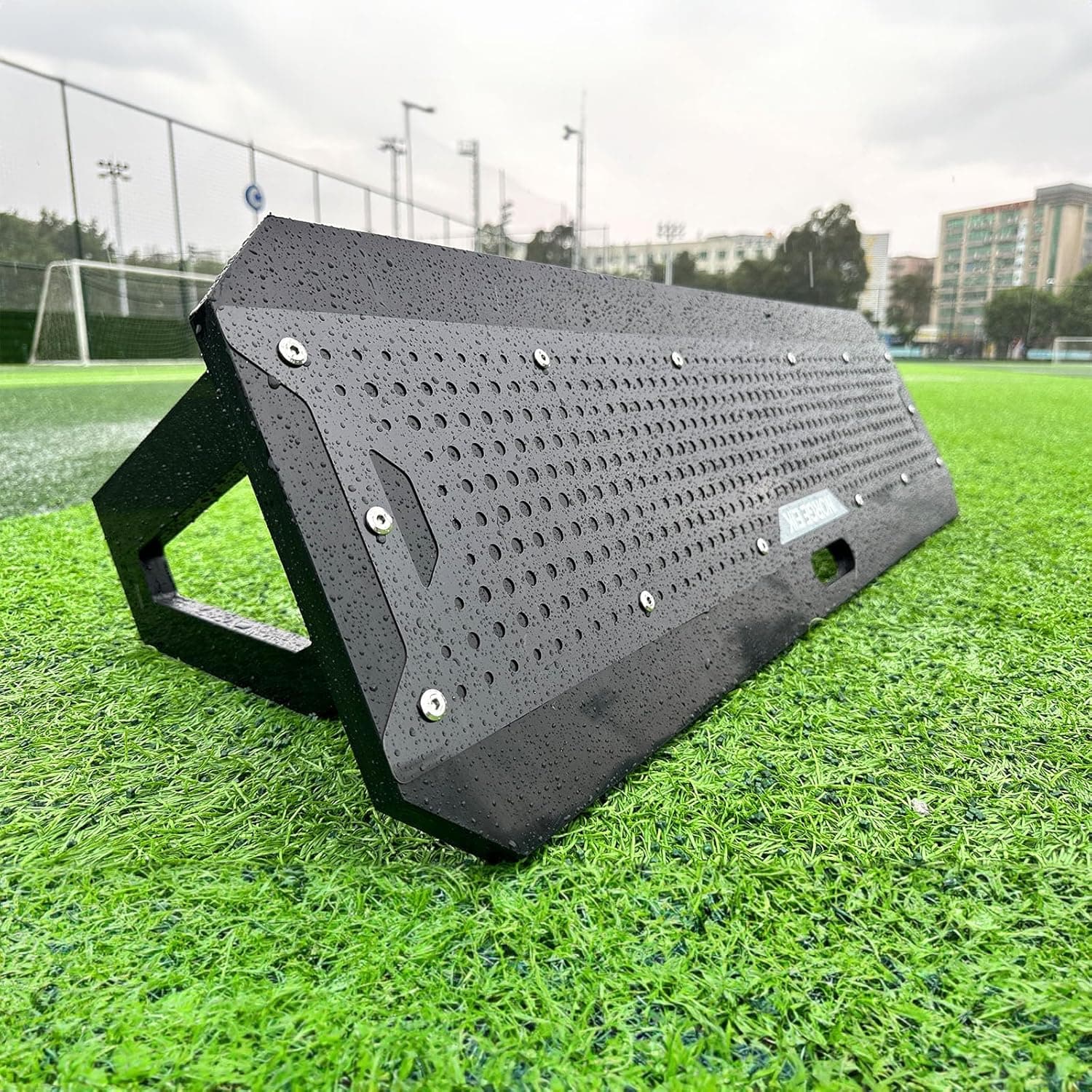
Soccer Rebounder
View on Amazon →As an Amazon Associate we earn from qualifying purchases, at no extra cost to you.