
Post-Season Reset Reconnecting with Your Child
November 1, 2025
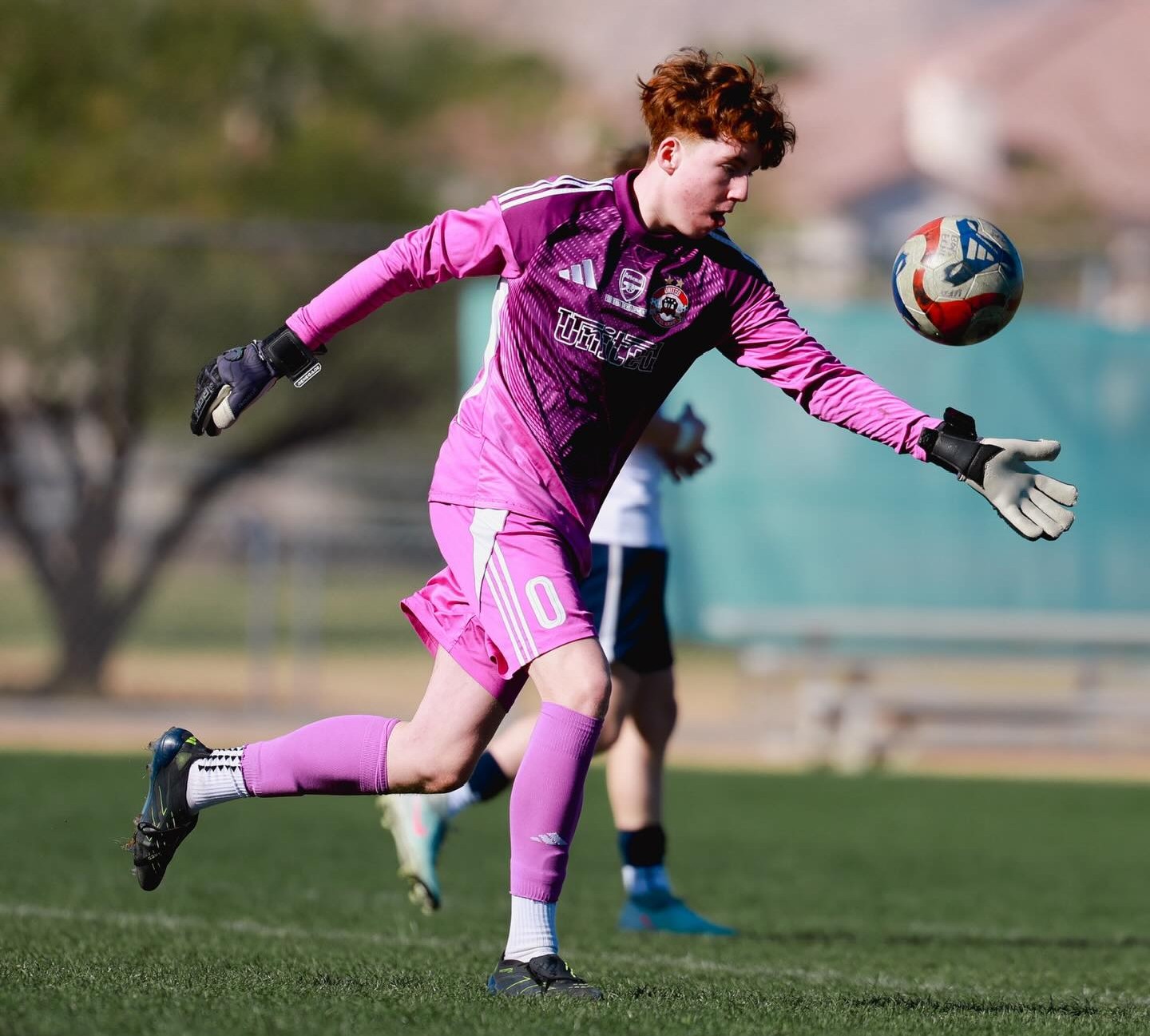
Post-Season Reset: Reconnecting with Your Child Through Soccer
The final whistle of the last game has blown. The season is over. Trophies have been handed out, team photos taken, and the minivan no longer smells permanently of shin guards and orange slices. For many soccer families, this moment brings a wave of relief but also an unexpected emptiness. The routine that dominated your weekends and weekday evenings for months has suddenly vanished.
As a soccer parent who has been through this cycle more times than I can count, I want to talk about something that rarely gets discussed in youth soccer circles: the post-season reset and why it matters for your relationship with your child far more than any trophy or tournament result ever could.
Why the Post-Season Period Is So Important
During the season, it is easy to get caught up in the grind. Practices two or three times a week, games every weekend, maybe a tournament thrown in for good measure. Your conversations with your child start revolving almost entirely around soccer. How was practice? Did coach say anything about the lineup? Make sure you pack your cleats tonight.
Without realizing it, many of us parents begin to relate to our children primarily through their sport. We become their taxi driver, their equipment manager, their sideline analyst. The relationship narrows, and both parent and child can feel the strain even if neither can articulate it.
The post-season reset is your chance to widen that lens again. It is an opportunity to remind your child and yourself that your love and interest in them extends far beyond the soccer field.
Step 1: Take a Genuine Break Together
I know this sounds counterintuitive, especially if you are reading this on a soccer training website. But hear me out. The first week or two after the season ends should be about decompression. Do not immediately launch into off-season training plans or start scouting next season's team.
Instead, do something completely unrelated to soccer with your child. Go hiking. Build something together. Cook a meal. Play a board game. Watch a movie they have been wanting to see. The goal is to re-establish that you are interested in them, not just their soccer performance.
When my oldest finished his first competitive season, I made the mistake of immediately pivoting to improvement mode. I started talking about what he needed to work on, pulled up YouTube tutorials, and mapped out a training schedule. His response? He did not want to touch a soccer ball for weeks. I had sucked the joy right out of it.
Step 2: Have a No-Pressure Conversation About the Season
After a few days of breathing room, find a relaxed moment to talk about the season. Not in the car right after the last game when emotions are high. Not at the dinner table with siblings listening. Find a quiet, one-on-one moment.
Ask open-ended questions and genuinely listen:
- What was your favorite moment from this season?
- Was there anything that was really hard for you?
- What do you want to do next with soccer and with other things?
- Is there anything you wish I had done differently as your parent this season?
That last question is a tough one to ask, but it can be incredibly revealing. Kids often have insights about our sideline behavior, our post-game comments, or our general intensity level that we are completely blind to. Be ready to listen without getting defensive.
Step 3: Let Them Lead the Return to Training
Here is where the magic happens. After a proper reset and this might take a week or it might take three, most kids who genuinely love soccer will start gravitating back to the ball on their own. They will kick it around the backyard. They will ask to go to the park. They will start watching soccer on TV with renewed interest.
When this happens, follow their lead. If they want to juggle in the backyard, join them. If they want to watch highlights and try to replicate moves, encourage it. If they say they want to get better at something specific, that is your opening to explore structured training options together.
This is where platforms like Anytime Soccer Training can be incredibly valuable. Instead of you being the one pushing drills and exercises, you can sit down with your child and explore training videos together. Let them pick what looks interesting. Let them choose the skills they want to work on. When the motivation comes from within, the results are dramatically better.
Rebuilding the Connection: Practical Ideas
The Weekly One-on-One
Establish a weekly tradition that has nothing to do with soccer. It could be as simple as a Saturday morning breakfast at a local diner or a walk around the neighborhood. The point is consistent, dedicated time where your child knows they have your full attention and soccer is not on the agenda.
The Shared Training Experience
When training does resume, make it a shared experience rather than a top-down directive. Instead of saying you need to work on your weak foot, try saying hey I saw this cool drill on Anytime Soccer Training and want to try it together because I bet I cannot do it either. Leveling the playing field makes training feel like bonding rather than homework.
Celebrate the Non-Soccer Wins
Make a conscious effort during the off-season to celebrate your child's achievements and interests outside of soccer. Did they get a good grade? Are they learning an instrument? Did they do something kind for a friend? These moments deserve at least as much enthusiasm as a well-placed goal.
The Long Game: Why This Matters for Their Soccer Future
Paradoxically, the parents who handle the post-season reset well often raise kids who go further in soccer. The reason is simple: burnout is the number one reason talented young players quit. And burnout is not just about physical overtraining. It is about emotional exhaustion from feeling like their entire identity and their parents' approval is tied to their soccer performance.
When kids know that their parents love them unconditionally, win or lose, good season or bad, they play with more freedom, more creativity, and more joy. They are more willing to take risks, try new skills, and push through difficult periods because failure does not feel catastrophic.
Signs Your Child Might Need a Longer Reset
Watch for these signals that your child might be experiencing some burnout or emotional fatigue:
- They actively avoid talking about soccer or next season
- They seem relieved rather than sad that the season is over
- They express interest in trying a different sport or activity
- They become irritable or anxious when training is mentioned
- Their grades or social life suffered significantly during the season
If you notice these signs, extend the reset period. There is no off-season training plan in the world that is worth sacrificing your child's love for the game.
Coming Back Stronger Together
The most rewarding seasons I have experienced as a soccer parent have always followed a genuine post-season reset. When my kids came back to training because they wanted to and not because I pushed them, the quality of their practice was on another level. They were focused, motivated, and happy.
One of the things I appreciate about Anytime Soccer Training is that it lets families ease back into training at their own pace. There is no rigid schedule and no pressure to keep up with teammates. Your child can pick up where they left off, explore new skills that interest them, and train in the comfort of home where the stakes feel low and the fun factor is high.
The post-season reset is not a luxury. It is a necessity. It is the bridge between one season and the next, and how you cross it with your child will shape not just their soccer journey, but your relationship for years to come.
Your Action Plan
- Week 1-2: Complete break from organized soccer. Focus on non-soccer bonding activities.
- Week 2-3: Have a relaxed conversation about the season. Listen more than you talk.
- Week 3-4: Follow your child's lead. If they gravitate back to the ball, join them.
- Week 4 and beyond: Explore structured but fun training together. Browse Anytime Soccer Training for ideas that excite your child.
Remember, the goal is not just to develop a better soccer player. It is to nurture a confident, resilient, happy young person who happens to love soccer. And that starts with the relationship you build during the quiet moments between seasons.
Gear we use for this
The kit our own players train with at home.

Adidas MLS Training Soccer Ball
View on Amazon →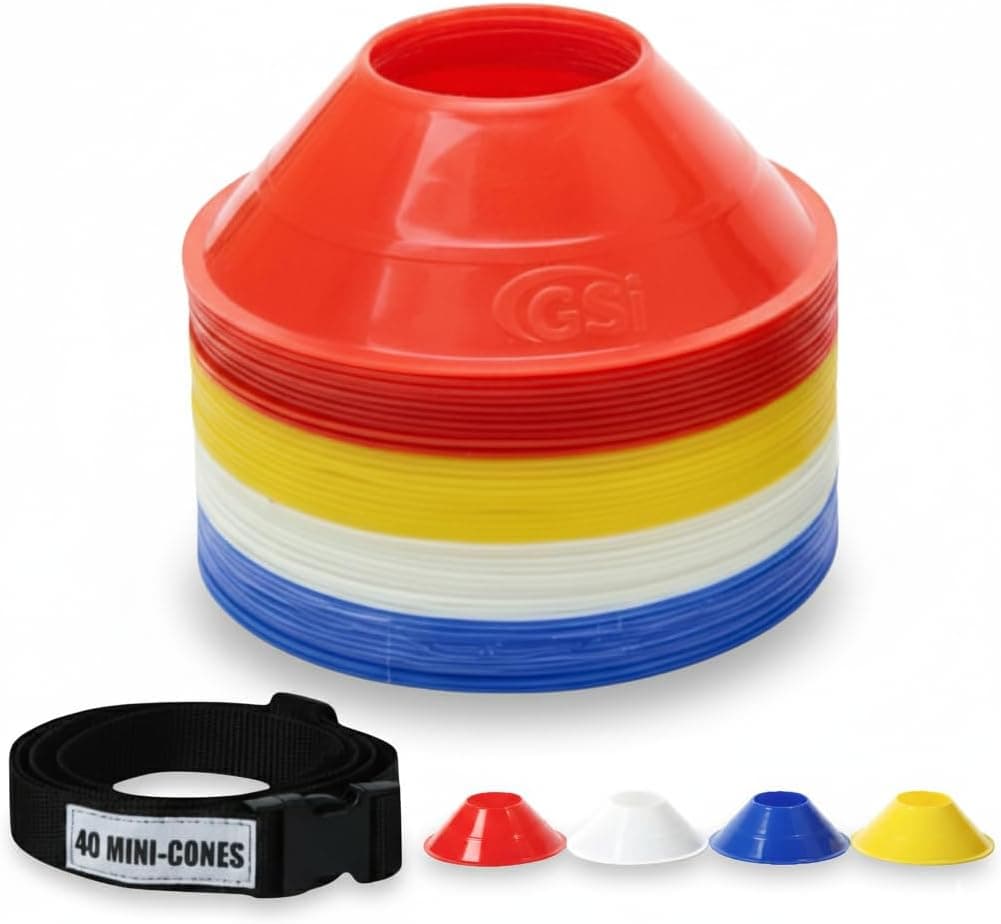
Disc Training Cones (Set of 40)
View on Amazon →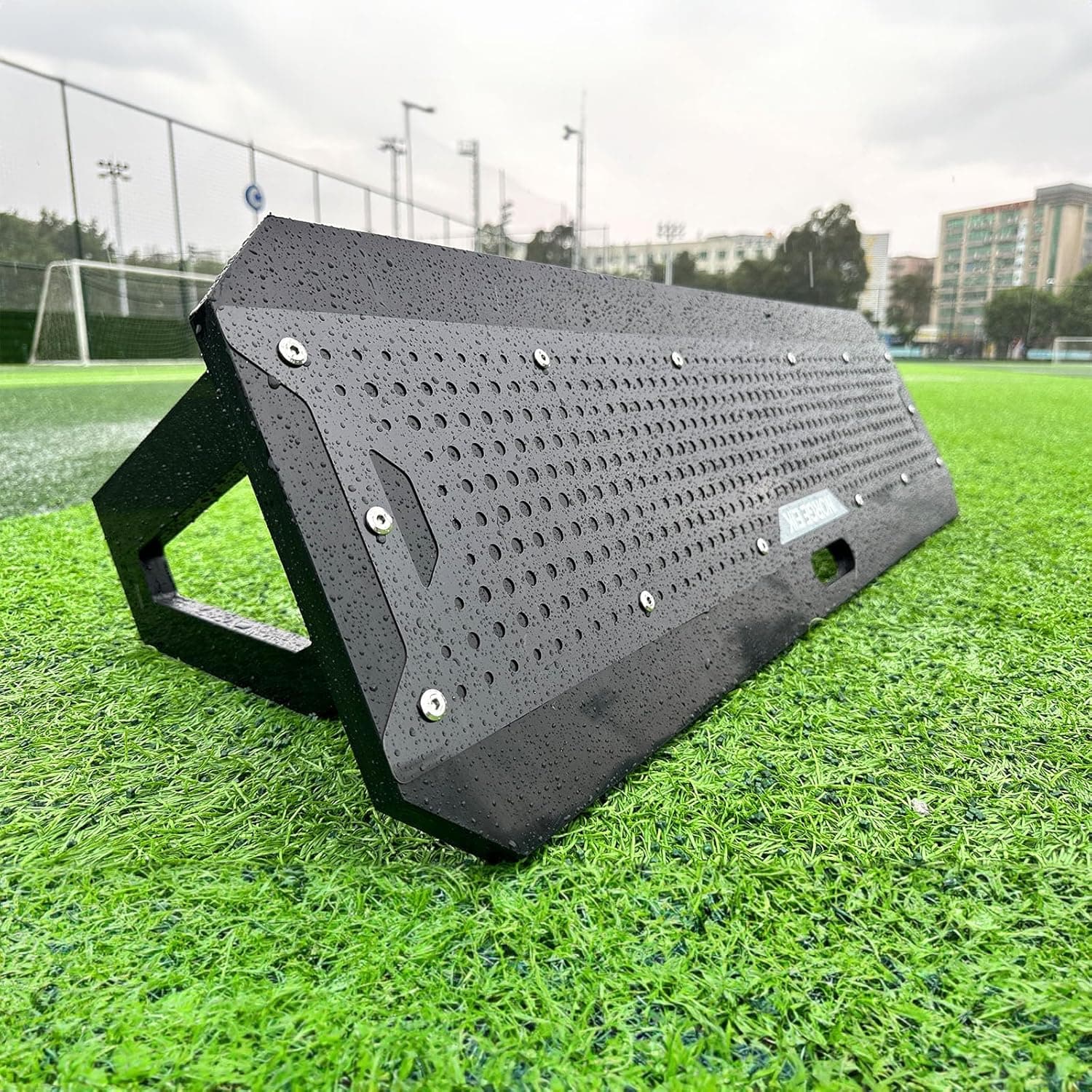
Soccer Rebounder
View on Amazon →As an Amazon Associate we earn from qualifying purchases, at no extra cost to you.