
Off-Season Training for U10s and U12s
December 3, 2025
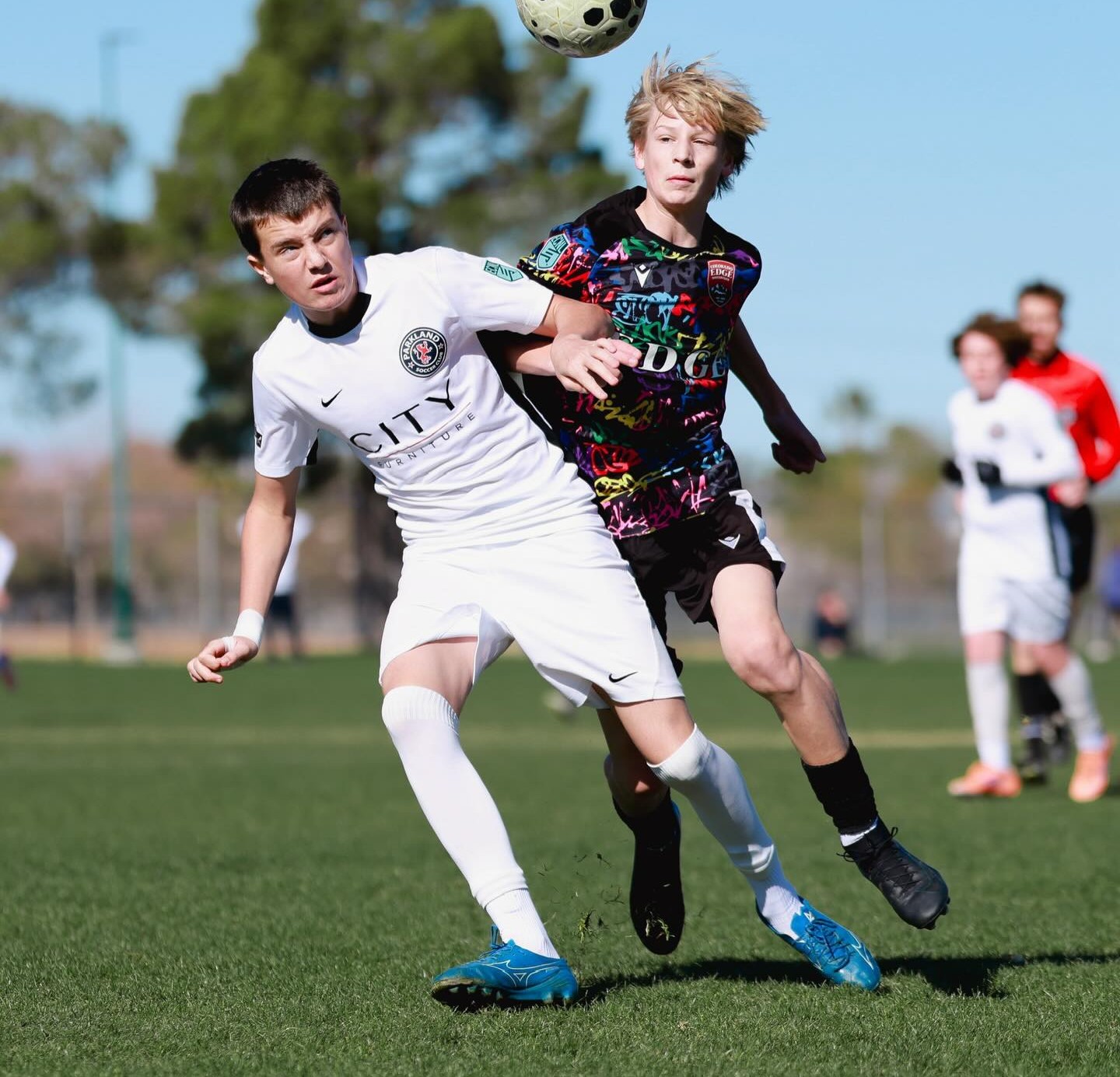
Why the Off-Season Is the Most Important Time for Young Soccer Players
Every year, the same thing happens. The fall season ends, the trophies get handed out, the team party wraps up, and suddenly your kid's soccer ball sits untouched in the garage for three months. Then spring tryouts roll around, and you watch your child struggle to do things that felt easy six months ago. Sound familiar?
I've been through this cycle more times than I'd like to admit with my two boys, now ages 10 and 12. And the lesson I've learned — sometimes the hard way — is that what happens during the off-season determines what happens during the season. Not the intensity of summer camps. Not the number of tournament weekends. The quiet, consistent work done when nobody's watching.
But here's where most parents get it wrong: off-season training for U10s and U12s shouldn't look like a miniature version of professional pre-season. It needs to be age-appropriate, fun, and sustainable. Let me walk you through what I've learned works — and what doesn't.
Understanding the Developmental Window
Kids between ages 8 and 12 are in what sports scientists call the "golden age of learning." Their neural pathways are forming rapidly, their coordination is improving by leaps and bounds, and they can absorb technical skills at a rate they'll never match again. This isn't hyperbole — it's backed by decades of research in motor learning.
The catch? These skills need regular reinforcement. A study published in the Journal of Sports Sciences found that young athletes who took extended breaks from skill-specific training experienced significant regression in technical ability, even when they maintained general fitness through other activities.
This doesn't mean your child needs to train every day. It means that some amount of consistent, focused ball work during the off-season will help them maintain and even build upon the skills they developed during the season.
The U10 Brain vs. The U12 Brain
It's worth noting that U10 and U12 players, while close in age, are in meaningfully different developmental stages. Understanding this can help you tailor off-season training appropriately.
U10 players (ages 8-10) are still primarily in the "learning to train" phase. Their attention spans are shorter, they respond best to game-like activities, and they're developing fundamental movement patterns. Off-season training for this age group should emphasize:
- Basic ball mastery (dribbling, turning, shielding)
- First touch development
- Coordination and agility through fun challenges
- Lots of free play and experimentation
U12 players (ages 10-12) are entering the "training to train" phase. They can handle slightly more structured sessions, begin to understand tactical concepts, and are ready to work on more advanced technical skills. Off-season focus areas include:
- Passing accuracy and weight
- Receiving under pressure
- Weak foot development
- Introduction to positional awareness
- Speed and agility training
Building an Off-Season Schedule That Actually Works
The biggest mistake I see soccer parents make during the off-season is treating it like the regular season. They try to maintain four or five training days per week, sign up for every clinic and camp available, and essentially give their kids no break at all.
The second biggest mistake is the opposite: doing absolutely nothing until the next season starts.
The sweet spot is somewhere in the middle, and it looks different depending on your child's age and situation. Here's what has worked for our family:
Phase 1: Active Rest (Weeks 1-3 After Season Ends)
For the first two to three weeks after the season, we take a deliberate break from structured soccer training. This doesn't mean my kids sit on the couch — they play other sports, ride bikes, play pickup games with friends in the neighborhood. The key is that none of it is organized or required.
This phase serves two purposes. First, it gives their bodies a chance to recover from the physical demands of the season. Second, and perhaps more importantly, it gives their minds a break. After months of practices, games, and tournaments, kids need time to miss the game.
Phase 2: Skill Maintenance (Weeks 4-8)
After the active rest period, we gradually reintroduce soccer-specific training. But the emphasis is on fun, self-directed skill work — not fitness or tactical training. This is where home training really shines.
During this phase, my boys typically do three to four short sessions per week, usually 15-20 minutes each. We follow guided programs on Anytime Soccer Training, which provides age-appropriate skill challenges that keep them engaged without overwhelming them. The beauty of this approach is that they can train whenever they want — before school, after homework, on weekends — and there's no pressure from coaches, teammates, or game results.
A typical week during this phase might look like:
- Monday: Ball mastery and dribbling moves (15 minutes)
- Wednesday: First touch and receiving (15 minutes)
- Friday: Shooting or passing against a wall (20 minutes)
- Weekend: Free play — pickup game, juggling challenge, or just messing around with the ball
Phase 3: Skill Building (Weeks 9 Through Pre-Season)
As the off-season progresses and the next season approaches, we gradually increase the intensity and frequency of training. During this phase, we might add a day, extend sessions to 25-30 minutes, and introduce more challenging drills.
This is also when we focus on specific areas for improvement. For my older son, that meant dedicated weak foot work last off-season. For my younger one, it was first touch under pressure. Having identified these focus areas during the season, the off-season gives us the time to address them without the distraction of games and results.
Practical Drills That Work for Off-Season Training
You don't need a full-size field, a team of players, or expensive equipment to run effective off-season training sessions. Here are some of our go-to activities for each age group:
For U10 Players
The Cone Weave Challenge: Set up five to seven cones in a line, about two feet apart. Have your child dribble through them as fast as they can while maintaining control. Time them and let them try to beat their personal best. This is simple, measurable, and inherently motivating for competitive kids.
Wall Ball: Find a wall (garage, school building, anything flat and sturdy) and have your child pass the ball against it, receiving it back with one touch. Start with their dominant foot, then switch to their weak foot. This is one of the single most effective drills for developing first touch, and it requires zero equipment beyond a ball and a wall.
Juggling Progression: Juggling is the ultimate ball mastery exercise. For U10s, start with simple goals: catch-juggle-catch sequences, working up to consecutive touches. Make it a daily challenge — "Can you beat yesterday's record?"
For U12 Players
Passing Accuracy Circuit: Set up targets against a wall (cones, water bottles, or chalk marks) at different heights and distances. Have your child work through a circuit, hitting each target with both feet. This develops passing accuracy, weak foot ability, and the kind of precision that transfers directly to game situations.
Dribble and Turn Series: In a 10x10 yard grid, practice a series of turns — Cruyff turn, inside cut, outside cut, drag back, step over. Do each turn five times with the right foot, five with the left, then combine them into a freestyle sequence. This builds a repertoire of moves that your child can draw from instinctively during games.
Speed Dribbling: Set up two cones 20-30 yards apart. Dribble from one to the other as fast as possible while maintaining close control. The emphasis is on pushing the ball out of feet at speed — a skill that separates good players from great ones at this age.
The Role of Other Sports
I'm a firm believer that the off-season is the perfect time for multi-sport participation. Playing basketball, swimming, running, or even martial arts develops athletic qualities that directly benefit soccer performance: agility, spatial awareness, hand-eye coordination, cardiovascular fitness, and mental toughness.
The data supports this too. A landmark study from the American Medical Society for Sports Medicine found that early sport specialization is associated with higher rates of overuse injury and, paradoxically, lower rates of long-term athletic success. Many of the world's best soccer players — from Zlatan Ibrahimovic to Megan Rapinoe — played multiple sports as children.
So don't feel guilty if your child wants to play basketball or swim during soccer's off-season. Encourage it. The soccer-specific skills can be maintained through short, focused home training sessions while their overall athleticism grows through varied sports experiences.
Keeping It Fun: The Non-Negotiable Rule
If there's one thing I want you to take away from this article, it's this: off-season training must be fun. The moment it becomes a chore, you've lost. At these ages, your child's relationship with soccer is still forming. Every positive experience adds a deposit to the "I love this game" bank account. Every negative experience — every forced practice, every guilt trip about missed sessions, every comparison to "what the other kids are doing" — makes a withdrawal.
This is one of the reasons I've become such a fan of platforms like Anytime Soccer Training for off-season work. The sessions are designed to be engaging and achievable. My kids can see their progress, unlock new challenges, and feel a sense of accomplishment — all without the pressure of a coach or a competitive environment.
Measuring Progress Without Pressure
It's natural to want to see results from off-season training. But be careful about how you measure and communicate progress. At U10 and U12, the metrics that matter aren't goals scored or games won — they're things like:
- Can they juggle more times than they could last month?
- Is their weak foot more comfortable than it was?
- Are they trying new moves and skills?
- Are they choosing to train on their own, without being asked?
That last one is the real gold standard. When your child voluntarily picks up a ball and starts practicing, you know you've gotten the off-season right.
A Simple Tracking Method
We keep a simple training journal — nothing fancy, just a notebook where the boys jot down what they worked on and any personal bests. My younger son tracks his juggling record. My older son tracks how many times he can hit a target on the wall out of ten attempts. These small data points give them tangible evidence of improvement and keep motivation high.
Setting Up for Spring Success
The players who show up to spring tryouts sharp, confident, and ready to compete are almost always the ones who did consistent off-season work. Not excessive work. Not burnout-inducing work. Just steady, enjoyable, skill-focused training that kept the rust off and built new abilities.
If you start now — even with just 15 minutes three times a week — your child will be in a dramatically different position when the next season kicks off. And the best part? They'll have fun doing it.
So grab some cones, find a wall, pull up a training session on Anytime Soccer Training, and let your young player keep growing. The off-season doesn't have to be a gap. It can be a launchpad.
Gear we use for this
The kit our own players train with at home.
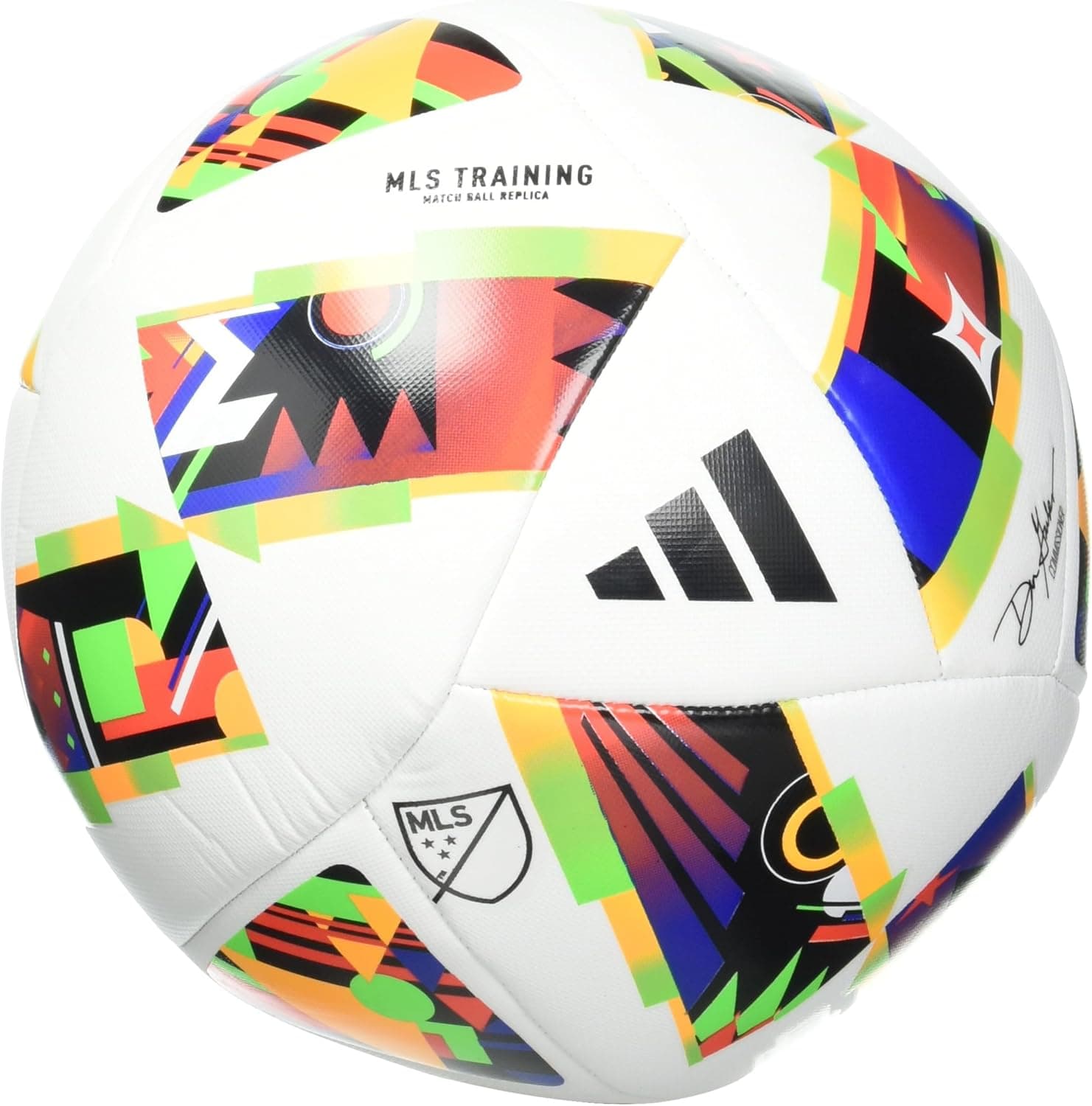
Adidas MLS Training Soccer Ball
View on Amazon →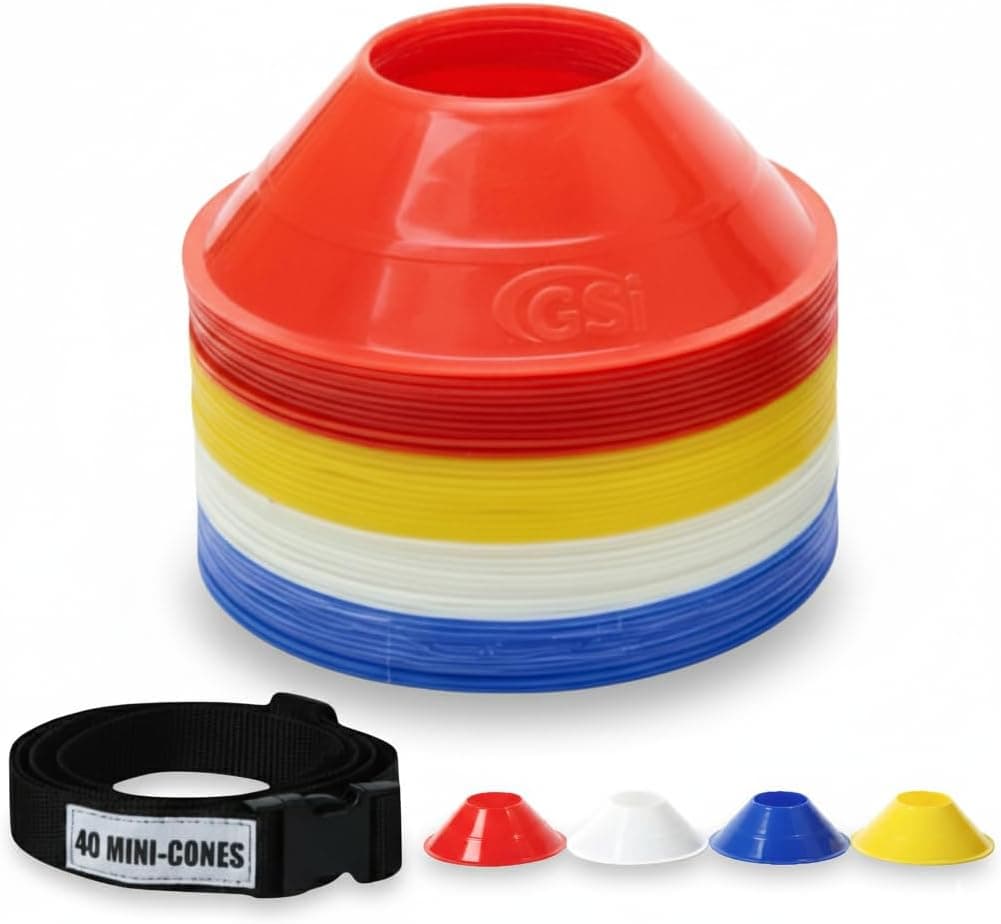
Disc Training Cones (Set of 40)
View on Amazon →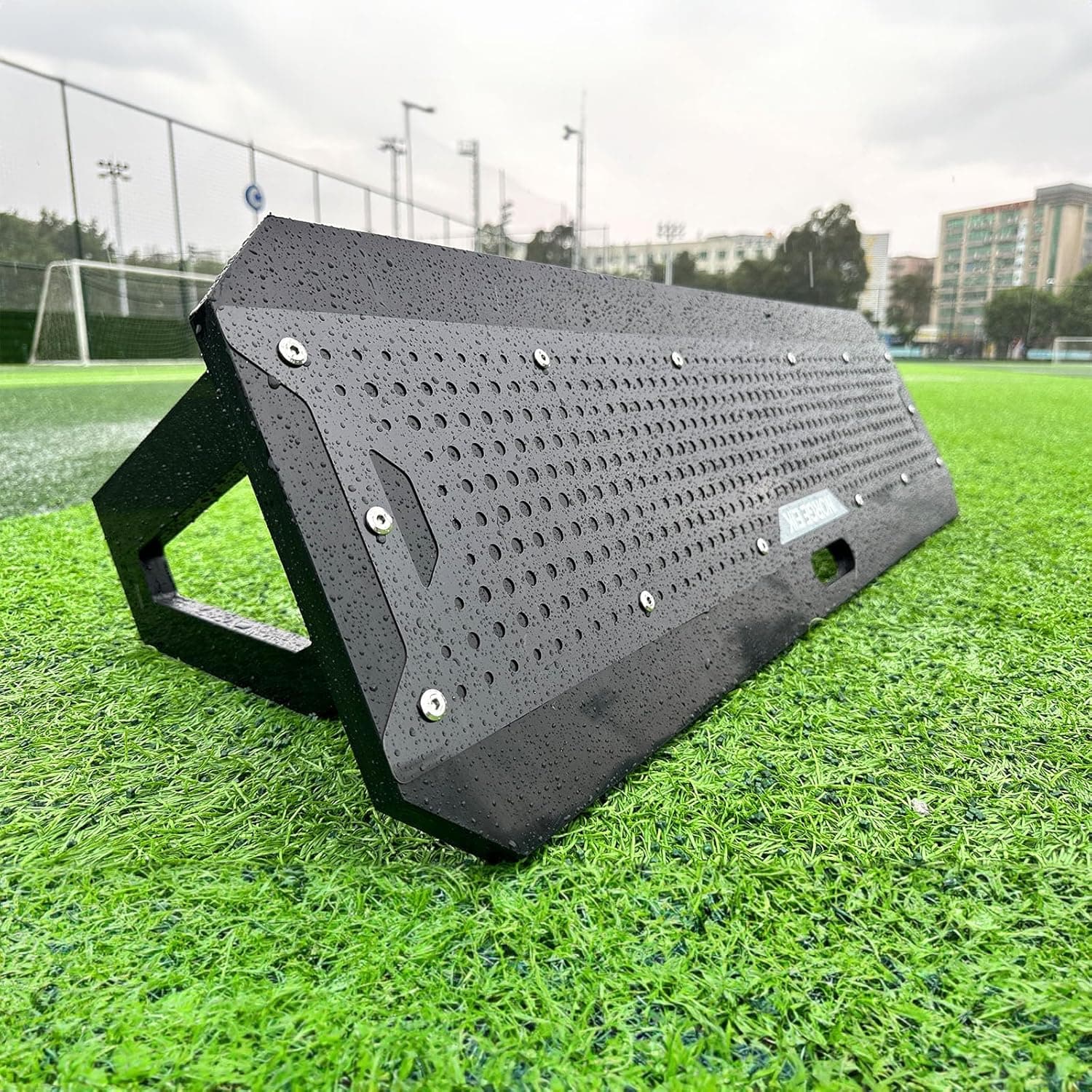
Soccer Rebounder
View on Amazon →As an Amazon Associate we earn from qualifying purchases, at no extra cost to you.