
Off-Season Training Don't Let Skills Slip
January 24, 2026
The Silent Skill Drain
It happens so gradually that you might not notice until it's too late. The season ends. Your child takes a well-deserved break. One week passes, then two, then four. They play other sports, hang out with friends, enjoy the freedom of a lighter schedule. All perfectly healthy and normal.
Then the new season starts, and something feels off. The first touch that was crisp in October is clumsy in February. The dribbling moves that were instinctive have become hesitant. The comfort on the ball — that hard-won feeling of the ball being an extension of their foot — has faded.
This is skill regression, and it's one of the most frustrating phenomena in youth soccer development. Skills that took months to build can deteriorate in weeks of inactivity. And the longer the break, the more significant the regression.
The Science of Skill Regression
To understand why skills slip during the off-season, we need to revisit how skills are built in the first place. When your child practices a soccer skill, their brain builds and reinforces neural pathways through a process called myelination. The more they practice, the thicker the myelin coating on those pathways, and the faster and more reliable the skill becomes.
But myelination isn't a permanent one-way process. Neural pathways that aren't regularly activated begin to lose their myelin coating over time. It's the neurological equivalent of a path through the woods: if nobody walks on it for a while, the vegetation starts to grow back.
For young athletes, who are still in the process of building these pathways, the regression can be particularly pronounced. Their neural infrastructure is less established than an adult's, which means it both builds faster (good news) and decays faster (the challenge we're addressing here).
Research from motor learning scientists has shown that complex motor skills show measurable decline after just two to three weeks of inactivity. After six to eight weeks — a typical off-season — the regression can be significant enough to require weeks of retraining just to get back to the previous level.
The Off-Season Maintenance Minimum
The good news is that preventing skill regression requires far less effort than building skills in the first place. You don't need to maintain a full training schedule during the off-season. You just need to keep the neural pathways active with a minimal but consistent level of stimulation.
Research suggests that as few as two to three focused sessions per week, at 15-20 minutes each, is sufficient to maintain technical skills during a break. That's roughly one-third of a typical in-season training volume, and it's enough to keep the myelin intact on the key neural pathways.
Think of it like keeping a fire going. During the season, you're building a blazing bonfire. During the off-season, you don't need to keep the bonfire roaring — you just need to keep the embers glowing so you can reignite quickly when the new season starts.
What to Focus On During Maintenance Training
Off-season maintenance sessions should focus on the skills that are most vulnerable to regression and most important for your child's game:
Ball Mastery
The complex coordination patterns involved in ball mastery — toe taps, sole rolls, inside-outside touches, foundation moves — are among the first skills to regress because they require precise, repeated neural pathway activation. A five-minute ball mastery routine at the start of each maintenance session keeps these pathways firing.
First Touch
First touch quality is directly tied to the volume of receiving repetitions. Without regular wall work or passing practice, the touch loses its crispness. Include three to five minutes of wall passing in every session.
Juggling
Juggling requires a complex combination of balance, timing, touch, and coordination. It's one of the purest measures of ball feel, and it regresses noticeably during breaks. Include juggling in every maintenance session, even if it's just a few minutes.
Weak Foot
The weak foot, which typically has less myelination than the dominant foot, is especially vulnerable to regression. Any weak foot gains made during the season can disappear quickly without maintenance. Dedicate a portion of each session to weak foot work.
The Maintenance Training Plan
Here's a simple three-session-per-week maintenance plan that takes 15-20 minutes per session:
Session A: Ball Mastery and Juggling
- Ball mastery warm-up (5 minutes): toe taps, sole rolls, inside-outside, V-pulls
- Foundation moves (5 minutes): step-over, Cruyff, drag-back, scissors — both feet
- Juggling (5 minutes): attempt personal best, include weak foot attempts
Session B: Wall Work and First Touch
- Two-touch wall passing, right foot (3 minutes)
- Two-touch wall passing, left foot (3 minutes)
- One-touch wall passing, alternating (3 minutes)
- Receive and turn (3 minutes)
- Volley control (3 minutes)
Session C: Dribbling and Weak Foot
- Cone dribbling, both feet (5 minutes)
- 1v1 moves against cones (5 minutes)
- Weak foot ball mastery (3 minutes)
- Weak foot juggling (2 minutes)
These sessions can be followed using guided programs on Anytime Soccer Training, which offers specific maintenance-level sessions perfect for off-season use. The platform ensures proper structure and progression even at reduced training volume.
Beyond Maintenance: Using the Off-Season to Get Ahead
While maintenance prevents regression, the off-season also presents an opportunity to actually improve. With no games to prepare for and no tactical demands from team training, the off-season is the perfect time for focused skill building.
If your child is motivated and enjoys training, consider bumping up to four to five sessions per week and targeting a specific area for improvement:
- Weak foot development: With no game-day pressure to use the strong foot, the off-season is ideal for dedicated weak foot work.
- New moves and skills: Learn that elastico, master that rainbow flick, develop that outside-of-the-foot pass.
- Ball mastery speed: Work on executing familiar ball mastery routines at faster and faster speeds.
- Juggling milestones: Set a juggling goal for the off-season and work toward it daily.
The players who return from the off-season not just maintaining their skills but having improved them gain a significant competitive advantage. While their peers are spending the first weeks of the new season getting back to where they were, these players are already ahead.
Balancing Rest and Training
I want to be clear: the off-season should include genuine rest. Your child needs physical recovery, mental decompression, and time to miss the game. A two-to-three-week complete break at the start of the off-season is healthy and important.
The maintenance training kicks in after that initial rest period. And even during the maintenance phase, keep the volume and intensity low. These aren't competitive training sessions — they're gentle skill maintenance activities that should feel more like play than work.
The balance we've found in our family:
- Weeks 1-2 after season ends: Complete break from soccer. Play other sports, rest, have fun.
- Weeks 3-6: Maintenance level — three sessions per week, 15 minutes each. Fun, low-pressure, self-directed.
- Weeks 7+: Gradual ramp-up — four to five sessions per week, 15-20 minutes. Start targeting specific skills for improvement.
- Final 3-4 weeks before new season: Full training volume. Sharpen skills, build fitness, prepare for tryouts or the first game.
The Emotional Side of Off-Season Training
For some kids, the off-season break from organized soccer is a relief. For others, it's an identity crisis — soccer is such a big part of who they are that not having games and practices feels disorienting.
Home training during the off-season serves an emotional purpose for these kids. It maintains their connection to the sport, gives their days structure, and provides a sense of purpose and progress even in the absence of team activity.
If your child is one of these soccer-obsessed kids, giving them access to a training platform like Anytime Soccer Training during the off-season is like giving them a lifeline. They can continue developing, continue challenging themselves, and continue feeling like a soccer player even when the team isn't together.
Coming Back Strong
The first day of the new season is always revealing. You can immediately see which players maintained their skills and which ones let them slip. The players who did even minimal off-season work move with confidence and fluidity. Those who took a complete break look rusty and uncertain.
Don't let your child be in the second group. A tiny investment of time — three sessions per week, 15 minutes each — is all it takes to protect months of development. That's less than an hour per week. Less time than a single Netflix episode. A tiny price to pay for maintaining the skills your child worked so hard to build.
The off-season doesn't have to mean regression. With a simple maintenance plan, it becomes a period of preservation and even growth. Keep those embers glowing, and when the new season arrives, your child will be ready to ignite.
Gear we use for this
The kit our own players train with at home.

Adidas MLS Training Soccer Ball
View on Amazon →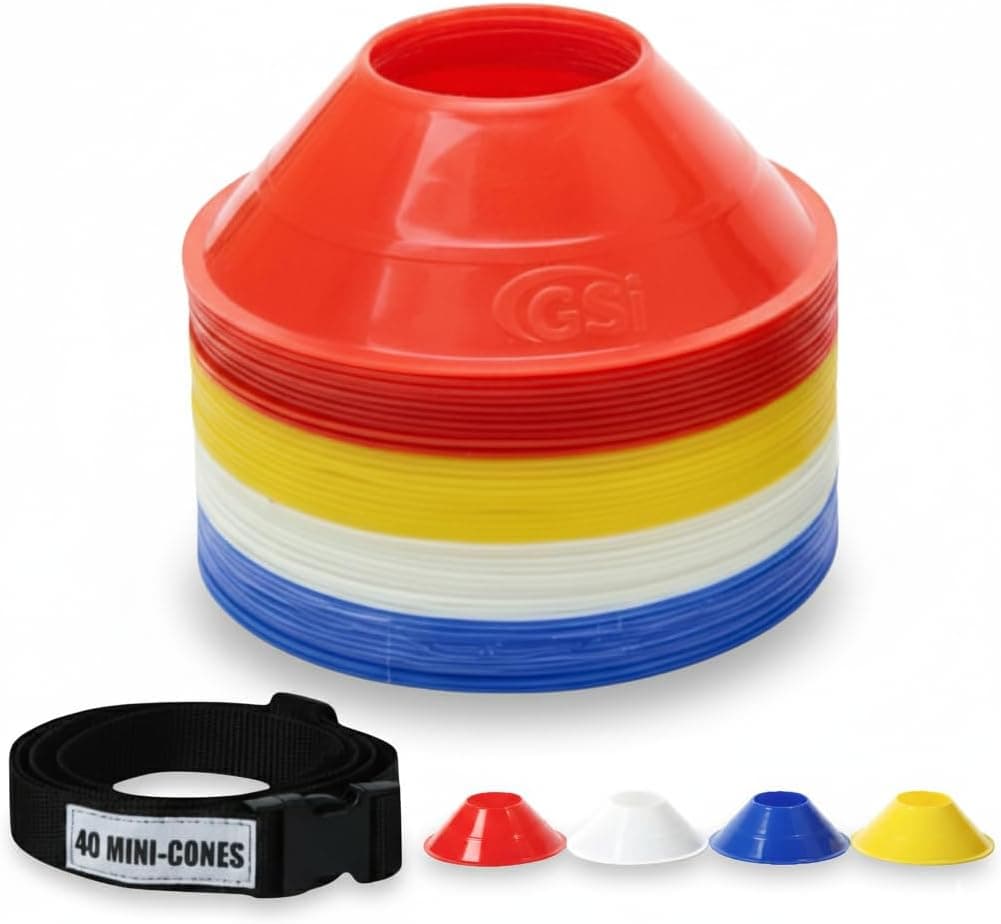
Disc Training Cones (Set of 40)
View on Amazon →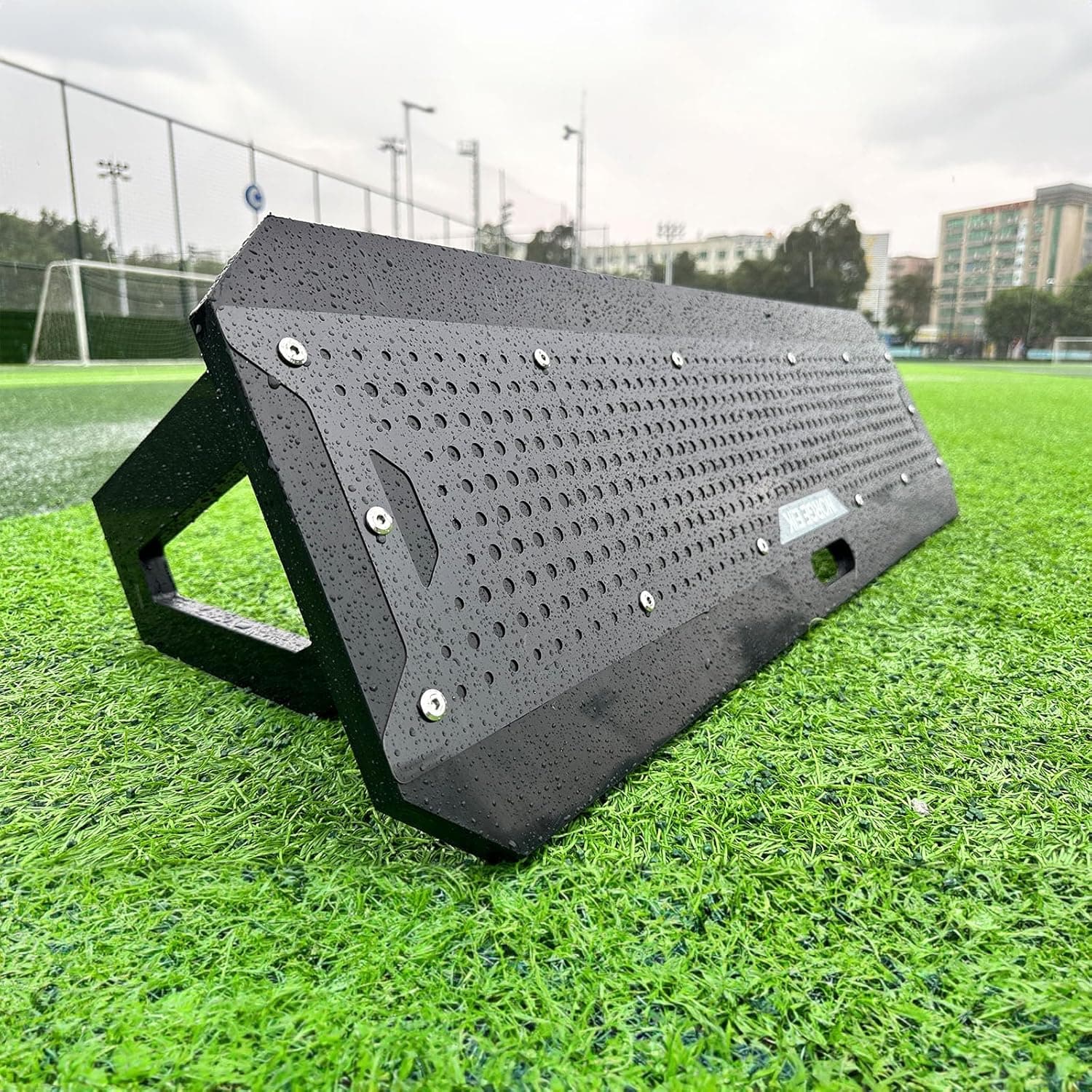
Soccer Rebounder
View on Amazon →As an Amazon Associate we earn from qualifying purchases, at no extra cost to you.