
Navigating Club Changes When and How to Switch
December 21, 2025
Navigating Club Changes: When and How to Switch
Few decisions in youth soccer cause parents more anxiety than the decision to switch clubs. It is a big move that affects your child's friendships, their coaching, their competition level, and your family's schedule and finances. And it is a decision that is often made under emotional pressure, after a frustrating season, a conflict with a coach, or the allure of a shinier program down the road.
Having gone through two club changes with my own kids and counseled numerous friends through the same process, I want to share a thoughtful framework for when switching makes sense, when it does not, and how to handle it if you decide to make the move.
Valid Reasons to Consider Switching Clubs
Coaching Quality Has Declined or Is Inadequate
This is the most legitimate reason to consider a change. A coach who is not developing players, who plays favorites without any developmental rationale, who creates a negative or toxic environment, or who simply lacks the knowledge to coach at your child's level is a genuine barrier to development.
Before deciding to leave over coaching, consider these questions:
- Have you talked to the coach directly about your concerns? Many coaching issues can be resolved through open communication.
- Is the issue with one specific coach or with the club's coaching philosophy overall? If it is one coach, can your child move to a different team within the same club?
- Are other parents seeing the same issues, or is your perception colored by your child's specific experience?
The Competitive Level Does Not Match Your Child
If your child has outgrown their current competitive level and is not being challenged, their development will stagnate. Conversely, if they are significantly overmatched and spending most of their time frustrated and on the bench, the competitive level might be too high.
The ideal environment is one where your child is challenged but not overwhelmed. They should be competing against players who are slightly better than them, as this forces growth without crushing confidence.
The Club Culture Is Unhealthy
Some clubs have cultures that prioritize winning over development, especially at young ages. If your child is being benched for the sake of winning games at age nine, or if the sideline behavior of coaches and parents is creating a stressful environment, that is a legitimate reason to look elsewhere.
Logistical Factors Have Changed
Sometimes a move, a schedule change, or financial circumstances make the current club impractical. Driving 45 minutes each way to practice four times a week is not sustainable for most families, and the stress and time cost outweigh the developmental benefits.
Bad Reasons to Switch Clubs
Your Child Is Not Getting Enough Playing Time
Before switching over playing time, ask honest questions. Is your child truly being treated unfairly, or are there players on the team who are legitimately more advanced? Has your child put in the extra work outside of practice to earn more time? Have you had a direct conversation with the coach about what your child needs to do to earn more minutes?
Running to a new club where your child will start does not develop them. Training harder so they earn the time at their current club does. This is where home training through Anytime Soccer Training can make a real difference. Instead of switching to a weaker team where your child starts by default, invest in their development so they earn the time at a higher level.
Another Club Made Promises
Be very cautious about clubs that recruit by making promises about playing time, team placement, or development outcomes. Good clubs will not guarantee specific outcomes because they know development depends on many factors. If a club is promising your child the starting spot or a place on the top team, that should be a red flag rather than a reason to switch.
Chasing Friends
Kids want to play with their friends, and that is understandable. But switching clubs because a friend moved is usually not a sound developmental decision. Your child will make new friends on any team, and the social landscape of youth soccer shifts constantly.
Knee-Jerk Reaction to a Bad Season
One bad season is not a reason to switch. Bad seasons happen. Coaches have off years. Teams go through slumps. Evaluate the overall trajectory over multiple seasons before making a decision based on a single disappointing stretch.
How to Evaluate a Potential New Club
If you have decided that a switch is warranted, here is how to evaluate your options:
- Watch training sessions. Any reputable club will allow you to observe practice before committing. Watch how coaches interact with players. Is the environment positive? Is there individual skill development or just scrimmaging? Are all players engaged or are some standing around?
- Talk to current parents. Not the club's handpicked references, but random parents on the sideline. Ask about coaching quality, communication, culture, and whether their child is developing.
- Ask about the coaching philosophy. Is the club prioritizing development or results at young ages? What is their approach to playing time? How do they handle players who are struggling?
- Evaluate the logistics. Practice location, schedule, fees, tournament commitments, and required travel. Make sure the new club is sustainable for your family's lifestyle.
- Consider the transition period. Switching clubs involves a social and developmental adjustment period. Your child will need to build new relationships, learn a new system, and earn trust from new coaches. This takes time and can temporarily feel like a step backward before it becomes a step forward.
How to Handle the Transition
If you decide to switch, handle it with class and professionalism:
- Finish the current season. Unless there is a truly toxic situation, complete your commitment to the current team. Leaving mid-season hurts your child's teammates and burns bridges unnecessarily.
- Have a direct conversation. Tell the current coach in person that you are moving on. You do not need to give a detailed explanation, but courtesy requires a direct conversation rather than just disappearing.
- Help your child process the change. Switching clubs means leaving friends and familiarity. Acknowledge that this is hard. Let your child feel sad about what they are leaving while being excited about what is ahead.
- Set realistic expectations. The new club will not be perfect. There will be an adjustment period. Prepare your child for the reality that it takes time to settle into a new team environment.
The Constant Through Any Club Change: Home Training
Here is something important that many families overlook: clubs change, coaches change, teams change, but your child's individual development is the constant. The skills they build through home training travel with them wherever they go. A strong first touch, reliable passing, creative dribbling, and a confident mentality are portable assets that make your child valuable to any team at any club.
This is why I always encourage families to invest heavily in home training regardless of their club situation. A platform like Anytime Soccer Training provides consistent, high-quality skill development that is not dependent on any particular coach, team, or club. It is your child's personal development engine that keeps running no matter what is happening with their team situation.
If you are in the middle of a club change, maintain or increase the home training during the transition. It gives your child confidence going into the new environment and ensures that the disruption of switching clubs does not interrupt their individual skill development.
Final Thoughts
Switching clubs is a significant decision that should be made thoughtfully, not reactively. Evaluate your reasons honestly. Explore all options at your current club first. If a switch is truly warranted, do your homework on the new club, handle the transition with integrity, and keep investing in your child's individual development throughout the process.
The right club can accelerate your child's growth. The wrong one can slow it down. But in both cases, the biggest factor in your child's long-term development is the work they put in on their own, at home, with a ball at their feet.
Gear we use for this
The kit our own players train with at home.

Adidas MLS Training Soccer Ball
View on Amazon →
Disc Training Cones (Set of 40)
View on Amazon →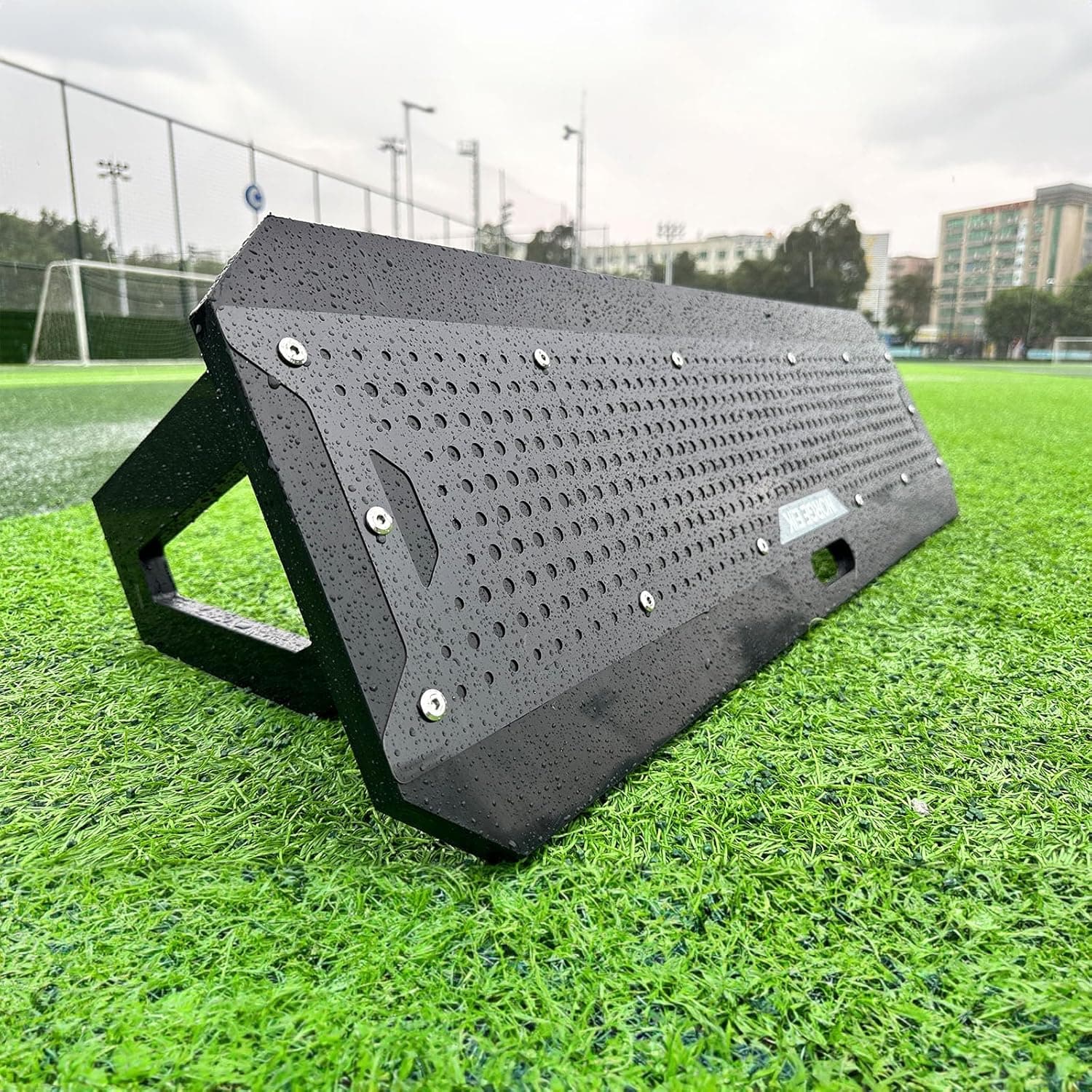
Soccer Rebounder
View on Amazon →As an Amazon Associate we earn from qualifying purchases, at no extra cost to you.