
My Biggest Regret as a Soccer Parent
February 22, 2026

My Biggest Regret as a Soccer Parent
If I could go back and change one thing about my approach as a soccer parent, it wouldn't be the club I chose, the coach I trusted, or the money I spent. My biggest regret is simpler and more painful than any of those: I waited too long to start home training.
For years, I assumed that team practice was enough. My son had two practices a week with his club, plus games on weekends. That's plenty of soccer, right? He was in a good program with good coaches. What more could he need?
What I didn't understand — and what I wish someone had told me — is that team practice develops team skills, not individual skills. In a 90-minute practice with 16 kids, each player might get 100-150 meaningful touches on the ball. That's not nearly enough repetition to build the kind of ball mastery, first touch, and dribbling ability that separates players as they get older. The kids who were pulling ahead of my son weren't more talented — they were doing extra work at home that I didn't know about.
The Years I Can't Get Back
My son started playing organized soccer at age six. He was enthusiastic, athletic, and had a good soccer brain. For the first few years, that was enough. He was one of the better players on his rec team and held his own when he moved to club at age eight.
But between ages eight and eleven, something happened that I didn't understand at the time. Some of his teammates started pulling away from the pack. Their touch was cleaner. Their dribbling was tighter. Their confidence on the ball was higher. My son was still good, but he was no longer among the best on his team. The gap widened each season.
I rationalized it. "Those kids are just more talented." "He'll catch up when he hits his growth spurt." "He's more of a team player than an individual skills player." Every excuse was a way of avoiding the uncomfortable truth: those kids were doing extra work, and my son wasn't.
I found out later that several of the top players on his team were training at home daily. Some had parents who played college soccer and could guide them. Others used training apps or private coaches. They weren't putting in massive hours — maybe 15-20 minutes a day — but the compound effect of that daily practice was creating a gap that widened with every passing month.
By the time my son was twelve and preparing for high school, the gap was significant. Players who had been his equals at age eight were now clearly ahead of him technically. He made the JV team but not the varsity team he'd hoped for. And while he eventually made varsity as a junior, I can't help thinking about how much further ahead he'd be if we'd started home training when the developmental window was wide open — between ages six and twelve.
What I Wish I'd Known
Here are the specific things I wish someone had told me when my son was six or seven years old:
- Team practice is not enough for individual development. Two practices a week with a full team provides maybe 200-300 meaningful ball touches per week. Research suggests that developing ball mastery requires thousands of touches. The gap has to be filled at home.
- The developmental window between ages 6-12 is critical. This is when the brain is most receptive to learning motor skills. Skills learned during this window become deeply automatic. After puberty, the learning process is slower and less efficient. Every month of home training during this period is worth more than a month of training at age 15.
- 15 minutes a day is transformative. I used to think that meaningful training required an hour or more. It doesn't. Fifteen minutes of focused daily practice — ball mastery, dribbling, wall passing — accumulates over 90 hours in a year. That's hundreds of thousands of additional ball touches. The compound effect is staggering.
- You don't need to be a soccer expert. I didn't do home training partly because I felt unqualified to coach my son. But you don't need to be a coach — you just need to provide the environment and the tools. Platforms like Anytime Soccer Training provide professional instruction via video. Your child follows along with a qualified coach on screen. Your role is simply to set it up, encourage, and participate where possible.
- The kids who make it aren't necessarily more talented — they've done more work. Talent exists, but at the youth level, the difference between players is more often about volume of practice than innate ability. The "talented" kids on my son's team were the ones putting in extra time at home. Their advantage wasn't genetic — it was earned through consistent, daily ball work.
What I'd Do Differently
If I could go back to when my son was six years old, here's exactly what I'd do:
- Start a daily ball mastery routine immediately. Ten minutes a day of toe taps, sole rolls, inside-outside touches, and basic dribbling. Make it as routine as homework. Not as a chore, but as a fun daily ritual — maybe before dinner or while watching TV.
- Use a structured training platform from the beginning. Instead of guessing what to practice, I'd use something like Anytime Soccer Training to provide age-appropriate, progressive sessions that my son could follow on his own. This would have removed the pressure of me needing to be the instructor and ensured he was building skills in the right order.
- Keep it short and fun. I'd resist the temptation to do hour-long sessions. Short, daily, enjoyable sessions build habits that last. Long, occasional, grinding sessions build resentment.
- Track progress to build motivation. A simple calendar where my son marks each training day, plus a juggling record tracker, would have created a sense of accomplishment and momentum that sustains the habit.
- Start the weak foot early. My son is still predominantly right-footed at seventeen. If we'd spent even five minutes a day on left-foot work starting at age six, he'd be comfortably two-footed by now. That's a competitive advantage that's nearly impossible to develop later.
The Good News: It's Not Too Late
If you're reading this and your child is still in that golden developmental window (ages 6-12), you have an incredible opportunity. The window is open right now, and every day of home training capitalizes on it. Don't wait like I did. Don't assume team practice is enough. Don't tell yourself you'll start next season.
Start today. Literally today. Get a ball, find a small space, pull up an Anytime Soccer Training session, and do 10-15 minutes. Tomorrow, do it again. The day after, again. Within a month, it'll be a habit. Within three months, you'll see improvement. Within a year, the transformation will be undeniable.
If your child is older — thirteen, fourteen, fifteen — it's still valuable to start home training. The developmental window for motor learning narrows after twelve, but it doesn't close entirely. Improvement is always possible. It just takes more effort and more time than it would have at eight or nine.
A Note to Parents of Younger Kids
If you have a child under eight who's just starting soccer, you're in the best possible position. You have the full developmental window ahead of you. Here's my advice, born from the regret of not knowing this earlier:
- Let them play multiple sports. Don't specialize in soccer yet.
- But DO start a daily ball-touching habit. Even five minutes of playing with a ball at their feet, every day, builds a foundation that will pay dividends for years.
- Make it play, not practice. At this age, there should be zero pressure and zero structured drilling. Just a kid and a ball, having fun.
- When they're ready (usually around age seven or eight), introduce a structured program like Anytime Soccer Training. Start with the beginner modules and let them progress at their own pace.
- Be consistent. The magic isn't in any single session — it's in the accumulation of daily touches over months and years.
The Regret That Became a Mission
My regret about waiting too long has turned into a mission: helping other parents avoid the same mistake. That's why I write these articles. That's why I share our family's experience openly, including the parts that are uncomfortable.
You can't go back in time. But you can start today. And if you start today and stay consistent, you'll look back in a year and be grateful that this was the day you decided to act. Don't let another season pass while assuming team practice is enough. Give your child the gift of daily home training, and watch what happens.
My biggest regret as a soccer parent is the time I wasted. Don't make it yours.
Gear we use for this
The kit our own players train with at home.

Adidas MLS Training Soccer Ball
View on Amazon →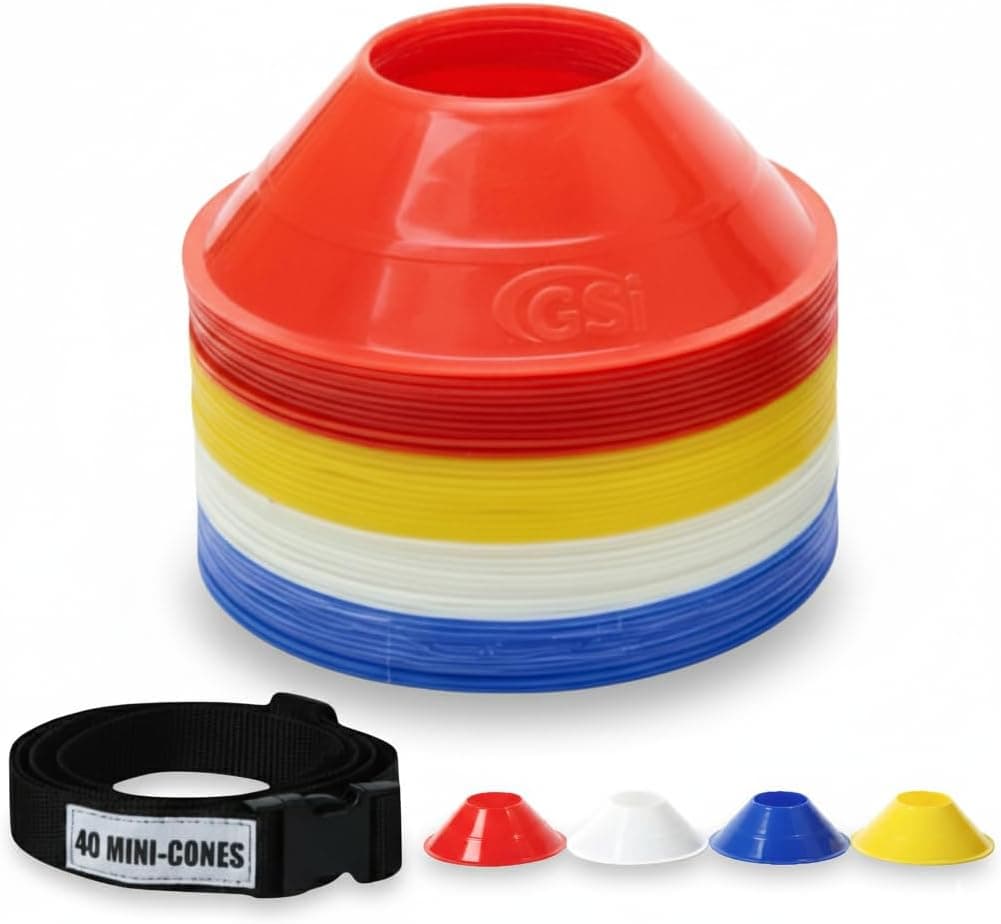
Disc Training Cones (Set of 40)
View on Amazon →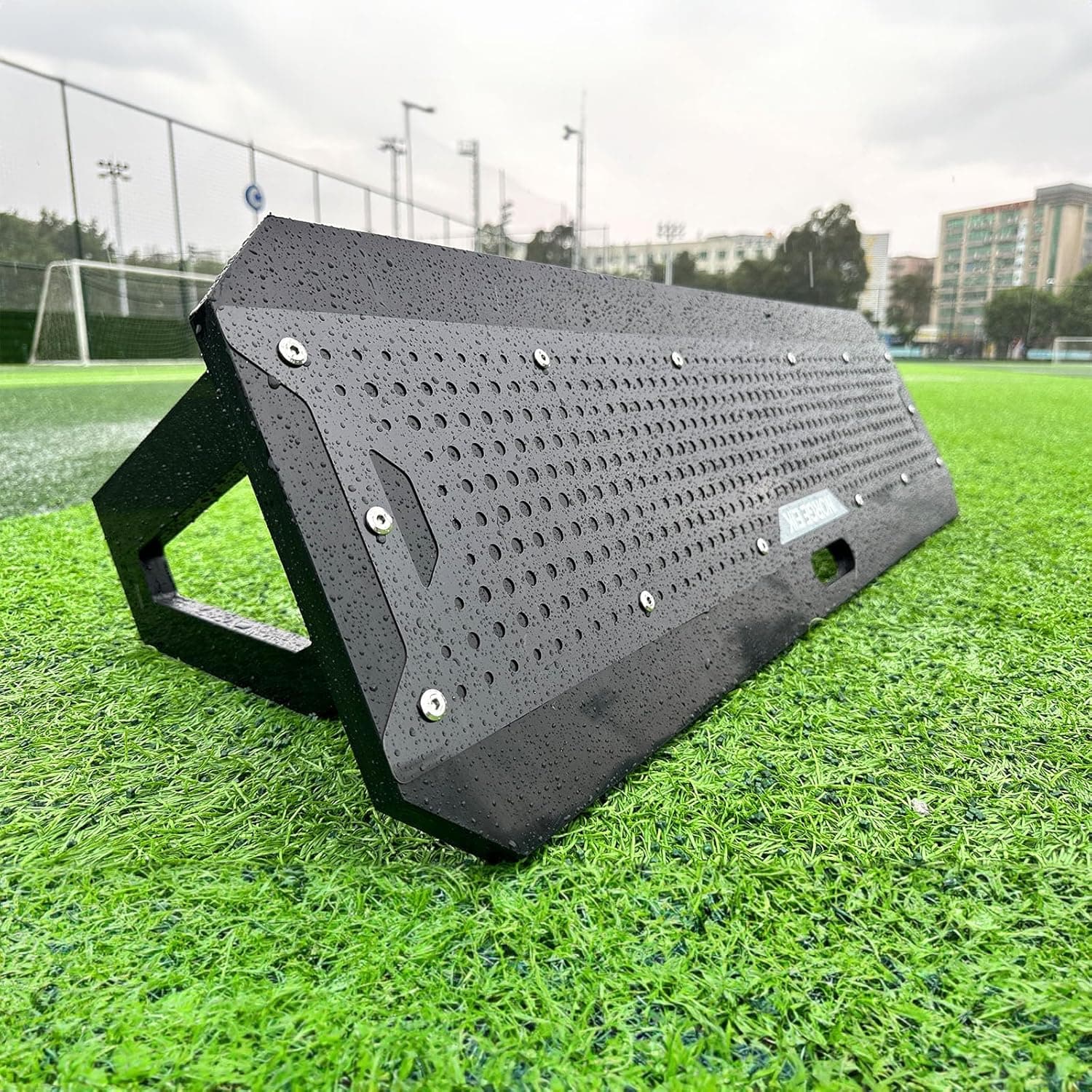
Soccer Rebounder
View on Amazon →As an Amazon Associate we earn from qualifying purchases, at no extra cost to you.