
How to Motivate Your Child to Practice Soccer at Home
February 1, 2026
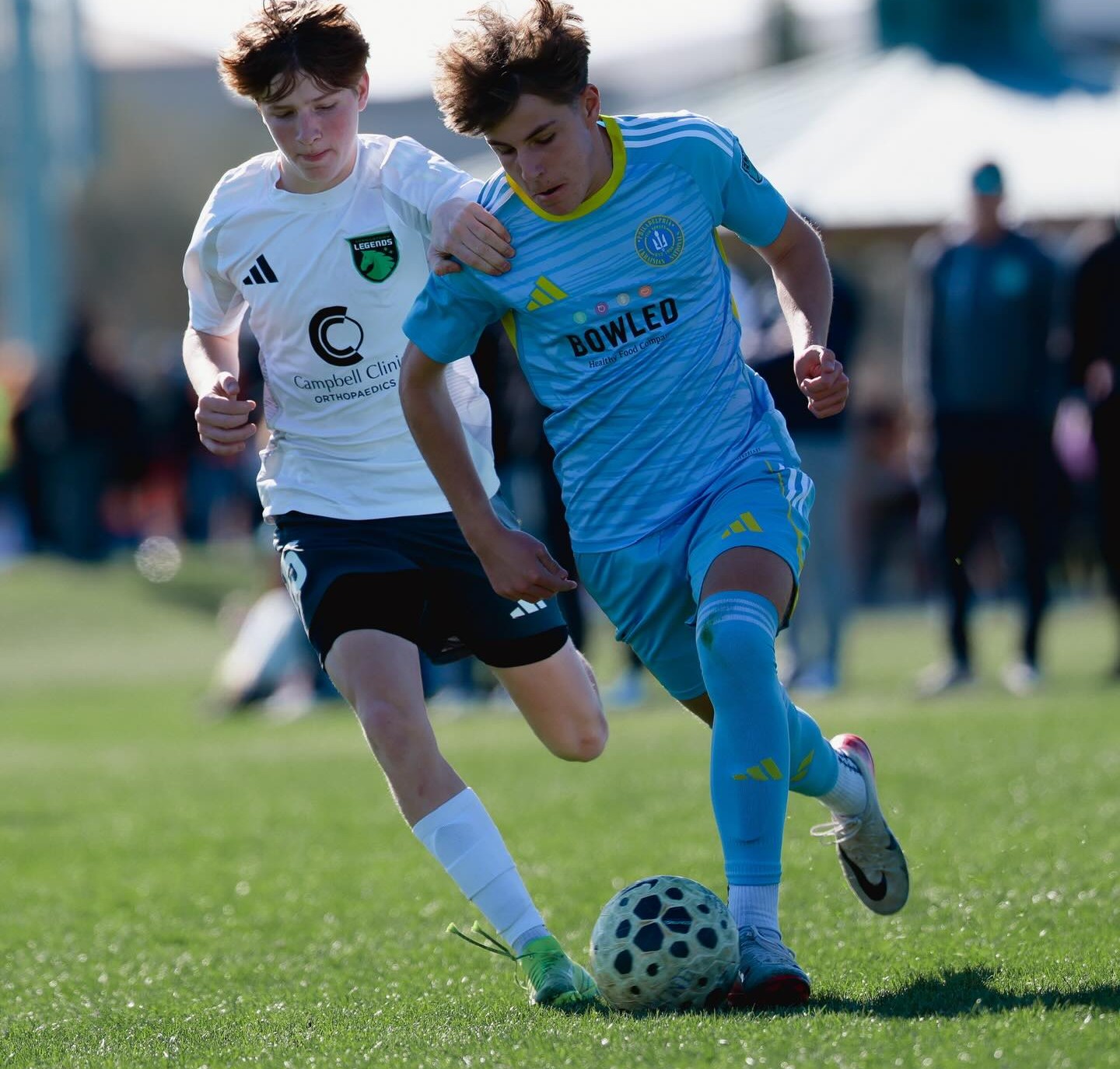
How to Motivate Your Child to Practice Soccer at Home
If you have ever tried to get your child to practice soccer at home, you know the struggle. You buy the cones, set up a little area in the yard, and say something like, "Come on, let's go work on your dribbling!" only to be met with a blank stare or an eye roll. Trust me, I have been there more times than I can count. But over the past few years, I have figured out three strategies that genuinely work, and I want to share them with you because they changed everything for our family.
Why Home Training Matters More Than You Think
Before I get into the strategies, let me explain why home training is so important. Most youth soccer teams practice two or three times a week for about an hour each session. That sounds like a lot, but when you break it down, your child might only touch the ball for a few minutes during each practice. The rest of the time is spent standing in lines, listening to instructions, or waiting for their turn.
Home training flips that equation entirely. Even just fifteen minutes of focused, individual practice at home gives your child more ball touches than an entire team session. Over the course of a month, that adds up to hundreds or even thousands of extra touches. And those extra touches are what separate the kids who improve rapidly from the ones who stay at the same level season after season.
I remember talking to my son's coach after a tournament and asking him what the biggest differentiator was between the kids who made the select team and those who did not. His answer was simple: "The kids who train at home are the ones who improve. Period." That stuck with me.
Strategy 1: Make It a Routine, Not a Request
The single biggest mistake I made early on was treating home training like a favor I was asking my son to do. I would say things like, "Do you want to go practice?" or "Can we do some drills today?" And of course, the answer was almost always no. What kid is going to voluntarily choose drills over video games or hanging out with friends?
The game changer was making training part of our daily routine, just like brushing teeth or doing homework. We picked a specific time every day, right after school and before screen time, and that became our training window. It was not up for debate. It was just what we did.
Here is the key though: keep it short. We started with just ten minutes. That is it. Ten minutes of focused ball work, and then he was free to do whatever he wanted. The short duration made it feel manageable rather than overwhelming, and over time, something amazing happened. He started asking to go longer. Some days we would end up out there for thirty or forty minutes because he was having fun and wanted to keep going.
Tips for building the routine:
- Pick a consistent time each day that works for your family schedule
- Start with just ten minutes and let your child naturally extend it
- Treat it as non-negotiable, like homework or chores
- Use a visual calendar or chart where your child can mark off training days
- Celebrate streaks to build momentum and a sense of accomplishment
Strategy 2: Let Them Choose What They Work On
This one was a revelation for me. I used to plan out every training session in advance. I would watch YouTube videos, write down drills, and show up with a clipboard like I was coaching a professional team. And my son hated it. He felt like he was at another practice, and the whole point of training at home was supposed to be different.
When I started letting him choose what we worked on, everything changed. Some days he wanted to practice shooting. Other days he wanted to work on his juggling record. Sometimes he just wanted to play one-on-one in the yard. And that was all fine because any training is better than no training.
This does not mean you have to completely give up structure. What I found works best is offering choices within a framework. I might say, "Today we're going to do fifteen minutes. Do you want to work on dribbling moves or first touch?" He feels like he has control, but we are still covering the skills he needs to develop.
Platforms like Anytime Soccer Training are perfect for this because they have a huge library of follow-along sessions organized by skill. Your child can literally scroll through and pick what looks fun to them that day. It takes the pressure off you to plan everything and gives your child ownership of their development.
Strategy 3: Connect Training to Their Goals
Kids are motivated by things they care about, not things their parents care about. So instead of saying, "You need to practice so you make the travel team," try asking your child what they want to achieve in soccer. You might be surprised by the answer.
My son told me he wanted to be able to do a rainbow flick in a game. Was that the most important skill for his development? Probably not. But it was what he was excited about, and that excitement was the fuel that kept him coming back to train every day.
We spent a few weeks working on the rainbow flick, and during that time, he was also improving his ball control, his touch, and his coordination without even realizing it. When he finally pulled it off in a game, the look on his face was priceless. And more importantly, he had built a habit of daily training that carried over to everything else.
Here is how to connect training to goals:
- Have a conversation about what your child wants to achieve, not what you want for them
- Break big goals into smaller milestones that feel achievable
- Track progress visually so they can see improvement over time
- Celebrate small wins along the way to maintain motivation
- Revisit goals regularly and let them evolve as your child grows
What to Do When Motivation Dips
Even with these strategies, there will be days when your child does not want to train. That is completely normal. The key is to have a plan for those low-motivation days rather than just skipping the session entirely.
On days when my son was dragging his feet, I would scale way back. Instead of a full session, we might just juggle for five minutes or play a quick game of one-on-one. The goal was simply to maintain the habit, even if the intensity was lower. Consistency beats intensity every single time.
Another thing that works incredibly well is training with a friend. If your child has a teammate or neighbor who also plays soccer, invite them over for a joint training session. Kids are much more motivated when they have someone to compete with and show off for. Some of our best training sessions happened when my son's friend came over and they tried to outdo each other with skills and tricks.
The Role of Technology in Home Training
I will be honest, I was skeptical about using apps and online platforms for soccer training at first. I thought it was just another screen for my kid to stare at. But I was wrong. The right technology can be a massive motivator because it provides structure, variety, and accountability that most parents cannot create on their own.
Anytime Soccer Training has been a game changer for us because the sessions are led by professional coaches and designed specifically for young players to follow along at home. My son puts on a session, follows the coach through the drills, and gets a great workout without me having to plan or demonstrate anything. It freed me up to just be encouraging rather than playing coach, which improved our relationship during training.
The platform also tracks progress and offers challenges, which taps into that competitive motivation that so many young athletes have. My son loves trying to beat his previous records and unlock new achievements. It turns training into something that feels more like a game than a chore.
Real Results From Consistent Home Training
I want to close with some real results because I think it is important for parents to see what is possible. When my son started training at home consistently, he was one of the weaker players on his team. His coach was kind about it, but the message was clear: he needed to improve his individual skills.
After about three months of daily ten to fifteen minute sessions at home, the improvement was noticeable. His first touch was cleaner, his dribbling was more confident, and he was making plays in games that he never would have attempted before. His coach pulled me aside and asked what we had been doing differently.
After six months, he was one of the strongest players on his team. After a year, he made the select team that he had been cut from the previous season. And I genuinely believe the biggest factor was those small, consistent training sessions at home.
The three strategies I shared, making it a routine, letting them choose, and connecting to their goals, are not complicated. But they work. And if you start implementing them today, I think you will be amazed at the difference they make, not just in your child's soccer development, but in their confidence and love for the game.
If you are looking for a structured way to get started with home training, check out Anytime Soccer Training. It takes the guesswork out of what to practice and makes it easy for your child to follow along and improve on their own. Because at the end of the day, the best training program is the one your child will actually do.
Gear we use for this
The kit our own players train with at home.
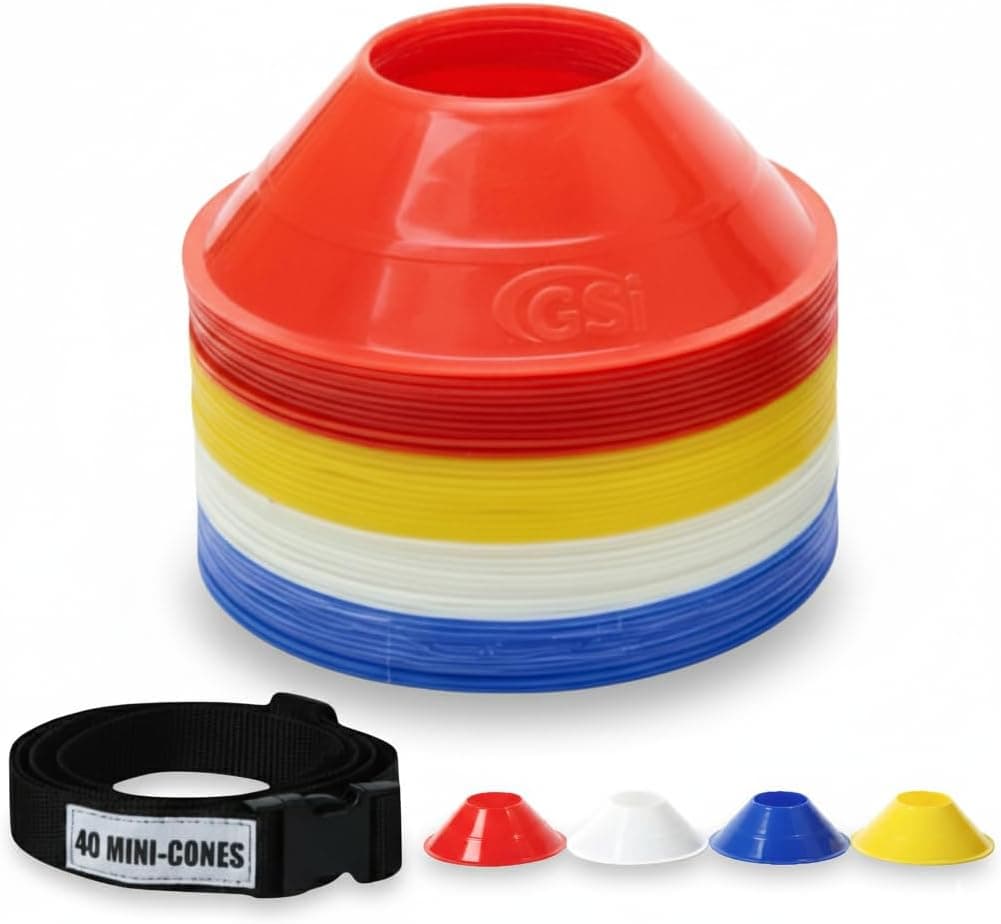
Disc Training Cones (Set of 40)
View on Amazon →
Adidas MLS Training Soccer Ball
View on Amazon →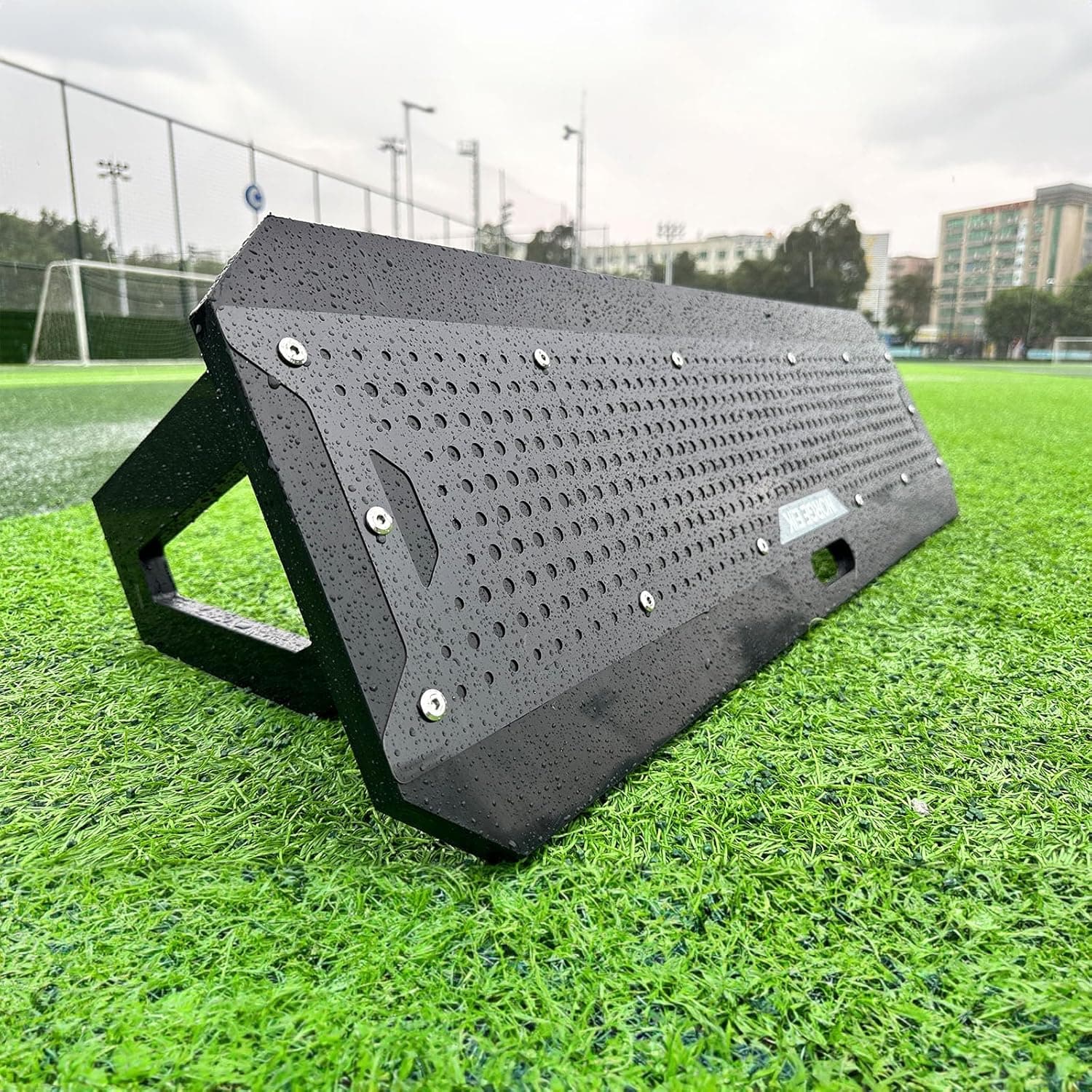
Soccer Rebounder
View on Amazon →As an Amazon Associate we earn from qualifying purchases, at no extra cost to you.