
How Visualization Can Improve Your Childs Soccer Game
December 11, 2025
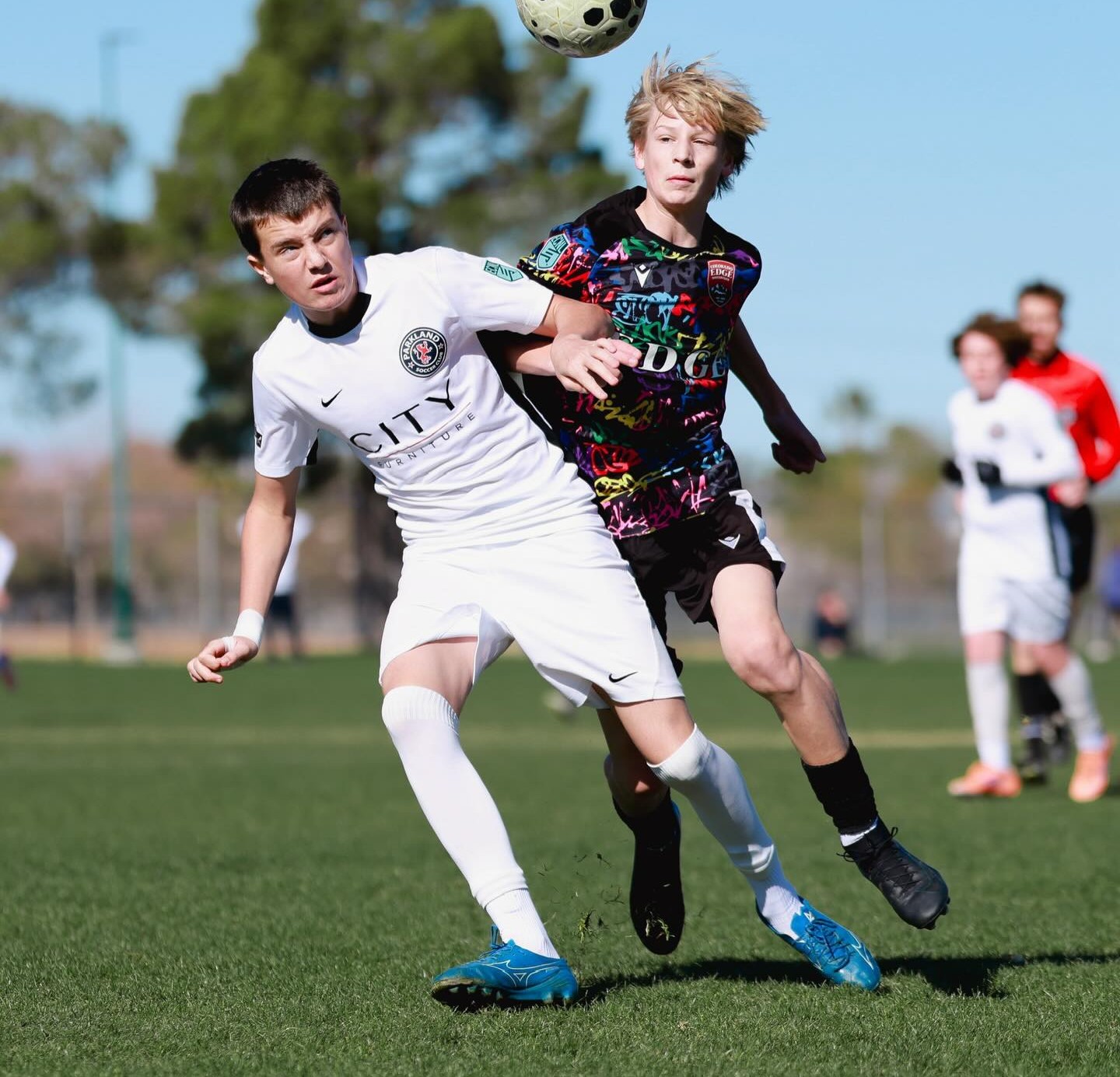
How Visualization Can Improve Your Child's Soccer Game
What if I told you there was a training technique that required no equipment, no space, no physical exertion, and could be done from a couch, a car seat, or even a bed, yet has been proven to improve athletic performance measurably? You would probably be skeptical. I was too, until I saw it work firsthand with my own kids.
The technique is called visualization, also known as mental imagery or mental rehearsal. It is used by elite athletes in virtually every sport, including some of the best soccer players in the world. And while it sounds too good to be true, the science behind it is robust and the practical results are real.
What Is Visualization and How Does It Work?
Visualization is the practice of creating vivid mental images of successfully performing a skill or action. When your child closes their eyes and vividly imagines dribbling past a defender, their brain activates many of the same neural pathways that fire during actual physical execution of that skill.
This is not metaphorical. Neuroscience research using brain imaging technology has shown that mental rehearsal activates the same motor cortex regions as physical practice. The brain literally cannot fully distinguish between a vividly imagined experience and a real one. This means that mental practice creates real neural adaptations that improve physical performance.
Studies on athletes across many sports have consistently shown that combining physical practice with visualization produces better results than physical practice alone. One famous study at the University of Chicago found that basketball players who spent 20 minutes a day visualizing free throws improved nearly as much as players who physically practiced free throws for the same amount of time.
Why Visualization Is Perfect for Young Soccer Players
Visualization is particularly well-suited for youth soccer for several reasons:
- No injury risk: Mental practice carries zero physical risk, making it a perfect supplement on rest days or during injury recovery
- No equipment needed: Your child can visualize anywhere, anytime, with nothing but their imagination
- Builds confidence: Repeatedly imagining successful execution builds the same neural confidence that physical success does
- Reduces anxiety: Visualizing success in pressure situations, like penalty kicks or big games, makes those situations feel familiar rather than terrifying
- Complements physical training: Visualization between home training sessions reinforces the skills being practiced physically
How to Teach Your Child Visualization: A Step-by-Step Guide
Step 1: Start with Relaxation
Visualization works best when the mind is calm and focused. Have your child sit or lie down in a comfortable position. Take three or four deep breaths together. Tell them to let their body relax and let their mind get quiet. This does not need to be a formal meditation. Just a minute or two of calming down.
Step 2: Set the Scene
Ask your child to imagine they are on a soccer field. Guide them to make the image as vivid as possible:
- What does the field look like? Is it their regular field?
- What are they wearing? Their team uniform?
- What does the air feel like? What sounds can they hear?
- Are there other players around? Teammates? Opponents?
The more sensory detail in the visualization, the more effective it is. Encourage your child to see, hear, and feel the experience as vividly as possible.
Step 3: Visualize a Specific Skill or Scenario
Rather than a vague daydream about playing soccer, effective visualization focuses on specific skills or game scenarios. Here are some examples:
Visualizing a First Touch:
Imagine a teammate passing the ball to you. See the ball approaching. Feel your foot reaching out to cushion it. The ball settles perfectly at your feet. You can feel the weight of the ball on your foot. Now you turn smoothly and play a pass.
Visualizing a 1v1 Move:
Imagine dribbling toward a defender. See their body position. Feel yourself shifting your body to the right as a feint. The defender bites on the fake. Now push the ball to the left with the outside of your foot and accelerate past them. Feel the burst of speed.
Visualizing Scoring a Goal:
Imagine receiving a pass in the box. See the goalkeeper. Pick your spot, bottom left corner. Feel your plant foot land beside the ball. Strike the ball cleanly with your laces. Watch it fly into the corner. Feel the satisfaction of scoring.
Step 4: Include the Emotional Experience
The most effective visualization includes not just the physical actions but the emotional experience. How does it feel to beat a defender? What is the confidence like when you know you are going to score? What does the rush of a perfect first touch feel like? Including these emotions makes the visualization more powerful and helps build the confident emotional state that transfers to real games.
Step 5: Repeat and Progress
Start with just 2-3 minutes of visualization. Over time, sessions can extend to 5-10 minutes. The key is consistency rather than duration. A daily 3-minute visualization session is more effective than a weekly 20-minute session.
When to Use Visualization
Before games: Spend 5 minutes visualizing successful plays during the pre-game routine. This primes the brain for performance and reduces pre-game anxiety.
Before home training: Visualize the skills you are about to practice. This pre-activates the relevant neural pathways and can improve the quality of the physical training that follows.
On rest days: Visualization on days off from physical training maintains the mental connection to the skills without adding physical stress.
Before bed: Research suggests that the brain processes and consolidates visualized skills during sleep, similar to how it consolidates physically practiced skills. A brief visualization before bed can enhance learning.
During injury recovery: Athletes who visualize during injury recovery maintain more of their skill level and return to play faster than those who do not. If your child is sidelined with an injury, visualization keeps their brain engaged in their sport development.
Making It Fun for Kids
Visualization can feel weird or boring to kids at first. Here are ways to make it more engaging:
- Make it a story: Instead of dry instructions, narrate it like a sports broadcast. And she receives the ball, turns beautifully, and fires it into the top corner! The crowd goes wild!
- Use their heroes: Have them visualize being their favorite player. Imagine you are playing like Messi. See yourself gliding past defenders just like he does.
- Pair it with video: Watch a skill video on Anytime Soccer Training, then immediately close your eyes and visualize performing the same skill. The visual reference makes the mental image more vivid.
- Create a highlight reel: Have your child create a mental highlight reel of their best real-life soccer moments. Replaying past successes builds confidence and makes future success feel more achievable.
- Do it together: Sit together and both visualize. Share what you imagined afterward. Making it a shared experience normalizes the practice and makes it more enjoyable.
Visualization as Part of a Complete Training Program
Visualization is not a replacement for physical training. It is a complement to it. Think of it as the mental ingredient that makes your physical training more effective. The ideal combination is regular physical home training through a platform like Anytime Soccer Training, supplemented by brief daily visualization sessions.
A simple daily routine might look like:
- Morning: 3 minutes of visualization while eating breakfast or during the drive to school
- Afternoon: 15-20 minutes of physical home training
- Evening: 2 minutes of visualization before bed, replaying the skills practiced that day
This combination of physical and mental training creates a development loop where each reinforces the other. Physical practice gives the brain accurate images to work with during visualization. Visualization strengthens the neural pathways that make physical execution more automatic.
The Competitive Edge Most Kids Are Missing
The vast majority of young soccer players have never been taught visualization. This means that adding even a basic visualization practice gives your child a genuine competitive advantage. While other kids are only training their bodies, your child is training both their body and their brain.
Start simple. Start today. Close your eyes, see the ball, and imagine the perfect play. The brain will take it from there.
Gear we use for this
The kit our own players train with at home.

PUGG Pop-Up Soccer Goals (Set of 2)
View on Amazon →
Adidas MLS Training Soccer Ball
View on Amazon →
Disc Training Cones (Set of 40)
View on Amazon →As an Amazon Associate we earn from qualifying purchases, at no extra cost to you.