
How to Teach Passing at Home
November 23, 2025
How to Teach Passing at Home: A Parent's Complete Guide
Passing is the most fundamental team skill in soccer, yet it is one of the hardest to practice without a team. Or so most people think. The truth is that passing technique can be developed tremendously at home, and the players who put in extra passing work outside of team practice develop an accuracy and consistency that sets them apart on the field.
You do not need to be a soccer expert to help your child improve their passing. You just need a ball, a wall or rebounder, some space, and the willingness to be their training partner a few times a week. This guide will walk you through everything you need to know.
The Fundamentals of a Good Pass
Before jumping into drills, let us make sure we understand the mechanics of a proper pass. The most common pass in youth soccer is the inside-of-the-foot pass, also called the push pass.
Proper technique for the push pass:
- Plant foot: Place the non-kicking foot alongside the ball, pointing toward the target. The plant foot's placement is the most common error in youth passing. If it is too far behind the ball, the pass will be inaccurate.
- Striking foot: Turn the kicking foot outward so the inside of the foot faces the target. Lock the ankle so the foot is firm. Strike the ball through its center with the largest flat area of the inside of the foot.
- Body position: Lean slightly over the ball. If the body leans back, the pass will pop up into the air. Hips should face the target.
- Follow-through: The kicking foot follows through toward the target. A short, stabbing motion without follow-through produces weak, inaccurate passes.
- Eyes: Look at the ball at the moment of contact. Look at the target before and after the strike, but eyes on ball at the point of contact.
The Driven Pass
For longer distances, your child will need the driven pass using the laces of the boot:
- Plant foot: Placed beside the ball, slightly behind it
- Striking foot: Approach at a slight angle, strike through the center of the ball with the laces, toe pointed down
- Body position: More upright than the push pass, with a longer follow-through
- Contact point: The hardest part of the instep, the area where the laces are tightest across the top of the foot
Essential Passing Drills for Home Training
Drill 1: Wall Passing Fundamentals
The wall is the best passing partner your child will ever have. It never gives a bad return, it is always available, and it demands accuracy because the ball comes back at exactly the angle you sent it.
Basic drill: Stand 10 feet from a wall. Pass with the inside of the right foot, receive the return, pass again. Do 30 passes, then switch to the left foot. Focus on accuracy, weight, and clean striking technique rather than speed.
Progression 1: One-touch passing. Pass with the right foot, receive and pass immediately with the left. Maintain a consistent rhythm.
Progression 2: Mark two spots on the wall about four feet apart. Alternate passing to each target, controlling the ball between passes. This trains accuracy and the ability to redirect passes.
Progression 3: Move laterally between passes. Pass, shuffle two steps to the side, receive, shuffle back, pass to the other target. This adds a movement component that simulates game situations.
Drill 2: Target Passing
Set up targets at various distances and practice hitting them. This can be as simple as placing cones or water bottles as targets and trying to knock them over with passes.
Setup: Place a target at 10 feet, 20 feet, and 30 feet. Use cones, water bottles, or small goals.
Execution: Take 10 passes at each target with the right foot, then 10 with the left. Track how many times you hit each target. The 10-foot target trains the push pass. The 20-foot target trains a firmer push pass. The 30-foot target trains the driven pass.
Progression: Decrease the size of the targets. Add a time element where you must pass within three seconds of the ball arriving. Pass from different angles rather than straight on.
Drill 3: Pass and Move
Static passing practice is a good start, but games require passing while moving. This drill trains that crucial combination.
Setup: A wall and three cones in a line about 5 feet apart, set 10 feet from the wall.
Execution: Start at the first cone. Pass against the wall, sprint to the second cone, receive the return, pass again, sprint to the third cone, receive, and pass again. Then work back in the other direction.
Progression: Increase the distance between cones. Increase the speed of movement. Require one-touch passing at each cone. Alternate feet at each cone.
Drill 4: The Triangle Pass
If you have a training partner, whether that is a parent, sibling, or friend, this drill is excellent for developing passing rhythm and movement.
Setup: Place three cones in a triangle about 15 feet apart. One person stands at one cone, the other at another cone.
Execution: Pass to your partner and immediately move to the empty cone. Your partner receives, passes to you at your new position, and moves to the cone you just left. Continue this pattern, always passing and moving.
Progression: Speed up the passing tempo. Require one-touch passing. Increase the distance between cones. Add a fourth cone to make it a square.
Drill 5: Long-Range Passing
For older kids who need to develop their driven pass and long-range distribution, this drill builds the technique and confidence for those longer balls.
Setup: A large open area with a target at 25-40 feet. Use a goal, a cone gate, or even a trash can.
Execution: Strike driven passes with the laces, focusing on proper technique: toe down, ankle locked, follow through toward the target. Aim for the ball to arrive on the ground or at knee height, not floating through the air. A good driven pass has pace and stays relatively low.
Progression: Increase distance. Aim for specific sides of the target. Add a dribble before the pass. Practice switching play by passing to targets on alternate sides.
Common Passing Mistakes and How to Fix Them
- Toe pokes: Kicking the ball with the toe rather than the inside of the foot. This produces inaccurate, uncontrolled passes. Fix it by exaggerating the turned-out foot position and practicing slow passes that focus on technique.
- Plant foot too far from ball: When the plant foot is too far away, the player stretches to reach the ball and loses accuracy and power. Practice placing the plant foot consistently right next to the ball.
- Leaning back: Causes the pass to go airborne when it should stay on the ground. Focus on keeping the body over the ball and the knee over the point of contact.
- No follow-through: A stabbing motion produces weak passes. The foot should continue toward the target after contact.
- Weak foot avoidance: Most kids naturally avoid their weak foot. Dedicate specific time to weak-foot passing in every session. It will feel awkward at first, but consistency makes it natural.
Making Passing Practice Fun
Passing drills can feel repetitive, so here are some ways to keep them engaging:
- Passing challenges: How many consecutive passes can you make against the wall without a mistake? Track records and try to beat them.
- Target competitions: Take turns trying to hit targets. Keep score. Kids love competition, even against themselves.
- Passing games: Play games like soccer tennis or soccer golf that require passing accuracy in a fun context.
- Timed drills: How many accurate passes can you make in 60 seconds? Use a timer and try to set new records.
Anytime Soccer Training offers follow-along passing sessions that keep training fresh and progressive. Having a video to follow along with takes the monotony out of repetitive drills and provides the coaching cues that help maintain proper technique.
Building the Complete Passer
Great passers are not born. They are made through thousands of repetitions with intentional focus on technique. The players who stand out in youth soccer for their passing ability are almost always the ones who have put in extra work outside of team practice.
Help your child build the passing habit at home. Start with just ten minutes of wall passing three times a week. As their technique improves and their confidence grows, expand to include the other drills in this guide. Within a few months, you will see a player whose passing is cleaner, more accurate, and more confident than it has ever been.
The beautiful game is built on passing. Give your child the foundation to play it beautifully.
Gear we use for this
The kit our own players train with at home.
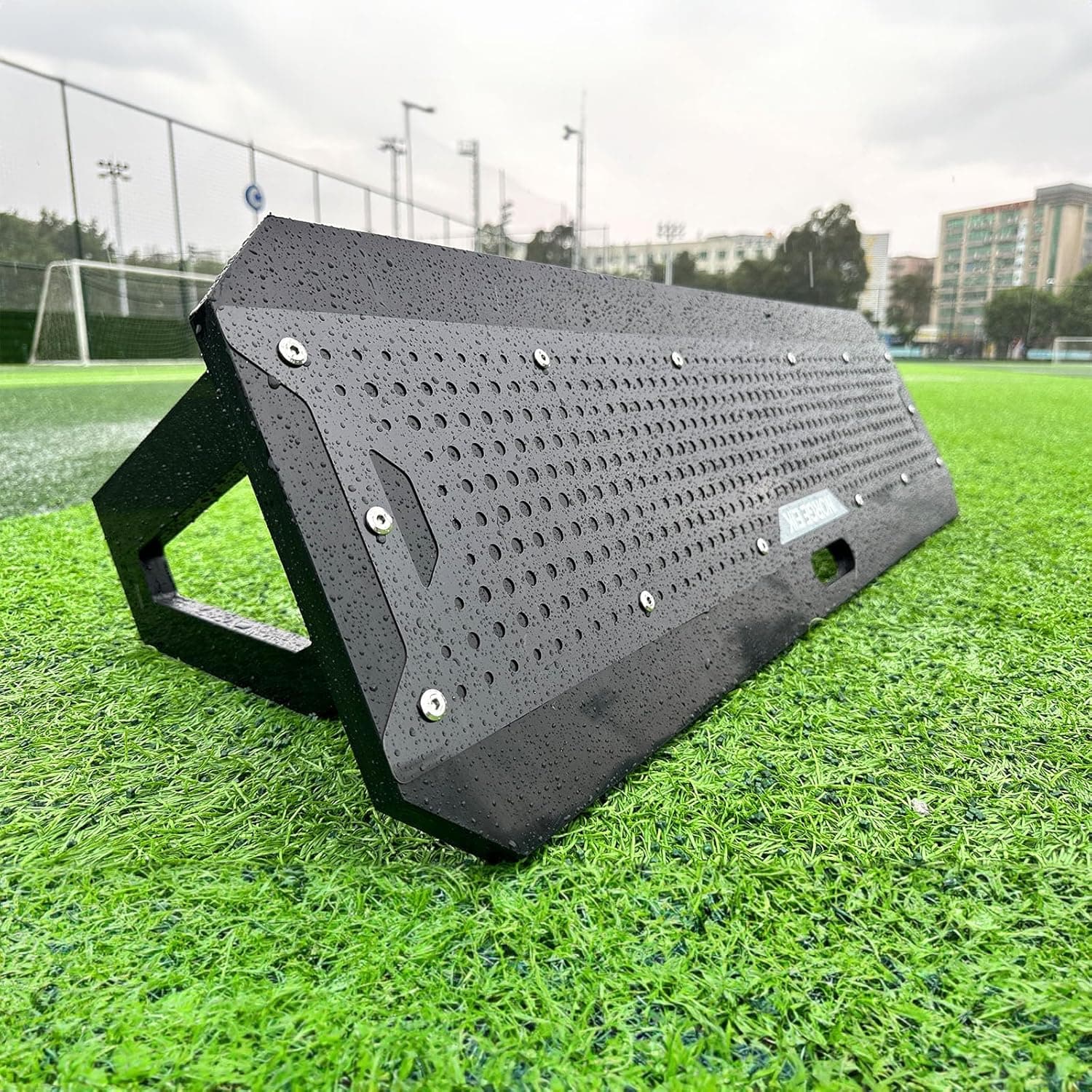
Soccer Rebounder
View on Amazon →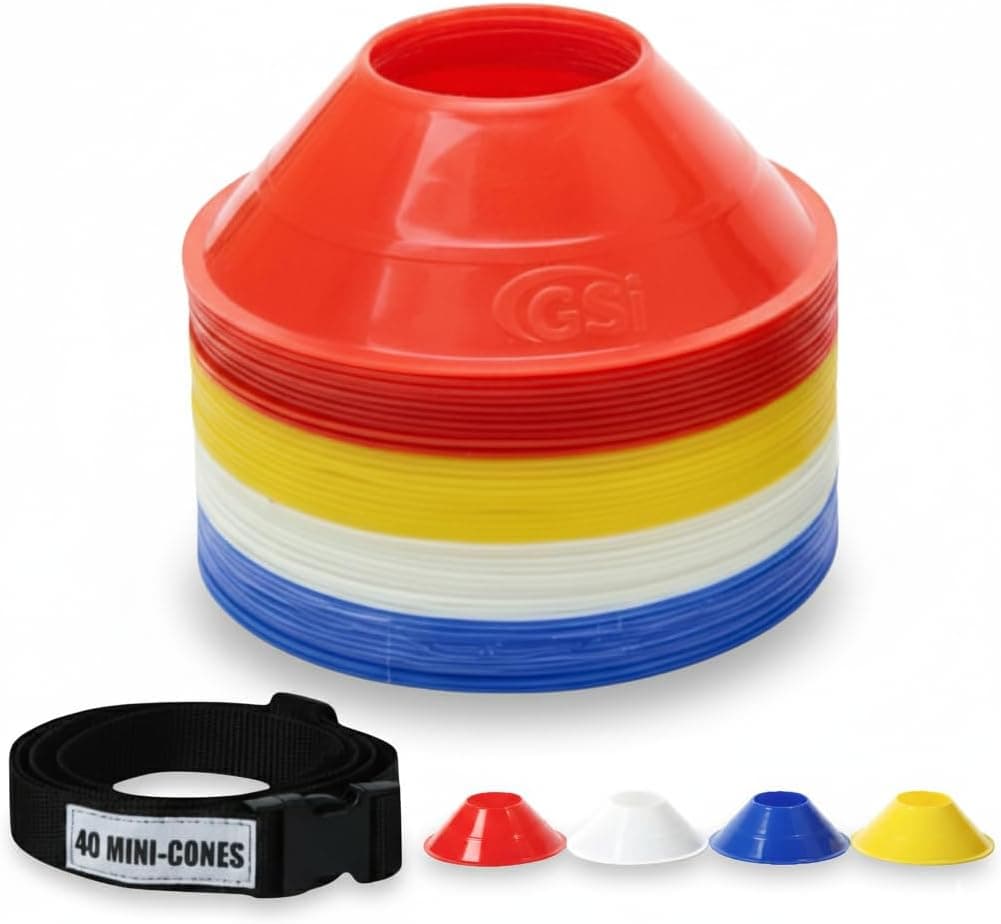
Disc Training Cones (Set of 40)
View on Amazon →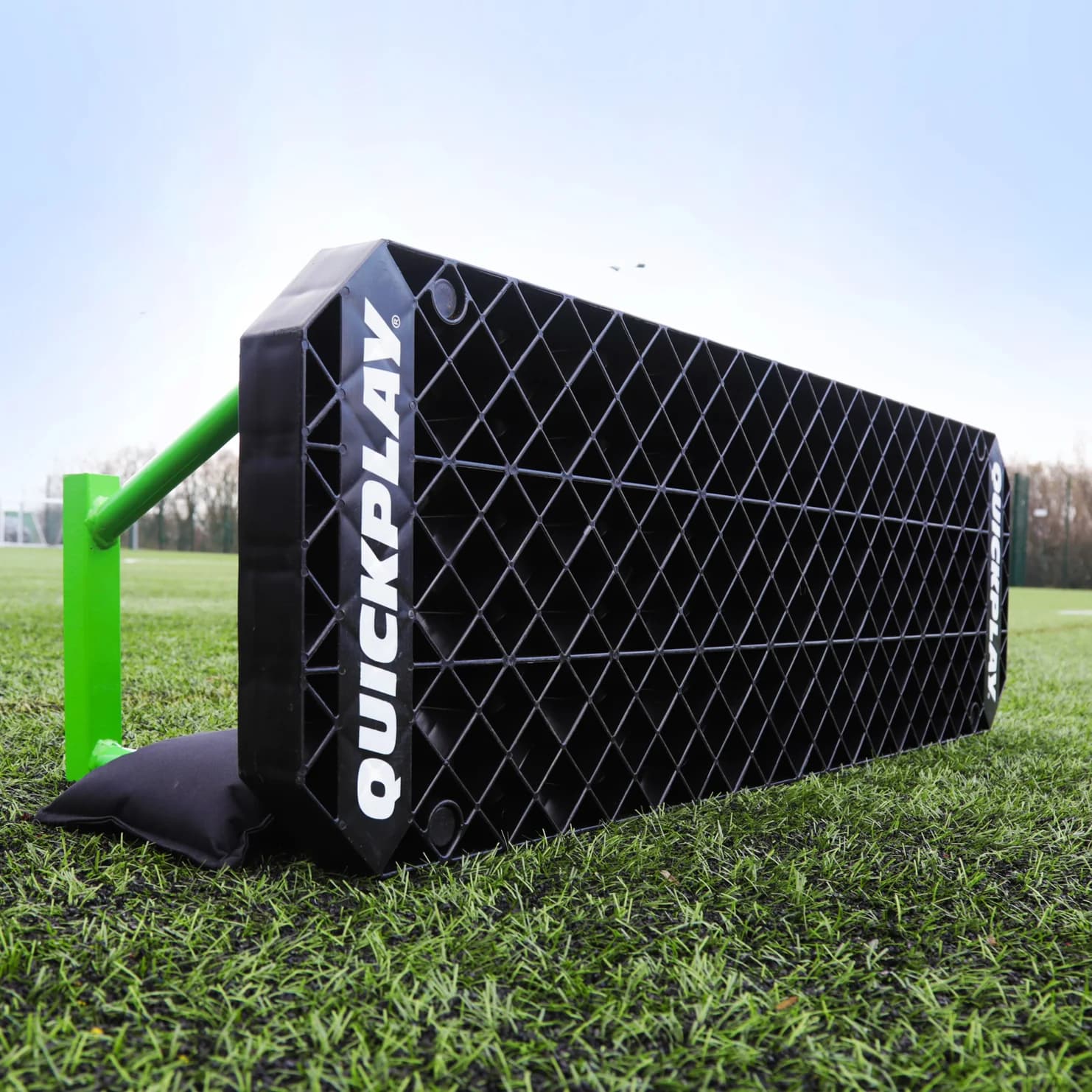
QuickPlay REPLAY Station
View on Amazon →As an Amazon Associate we earn from qualifying purchases, at no extra cost to you.