
How to Teach Dribbling at Home
February 18, 2026
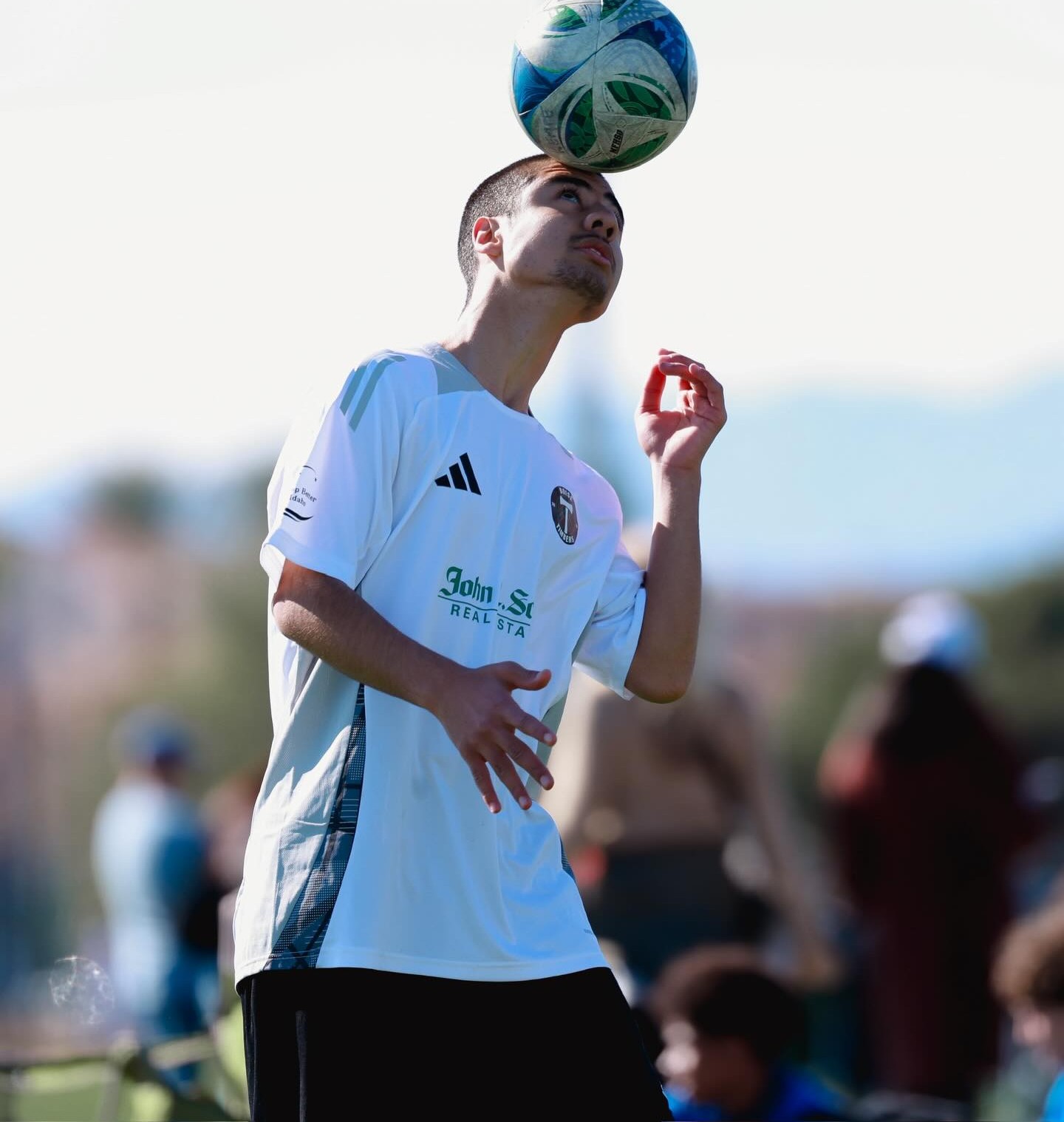
Dribbling is the skill children most want. It is what they see when a winger goes past three players, and it is the thing they try in the back garden without being asked.
It is also the skill parents feel least qualified to teach. You do not need to be a coach. You need to know the order the stages come in, and to resist the urge to correct technique before the stage below it is solid.
The five stages, in order
Skipping a stage is the single most common mistake. A player taught step-overs before they are comfortable with the ball at their feet will perform a step-over and lose the ball, every time.
The weeks are a guide, not a schedule. A player who is not ready for stage three after two weeks needs another week at stage two, not a faster pace.
| Stage | What it is | Roughly |
|---|---|---|
| 1 | Stationary ball comfort | Weeks 1-2 |
| 2 | Straight-line dribbling | Weeks 3-4 |
| 3 | Changing direction | Weeks 5-6 |
| 4 | Moves and feints | Weeks 7-8 |
| 5 | Game application | Week 9 onwards |
Stage 1 — Stationary ball comfort
Before a ball travels anywhere, the player needs to be unafraid of it at their feet. Everything here happens standing still, in a space the size of a doormat.
1. Toe taps
Alternating taps on top of a still ball. The most boring drill in soccer and the most useful at this stage.
- How to set it up: No equipment. Indoors is fine.
- How long: 4 rounds of 30 seconds.
- What good looks like: The ball does not move. The feet do.
- The usual mistake: The ball creeping forward with each tap.
2. Sole rolls
Rolling the ball side to side under the body with the sole of the foot.
- How to set it up: No equipment.
- How long: 4 rounds of 30 seconds.
- What good looks like: Smooth drags, knees bent, weight forward.
- The usual mistake: Standing upright and stabbing at the ball.
Stage 2 — Straight-line dribbling
Now the ball travels, but only forwards. The whole objective is touch distance: many small touches rather than one big one.
1. Ten-yard walk
Dribble ten yards at walking pace, aiming for a touch every step.
- How to set it up: Two markers, ten yards apart.
- How long: 6 lengths, then 6 at a jog.
- What good looks like: Eight to ten touches over ten yards.
- The usual mistake: Three touches and a run. Count the touches out loud if needed.
2. Outside-foot lane
Same ten yards, outside of one foot only, then the other.
- How to set it up: Same markers.
- How long: 4 lengths each foot.
- What good looks like: The ball stays on the outside of the boot.
- The usual mistake: Inside-foot corrections to keep it straight.
Stage 3 — Changing direction
This is where dribbling becomes useful. A player who can only go forward can be shepherded anywhere a defender wants them.
1. Figure 8
Two cones, five yards apart, dribbling a loop around both and crossing the middle.
- How to set it up: Two cones.
- How long: 3 rounds of 2 minutes.
- What good looks like: A genuine 8 shape, not a circle.
- The usual mistake: Arcing wide and never crossing the middle.
2. Pull-back repeats
Dribble two yards, pull back with the sole, turn, go the other way.
- How to set it up: Two cones, two yards apart.
- How long: 20 turns.
- What good looks like: The turn is one movement.
- The usual mistake: Stopping the ball, then turning.
Stage 4 — Moves and feints
Only now. A move is a way of making a defender commit, and it only works on top of stages one to three. Two moves done well beat six done badly.
- Start with two: the step-over and the drag-back. They cover most match situations.
- One move per week. Learn it slowly, then use it in freestyle until it appears without being planned.
- Always finish with acceleration. A move without a burst out of it is a piece of footwork a defender simply follows.
Stage 5 — Game application
The final stage is a live defender. Everything before this is preparation; nothing transfers until somebody is trying to take the ball away.
A parent walking at half pace is enough. It does not need to be competitive — it needs to be unpredictable.
1. 1v1 to two gates
Two gates, one defender. The attacker chooses which to attack, so the defender must be moved first.
- How to set it up: Four cones as two gates.
- How long: 8 rounds of 30 seconds.
- What good looks like: A change of pace before the move.
- The usual mistake: Straight at one gate at full speed.
The mistakes parents make
Fifteen minutes, four times a week, in stage order. That is the whole method. It is not complicated; it is just easy to do out of sequence.
- Teaching moves before close control — the biggest one by far
- Correcting technique during freestyle, which is the one time to say nothing
- One long session a week instead of four short ones
- Setting cones too far apart, turning a dribbling drill into running
- Praising the outcome rather than the touch that produced it
Train it, do not just read about it.
Every drill on this page is a follow-along video inside Anytime Soccer Training. Your player presses play, copies what they see, and the app keeps track of what they have done.
Gear we use for this
The kit our own players train with at home.
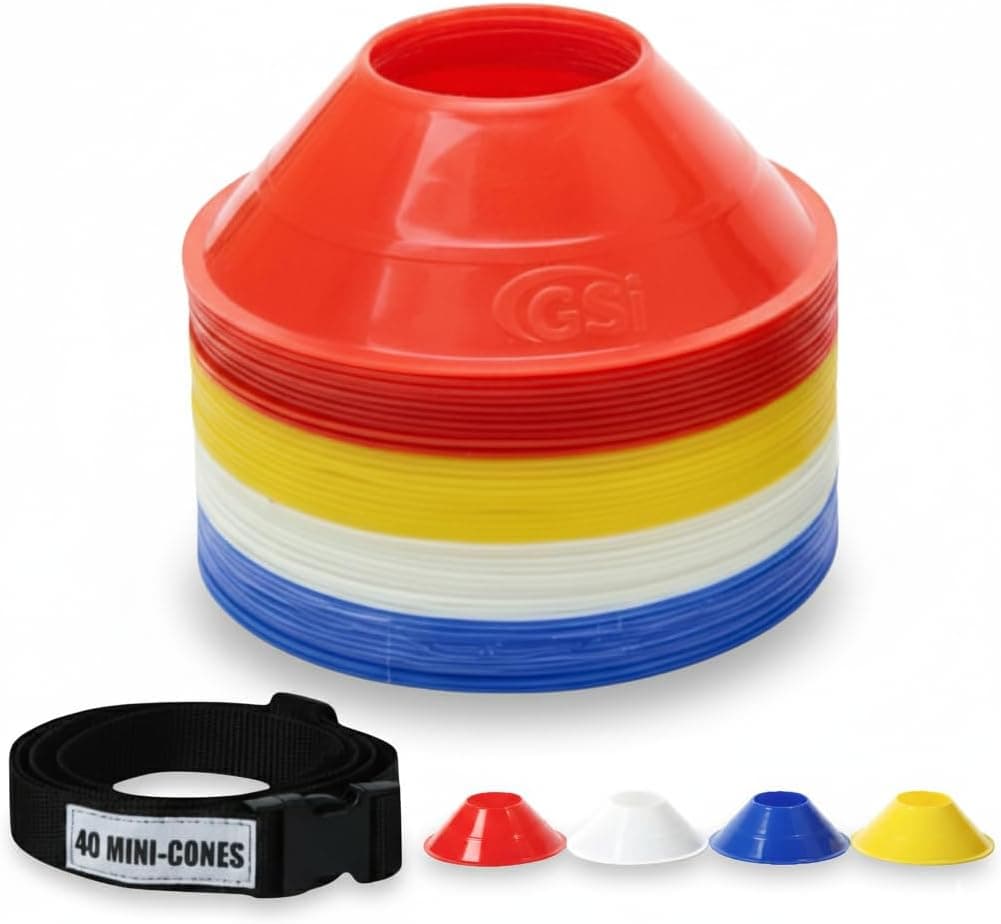
Disc Training Cones (Set of 40)
View on Amazon →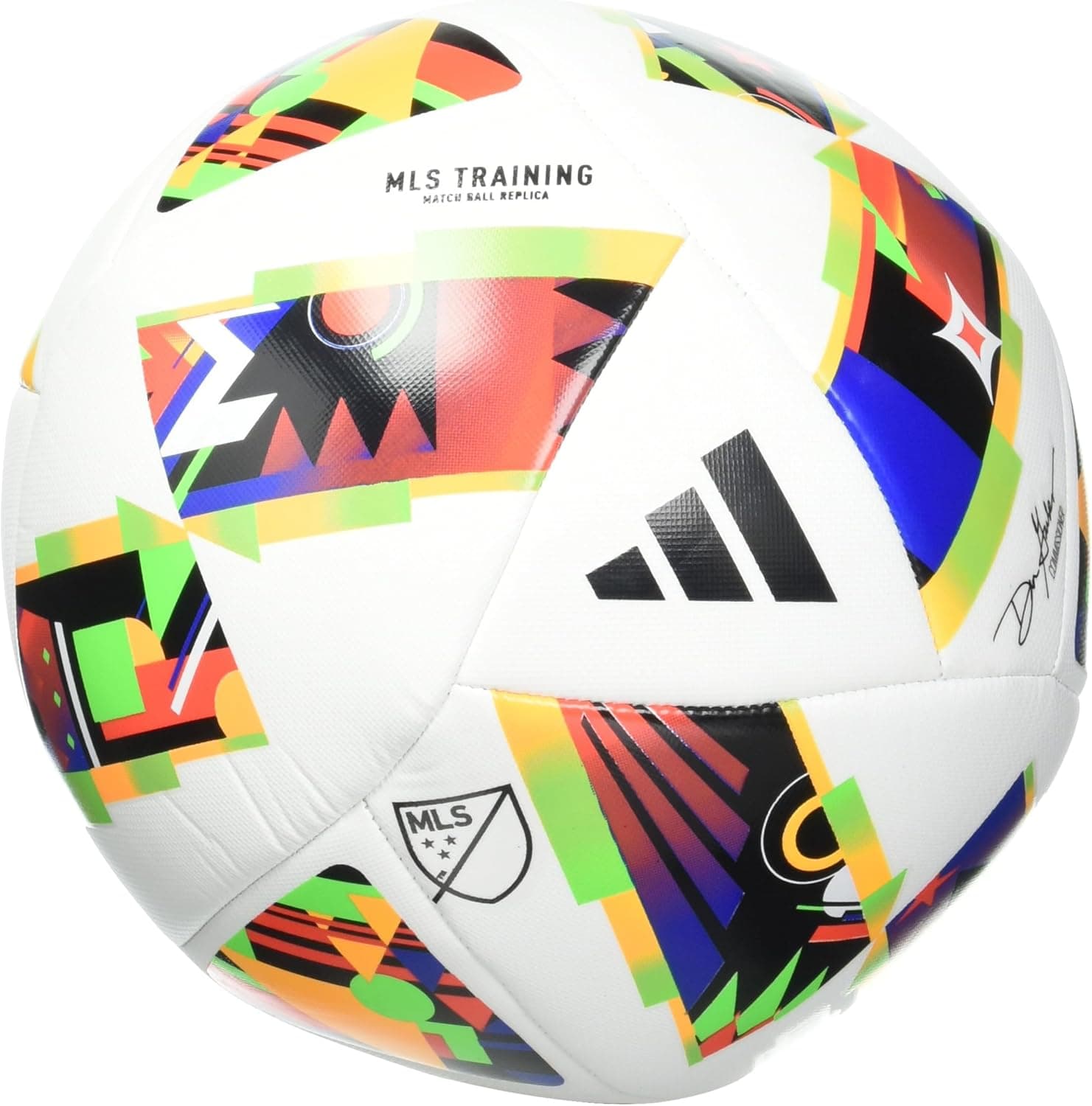
Adidas MLS Training Soccer Ball
View on Amazon →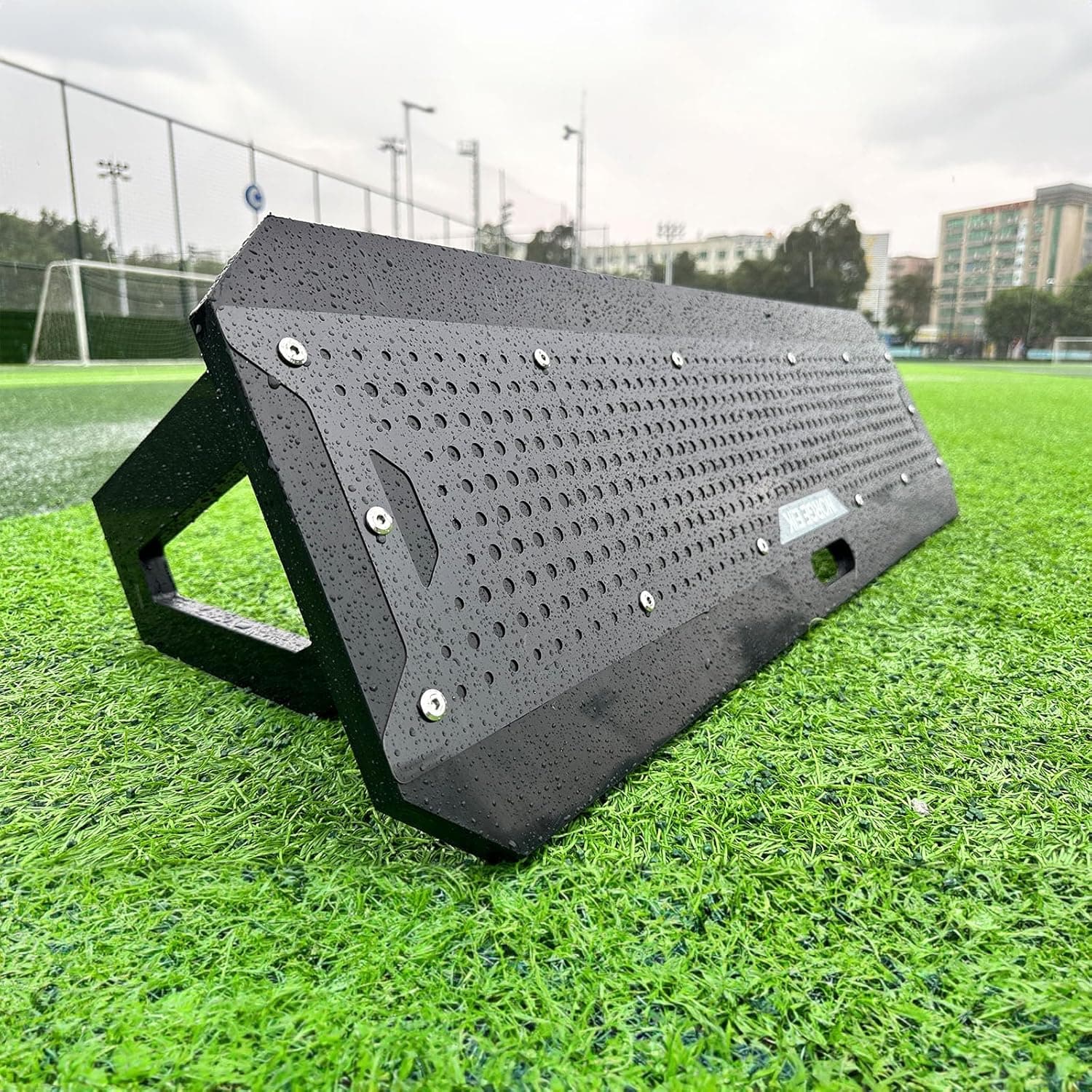
Soccer Rebounder
View on Amazon →As an Amazon Associate we earn from qualifying purchases, at no extra cost to you.